
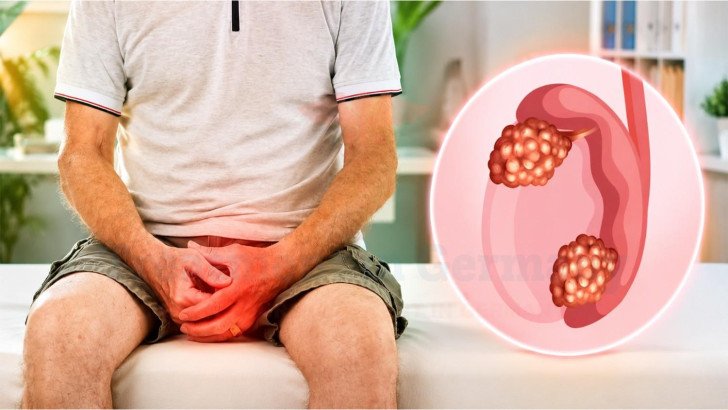
Testicular cancer forms when malignant (cancer) cells develop in the tissues of one or (less commonly) both testicles.
Advanced Testicular Cancer Treatment in Germany
Testicular cancer is among the most highly curable solid malignancies in men, particularly when diagnosed and treated appropriately. Even so, a new diagnosis still raises difficult questions for patients and their families. According to GLOBOCAN 2022, around 74,500 new cases were diagnosed worldwide along with about 9,000 deaths in a single year [1]. While the disease is uncommon overall, how common is testicular cancer depends on the region. It is most often seen in young men between ages 15 and 44 [7], and incidence has been rising slowly across many countries [1].
For patients exploring advanced testicular cancer treatment in Germany, the country brings together experienced German cancer specialists, advanced diagnostics, and access to both standard and innovative therapies. Whether you are looking for a testicular oncologist in Germany, a second opinion, or a clear treatment plan, TIG GmbH connects international patients with the right specialists and supports each step of the journey.
What Is Testicular Cancer and Who Does It Affect?
So what is testicular cancer? It is a malignant growth that begins inside the testicle, more than 90–95% of testicular malignancies are germ cell tumors arising from the sperm-producing germinal epithelium. The disease shows up mostly in younger men, with a peak between the late teens and the mid-thirties. Most patients first notice a painless lump or swelling in one testicle, which is why understanding the early signs of testicular cancer matters so much.

There are several types of testicular cancer, but more than 95% are germ cell tumors. These are usually divided into two major histologic categories:
Seminoma , which tends to grow slowly and responds very well to radiation and chemotherapy
Nonseminomatous germ cell tumors (NSGCTs), which includes embryonal carcinoma, yolk sac tumor, choriocarcinoma, and teratoma. These often behave more aggressively [2].
Together, these two groups account for nearly all germ cell testicular tumor cases. Rare forms include Leydig cell and Sertoli cell tumors. Knowing the subtype matters because testicular cancer treatments are matched to tumor biology, blood marker levels, and stage.
What causes testicular cancer The precise causes of testicular cancer remain incompletely understood, although several established risk factors have been identified.
The most established testicular cancer causes and risk factors include:
A history of undescended testicle (cryptorchidism)particularly if correction was delayed
A family history of testicular cancer particularly in a first-degree relative
A personal history of cancer in the other testicle
Certain genetic conditions linked to abnormal gonadal development
Some studies have also reported associations with HIV infection and specific genetic syndromes, although these relationships are less clearly established [7]
Recognising the Symptoms of Testicular Cancer
Most men want a clear answer to a simple question: how to know if you have testicular cancer. Awareness of the typical signs of testicular cancer is the most important first step. Many men also ask, "Does testicular cancer hurt?" The honest answer is early-stage testicular cancer is often painless, although some patients may experience discomfort or aching. The most common finding is a painless lump.
Common symptoms of testicular cancer include:
A firm, painless lump or swelling in one testicle
A feeling of heaviness in the scrotum
A dull ache in the lower abdomen or groin
Sudden fluid build-up in the scrotum (Acute or progressive hydrocele formation)
Discomfort or mild pain in a testicle (less common)
Breast tenderness or enlargement due to hormone changes
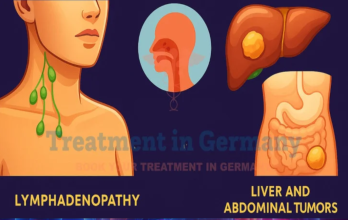
Patients often ask, what does testicular cancer feel like? It commonly feels like a small, firm, pea-sized nodule , a firm intratesticular mass, focal induration, or asymmetric enlargement of the affected testis. It does not move freely and feels different from the soft, smooth tissue of the normal testicle. Late stage testicular cancer symptoms appear when metastatic spread involves retroperitoneal lymph nodes, lungs, brain, or other organs.
These may include:
Lower back pain from enlarged retroperitoneal lymph nodetesticular cancer surgerys
Cough or shortness of breath if cancer reaches the lungs
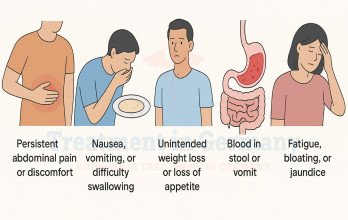
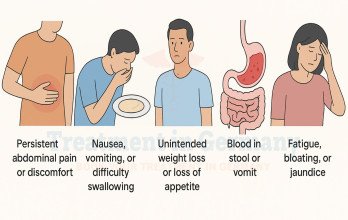
Unexplained weight loss and ongoing fatigue
Headache or neurological signs if brain metastases develop
How do you know if you have testicular cancer for certain? Diagnosis is established through clinical examination, scrotal ultrasonography, serum tumor marker assessment, and histopathologic evaluation following orchiectomy. Regular self-examination remains the most practical screening tool.
How to Check for Testicular Cancer at Home?
How to check for testicular cancer Men should be familiar with the normal appearance and consistency of their testicles and seek evaluation for new abnormalities. A simple monthly self-exam after a warm shower, when the scrotal skin is relaxed, helps spot changes early. Roll each testicle gently between the thumb and fingers and gently palpate each testicle to assess for masses, focal firmness, or changes in size or contour. If you notice anything unusual, see a urologist promptly.
How Doctors Diagnose Testicular Cancer in Germany?
When testicular cancer symptoms raise concern, the first investigation is almost always an ultrasound. Testicular cancer ultrasound is fast, painless, and very accurate at separating cancer from benign conditions such as cysts or epididymitis. Testicular carcinoma on ultrasound usually appears as a solid mass inside the testicle, with features that experienced radiologists recognise quickly.
After ultrasound, blood tests measure tumor markers including AFP, beta-hCG, and LDH. These markers help confirm the diagnosis, guide treatment, and monitor response. CT scans of the chest, abdomen, and pelvis used for staging and detection of metastatic disease, while brain MRI is typically reserved for patients with neurologic symptoms or high-risk metastatic disease,
Final diagnosis usually comes after testicular cancer surgery to remove the affected testicle (radical inguinal orchiectomy), which provides tissue for pathology. This procedure is both diagnostic and a first line of treatment. Second-opinion imaging and pathology review can be arranged at major cancer hospitals in Germany for international patients.
Testicular Cancer Survival Rate and Prognosis
Testicular cancer is associated with excellent treatment outcomes compared with many other solid malignancies. The overall testicular cancer survival rate is among the highest of any solid tumor. The American Cancer Society reports a 5-year relative survival of around 95% across all stages combined [7]. So is testicular cancer fatal? It can be, but only in a small minority of advanced cases, especially when treatment is delayed or when disease progresses despite therapy primarily in patients with advanced, refractory, or poor-prognosis disease.

These figures are population-level estimates and do not predict individual outcomes [7]. The survival rate of testicular cancer depends on tumor type, marker levels, and how the tumor responds to treatment. Testicular carcinoma prognosis is shaped strongly by the International Germ Cell Cancer Collaborative Group (IGCCCG) risk classification, which divides advanced disease into good, intermediate, and poor prognosis groups [2].
Quick Look: IGCCCG Risk Groups for Advanced Disease Good prognosis: low tumor markers, no non-pulmonary spread. High cure rates with standard chemotherapy. Intermediate prognosis: moderately raised markers or larger tumor burden. Cure rates remain favourable. Poor prognosis: very high markers or spread to organs other than the lungs. Needs intensive, expert-led care. |
So is testicular cancer curable? In most cases, yes. Even men with advanced disease often achieve long-term remission with appropriate treatment for testicular cancer [9].
Standard Testicular Cancer Treatment Options in Germany
Standard care follows international ESMO-EURACAN guidelines and is delivered through multidisciplinary tumor boards. [2].
The main components of testicular cancer treatment in Germany include:
Testicular cancer surgery in Germany (radical inguinal orchiectomy), performed at the start for nearly every patient
Active surveillance for selected stage I patients
Radiation therapy, mainly for early-stage seminoma
Standard cisplatin-based chemotherapy for advanced or metastatic disease [9].
Retroperitoneal lymph node dissection (RPLND) for residual disease after chemotherapy
Each option is matched to the tumor type, stage, marker levels, and patient preferences. TIG GmbH helps international patients reach experienced centers that offer all of these standard options.
Advanced and Innovative Testicular Cancer Treatments in Germany
For advanced or relapsed disease, Germany also offers therapies and may provide access to complex systemic therapies, salvage treatment strategies, and clinical trials.. Patients seeking advanced oncology treatment in Germany can access deep chemotherapy expertise, regional drug delivery techniques, and immune-based approaches under specialist supervision.
Chemotherapy for Testicular Cancer in Germany
Chemotherapy for testicular cancer remains the backbone of treatment for metastatic and high-risk disease. The standard regimen is BEP, which combines bleomycin, etoposide, and cisplatin, administered over three or four cycles according to disease stage and IGCCCG risk classification [9]. This combination has transformed outcomes since the late 1970s, turning what was once a frequently fatal disease into one with very high cure rates.
For patients who relapse after first-line chemotherapy, salvage regimens may include TIP (paclitaxel, ifosfamide, cisplatin) or high-dose chemotherapy with stem cell rescue [10]. Salvage strategies are chosen carefully based on relapse timing, disease burden, prognostic classification, and patient performance status [10]. German centers have wide experience delivering these complex protocols safely.
Chemotherapy in Germany is given alongside strict supportive care, including anti-nausea medication, growth factor support, and close monitoring of kidney, lung, and hearing function. Most patients receive treatment at leading top oncology centers in Germany where these protocols are routine.
TACP Treatment for Testicular Cancer in Germany
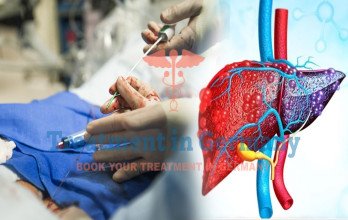
TACP treatment for testicular cancer (Transarterial Chemoperfusion) is an advanced regional therapy that delivers chemotherapy directly to a tumor through its feeding artery. This minimally invasive technique aims to concentrate the drug at the tumor site while keeping doses low elsewhere in the body potentially reducing systemic exposure compared with conventional intravenous administration.

For patients with bulky residual masses, recurrent retroperitoneal lymph node disease, or metastatic deposits that have not fully responded to systemic chemotherapy, TACP can be considered as an additional tool. The procedure is planned with CT or MRI imaging, and a small catheter is guided into the artery supplying the lesion to deliver chemotherapy slowly under controlled conditions.
Patients are usually monitored for a few hours after treatment, with follow-up imaging arranged to check the response. TIG GmbH coordinates every step, from medical record review to scheduling and follow-up, for patients who are exploring this option.
Dendritic Cell Therapy for Testicular Cancer in Germany
Dendritic cell therapy for testicular cancer is an experimental immune-based treatment that is currently under clinical investigation. Dendritic cells are specialised immune cells that act as messengers, teaching T-cells to recognise and attack cancer cells [6]. In this approach, a patient's own immune cells are matured in a controlled laboratory setting, exposed to tumor-related antigens, and then returned to the patient to spark a targeted immune response [6].

Research in testicular germ cell tumors has shown that the immune environment of these tumors includes specific T-cell populations that contribute to disease control, and that immunotherapy concepts are becoming increasingly relevant in this setting [3][4]. Recent reviews in cell-based therapy for testicular cancer support continued investigation of immune approaches in selected patients with relapsed or refractory disease [5].
A broader review of dendritic cell immunotherapy across solid tumors confirms that DC vaccines can produce measurable immune responses and may complement standard therapies in carefully chosen patients [8]. Dendritic cell therapy is not part of standard testicular cancer care in major international guidelines, and it should be considered alongside, not in place of, proven options. TIG GmbH walks patients through the evidence base, the practical schedule, and the multi-week commitment required to complete the initial course.
Testicular Cancer Treatment Cost in Germany
Understanding cost is part of planning for every international patient. Prices vary by treatment type, hospital, length of stay, and individual clinical needs. For interventional treatment, TACP treatment for testicular cancer in Germany typically ranges between €8,000 and €9,000 per session, delivered by Prof. Vogl and his team. Dendritic cell therapy for testicular cancer in Germanycosts approximately €27,000 for total course, delivered by Prof. Gansauge at LDG Laboratories.
Costs for standard chemotherapy, surgery, and radiotherapy depend on the regimen, number of cycles, and the institution involved. For patients seeking affordable cancer treatment in Germany, TIG GmbH provides a clear, written cost breakdown before any travel or commitment is made, so families can plan with confidence.
Who Is Eligible for Chemotherapy, TACP, or Dendritic Cell Therapy?
Every patient is reviewed individually by a multidisciplinary tumor board. The summary below describes general clinical considerations that may influence eligibility for specific treatment approaches.
Chemotherapy Eligibility
Confirmed diagnosis of testicular germ cell tumor with metastatic or high-risk disease
Adequate kidney, lung, and bone marrow function
IGCCCG risk classification completed before regimen choice
No active uncontrolled infection or severe comorbidity
TACP Eligibility
Residual or relapsed tumor deposits accessible through arterial catheterization, locoregional intra-arterial therapy may be considered for accessible recurrent or refractory tumor deposits
Adequate cardiovascular and renal function to tolerate angiographic and contrast-based procedures
No contraindication to iodinated contrast or arterial catheterization, or interventional radiology procedures
Progression on or intolerance to standard systemic therapy
Dendritic Cell Therapy Eligibility
Confirmed germ cell tumor with clinically evaluable or measurable disease in an investigational treatment setting
Adequate circulating immune cell counts for laboratory processing
No active autoimmune disease or significant immunosuppressive therapy that could interfere with immune-based treatment protocols
Ability to comply with repeated treatment visits, monitoring requirements, and multi-session investigational protocols
Limitations and Important Considerations
While testicular cancer treatment leads to long-term remission for the majority of patients, outcomes are not guaranteed for every individual. Advanced procedures such as TACP and dendritic cell therapy are highly specialised, and should be considered complementary to, rather than replacements for, established evidence-based treatments such as surgery and cisplatin-based chemotherapy [5].
Dendritic cell therapy in particular remains under clinical evaluation, and patients should be fully informed about the current state of the evidence before choosing this option [6][8]. International treatment also involves logistical and financial planning, which deserves careful preparation before travel.
Possible Side Effects and Long-Term Considerations
Most patients tolerate modern testicular cancer treatment well, although both short-term and long-term toxicities may occur and require careful monitoring. Depending on the treatment plan, some men may experience temporary fatigue, nausea, tingling in the hands or feet, hearing changes, or reduced fertility. For this reason, fertility preservation and sperm banking are often discussed before chemotherapy begins. Long-term follow-up is an important part of care, helping doctors monitor recovery, disease recurrence, treatment-related toxicities, cardiovascular health, endocrine function, fertility, and psychosocial recovery.
Why Germany Leads in Testicular Cancer Care
For men with germ cell tumors, Germany combines academic medicine with hands-on patient care.
Patients benefit from:
Multidisciplinary tumor boards including urology, medical oncology, radiation oncology, radiology, and pathology
Comprehensive diagnostics with high-resolution testicular cancer ultrasound and modern CT and MRI imaging
Long experience with cisplatin-based chemotherapy protocols
Access to specialised interventional procedures such as TACP at selected centers
Active participation in clinical research for relapsed and refractory disease [10]
Strong support systems for international patient cancer treatment Germany, including visa help and interpreter services
These factors together explain why so many international patients choose Germany when looking for the best hospital for testicular cancer treatment in Germany, from initial consultation to long-term follow-up.
List of Leading Hospitals for Testicular Cancer Treatment in Germany
Several German hospitals for testicular cancer treatment are recognised internationally for their expertise. The following institutions represent the best testicular cancer hospital in Germany options for advanced care.

Each center offers a dedicated testicular cancer specialist in Germany along with experienced surgical, medical, and radiation oncology teams. TIG GmbH has working relationships with these institutions and can help patients secure consultations and coordinate every aspect of their treatment.
How TIG GmbH Supports International Testicular Cancer Patients
For men and families considering cancer treatment in Germany, TIG GmbH provides complete support from the first inquiry through post-treatment follow-up. The team reviews medical records, matches patients with the right testicular oncologist in Germany, and coordinates appointments at leading academic hospitals.
TIG GmbH also handles practical concerns including medical visa documentation, travel and accommodation, interpreter services, and communication with the patient's home physician after treatment. Whether you are exploring chemotherapy, TACP, dendritic cell therapy, oradvanced testicular Cancer treatment in Germany, TIG GmbH simplifies access to advanced care and stays with you throughout the journey.
References
Read More





















.webp)
 (1).webp)
.webp)
.jpg)

 (1).webp)
.jpg)