
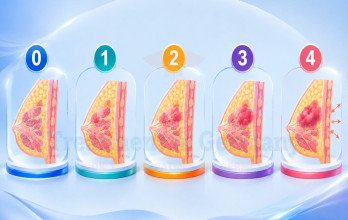
Breast cancer staging describes how far the disease has spread, while prognosis depends on several factors beyond stage alone. This guide explains breast cancer stages 0 to 4, including tumor size, lymph-node involvement, and distant metastasis, as well as tumor grade, hormone receptor and HER2 status, survival rates, breast cancer subtypes, and the factors that can influence individual outcomes.
Details →
Breast cancer includes several types and subtypes that differ in where they develop, whether they invade surrounding tissue, and which biomarkers they carry. This guide explains DCIS, LCIS, invasive ductal and lobular carcinoma, hormone receptor-positive, HER2-positive, and triple-negative breast cancer, along with other less common forms and how these classifications can influence diagnosis and treatment.
Details →
Breast cancer screening and diagnostic tests help doctors detect and evaluate breast abnormalities at different stages. This guide covers the main imaging methods, including mammography, ultrasound, and MRI, as well as biopsy and receptor testing used to confirm and characterize breast cancer. It also explains screening recommendations for different risk groups and the breast cancer diagnostic pathway in Germany.
Details →
Breast cancer symptoms can range from a distinct lump to subtle skin or nipple changes, and some early cases cause no symptoms at all. This article explains the warning signs to watch for, how symptoms differ in men and in specific subtypes such as inflammatory breast cancer and Paget disease, and the genetic, hormonal, and lifestyle factors that influence individual risk. It also covers which breast changes need medical evaluation and how international patients can access specialised diagnostic and treatment pathways in Germany through coordinated support.
Details →
Breast cancer treatment now depends heavily on tumour biology, and immunotherapy has become a key option for certain subtypes. This article explains how breast cancer is diagnosed and staged in Germany, the standard treatment options, and how immunotherapy works through checkpoint inhibitors and dendritic cell therapy. It covers who benefits by subtype, how immunotherapy compares with chemotherapy, side effects and their management, survival by stage, treatment costs, leading centres and how international patients arrange a specialist second opinion.
Details →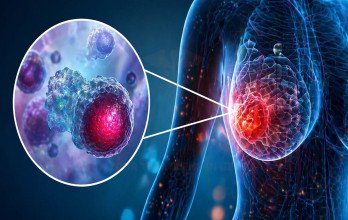
Triple-negative breast cancer (TNBC) is an aggressive subtype of breast cancer that lacks estrogen, progesterone, and HER2 receptors, making it more challenging to treat with conventional targeted therapies. This form of cancer often grows rapidly and may spread earlier than other types, which is why early recognition of early signs of breast cancer is extremely important. Patients diagnosed with this condition often require advanced and multi-layered TNBC treatment strategies, for which variety of options including cancer immunotherapy in Germany, to improve outcomes and manage disease progression effectively.
Details →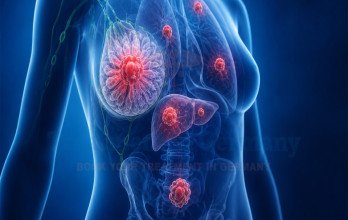
Metastatic triple-negative breast cancer (mTNBC) is an aggressive form of breast cancer that has spread beyond the breast to other parts of the body. Treatment in Germany combines personalized care with advanced therapies based on the tumor's biomarkers and the patient's overall health. This article covers immunotherapy, targeted therapy, dendritic cell therapy, TACP, TACE, survival outcomes, treatment costs, and specialist care. Contact TIG GmbH for a free medical report review.
Details →
Learn about Triple Negative Breast Cancer (TNBC) treatment options in Germany, including chemotherapy, dendritic cell immunotherapy, TACP, and TACE therapy with coordinated support for international patients.
Details →
Triple-Negative Breast Cancer treatment in Germany including dendritic cell therapy, TACE, TACP, and complete logistical support through TIG.
Details →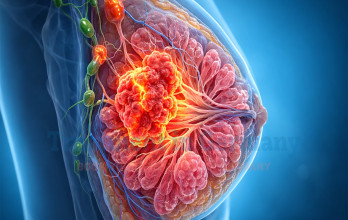
Stage 4 breast cancer treatment in Germany including TACE, TACP, and dendritic cell therapy with coordinated treatment through Treatment in Germany (TIG).
Details →
Learn about lung metastases from breast cancer, stage IV treatment options, and advanced treatment pathways in Germany with coordinated support through TIG.
Details →
Explore advanced breast cancer treatment in Germany, including dendritic cell therapy, TACE and TACP treatments, diagnostics, clinical trials, and complete international patient support through TIG.
Details →
Learn how TACE therapy in Germany helps manage breast cancer with liver metastases through targeted chemotherapy, expert care, and full international patient support via TIG.
Details →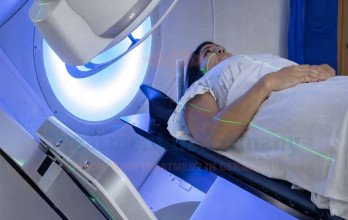
Learn about radiation therapy for breast cancer in Germany, including treatment planning, side effects, and advanced supportive therapies for international patients.
Details →
Breast cancer removal depends on cancer type, stage, and patient health. Learn how doctors determine the best way to remove breast cancer and why many international patients choose treatment in Germany.
Details →
Stage 4 breast cancer treatment in Germany offers advanced options like dendritic cell therapy, TACE, and TACP, led by experienced oncologists with full support provided to international patients.
Details →
Secondary breast cancer treatment in Germany includes TACE treatment , TACP, and dendritic cell therapy in Germany, with full support for international patients and treatment guided by experienced German specialists.
Details →
Advanced stage 4 breast cancer treatment in Germany combines dendritic cell therapy, TACP, and TACE therapy, guided by expert German specialists with full support for international patients throughout their treatment journey.
Details →
Learn about advanced treatments for breast cancer with liver and lung metastasis in Germany, including Dendritic Cell Therapy, TACE, and TACP, available for international patients with full coordination and visa support (if needed)
Details →
Our benefits:
.webp)
 (1).webp)

.webp)
.jpg)

 (1).webp)
.jpg)