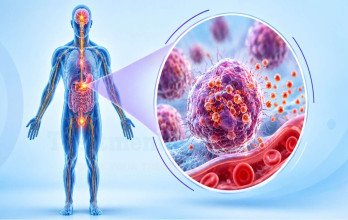
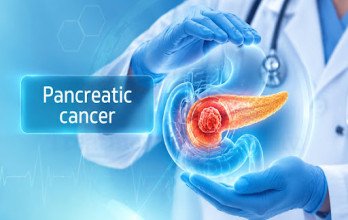
Pancreatic cancer treatment costs in Germany vary according to the treatment pathway and services required. This article covers guide prices for surgery, chemotherapy, chemoradiation and specialised procedures, explains diagnostic and staging costs, outlines what a German treatment quotation may include, and shows how to compare pancreatic cancer centres by experience, capabilities and cost transparency.
Details →
International patients often seek a specialist pancreatic cancer opinion in Germany when the diagnosis, extent of disease or possibility of surgery is uncertain. This article explains how a German centre reviews medical records, scans and pathology, how treatment planning may differ by disease setting, how multidisciplinary teams reach recommendations, and how treatment and follow-up can continue between Germany and the patient’s home country.
Details →
Pancreatic neuroendocrine tumor treatment in Germany may include surgery, organ-preserving approaches and active surveillance for localized tumors. Advanced disease may require hormone control, systemic medicines, chemotherapy or PRRT, while selected liver metastases can be treated with surgery, ablation or liver-directed therapies. The article also covers treatment after progression, long-term follow-up and multidisciplinary NET care in Germany.
Details →
Lutetium-177-DOTATATE is a receptor-directed radioligand treatment used for advanced, somatostatin-receptor-positive pancreatic neuroendocrine tumors. This guide explains who may be suitable for PRRT, how receptor imaging supports treatment decisions, what happens during treatment, and the possible side effects. It also covers follow-up, treatment response, liver metastases, repeat PRRT, and how treatment is organised at specialist centres in Germany.
Details →
Pancreatic cancer survival statistics describe groups rather than individuals. This article explains five-year survival rates and how they differ by stage, the difference between median survival, average survival and life expectancy, and the disease, tumour, patient and treatment factors that shape prognosis. It also covers survival after surgery, the effect of recurrence, remission versus cure, and how an individual prognosis is reassessed over the course of treatment.
Details →
TACE for pancreatic cancer is a selective, liver-directed treatment used in selected patients with liver metastases. The procedure delivers chemotherapy to vessels supplying the target tumour and uses embolization to reduce blood flow. The article covers treatment planning, the procedure, recovery, risks, goals, follow-up and current evidence, including German clinical experience, while explaining why TACE is not established as routine standard treatment.
Details →
Immunotherapy may offer a treatment option for selected patients with pancreatic cancer, particularly those with MSI-H, dMMR or TMB-H biomarkers. Treatment approaches discussed include pembrolizumab, other checkpoint inhibitors, cancer vaccines, CAR-T therapy and dendritic cell therapy. The article also covers clinical trials, immune-related side effects, treatment monitoring, specialist care in Germany and follow-up considerations.
Details →
Targeted therapy for pancreatic cancer focuses on molecular changes that may help doctors match a tumour with a specific treatment. The article explains molecular and genetic testing, who may be eligible for treatments such as PARP inhibitors, other biomarker-matched options, and the role of KRAS-directed approaches. It also covers treatment planning, possible side effects, monitoring, and how targeted therapy may fit into overall pancreatic cancer care.
Details →
Pancreatic cancer chemotherapy may be used before or after surgery or when the cancer cannot be removed. Treatment can include FOLFIRINOX, gemcitabine-based regimens, and NALIRIFOX, depending on the disease and the patient’s overall condition. It also covers treatment cycles, monitoring, side effects, recovery, and how chemotherapy is coordinated within specialist pancreatic cancer care in Germany.
Details →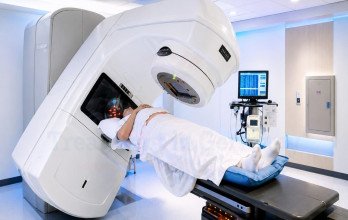
Radiation therapy may play a role in the treatment of pancreatic cancer by helping control local disease or relieve symptoms in selected patients. Treatment depends on the cancer stage, tumour location, response to systemic therapy, and overall treatment goals. This article explains available radiation techniques, treatment planning, schedules, possible side effects, recovery, and options for international patients seeking treatment in Germany.
Details →
The Whipple procedure is a major operation used for selected pancreatic tumours, with suitability depending on resectability, tumour characteristics, and the patient’s overall condition. This article covers surgical approaches, preparation, resection and reconstruction, vascular involvement, recovery, complications, nutrition, enzyme replacement, follow-up, costs, and treatment considerations for international patients undergoing surgery in Germany.
Details →
Surgical treatment for pancreatic cancer depends on the tumour’s location and extent, its relationship with nearby blood vessels, and the patient’s overall health. This article explains how these factors influence surgical options and eligibility, while also covering potential risks, recovery, pancreatic function, specialist expertise, treatment planning, and arrangements for international patients.
Details →
Pancreatic cancer diagnosis usually involves several tests, with each providing different information. This article explains how blood tests, CA 19-9, CT, abdominal ultrasound, MRI with MRCP, endoscopic ultrasound, and biopsy are used to investigate suspicious findings. It also explains what each test can show, when further testing may be needed, and how doctors use the results to confirm the diagnosis and assess the extent of the disease before treatment planning.
Details →
Pancreatic cancer includes several tumour types that differ in their cells of origin, biological characteristics, and clinical behaviour. The main types include pancreatic ductal adenocarcinoma (PDAC), neuroendocrine tumours, rare exocrine cancers, and other uncommon pancreatic tumours. Benign, premalignant, cystic, and inflammatory pancreatic lesions can also resemble cancer, making accurate tumour classification important for understanding the diagnosis and planning appropriate clinical management.
Details →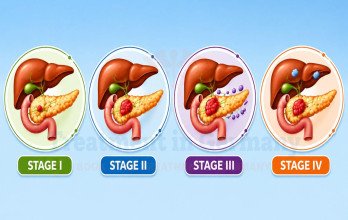
Pancreatic cancer is classified using the TNM system, which describes the primary tumour, lymph-node involvement, and distant spread to determine Stages 1 to 4. This article also explains resectability as a separate but related assessment based on the tumour’s relationship with nearby major blood vessels, helping distinguish resectable, borderline resectable, and locally advanced or unresectable disease and supporting clinical decision-making.
Details →
NanoKnife, or irreversible electroporation (IRE), is a local treatment that may be considered for selected patients with locally advanced pancreatic cancer that cannot be removed surgically. This article explains how NanoKnife works, who may be suitable, the treatment procedure, possible side effects and complications, recovery and follow-up, treatment results, current evidence, and how treatment can be accessed in Germany.
Details →
Dendritic cell therapy (DCT) for pancreatic cancer is a personalised immune-based approach that uses the patient’s own cells to support an immune response against cancer. The treatment involves cell collection, laboratory preparation, administration and follow-up, with eligibility assessed individually. It may be considered alongside established treatments in selected programmes. Current clinical evidence, limitations, safety, clinical research, treatment costs and access to DCT in Germany are also discussed.
Details →
Explore treatment options for pancreatic cancer with liver metastasis in Germany, including TACE treatment and dendritic cell therapy under expert treatment, supported by TIG for international patients.
Details →
Stage 4 pancreatic cancer means the disease has spread beyond the pancreas to distant organs. Treatment focuses on controlling the cancer, managing symptoms and maintaining quality of life. Depending on the patient’s condition, options may include systemic treatment, selected local therapies, molecular testing and clinical trials. Care is reassessed as the disease responds or progresses, with supportive care and specialist teams involved throughout.
Details →
Our benefits:
.webp)
 (1).webp)
.webp)
.jpg)

 (1).webp)
.jpg)