
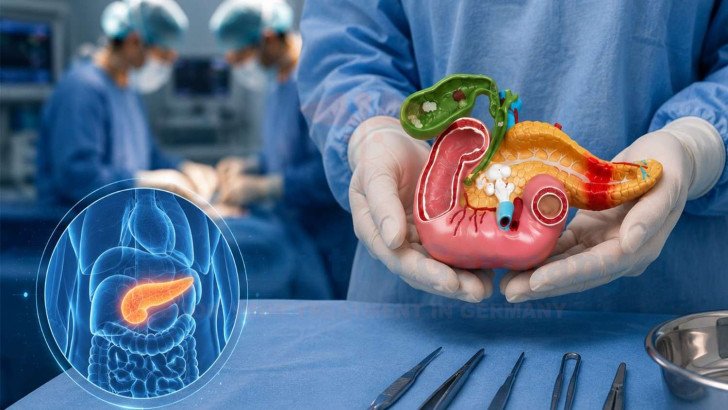
Surgical treatment for pancreatic cancer depends on the tumour’s location and extent, its relationship with nearby blood vessels, and the patient’s overall health. This article explains how these factors influence surgical options and eligibility, while also covering potential risks, recovery, pancreatic function, specialist expertise, treatment planning, and arrangements for international patients.
Pancreatic Cancer Surgery in Germany: Surgical Options and Procedures
Surgical removal is the only treatment with curative potential for pancreatic cancer, although surgery is often combined with systemic treatment as part of the overall treatment plan. The type of operation depends on factors such as the tumour's location, its relationship with nearby blood vessels, and the patient's overall condition. Recovery and further treatment are planned according to the individual situation [1].
Surgical Treatment for Pancreatic Cancer

Pancreatic cancer treatment in Germany may include surgery when the tumour can be removed completely and the patient is well enough for a major operation. Only a minority of patients have tumours that are considered resectable at diagnosis, often estimated at around 15 to 20 percent, so careful patient selection is important. Patients whose cancer is not initially considered resectable may receive other treatments, and in selected cases, treatment can make surgery possible later [1].
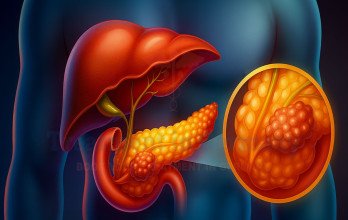
Where the tumour sits and how far it reaches decide the type of operation, since the pancreas has a head, body, and tail, each with different surrounding structures. All of this comes together in a multidisciplinary assessment, where achieving a complete removal is the central goal, because incomplete surgery offers little benefit. Surgery is usually considered as part of an overall treatment plan, which may also include systemic treatment or other approaches depending on the extent of the disease.
Pancreatic Cancer Surgery Options by Tumour Location
The operation is matched to the tumour's location and extent, with each procedure removing a different part of the pancreas and serving a specific clinical purpose. The main pancreatic operations by tumour location.

The Whipple procedure or pancreaticoduodenectomy, is the standard pancreatic resection for many tumors located in the head of the pancreas and is covered in detail in our dedicated Whipple guide. Distal pancreatectomy is used for tumours in the body or tail, while total pancreatectomy may be considered when disease involves a large part of the pancreas. Central pancreatectomy has a much more selective role and may be considered for carefully chosen tumours in the central pancreas when preserving pancreatic tissue is an important priority. It is not a standard operation for most pancreatic ductal adenocarcinomas [1].
The choice of operation depends on the tumour's location and extent and relationship with adjacent structures, and the type of oncologically appropriate resection that can be achieved. Whether surgery is appropriate also depends on its relationship with nearby blood vessels and whether the cancer has spread.
Surgical Approaches for Pancreatic Cancer
Beyond which part of the pancreas is removed, surgeons choose how to access it [4]:
- Open surgery, through one larger incision, remains standard for the most complex cases.
- Laparoscopic surgery uses several small incisions and a camera.
- Robotic surgery adds a surgeon-controlled robotic system for fine, minimally invasive work.
For selected tumours in the body or tail of the pancreas, minimally invasive surgery may offer favourable short-term outcomes while maintaining oncological results comparable to open surgery when performed in appropriately selected patients at experienced centres. The choice depends on the planned operation, the patient's anatomy and overall health, and the experience of the surgical team with the specific procedure [4].
Blood Vessel Involvement in Pancreatic Cancer Surgery
The pancreas sits against several major blood vessels, the tumor's relationship with these vessels is a major determinant of whether an appropriate surgical resection is technically feasible. Limited contact with a vein is very different from a tumour that encircles an artery, and this assessment is closely tied to whether a tumour is removable [2].

When a vein such as the portal or superior mesenteric vein is involved, surgeons can often remove and reconstruct the affected segment. Venous resection and reconstruction are established procedures in experienced pancreatic surgery centres and may make surgery possible for selected patients when they can be performed safely. Arterial involvement is more demanding and carries higher risk, so arterial resection is reserved for carefully selected patients, often after other treatment has been given first. The significance of vessel involvement depends on the specific blood vessel affected and the extent of the tumour's contact with it [2].
Factors That Determine Eligibility for Pancreatic Cancer Surgery

Before recommending an operation, the team weighs several factors together, since a tumour that looks removable on a scan is only part of the picture:
- Tumour location and extent, including its relationship with nearby blood vessels and structures.
- Whether distant metastases are present.
- Whether surgery appears technically feasible with curative intent.
- Overall health, organ function, and fitness for major surgery.
- Other medical conditions that may affect operative risk.
These factors are considered together to determine whether surgery is appropriate for the individual patient and whether it can be performed with curative intent [1].
Risks and Complications of Pancreatic Cancer Surgery
Pancreatic surgery is major abdominal surgery and carries a significant risk of complications. Reported complication and mortality rates vary according to the type of operation, the patient's condition, and the experience of the treating centre. The most common complications include pancreatic fistula, delayed gastric emptying, bleeding, infection and changes in digestive or pancreatic function [3].

A pancreatic fistula, which involves leakage of pancreatic fluid after surgery, is one of the characteristic complications following pancreatic surgery, reported in roughly 10 to 30 percent of cases, while delayed gastric emptying and post-operative bleeding are the other main concerns [3]. The categories teams watch for include:
- Pancreatic fistula or leak, and post-operative bleeding.
- Delayed gastric emptying, where the stomach is slow to empty.
- Infection, at the wound or inside the abdomen.
- Changes in pancreatic function that can affect digestion or blood sugar.
More extensive resections may carry a higher risk of complications. Many complications can be managed without another major operation, depending on their type and severity, while early detection and prompt treatment remain important parts of postoperative care.
Recovery After Pancreatic Cancer Surgery

Recovery begins in hospital and continues gradually after discharge. Its pace varies according to the type and extent of the operation, complications, overall fitness, and the wider treatment plan.
- Close monitoring for complications in the first days after surgery.
- Pain control and a slow, guided return to eating and activity.
- Nutritional support, with enzyme replacement where digestion needs help.
- Follow-up after discharge to track recovery and any late effects.
Digestive and nutritional support is a normal part of the process. Some patients need pancreatic enzyme replacement to digest food, and those who lose enough gland tissue may need insulin, which is why nutrition and blood-sugar are followed closely after surgery. Recovery varies according to the type and extent of the operation. Recovery after a total pancreatectomy is often more demanding than after a smaller resection, while complications, overall fitness, and the wider treatment plan can also affect the pace of recovery. For this reason, a single fixed recovery timeline is not appropriate for every patient [3].
Pancreatic Cancer Surgery Consultation in Germany
International patients considering pancreatic cancer surgery in Germany can have their existing imaging, pathology and treatment history reviewed by a specialist team. The consultation can help assess surgical feasibility, the likely type of operation and whether complex factors such as vascular involvement may require specialist pancreatic surgical expertise.The consultation can help assess surgical feasibility, the likely type of operation and whether complex factors such as vascular involvement may require specialist pancreatic surgical expertise.
How can I get a second opinion on pancreatic cancer surgery in Germany?
A specialist review can provide an independent assessment of whether surgery may be feasible and help clarify the proposed surgical approach, particularly when the case is complex or previous recommendations have differed.
TIG GmbH (Treatment in Germany) can help facilitate medical-record and imaging review, connect suitable patients with relevant pancreatic surgery specialists, and coordinate specialist consultations where applicable. The German medical team remains responsible for surgical assessment, treatment recommendations and clinical care.
Experience and Expertise in Pancreatic Cancer Surgery

Pancreatic surgery is a complex and highly specialised area of surgery, making surgeon experience and institutional expertise important considerations. Centralising these procedures in higher-volume centres is linked to lower perioperative mortality, which is why institutional expertise and surgical volume are worth weighing [3].
Surgical outcomes also depend on the wider specialist team and the quality of perioperative support. Important elements of specialist perioperative care include:
- Skilled perioperative and intensive-care support.
- Interventional radiology on hand to treat complications without more surgery.
- Specialist nursing and nutritional care through recovery.
Patients may benefit from considering the experience and resources of the entire pancreatic cancer programme, including multidisciplinary care, perioperative support, and specialist services, rather than evaluating a surgeon in isolation.
Surgery Within the Overall Pancreatic Cancer Treatment Plan

Surgery is often combined with other treatments as part of the overall management of pancreatic cancer. It is often combined with systemic treatment, and sometimes radiation, in a sequence the team designs around the individual tumour. For some patients, systemic treatment may be given before surgery as part of the treatment strategy, while for others, additional treatment may be recommended after the operation [1].
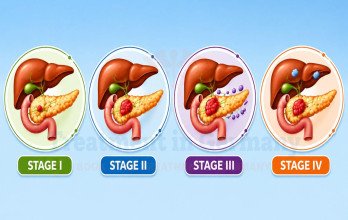
Surgery is also not right for every stage or tumour, and in stage 4 pancreatic cancer, or when the tumour cannot be removed safely, the plan shifts toward other approaches. The order of treatment depends on the extent of the disease, tumour characteristics, previous treatment, and the patient's overall condition. Multidisciplinary treatment planning helps determine the most appropriate sequence of care.Because pancreatic surgery can involve major procedures, hospitalisation and postoperative care, pancreatic cancer treatment costs in Germany vary according to the operation and services included in the treatment plan.
References
Why Patients Worldwide Prefer Our Medical Services in Germany – Key Benefits Explained





























.webp)
 (1).webp)

.webp)

.jpg)

 (1).webp)

.jpg)