

Advanced colon cancer treatment in Germany including dendritic cell therapy, advanced diagnostics, and coordinated treatment for international patients through Treatment in Germany (TIG).
Advanced Colon Cancer Treatment with Dendritic Cell Therapy in Germany
Advanced colon cancer refers to colorectal malignancy that has spread beyond the inner lining of the colon to nearby lymph nodes or distant organs such as colon cancer with liver metastases or lungs. In later stages, the disease becomes systemic, meaning cancer cells circulate beyond the original tumor site. Treatment at this point focuses on long-term disease control, stabilization of metastatic lesions, and preservation of quality of life. Because tumor biology and metastatic distribution vary between patients, therapy must be carefully individualized. Understanding structured approaches to advanced colon cancer management is essential for informed medical decisions.
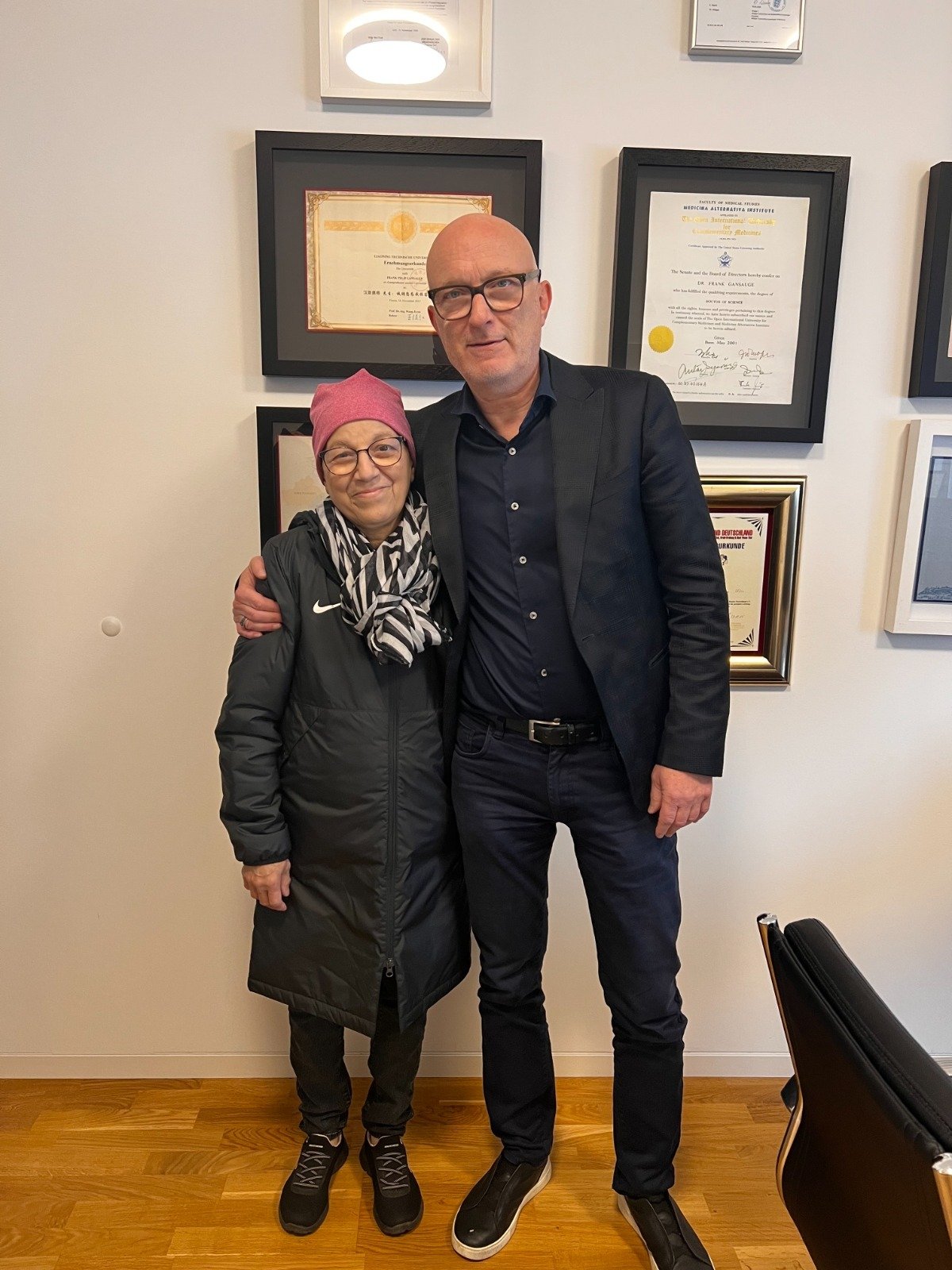
Germany has become a recognized destination for patients seeking new and innovative treatment options for advanced colon cancer, particularly in complex metastatic cases. Treatment planning takes place within specialized German healthcare centers and multidisciplinary German oncology centers, where imaging, pathology, and molecular findings are reviewed in detail. Immune-based strategies such as dendritic cell therapy are associated with the expertise of Prof. Gansauge, known for his focused work in advanced cellular immunotherapy. Many international patients consult specialists regarded among the best oncologist in Germany, attracted by structured treatment pathways and access to latest medical technology in Germany.
Understanding Advanced Colon Cancer

Advanced colon cancer may involve spread to the liver, lungs, abdominal lining, or distant lymph nodes. Once metastasis occurs, therapy must address both visible tumors and microscopic systemic disease. Common symptoms include abdominal discomfort, altered bowel habits, unexplained weight loss, and fatigue. The biological behavior of colon cancer depends on tumor genetics, molecular markers, and previous treatment exposure. Accurate staging and profiling determine whether chemotherapy, interventional procedures, or immune-based therapies are appropriate. Individualized assessment remains central to comprehensive care.
Advanced Diagnostics for Advanced Colon Cancer in Germany
Precise staging is essential before initiating immune-based therapy. In Germany, advanced diagnostics include colonoscopy with biopsy, molecular testing, and imaging such as CT scans, MRI, and PET scans to determine metastatic distribution.
These imaging techniques are supported by latest medical technology in Germany, allowing detailed anatomical mapping and treatment planning accuracy. Molecular profiling may identify genetic mutations influencing therapy decisions. Findings are reviewed within multidisciplinary tumor boards at German oncology centers, ensuring coordinated strategies. Standard systemic therapy for metastatic colon cancer typically includes combination chemotherapy and targeted agents, with immune checkpoint inhibitors recommended for selected molecular subtypes.
Dendritic Cell Therapy for Advanced Colon Cancer in Germany

Dendritic cell therapy represents an immune-based strategy designed to enhance the body’s recognition of colon cancer cells. In advanced disease, tumors may evade immune detection, limiting the effectiveness of natural immune responses. The dendritic cell vaccine approach aims to stimulate T-cell activation by presenting tumor-associated antigens to the immune system. This strategy is integrated alongside standard treatments rather than replacing them.
The therapy begins with the collection of immune cells (monocytes) from the patient’s blood under medical supervision. These cells are carefully isolated in a sterile clinical environment to preserve viability and biological function. Strict handling protocols ensure optimal quality before laboratory processing. Continuous monitoring during the collection phase maintains patient stability and safety.
Collected cells are transferred to an EU GMP certified laboratory, where they are cultured under strictly regulated and quality-controlled conditions. Within this controlled environment, the monocytes are exposed to tumor-associated antigens derived from colon cancer tissue. This exposure supports their development into active dendritic cells capable of presenting cancer markers to T-cells. Comprehensive sterility, purity, and viability testing is performed before administration.
Once prepared, the cells are reintroduced into the patient as a personalized dendritic cell vaccine. This therapy is typically combined with systemic chemotherapy or targeted therapy depending on tumor biology and disease burden. Ongoing monitoring evaluates immune response and clinical tolerance throughout the treatment course. The cost of Dendritic Cell Therapy in Germany is €27,000, covering immune cell collection, laboratory processing, preparation, and administration. This cellular immunotherapy remains investigational and is considered in highly selected patients within regulated clinical programs
Combining Immune-Based Therapy with Standard Treatment
Advanced colon cancer management often includes systemic chemotherapy as a primary component of treatment. In selected patients, immune-based therapy may complement systemic treatment to enhance immune surveillance. The combination approach is carefully evaluated within multidisciplinary tumor boards.
Treatment planning within German healthcare centers emphasizes individualized strategies based on tumor genetics and metastatic pattern. Continuous reassessment through imaging ensures adaptive management. Multidisciplinary coordination within German oncology centers supports structured long-term care.
New Clinical Trials for Advanced Colon Cancer in Germany
Patients with treatment-resistant or progressive disease may be evaluated for participation in new clinical trials for Advanced Colon Cancer. These research programs investigate emerging immunotherapies and targeted approaches under strict regulatory oversight. Clinical research standards align with international frameworks referenced by the Australian Cancer Society, emphasizing patient safety and scientific transparency. Eligibility requires formal evaluation within accredited German oncology centers.
Limitations and Considerations for Advanced Colon Cancer Treatment
Not every patient with advanced colon cancer is an appropriate candidate for immune-based therapies such as dendritic cell treatment. Careful medical assessment by the treating physician is required to evaluate immune competence, liver and kidney function, metastatic distribution, prior treatment history, and overall clinical stability. In situations where the disease is widespread or the patient’s physical condition is compromised, systemic chemotherapy may remain the most suitable primary strategy. Treatment decisions are made within multidisciplinary teams at specialized German oncology centers, ensuring that advanced immune approaches are recommended only when medically justified and safe.
Continuous monitoring is a critical component of advanced colon cancer management. Imaging studies such as CT scans, MRI, and PET scans are performed at regular intervals to assess treatment response, detect new lesions, and guide therapeutic adjustments. Laboratory testing and clinical evaluation complement imaging findings to provide a comprehensive picture of disease activity. Management focuses on long-term disease control, symptom reduction, and preservation of quality of life rather than guaranteed cure. Care within German Healthcare centers emphasizes structured follow-up and individualized adaptation of therapy as the disease evolves.

International Patient Support through Treatment in Germany
Access to advanced management for advanced colon cancer involves more than clinical decision-making; it requires careful logistical coordination, especially for international patients seeking specialized therapies such as Immunotherapy Dendritic cell therapy, through treatment in Germany (TIG), medical documentation is reviewed in advance to facilitate appropriate specialist referral and structured treatment planning within experienced oncology centers. This preliminary evaluation by the treating physician helps align the patient’s clinical condition with available therapeutic options before travel arrangements are finalized.
Treatment in Germany (TIG) at www.treatmentingermany.de provides comprehensive logistical assistance, including hospital coordination, appointment scheduling, travel planning, and medical visa support when required. By organizing these administrative components in advance, patients can focus on clinical evaluation and multidisciplinary consultation upon arrival. Individuals considering advanced and innovative treatment approaches may get a free consultation with TIG (Treatment in Germany) to receive structured guidance and coordinated access to specialized cancer programs in Germany.
🌍Why Patients Worldwide Prefer Our Medical Services in Germany – Key Benefits Explained:























.webp)
 (1).webp)

.webp)
.jpg)

 (1).webp)
.jpg)