
Learn the difference between Stage 3 and Stage 4 colon cancer and explore advanced colon cancer treatment in Germany, including TACE, TACP, and dendritic cell immunotherapy with TIG support.
Difference between Stage 3 and Stage 4 Colon Cancer in Germany
Colon cancer progresses in clearly defined stages, and understanding the difference between Stage 3 and Stage 4 colon cancer in Germany, is essential for making informed treatment decisions. While both stages are considered advanced, they differ significantly in disease spread, treatment goals, and long-term management strategies. Germany has become a preferred destination for patients seeking advanced colon cancer treatment in Germany, supported by structured diagnostics, regulated oncology planning, and access to new and innovative treatment options in Germany.
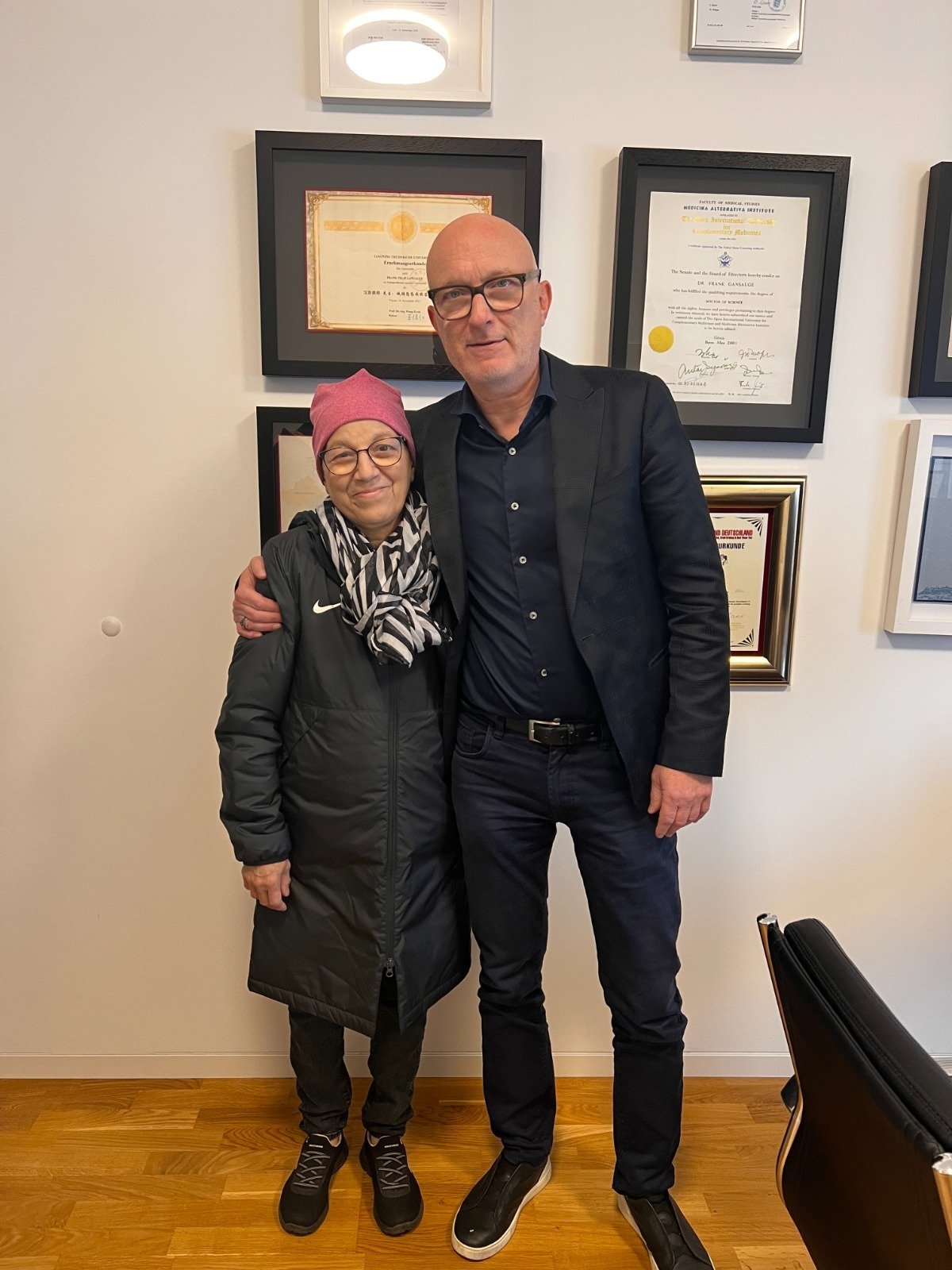
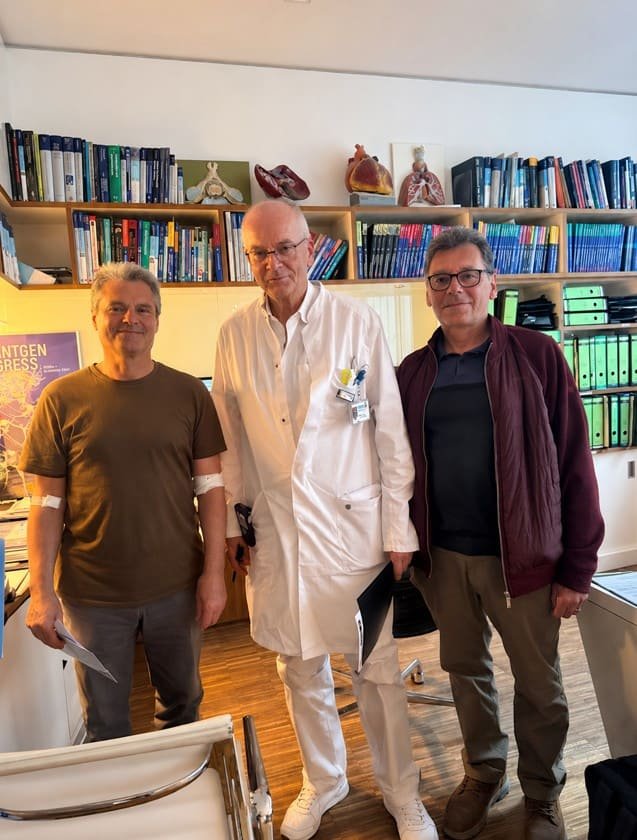
Germany’s oncology system is built around evidence-based planning and specialist-led treatment. Advanced treatment pathways are guided by experienced experts such as Prof. Vogl, who is internationally respected for his extensive experience in image-guided interventional oncology procedures, and Prof. Gansauge, known for his focused work in advanced cell-based cancer immunotherapy. International patients receive complete logistical arrangements through Treatment in Germany (TIG) at www.treatmentingermany.de , ensuring treatment access through structured and transparent pathways.
Understanding Colon Cancer Progression
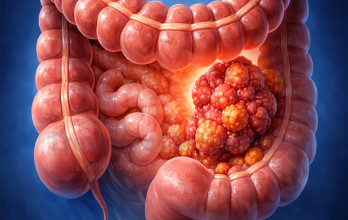
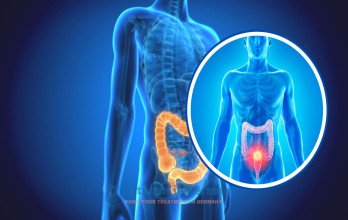
Colon cancer develops when abnormal cells grow uncontrollably in the colon lining. In early stages, the disease may remain localized. As cancer progresses, it can spread to lymph nodes and, in more advanced stages, to distant organs. The distinction between Stage 3 and Stage 4 colon cancer lies primarily in how far the disease has spread beyond the colon.
Accurate staging is critical because treatment planning depends not only on tumor size but also on spread patterns, tumor biology, and patient health status. This is why German healthcare centers emphasize structured diagnostics, including CT scans, MRI, and PET scans, before recommending advanced therapies.
What Is Stage 3 Colon Cancer?
Stage 3 colon cancer means that cancer has spread beyond the colon wall into nearby lymph nodes but has not reached distant organs. At this stage, the disease is still considered regionally advanced rather than systemic.
Treatment planning for Stage 3 colon cancer focuses on removing or controlling the primary tumor and managing lymph node involvement. In Germany, treatment pathways are designed to reduce recurrence risk while preserving patient quality of life. Continuous reassessment plays an important role, especially for patients who may later develop metastatic disease.
What Is Stage 4 Colon Cancer?
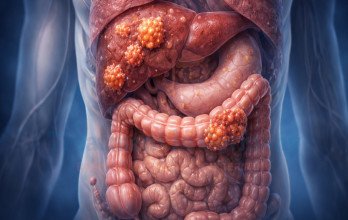
Stage 4 colon cancer indicates that cancer cells have spread beyond the colon and lymph nodes to distant organs. Common sites include colon cancer with liver metastases, lungs, and peritoneum. When this happens, the disease becomes systemic, and treatment goals shift toward long-term disease control rather than cure through localized treatment alone.
Patients with colon cancer with liver metastasis often require a combination of systemic and targeted approaches. Germany is frequently chosen for Stage 4 colon cancer treatment because of its organized oncology structure and access to advanced interventional and immune-based therapies.
Key Differences between Stage 3 and Stage 4 Colon Cancer

The primary difference lies in disease spread. Stage 3 involves regional lymph nodes, while Stage 4 involves distant organs. This difference affects treatment goals, complexity, and long-term planning.
Stage 3 treatment often aims to prevent progression, while Stage 4 treatment focuses on controlling disease activity, managing symptoms, and maintaining quality of life. German oncology centers emphasize personalized treatment strategies for both stages, adapting therapy as the disease evolves.
Diagnostic Approach for Advanced Colon Cancer in Germany
Accurate staging and treatment planning rely on advanced diagnostics. German oncology centers use high-resolution CT scans, MRI, and PET scans to assess tumor location, spread patterns, and disease activity. These imaging tools help doctors determine whether targeted interventional therapies are appropriate alongside systemic approaches.
Structured diagnostics reduce uncertainty and support safer treatment decisions, which is why many international patients choose advanced colon cancer treatment in Germany.
TACE Treatment for Advanced Colon Cancer in Germany

TACE Treatment for Advanced Colon Cancer in Germany is an interventional oncology procedure most commonly evaluated when advanced colon cancer has spread to the liver and localized tumor control is required. This approach is designed to target dominant liver lesions while limiting unnecessary exposure to the rest of the body.
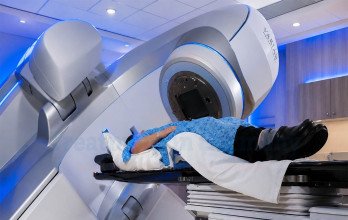
During TACE Treatment, chemotherapy is delivered directly into the blood vessels supplying the tumor, followed by embolic particles that block these vessels. This dual mechanism traps chemotherapy within the tumor area and blocks the blood flow that supports tumor growth. By concentrating treatment at the tumor site, this approach maximizes local impact while helping reduce systemic toxicity.
Before treatment, imaging studies are reviewed to assess tumor number, size, and vascular patterns. During the procedure, a catheter is guided into the tumor-feeding circulation using imaging guidance. After treatment, patients are monitored closely, and follow-up imaging is used to evaluate response and plan further management if needed.
The cost of TACE Treatment in Germany typically ranges between €8,000 and €9,000 per session, depending on clinical complexity and planning requirements.
TACP Treatment for Colon Cancer in Germany

TACP Treatment or Transarterial Chemoperfusion for Advanced Colon Cancer is another interventional oncology option evaluated in advanced colon cancer cases. This therapy delivers chemotherapy directly into arteries supplying tumor tissue while maintaining blood flow, which helps protect surrounding healthy structures.
TACP Treatment in Germany is considered when regional tumor control is needed, especially in patients with dominant metastatic sites contributing to disease burden. Angiographic planning identifies the arterial supply, after which chemotherapy is infused in a controlled manner.
Patients are monitored during and after treatment, and follow-up assessments determine whether additional sessions are needed. The cost of TACP Treatment in Germany generally ranges from €8,000 to €9,000 per session, depending on individual planning.
Immunotherapy Dendritic Cell Therapy for Colon Cancer in Germany

Immunotherapy Dendritic Cell Therapy in Germany is a personalized immune-based treatment designed to support immune recognition of colon cancer cells. Rather than directly destroying tumors, this therapy focuses on immune education and immune surveillance.
The process begins with a medical evaluation to confirm suitability. A blood sample is collected, and immune cells (monocytes) are isolated in an EU GMP certified laboratory. These monocytes are cultured and exposed to tumor-specific antigens, allowing them to mature into dendritic cells capable of presenting cancer markers to the immune system.
After safety and quality checks, the prepared dendritic cells are administered back to the patient as a personalized vaccine. Patients are monitored throughout treatment. The cost of Immunotherapy Dendritic Cell Therapy in Germany generally ranges between approximately €24,000 and €26,000, including immune cell collection, laboratory processing in an EU GMP certified facility, personalized vaccine preparation, and supervised administration. This therapy is evaluated for all solid tumors, including advanced colon cancer, as part of a comprehensive, long-term disease management strategy.
Combining New Treatments for Advanced Colon Cancer in Germany
In many Stage 4 cases, German oncology teams evaluate combining TACE Treatment, TACP Treatment, and Immunotherapy Dendritic Cell Therapy in Germany as part of a personalized disease-management strategy. This integrated approach allows doctors to address both localized tumor activity and systemic immune support while adapting treatment over time.

New Clinical Trials for Advanced Colon Cancer in Germany
Germany actively supports oncology research under strict ethical and regulatory oversight. Some patients with advanced colon cancer may be evaluated for new clinical trials in Germany, depending on tumor biology, prior treatments, and overall health status. Trial availability varies and is assessed through formal medical review.
Clinical research standards in Germany align with global oncology principles referenced by organizations such as the Canadian Cancer Society, emphasizing patient safety and evidence-based evaluation.
International Patient Support through Treatment in Germany
International patients benefit from complete logistical coordination through Treatment in Germany (TIG) at www.treatmentingermany.de . Services include medical coordination, hospital appointments, travel planning, and medical visa assistance if required. This allows patients to focus fully on treatment and recovery.
🌍Why Patients Worldwide Prefer Our Medical Services in Germany – Key Benefits Explained:


















.webp)
 (1).webp)

.webp)

.jpg)

 (1).webp)

.jpg)