

Explore stage 4 (metastatic) colon cancer clinical trials in Germany, including TACE Treatment, TACP Treatment, and Immunotherapy Dendritic Cell Therapy, with expert care and complete international patient support through TIG.
Stage 4 (Metastatic) Colon Cancer Clinical Trials
Stage 4 (metastatic) colon cancer refers to advanced disease in which cancer cells originating in the colon have spread to distant organs such as colon cancer with liver metastatic, lungs, or abdominal lining. At this stage, the disease is considered systemic, meaning treatment decisions are no longer focused on one tumor location alone. Instead, the goal shifts toward long-term disease control, symptom reduction, and maintaining quality of life through structured, carefully monitored treatment strategies.
Germany has become a leading destination for advanced colon cancer treatment, particularly for patients seeking access to clinical trials for stage 4 colon cancer, regulated oncology care, and advanced procedural options. Treatment planning in Germany is guided by multidisciplinary teams, including interventional oncology and immune-based therapy programs.
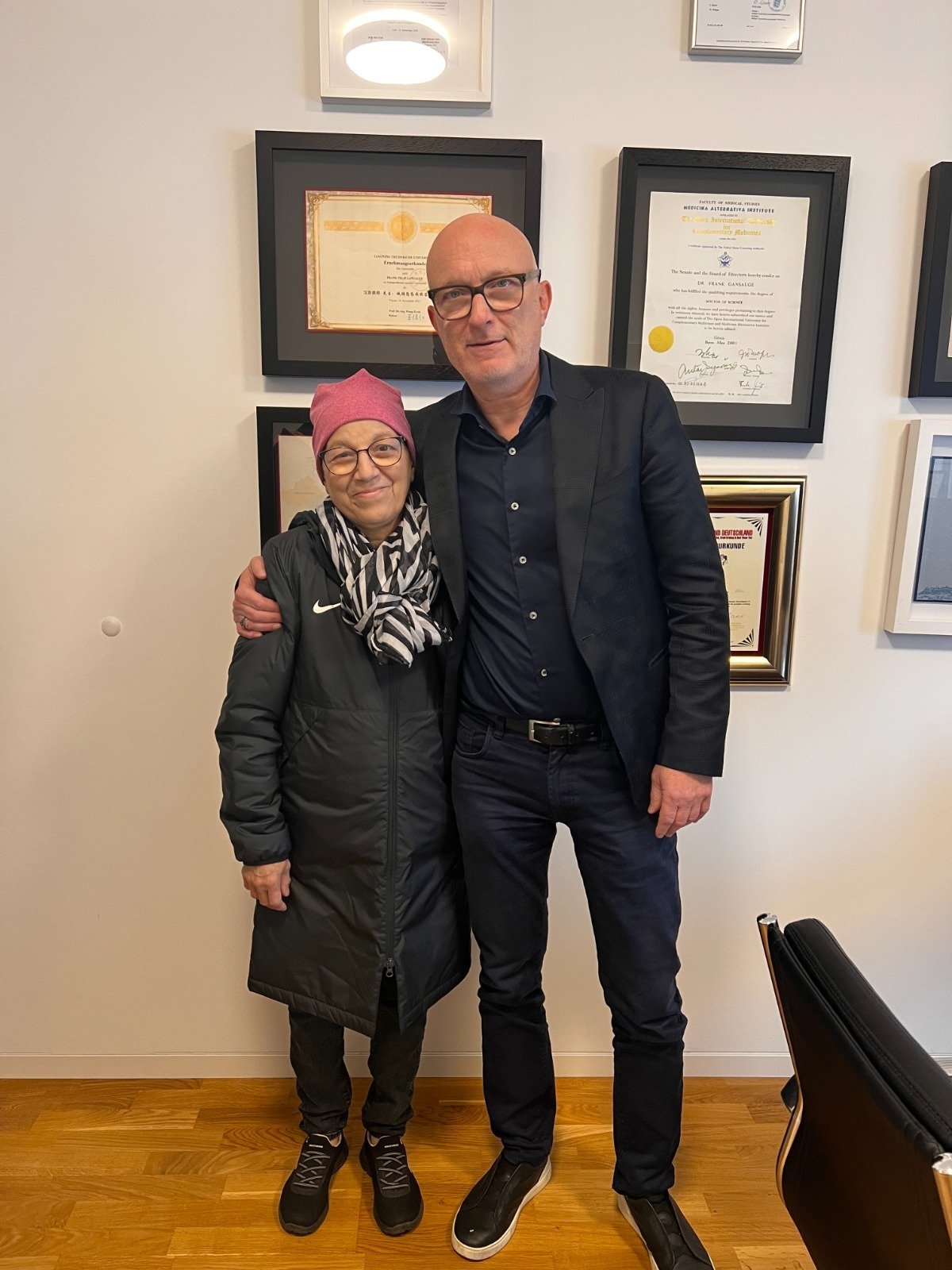
Specialist-led approaches associated with Prof. Vogl, widely known for advanced interventional oncology procedures, and Prof. Gansauge, recognized for his focused work in cell-based cancer immunotherapy, are accessed through coordinated treatment pathways. International patients can get a free consultation with TIG (Treatment in Germany) at www.treatmentingemany.de , which manages complete logistical arrangements so patients can focus fully on treatment.
Understanding Clinical Trials for Stage 4 Colon Cancer

Clinical trials play an important role in the management of metastatic colon cancer, especially when standard therapies offer limited benefit or require additional support. Clinical trials for colon cancer in Germany are conducted under strict ethical oversight and regulatory standards, ensuring patient safety and transparent treatment evaluation.
These trials focus on improving disease control, refining treatment delivery, and integrating innovative treatment options in Germany into structured treatment plans. Trial eligibility is determined by multiple factors, including tumor behavior, spread pattern, prior treatment history, and overall health status. Participation in a clinical trial does not mean experimental care without oversight. Instead, it involves closely monitored therapy under defined protocols within German oncology centers.
Why Germany Is a Preferred Location for Colon Cancer Clinical Trials
Germany is internationally recognized for its organized healthcare system, advanced diagnostics, and access to latest medical technology in Germany, including CT scans, MRI, and PET scans used for precise disease assessment. Treatment planning is supported by evidence-based protocols aligned with guidance principles referenced by organizations such as the Australian Cancer Society.
Patients often choose treatment in Germany because therapy decisions are not rushed. Instead, Treating specialists review the full disease picture before recommending interventional or immune-based options. The presence of experienced teams within German healthcare centers and German oncology centers provides reassurance, especially for international patients navigating complex stage 4 disease.
Role of Interventional Oncology in Stage 4 Colon Cancer Clinical Trials
Interventional oncology procedures are frequently evaluated within stage 4 colon cancer clinical trials, particularly when dominant tumor sites contribute significantly to disease burden. These therapies focus on localized tumor control while limiting unnecessary systemic exposure.
TACE Treatment in Stage 4 Colon Cancer Clinical Trials

TACE Treatment (Transarterial Chemoembolization) is commonly evaluated in metastatic colon cancer clinical trials when colon cancer has spread to the liver and localized disease control is required. This procedure delivers chemotherapy directly into the blood vessels supplying the tumor, followed by embolic agents that blocks the reduce blood flow to the cancer tissue.
By combining targeted drug delivery with embolization, TACE Treatment in Germany allows higher local drug concentration while reducing systemic toxicity. Within clinical trials, TACE is carefully monitored using imaging follow-up to evaluate tumor response and guide further treatment planning. The cost of TACE Treatment in Germany typically ranges between €8,000 and €9,000 per session, depending on individual treatment complexity and trial protocol requirements.
TACP Treatment in Stage 4 Colon Cancer Clinical Trials

TACP Treatment (Transarterial Chemoperfusion) is another interventional oncology approach evaluated in selected clinical trials for stage 4 colon cancer. Unlike embolization-based techniques, TACP delivers chemotherapy directly into tumor-feeding arteries while maintaining blood flow, which helps protect surrounding healthy tissue.
In a clinical trial setting, TACP Treatment in Germany is used when regional tumor control is needed without vessel blockage. Angiographic planning maps tumor blood supply, after which chemotherapy is infused in a controlled manner. Patients are monitored during and after treatment, with follow-up imaging guiding whether additional sessions are required. The cost of TACP Treatment in Germany generally falls within the €8,000 to €9,000 range per session, depending on protocol design and patient-specific planning.
Immunotherapy Dendritic Cell Therapy in Colon Cancer Clinical Trials

Immunotherapy Dendritic Cell Therapy represents one of the most important immune-based strategies evaluated in stage 4 colon cancer clinical trials. Unlike treatments that directly destroy tumor tissue, this approach focuses on immune education and immune surveillance.
The process begins with a medical suitability review. A blood sample is collected, and immune cells (Monocytes) are isolated in an EU GMP-certified laboratory. These cells are cultured and exposed to tumor-specific antigens, allowing them to mature into dendritic cells capable of presenting cancer markers to the immune system.
The prepared cells are administered back to the patient as a personalized dendritic cell vaccine. Patients are monitored throughout the treatment course. Within clinical trial settings, immune response patterns and disease stability are carefully documented. The cost of Immunotherapy Dendritic Cell Therapy in Germany ranges between approximately €24,000 and €26,000, covering immune cell collection, laboratory processing, vaccine preparation, and administration. This therapy is evaluated for all solid tumors, including advanced colon cancer, as part of a comprehensive disease-management strategy.
Combining Treatment Approaches in Colon Cancer Clinical Trials
One of the strengths of clinical trials for metastatic colon cancer in Germany is the ability to evaluate combination strategies. Interventional oncology procedures such as TACE Treatment or TACP Treatment may be combined with systemic approaches and immune-based therapies like Immunotherapy Dendritic Cell Therapy.
German specialists carefully assess how therapies complement each other, ensuring treatments work together rather than overlap unnecessarily. This structured coordination reflects why many international patients seek innovative treatment options in Germany under specialist supervision.

Diagnostics and Monitoring During Clinical Trials
Accurate diagnostics are essential throughout stage 4 colon cancer clinical trials. German centers rely on advanced imaging technologies, including CT scans, MRI, and PET scans, to monitor tumor response and guide ongoing treatment decisions. These tools support timely adjustments and ensure patient safety.
Support for International Patients through TIG
Participating in colon cancer clinical trials in Germany can feel overwhelming for international patients due to travel, documentation, and coordination requirements. Treatment in Germany (TIG) at www.treatmentingermany.de provides complete logistical support, including medical appointments, travel planning, and medical visa assistance where required. Patients can get a free consultation with TIG, allowing them to explore treatment options, clinical trial eligibility, and next steps with clarity and confidence.
🌍Why Patients Worldwide Prefer Our Medical Services in Germany – Key Benefits Explained:























.webp)
 (1).webp)

.webp)


.jpg)

 (1).webp)

.jpg)