

Understand metastatic stage 4 colorectal cancer facts and survival considerations, including TACE treatment and dendritic cell immunotherapy in Germany, with complete logistical support via TIG.
Metastatic stage 4 colorectal cancer refers to cancer that has spread beyond the colon or rectum to distant organs such as colorectal cancer with liver metastases, lungs, or peritoneum. Even after spreading, it remains colorectal cancer based on its origin and biological behavior. Treatment planning at this stage focuses on long-term disease control, symptom management, and maintaining quality of life rather than only removing a primary tumor.
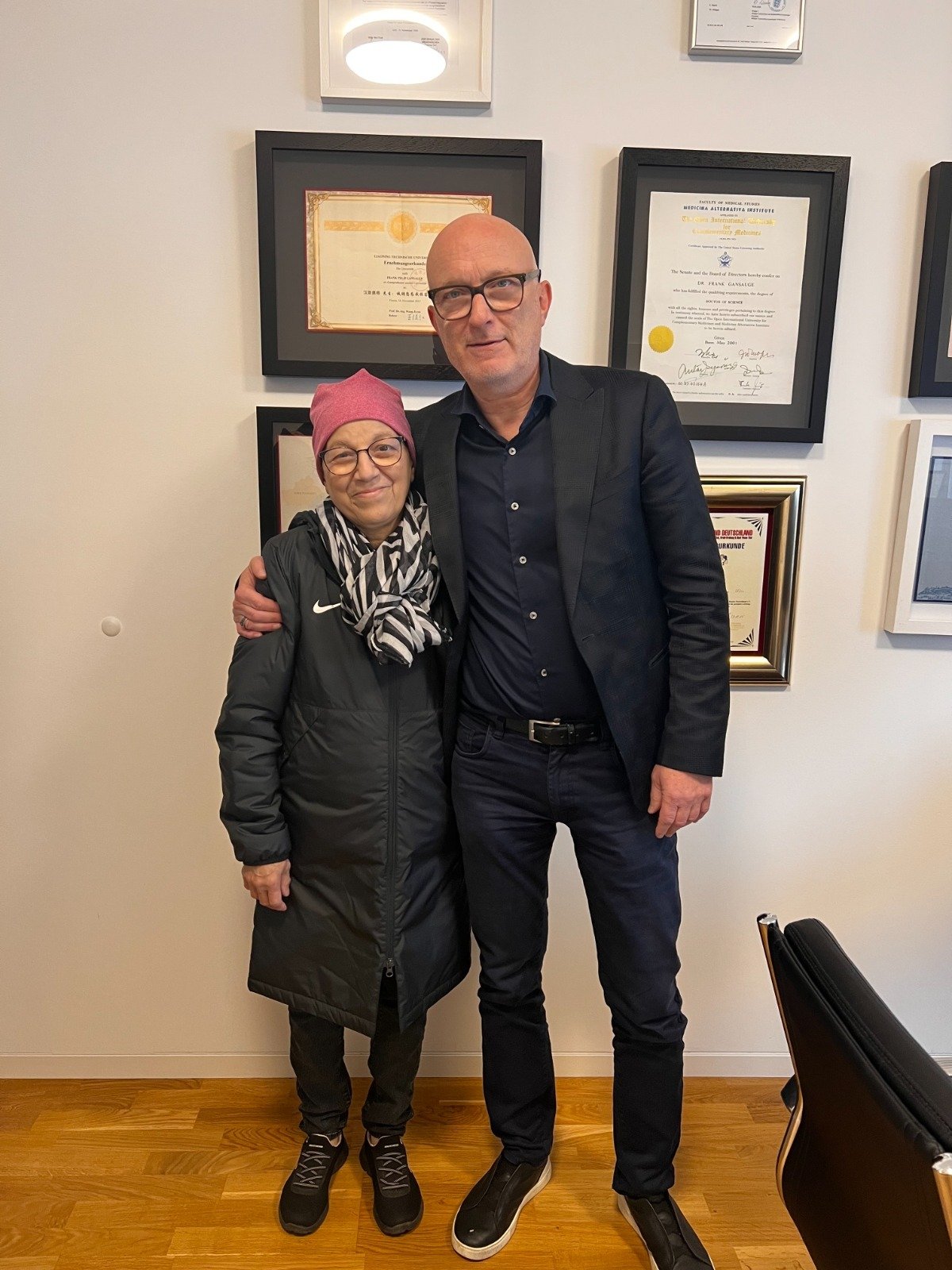
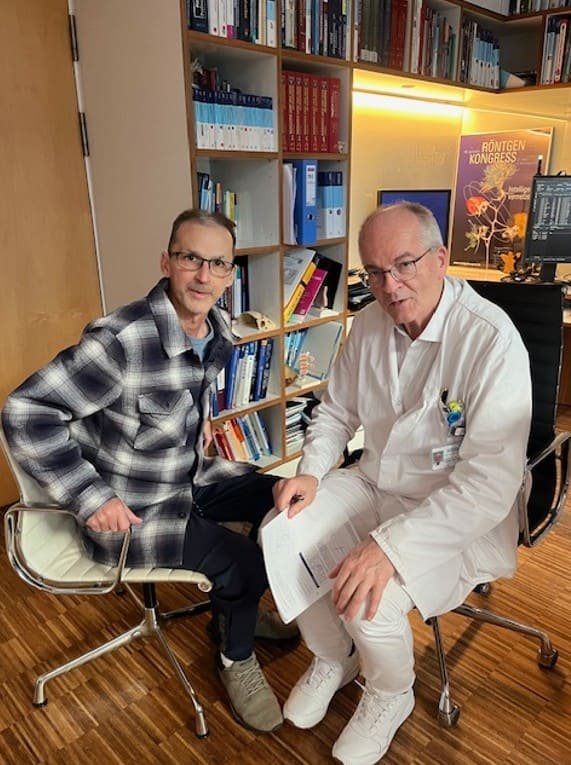
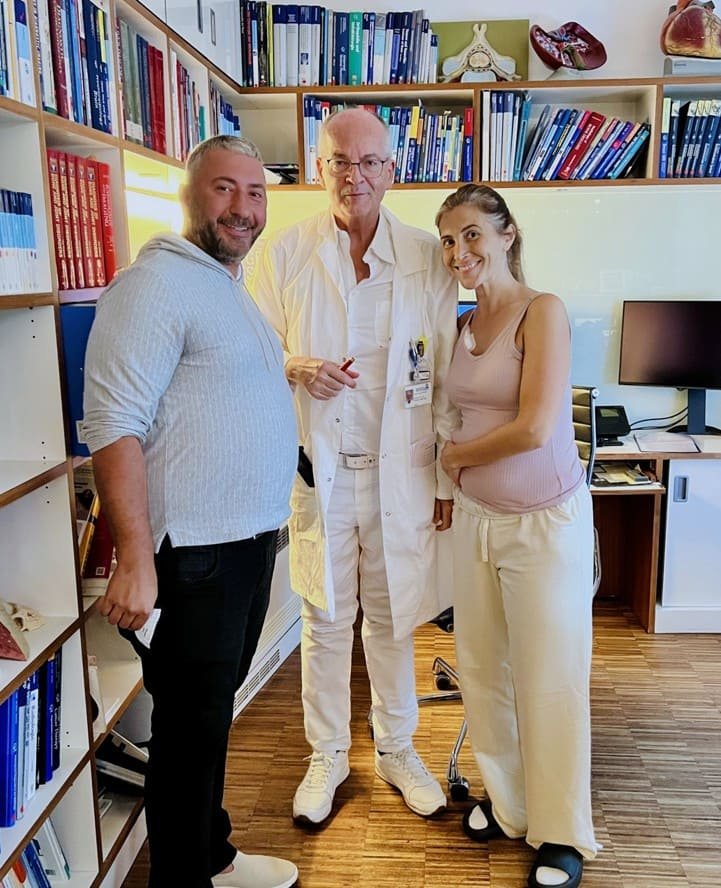
Many international patients explore treatment in Germany when dealing with advanced colorectal disease because of structured oncology systems, detailed Diagnostics, and multidisciplinary evaluation. . Clinical programs associated with Prof. Vogl, known for advanced interventional oncology procedures, and Prof. Gansauge, recognized for advanced cell-based immunotherapy, operate within multidisciplinary hospital frameworks. Patients benefit from individualized planning and access to latest cancer treatments for colorectal cancer in Germany, where therapy decisions are guided by structured evaluation.

Stage 4 disease means colorectal cancer cells have traveled through the bloodstream or lymphatic system and formed tumors in distant organs. The liver is the most common site because of its blood supply from the digestive tract, but lung and abdominal lining involvement can also occur. When discussing colorectal cancer with liver metastasis, it is important to understand that the primary cancer biology still guides therapy decisions.
Unlike earlier stages, metastatic colorectal cancer is considered systemic. This means treatment plans often combine regional interventional approaches with systemic strategies. German oncology centers emphasize continuous reassessment because tumor burden, symptom intensity, and response to therapy can change over time.
Survival Rate in Metastatic Stage 4 Colorectal Cancer
When discussing survival, it is essential to recognize that outcomes vary widely. According to international oncology references such as the American Cancer Society, survival rates depend on factors including tumor burden, number of metastatic sites, response to treatment, and overall patient health. No single percentage applies to all patients.
In clinical practice, some patients achieve prolonged disease control with structured multimodal therapy, while others require symptom-focused treatment. Advances in imaging, targeted regional treatments, and immune-based strategies have expanded available options. The focus in advanced care is not only life expectancy but also quality of life, symptom relief, and maintaining organ function.
Germany’s regulated oncology pathways contribute to individualized treatment plans, which is why many patients consider new and innovative cancer treatments in Germany for advanced disease management.
Diagnosis and Staging before Advanced Therapy
Accurate staging is critical before recommending advanced treatment. In Germany, comprehensive Diagnosis of colorectal cancer in Germany typically includes detailed imaging such as CT scans, MRI, PET scans, along with laboratory analysis and biopsy confirmation. These evaluations help determine:
Specialist review within German oncology centers ensures that interventional procedures or immune-based therapies are recommended only after structured evaluation. This systematic approach is one reason international patients look for German healthcare centers when dealing with complex metastatic cancer.

TACE Treatment is an interventional oncology procedure often evaluated when colorectal cancer has spread to the liver and dominant lesions require targeted control. The goal is to deliver chemotherapy directly to tumor-feeding vessels while limiting exposure to the rest of the body.
During TACE Treatment in Germany, a small catheter is guided through the vascular system to the vessels supplying the tumor. Chemotherapy is administered directly to the targeted area, followed by embolic particles that block the blood flow to tumor tissue. This dual mechanism helps concentrate therapy locally and restrict nutrient supply to cancer cells.
The procedure is carefully planned using advanced imaging to ensure precision. Patients are monitored after treatment, and follow-up imaging evaluates response. The cost of TACE Treatment in Germany typically ranges between €8,000 and €9,000 per session, depending on clinical planning and tumor complexity. For patients with liver-dominant metastatic colorectal cancer, TACE may be considered as part of a broader management plan.

Immunotherapy Dendritic cell therapy is a personalized immune-based approach designed to support immune recognition of tumor-specific signals. Rather than directly destroying tumors with chemicals, this therapy aims to enhance communication between immune cells and cancer-related markers.
The process begins with detailed evaluation to confirm suitability. A blood sample is collected, and immune cells (Monocytes) are isolated in an EU GMP certified laboratory under strict quality standards. These cells are cultured and exposed to tumor-specific antigens derived from colorectal cancer tissue. After maturation, the dendritic cells are administered back to the patient as a personalized dendritic cell vaccine.
Patients are monitored throughout the treatment course. This therapy is associated with Prof. Gansauge, known for his focused work in advanced cell-based cancer immunotherapy in Germany. The cost of Immunotherapy Dendritic Cell Therapy in Germany is €26,000, including immune cell collection, laboratory preparation, and administration. For selected patients with metastatic colorectal cancer, immune-based therapy may be evaluated as part of a comprehensive disease-management strategy.
Combining Regional and Immune-Based Therapies
Management of advanced colorectal cancer often requires integration of multiple therapies. Surgery, systemic chemotherapy, TACE Treatment, and immune-based strategies may be combined depending on stage and metastatic pattern.
Multidisciplinary tumor boards within German healthcare centers review imaging, pathology findings, and patient condition to determine appropriate sequencing. Careful coordination helps minimize overlapping toxicity while supporting both local tumor control and systemic disease management
For patients with metastatic colorectal cancer, clinical trials can represent an opportunity to access carefully monitored emerging therapies. Eligibility depends on detailed medical evaluation, including tumor biology, previous treatments received, overall health condition, and specific trial criteria.
Germany’s structured clinical research environment supports the responsible development of innovative treatment options in Germany while prioritizing patient safety and transparent decision-making. Each trial is designed with defined inclusion standards and ongoing monitoring, ensuring that patients receive treatment within clearly established medical guidelines rather than experimental uncertainty.

International Patient Support through Treatment in Germany
Access to advanced management for colorectal cancer treatment involves more than clinical decision-making; it requires careful logistical coordination, especially for international patients seeking specialized therapies such as Immunotherapy Dendritic cell therapy and TACE Treatment. Through Treatment in Germany (TIG), medical documentation is reviewed in advance to facilitate appropriate specialist referral and structured treatment planning within experienced oncology centers. This pre-evaluation by the treating physician helps align the patient’s clinical condition with available therapeutic options before travel arrangements are finalized.
Treatment in Germany (TIG) at www.treatmentingermany.de provides comprehensive logistical assistance, including hospital coordination, appointment scheduling, travel planning, and medical visa support when required. By organizing these administrative components in advance, patients can focus on clinical evaluation and multidisciplinary consultation upon arrival. Individuals considering advanced and innovative treatment approaches may get a free consultation with TIG (Treatment in Germany) to receive structured guidance and coordinated access to specialized cancer programs in Germany.
🌍Why Patients Worldwide Prefer Our Medical Services in Germany – Key Benefits Explained:


It refers to colorectal cancer that has spread to distant organs such as the liver or lungs and requires systemic management.
Survival depends on tumor burden, response to therapy, organ involvement, and overall patient health rather than one single factor.
TACE Treatment is often evaluated for liver-dominant metastatic colorectal cancer to provide localized tumor control.
It is a personalized immune-based treatment designed to enhance recognition of cancer-specific markers by the immune system.
In Germany, it is prepared under strict EU GMP certified laboratory standards with structured medical monitoring.
Yes, selected patients may qualify for regulated oncology clinical trials based on eligibility criteria.
Combination of TACE Treatment and Immunotherapy Dendritic cell therapy in Germany may be considered after evaluation.
No, dendritic cell immunotherapy in Germany is not FDA-approved in the USA but adheres to strict EU-GMP standards, ensuring safety and quality for international patients.
TIG, Treatment in Germany, at www.treatmentingermany.de, manages complete logistical arrangements including a medical visa support if required.
Germany has many highly experienced oncologists and specialized cancer centers known for advanced diagnostics and personalized treatment approaches. The “best” cancer specialist depends on the specific cancer type and treatment needs. Some of the most recognized cancer experts include professors working at leading hospitals such as Charité University Hospital (Berlin), University Hospital Heidelberg, University Hospital Munich (LMU), and Frankfurt University Hospital.
Kindly complete the form below, and our dedicated team will reach out to you promptly. We look forward to connecting with you soon!
Trierer Straße, 56072 Koblenz, Germany

Our benefits:
.webp)
 (1).webp)
.webp)
 (1).webp)
.jpg)