
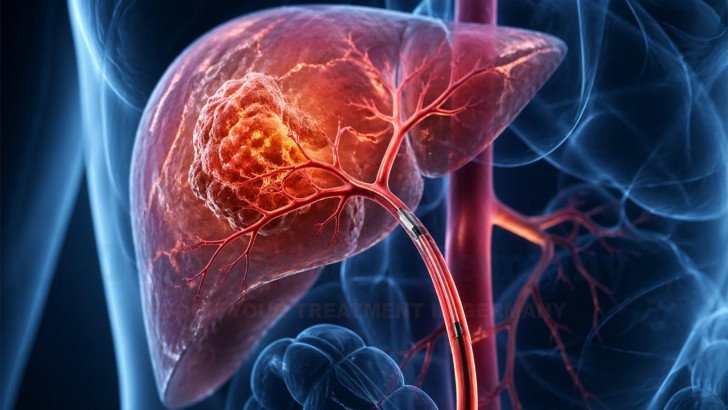
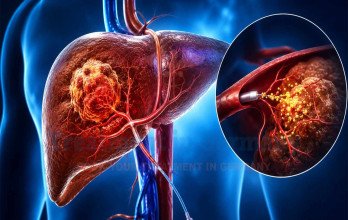
Transarterial Chemoperfusion (TACP) is an advanced interventional oncology procedure that delivers chemotherapy directly into the arteries feeding a tumor through a catheter. Unlike embolization-based approaches, this technique preserves normal blood circulation while ensuring a high concentration of anti-cancer drugs reaches the tumor site, enhancing treatment effectiveness and minimizing systemic side effects.
What is Transarterial Chemoperfusion (TACP)?
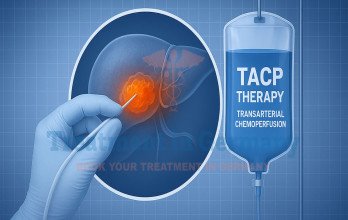
Transarterial Chemoperfusion (TACP) is a catheter-based interventional oncology technique in which chemotherapy is infused directly into the arteries supplying a tumor while maintaining blood flow. In specialized centers offering TACP treatment in Germany, this approach is considered for exclusive patients with advanced or inoperable tumors as per oncology guidelines where localized therapy may provide clinical benefit. Unlike systemic chemotherapy, which distributes drugs throughout the body, transarterial chemoperfusion treatment allows higher drug concentration within the tumor while reducing systemic exposure.

Intra-arterial chemotherapy has been proven to enhance local drug delivery compared to intravenous administration, supporting its role as a form of regional chemotherapy for cancer [1]. However, TACP is not a universally standardized therapy and is typically used in specific clinical situations rather than routine practice. It is therefore best described as a targeted cancer treatment option in selected cases. Because it is performed through catheter-based access, it is also considered a minimally invasive cancer treatment, often associated with shorter recovery time. Transarterial Chemoperfusion (TACP) in Germany is a targeted, minimally invasive interventional oncology technique used to treat inoperable tumors, particularly liver, pancreas, lung, and pelvic cancers.
Get a Free TACP Eligibility Review
If you have been diagnosed with liver cancer or advanced/metastatic cancer and want to know whether TACP is suitable for your case, you can share your medical reports for a specialist review.
You will receive a personalized assessment, possible treatment options, and clear next steps based on your condition estimating a gross total of pt’s medical history depending on the study, patient condition, and cancer stage. Transarterial chemoperfusion (TACP) acts as a palliative or bridging treatment for those who have failed or refused standard chemotherapy.
How Transarterial Chemoperfusion (TACP) Works
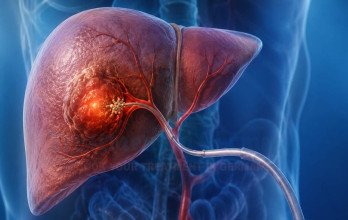
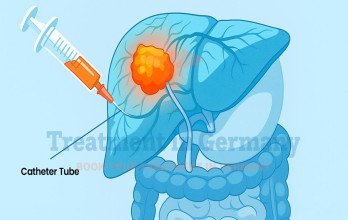
The effectiveness of TACP depends on its ability to deliver chemotherapy directly to the tumor through selective arterial access. Using imaging guidance, a catheter is advanced into the blood vessels supplying the tumor, allowing targeted chemotherapy delivery at a higher local concentration than systemic treatment. This targeted approach helps maximize drug exposure within the tumor while limiting its impact on healthy tissues.
The underlying transarterial chemoperfusion mechanism differs from embolization-based procedures because blood flow is preserved. This allows continuous perfusion of chemotherapy rather than inducing ischemia. Pharmacokinetic studies have shown that intra-arterial delivery can significantly increase local drug availability compared to systemic administration [2]. This supports the role of TACP as a localized cancer treatment, particularly in situations where sustained drug exposure may improve tumor control.
How TACP Differs from Other Interventional Cancer Treatments
Understanding how TACP compares with other therapies is important when evaluating treatment options. When comparing targeted therapy vs systemic chemotherapy, the key distinction is that systemic treatments circulate throughout the entire body, affecting both healthy and cancerous cells. In contrast, TACP delivers chemotherapy directly to the tumor through its blood supply, allowing a more localized approach that may help reduce overall systemic exposure, although it is not suitable for every patient.
The difference between TACP and chemoembolization is also clinically important. Procedures such as TACE are designed to block the tumor’s blood supply to create ischemia, while TACP maintains blood flow and focuses on controlled drug delivery. It also differs from infusion-based regional chemotherapy techniques, where drugs are administered continuously over time rather than through a targeted perfusion approach. These distinctions highlight that TACP should be considered a selective treatment option, used in specific clinical situations rather than as a universal alternative to traditional chemotherapy [3].
Which Types of Tumors May Be Considered for TACP?
TACP is not a general treatment for all cancers and should only be used in selected clinical situations. It may be considered in a treatment for advanced cancer patients where localized disease control is required and other options are limited. Clinical experience suggests it is primarily used in selected liver tumors and certain metastatic or advanced cancers in specialized settings, as well as in selected cases of lung metastases, particularly when tumors are accessible through arterial supply. Overall, the range of tumors treated with TACP is broad, but its use is determined by tumor vascularization, accessibility, and institutional expertise rather than tumor type alone. For this reason, it is essential that treatment decisions are made through careful clinical evaluation rather than generalized assumptions [1] [4].
Clinical Outcomes and Response Evaluation in TACP
The results of TACP treatment should be understood carefully, as available research is still limited and varies between patients. Instead of focusing on a cure, the TACP success rate is usually evaluated based on how well the treatment can control tumor growth or slow disease progression. Treating specialists assess the success rate of TACP therapy in Germany using standardized methods such as RECIST, which measure whether the tumor has reduced in size or remained stable after treatment [4].
The effectiveness of TACP can differ from one patient to another depending on factors like cancer type, stage, and overall health. Reports involving patients from the USA and other regions suggest that TACP may help stabilize disease in selected cases when used alongside other therapies. However, the survival outcomes associated with TACP vary widely between patients, and outcomes should not be generalized. Ongoing research continues to evaluate its role, but it is best considered part of a broader, individualized treatment plan rather than a standalone solution [3] [4].
When is TACP Considered as a Treatment Option?
TACP is typically considered in patients where surgery is not feasible and localized therapy may offer clinical benefit. It may be used among minimally invasive options for inoperable tumors, particularly when systemic therapy alone is insufficient or poorly tolerated. This makes it relevant in selected cases of advanced disease where individualized treatment planning is required.
The use of TACP is a locoregional intra-arterial chemotherapy technique depends on factors such as tumor accessibility and overall patient condition. It is important to emphasize that TACP is not a first-line treatment in most cancers, but rather a specialized approach used in carefully selected scenarios. Clinical guidelines recommend that such decisions be made through multidisciplinary evaluation to ensure appropriate patient selection [5].
Diagnosis and Pre-Treatment Evaluation before TACP Procedure
A thorough diagnostic assessment is essential before considering TACP, as the procedure is only suitable in selected clinical situations. This includes tests before TACP treatment such as imaging-based evaluation and laboratory investigations that help determine tumor characteristics and overall patient condition. These cancer diagnosis and staging tests provide critical information about tumor size, location, and vascular supply, which are necessary for planning a safe and effective intervention.
A structured pre-treatment evaluation before TACP procedure typically involves detailed tumor assessment using MRI Scans, CT Scans, biopsy and blood work. These investigations confirm diagnosis, assess tumor accessibility, and evaluate overall fitness for the procedure. Interventional oncology literature emphasizes that intra-arterial therapies should only be performed when imaging confirms that the tumor has a well-defined arterial supply that can be accessed safely [1][5]. This careful selection ensures both safety and treatment effectiveness.
Step-by-Step Treatment Process and Duration of TACP

The procedure is performed using a minimally invasive, image-guided approach that allows precise delivery of chemotherapy. The TACP procedure steps begin with the insertion of a catheter into a blood vessel through a small puncture, followed by careful navigation under imaging guidance toward the vessels supplying the tumor. This step is essential to ensure accurate positioning before treatment delivery and to maximize the effectiveness of the therapy.
Once the catheter is in place, TACP treatment is performed by infusing chemotherapy directly into the tumor’s blood supply, allowing localized exposure. The treatment duration depends on tumor complexity and vascular anatomy but is generally completed within a few hours. After treatment, patients are monitored for hemodynamic stability and immediate post-procedural complications, and recovery time is typically shorter compared to surgical procedures. Follow-up imaging is scheduled to assess response and guide further treatment planning [2].
Can TACP Be Combined with Other Cancer Treatments?
In certain clinical situations, TACP may be used as part of combination cancer therapy, particularly when both local tumor control and systemic disease management are required. This may include TACP with chemotherapy or immunotherapy, depending on the patient’s condition and overall treatment strategy. However, such combinations are not routine and must be carefully evaluated.
This reflects a multimodal cancer treatment approach, where different therapies are combined to improve outcomes. Clinical evidence suggests that integrating local interventional techniques with systemic therapies may support disease control in selected patients, although results depend on tumor biology and stage [3]. Careful planning is essential to balance potential benefits with treatment-related risks.
Who is Eligible for TACP Treatment?
Patient selection plays a critical role in determining the effectiveness of TACP. The procedure is considered based on TACP eligibility criteria, and TACP treatment candidates are identified through a detailed clinical evaluation by thetreating physician. This includes assessment of tumor accessibility, vascular supply, and overall patient health. It is typically explored in patients suitable for targeted cancer therapy, particularly among treatment options for inoperable cancer patients. TACP may also be considered in advanced stage cancer or stage 4 cancer, where localized tumor control can contribute to overall disease management. Clinical guidelines emphasize that treatment decisions should be individualized and based on multidisciplinary evaluation [1][5].
How Treatment Response is assessed after TACP
The effectiveness of TACP is evaluated using objective methods, focusing on monitoring TACP treatment results through imaging studies such as CT or MRI scans. These assessments help determine changes in tumor size, structure, and vascularity after treatment. Understanding how to measure TACP effectiveness involves using standardized criteria such as RECIST. The concept of tumor response after TACP includes partial response, stable disease, or progression based on measurable imaging findings. This structured evaluation ensures that treatment decisions are based on clear and reliable clinical evidence [4].
Side Effects and Safety of Transarterial Chemoperfusion (TACP)

The TACP side effects profile is generally manageable, especially when the procedure is performed in experienced clinics. Because the therapy is localized, systemic effects are usually less severe compared to conventional chemotherapy. Patients may experience mild symptoms such as fatigue, low-grade fever, or temporary discomfort after treatment. The safety of targeted cancer therapy such as TACP is linked to reduced systemic exposure. However, potential risks of TACP procedure and complications may include infection, or contrast-related reactions. These risks are relatively uncommon and can be minimized through proper technique and patient selection [2].
Cost of Transarterial Chemoperfusion (TACP) Treatment in Germany
The cost of TACP therapy ranges between €8,000 and €9,000 per session and depends on factors such as the number of sessions required and the complexity of treatment. This cost typically includes imaging guidance, catheter-based intervention, and post-procedure monitoring within specialized centers.
TACP is performed in specialized clinics in Germany, including experts such as Prof Vogl, known for his expertise in embolization therapies. The total cost varies depending on response and number of sessions required, allowing patients to plan accordingly. This structured financial approach supports transparency and informed decision-making.
Scientific Background of TACP and How It Targets Tumor Blood Supply
The scientific foundation of TACP is based on the principle of tumor blood supply, where solid tumors depend on a network of blood vessels to receive oxygen and nutrients necessary for growth. In this approach, chemotherapy is delivered directly into the vessels supplying the tumor, allowing a higher concentration of the drug to reach cancer cells in a targeted manner. This focused delivery helps improve local treatment exposure while limiting the amount of chemotherapy circulating in the rest of the body.
This concept forms the basis of minimally invasive cancer therapy, where treatment is directed precisely to the tumor site using image-guided techniques. Intra-arterial chemotherapy methods have shown improved local drug distribution compared to conventional systemic administration, particularly in cases where tumors are accessible through their vascular supply. This targeted mechanism supports the use of TACP in selected clinical situations, where enhancing local drug delivery may contribute to better disease control while reducing systemic side effects [3].
Is It Necessary to Repeat TACP Treatment?

TACP is often performed in multiple sessions, depending on tumor response and clinical goals. Additional sessions may be required when follow-up imaging shows residual tumor activity. The decision depends on several factors, including tumor burden, cancer stage, and patient tolerance. This flexible approach allows treatment to be adjusted over time, ensuring that care remains personalized and responsive to the patient’s condition [4].
Why Patients Choose Germany for TACP Treatment and Our Support Services
Germany is recognized for its advanced and structured approach to cancer care, particularly in interventional oncology procedures such as TACP. Patients benefit from experienced specialists, innovative cancer treatment options, modern imaging technologies, and standardized treatment protocols that prioritize safety and precision. Specialized clinics with high clinical expertise ensure that procedures like TACP are performed with accuracy, making Germany a reliable option for selected patients requiring targeted cancer treatment.
To simplify the treatment journey for international patients, TIG GmbH provides complete support at every stage:
Fast appointment scheduling with experienced specialists.
Customized treatment plans based on your medical condition.
Visa support (if required).
Direct hospital payments with transparent billing.
Choice of preferred doctors.
Continuous follow-up support.
Multilingual assistance for smooth communication.
Start Your TACP Treatment Journey
Getting started is simple:
Share your medical reports.
Receive expert evaluation.
Get a personalized treatment plan.
Our team supports you throughout the process, including appointment scheduling, travel coordination, and complete treatment assistance in Germany.
Request your free consultation today.
References
Ou H, Li X, Chang S, Li G, Chen F, Jiang S. Advances in hepatic arterial perfusion chemotherapy for hepatic metastases. Frontiers in Oncology. 2025;15:1544061. doi: 10.3389/fonc.2025.1544061
Vogl TJ, Lee EW, Mocan I, Garstka N, Naguib NNN, Nour-Eldin N-EA. Trans-arterial chemoperfusion for the treatment of liver metastases of breast cancer and colorectal cancer: Clinical results in palliative care patients. World Journal of Clinical Oncology. 2017;8(4):371–378. doi: 10.5306/wjco.v8.i4.371
Wu G, Chen C, Chang J, Fazlollahi F, Makary MS. Expanding the Scope of Interventional Oncology: Locoregional Therapies in Extrahepatic Malignancies. Cancers (Basel). 2025;17(5):726. doi: 10.3390/cancers17050726
Vogl TJ, Heller-Schenck T, Bechstein WO, Naguib NNN, Booz C, Gruber-Rouh T. Therapy Response and Survival among Patients with Gynecologic Tumors Treated with Transarterial Chemoperfusion and Transarterial Chemoembolization. Medicina (Kaunas). 2024;60(10):1648. doi: 10.3390/medicina60101648
National Cancer Institute. Targeted Cancer Therapies. Bethesda (MD): National Cancer Institute; 2023. Available from: https://www.cancer.gov/about-cancer/treatment/types/targeted-therapies
Patients may also request a free consultation with TIG (Treatment in Germany) to receive individualized guidance and coordinated access to TACE treatment at Prof.Thomas J. Vogl's Clinic.
🌍Why Patients Worldwide Prefer Our Medical Services in Germany – Key Benefits Explained:






















.webp)
 (1).webp)

.webp)


.jpg)

 (1).webp)


.jpg)