
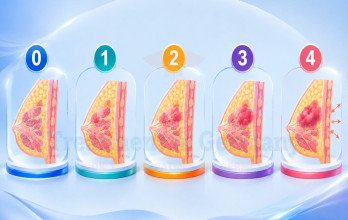
Breast cancer staging describes how far the disease has spread, while prognosis depends on several factors beyond stage alone. This guide explains breast cancer stages 0 to 4, including tumor size, lymph-node involvement, and distant metastasis, as w...

Breast cancer includes several types and subtypes that differ in where they develop, whether they invade surrounding tissue, and which biomarkers they carry. This guide explains DCIS, LCIS, invasive ductal and lobular carcinoma, hormone receptor-posi...
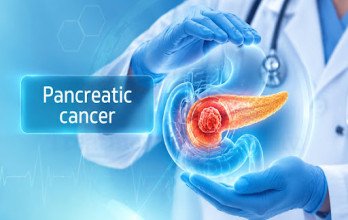
Pancreatic cancer treatment costs in Germany vary according to the treatment pathway and services required. This article covers guide prices for surgery, chemotherapy, chemoradiation and specialised procedures, explains diagnostic and staging costs,...

International patients often seek a specialist pancreatic cancer opinion in Germany when the diagnosis, extent of disease or possibility of surgery is uncertain. This article explains how a German centre reviews medical records, scans and pathology,...

Pancreatic neuroendocrine tumor treatment in Germany may include surgery, organ-preserving approaches and active surveillance for localized tumors. Advanced disease may require hormone control, systemic medicines, chemotherapy or PRRT, while selected...

Lutetium-177-DOTATATE is a receptor-directed radioligand treatment used for advanced, somatostatin-receptor-positive pancreatic neuroendocrine tumors. This guide explains who may be suitable for PRRT, how receptor imaging supports treatment decisions...

Pancreatic cancer survival statistics describe groups rather than individuals. This article explains five-year survival rates and how they differ by stage, the difference between median survival, average survival and life expectancy, and the disease,...

TACE for pancreatic cancer is a selective, liver-directed treatment used in selected patients with liver metastases. The procedure delivers chemotherapy to vessels supplying the target tumour and uses embolization to reduce blood flow. The article co...

Immunotherapy may offer a treatment option for selected patients with pancreatic cancer, particularly those with MSI-H, dMMR or TMB-H biomarkers. Treatment approaches discussed include pembrolizumab, other checkpoint inhibitors, cancer vaccines, CAR-...

Targeted therapy for pancreatic cancer focuses on molecular changes that may help doctors match a tumour with a specific treatment. The article explains molecular and genetic testing, who may be eligible for treatments such as PARP inhibitors, other...

Pancreatic cancer chemotherapy may be used before or after surgery or when the cancer cannot be removed. Treatment can include FOLFIRINOX, gemcitabine-based regimens, and NALIRIFOX, depending on the disease and the patient’s overall condition. It als...
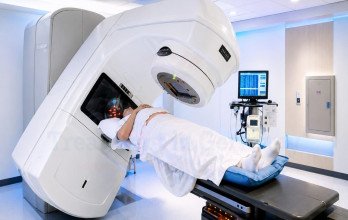
Radiation therapy may play a role in the treatment of pancreatic cancer by helping control local disease or relieve symptoms in selected patients. Treatment depends on the cancer stage, tumour location, response to systemic therapy, and overall treat...

The Whipple procedure is a major operation used for selected pancreatic tumours, with suitability depending on resectability, tumour characteristics, and the patient’s overall condition. This article covers surgical approaches, preparation, resection...

Breast cancer screening and diagnostic tests help doctors detect and evaluate breast abnormalities at different stages. This guide covers the main imaging methods, including mammography, ultrasound, and MRI, as well as biopsy and receptor testing use...

Breast cancer symptoms can range from a distinct lump to subtle skin or nipple changes, and some early cases cause no symptoms at all. This article explains the warning signs to watch for, how symptoms differ in men and in specific subtypes such as i...

Our benefits:
.webp)
 (1).webp)

.webp)

.jpg)

 (1).webp)

.jpg)