
12 min read 6 clicks
For patients with breast cancer, exploring additional treatment options can be an important part of planning their care. Dendritic cell therapy offers a personalised approach that uses the patient's own immune cells to prepare a therapeutic vaccine. It aims to strengthen the immune system's ability to recognise and respond to cancer cells. With encouraging findings from early research, patients considering treatment in Germany may explore this option alongside established therapies, depending on their medical condition and individual eligibility.
Personalised Dendritic Cell Vaccine for Breast Cancer
Dendritic cells are immune cells that help the body recognise abnormal cells. They collect proteins called tumour antigens and present them to T cells, which may then recognise and attack cancer cells carrying these markers. Breast cancer can interfere with this immune response, making it harder for the body to recognise cancer cells [1].
A breast cancer dendritic cell vaccine is prepared using the patient's own white blood cells. In the laboratory, suitable cells commonly monocytes, are differentiated into dendritic cells and prepared using selected tumour-associated antigens or other antigen sources, depending on the vaccine manufacturing protocol. This is known as an autologous dendritic cell vaccine or a personalised cancer vaccine. Dendritic cell immunotherapy aims to stimulate an immune response against cancer cells.
Dendritic Cell Therapy Eligibility by Breast Cancer Stage and Subtype

Dendritic cell therapy eligibility for breast cancer depends on the cancer stage, tumour characteristics, previous treatments and the patient's overall health. Each case requires an individual medical assessment.
Stage-Based Eligibility
Dendritic cell therapy may be considered for specialist assessment in the following situations:
- After surgery and completion of standard treatment, including patients at higher risk of recurrence, although a reduction in recurrence risk has not been established.
- Locally advanced or metastatic breast cancer, where dendritic cell approaches have been studied in selected patients, including alongside systemic treatment [2].
- Recurrent breast cancer, after reassessment of the disease and previous treatments, provided that their disease characteristics, previous treatments, and overall clinical condition meet the relevant protocol requirements.
Eligibility depends on the patient's condition and the treatment protocol. These situations do not mean that dendritic cell therapy will provide a clinical benefit.
Subtype Considerations
Hormone receptor-positive, HER2-positive and triple-negative breast cancers differ in their biological characteristics, treatment options and immune responses. These differences, along with the patient's current treatment, help specialists assess suitability for dendritic cell therapy. Eligibility also depends on the vaccine protocol offered by the treatment centre.
Medical Assessment Before Treatment
Before cell collection, the doctor reviews the patient's general health, blood counts, previous treatments and current medicines. Particular attention is given to long-term corticosteroids and other medicines that suppress the immune system, as these may affect cell preparation and immune response. Active infections are usually treated before proceeding depending on the clinical circumstances and study protocol. Eligibility is confirmed after a review of the patient's medical records.
Dendritic Cell Therapy with Standard Breast Cancer Treatments
Dendritic cell therapy may be considered alongside standard breast cancer treatment without replacing established care. The timing of cell collection and vaccination depends on blood counts, current medicines, general health and the treatment protocol. In a US clinical trial involving HER2-expressing metastatic breast cancer, cell collection was scheduled at least 14 days after chemotherapy, and dendritic cell vaccination was combined with chemotherapy and trastuzumab [3]. This schedule was specific to the study and may differ from the approach used at other treatment centres.
| Treatment under way | What is reviewed before cell collection |
|---|---|
| Chemotherapy | Recovery of white blood cell counts before collection; timing depends on the treatment schedule |
| Hormone therapy | Usually continued unless the treating doctor recommends otherwise |
| HER2-targeted therapy | Continuation depends on the treatment plan; studies have combined dendritic cells with trastuzumab and pertuzumab [1] |
| CDK4/6 inhibitors | Neutrophil counts are checked because these medicines can reduce them |
| Radiotherapy | Recent radiotherapy dates, blood counts and the planned collection schedule |
The final schedule is based on blood results, current treatment and the specialist's assessment.
Dendritic Cell Therapy Process for Breast Cancer in Germany

The dendritic cell therapy procedure includes medical assessment, cell collection, vaccine preparation and administration. Treatment is generally arranged through outpatient visits, with the schedule determined by the specialist centre.
First Visit and Pre-Treatment Tests
The first appointment includes a review of medical history, a physical examination and an assessment of previous test results. Blood tests may include a complete blood count, liver and kidney function tests, and screening for infections such as hepatitis and HIV. Updated imaging may also be needed if earlier scans no longer reflect the patient's current condition.
Blood Collection and Vaccine Preparation
Blood cells are collected using the method specified by the treatment centre. In many personalised dendritic cell vaccine protocols, monocytes, a type of white blood cell, are cultured with growth factors to develop into dendritic cells. The cells are then exposed to selected tumour antigens to help stimulate an immune response against cancer-related targets. The preparation method, laboratory quality checks and production time depend on the vaccine protocol used by the treating centre.
Vaccination Schedule
The dendritic cell vaccine is administered by injection, with the injection site determined by the treatment protocol. A course may include several vaccinations over a number of weeks. The specialist determines the number of sessions and the interval between injections based on the patient's medical condition and individual treatment plan.
Follow-Up After Returning Home
Follow-up includes routine oncology assessments and monitoring for treatment-related side effects. Imaging and tumour markers may be repeated when clinically appropriate, according to the patient's cancer type and ongoing treatment plan. Patients receive a written treatment summary that includes vaccination dates, reported side effects and follow-up recommendations for their oncologist at home.
Side Effects and Safety of Dendritic Cell Therapy for Breast Cancer
Dendritic cell therapy side effects may include redness or soreness at the injection site, fatigue, fever, chills and headaches. These reactions are often mild, although safety findings vary between treatment protocols. In a 2023 clinical trial involving patients with metastatic breast cancer, all reported cases of fever or chills were mild (grade 1). More serious side effects, including blood-related complications, were also reported during the combined treatment, but these cannot automatically be attributed to the vaccine and such events must be evaluated according to their timing, severity and relationship to each treatment component [3]. Patients require monitoring for side effects throughout treatment.
| Reaction | Patients affected (all grade 1 or 2) |
|---|---|
| Chills | 50% (6 of 12) |
| Fatigue or malaise | 42% (5 of 12) |
| Headache | 33% (4 of 12) |
| Injection-site reaction | 33% (4 of 12) |
| Nausea | 25% (3 of 12) |
| Fever | 8% (1 of 12) |
Source: Han et al. [1], 12 patients treated with intratumoural dendritic cells.
The table presents side effects reported in a US clinical trial involving 12 patients with HER2-positive breast cancer who received dendritic cells injected directly into their tumours. These findings apply to the specific treatment studied, and side-effect rates may differ with other dendritic cell vaccination methods [1]. No reaction of grade 3 or higher was attributed to the dendritic cells.
Medical attention is needed for:
- A fever of 38°C or higher, particularly during chemotherapy, or a persistent fever
- Increasing redness, swelling, warmth or pain around the injection site
- Breathing difficulties, chest pain, a widespread rash or other severe symptoms
Patients should receive contact details for their treating team in Germany. After returning home, follow-up care is usually coordinated with their local oncologist.
Potential Benefits and Limitations of Dendritic Cell Therapy for Breast Cancer
Dendritic cell therapy aims to stimulate the immune system to recognise and respond to breast cancer cells. Small clinical studies have reported immune responses and tumour changes in selected patients with breast cancer [1]. Research involving metastatic breast cancer has also provided early findings on how intratumoural dendritic cell immunotherapy may affect the spread of cancer cells [2]. However, these findings do not establish improved survival or a reduced risk of recurrence.
Potential dendritic cell therapy benefits for breast cancer include stronger immune recognition of tumour cells and possible support for disease control alongside other treatments. These effects remain under study, and dendritic cell vaccination is not included as an established treatment in the ESMO early breast cancer guidelines [4]. Vaccine preparation requires suitable patient cells and laboratory processing. Treatment goals and limitations are discussed during the medical assessment.
Planning Dendritic Cell Therapy for Breast Cancer in Germany
Treatment planning begins with a review of the patient's medical records. The process generally includes:
- Submission of medical reports for assessment by the treating specialist.
- Confirmation of eligibility and preparation of an individual treatment plan
- Provision of an invitation letter and guidance on medical visa requirements, where needed.
- Scheduling of the first appointment, cell collection and vaccination sessions.
- Assistance with travel and accommodation near the treatment centre.
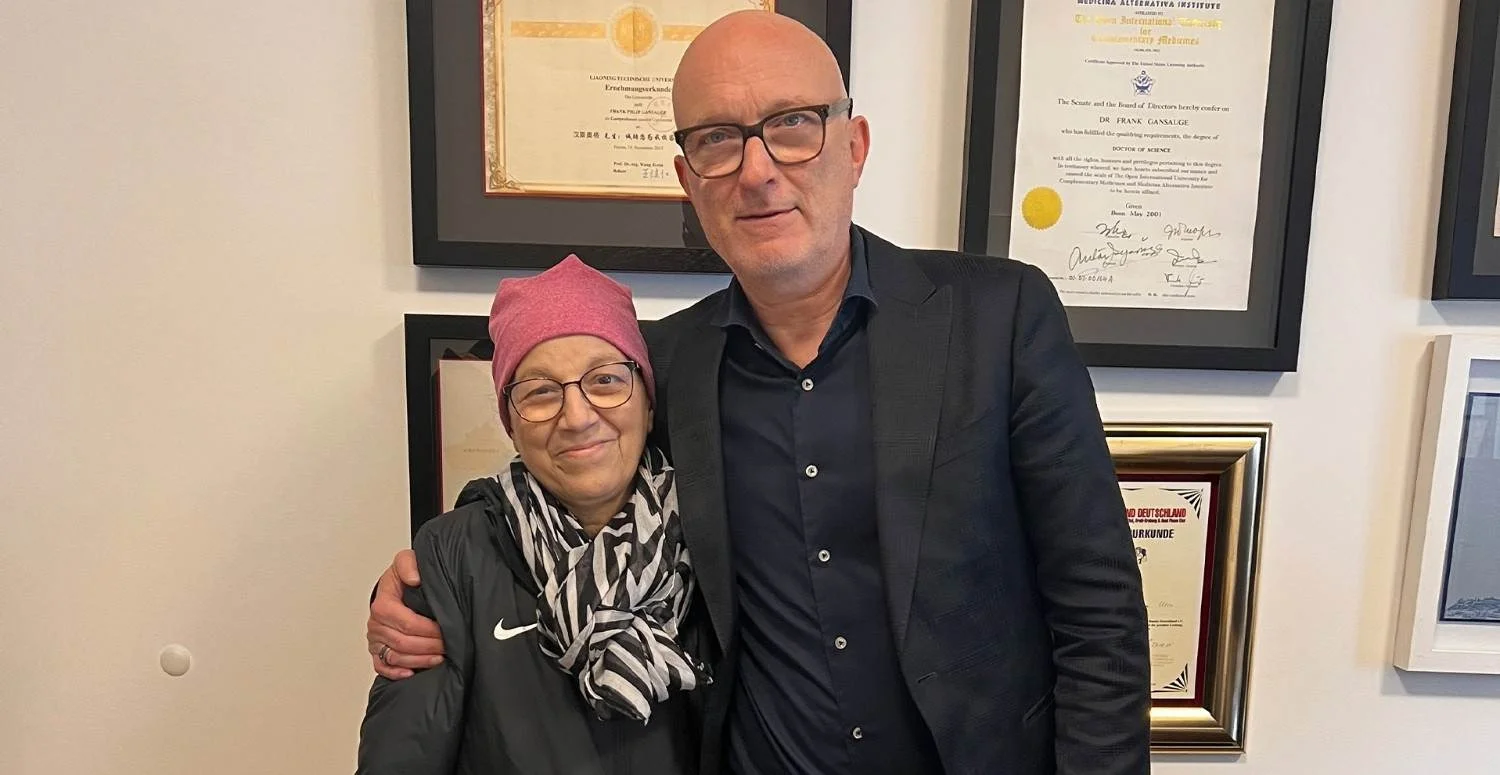
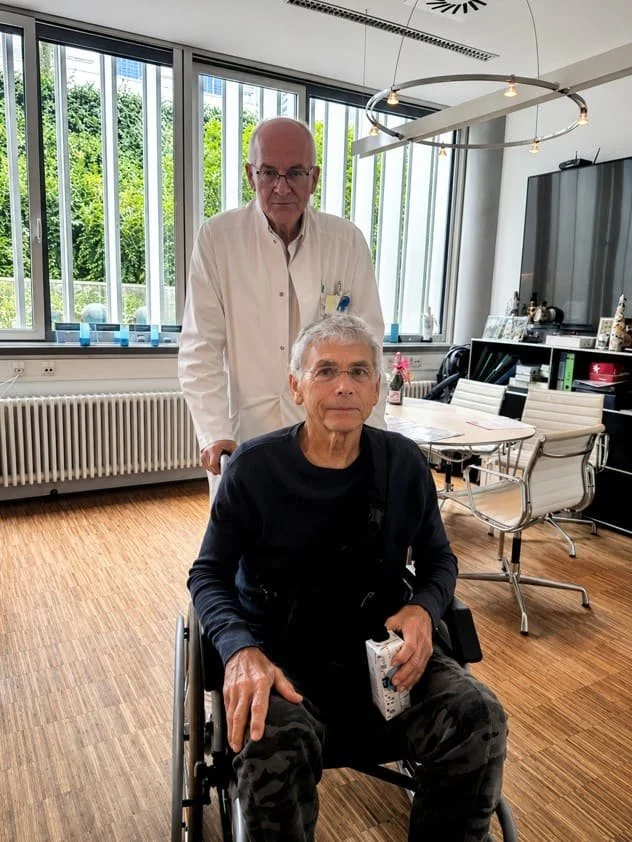
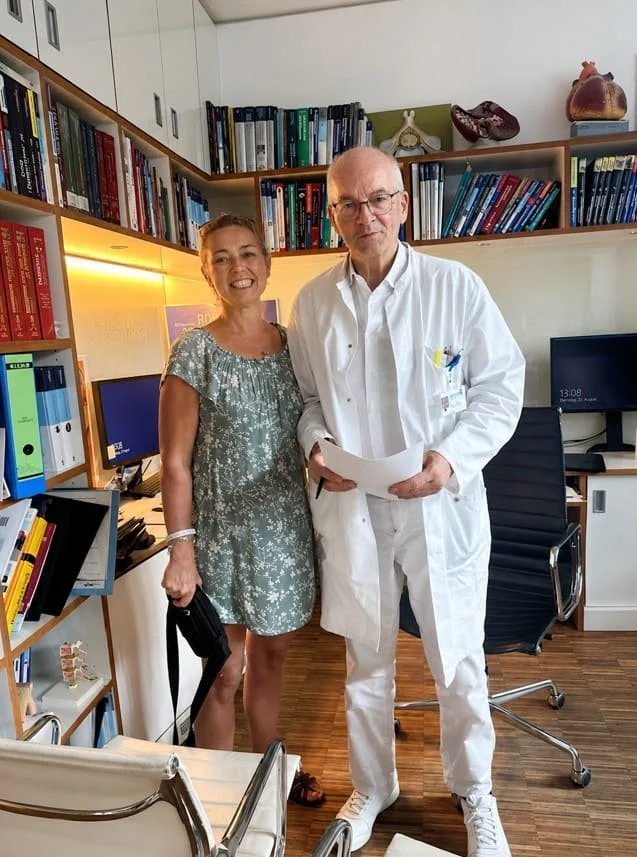
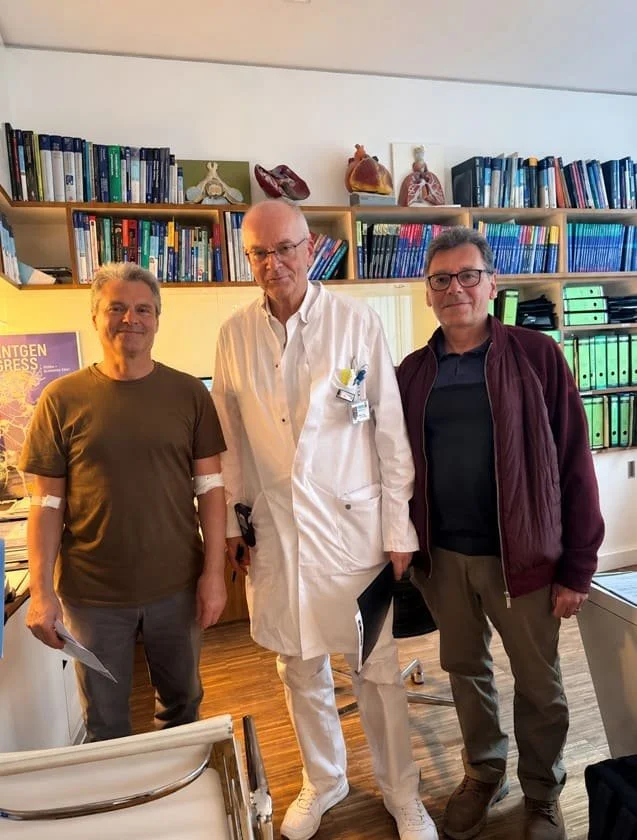
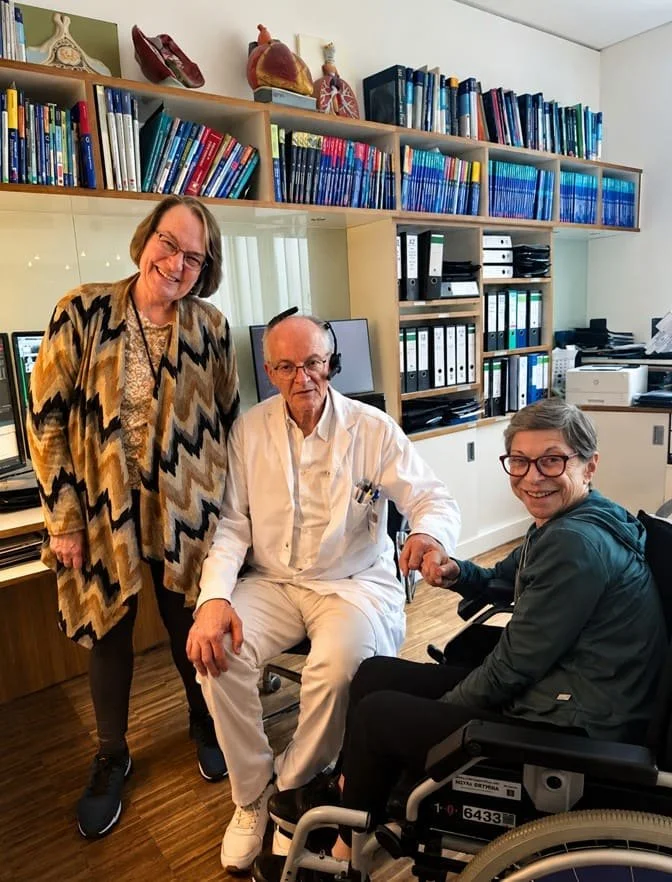
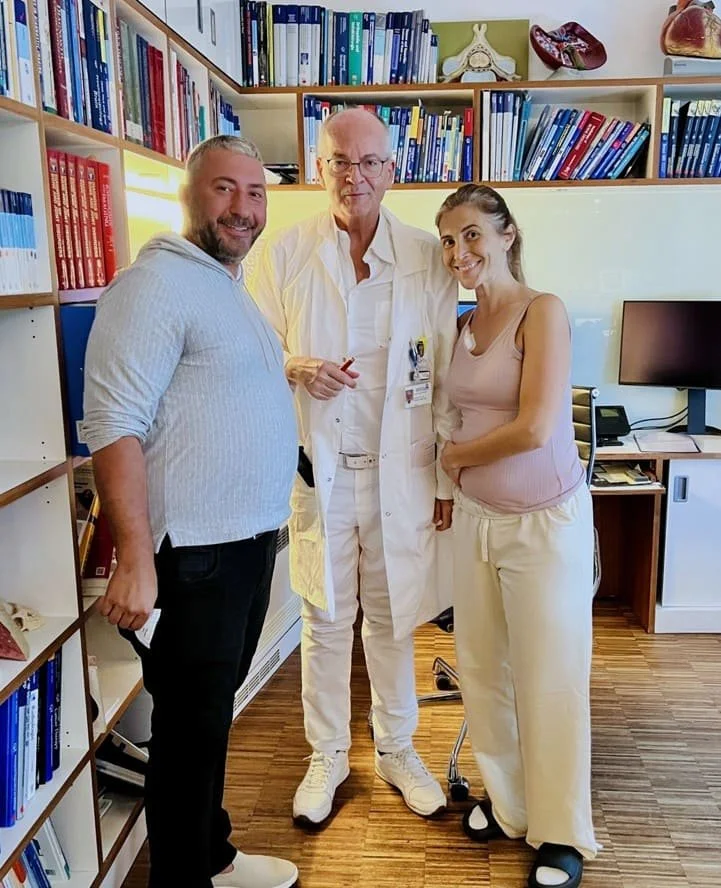
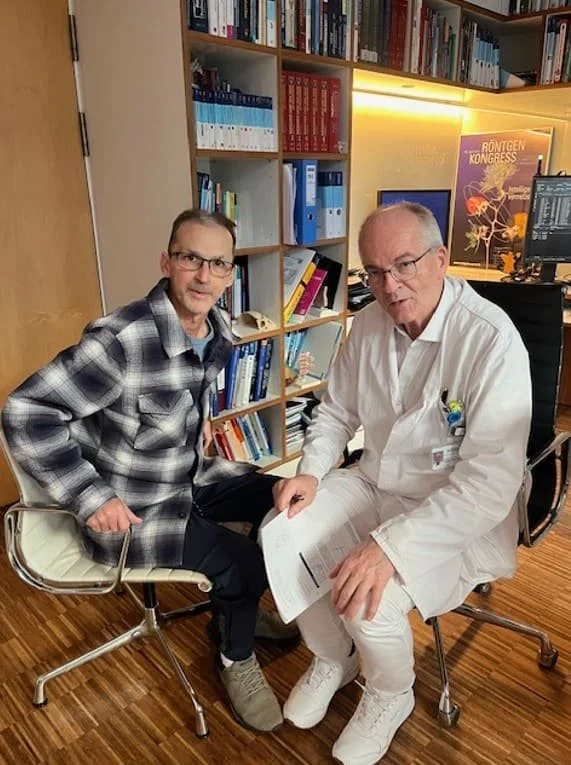
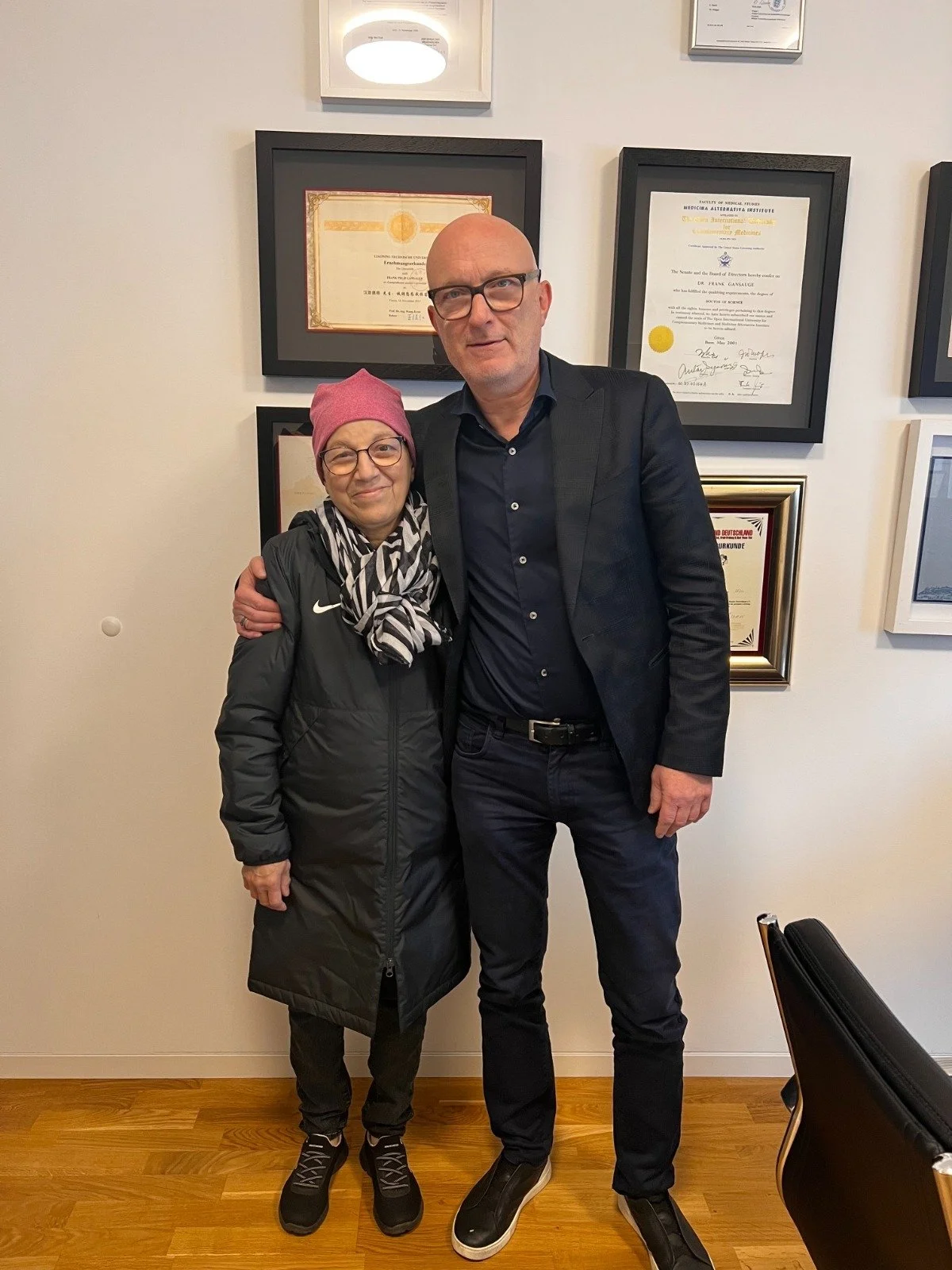
Dendritic cell therapy is provided by Prof. Dr. Frank Gansauge, a specialist in cell-based immunotherapy with over 20 years of experience in dendritic cell research and development. He is associated with LDG Laboratories in Berg, Germany.
Cost and Number of Sessions
The dendritic cell therapy cost in Germany depends on vaccine preparation, the number of treatment sessions, medical tests and the length of stay. Costs vary according to the patient's individual treatment needs. A personalised cost estimate is provided after the medical team reviews the patient's records and determines the proposed treatment plan.
Medical Documents Required
The following documents are generally required for medical assessment:
- Histopathology report, including hormone receptor, HER2 and Ki-67 results
- Recent imaging reports and scans, such as CT, MRI, PET-CT or bone scans, where available
- Previous treatment history, including surgery, chemotherapy, radiotherapy and other treatments
- Current medication list
Patients considering breast cancer vaccine treatment in Germany can submit their medical reports to Treatment in Germany (TIG) for review by a German specialist. TIG can assist with consultations, treatment planning and logistical arrangements, while medical decisions remain the responsibility of the treating team.
References
Why Patients Worldwide Prefer Our Medical Services in Germany – Key Benefits Explained
International patients planning dendritic cell therapy for breast cancer in Germany may need support with hospital consultations, medical documentation, translations, and travel arrangements. TIG GmbH helps coordinate these practical steps and communication with healthcare providers according to each patient's needs and the services agreed.
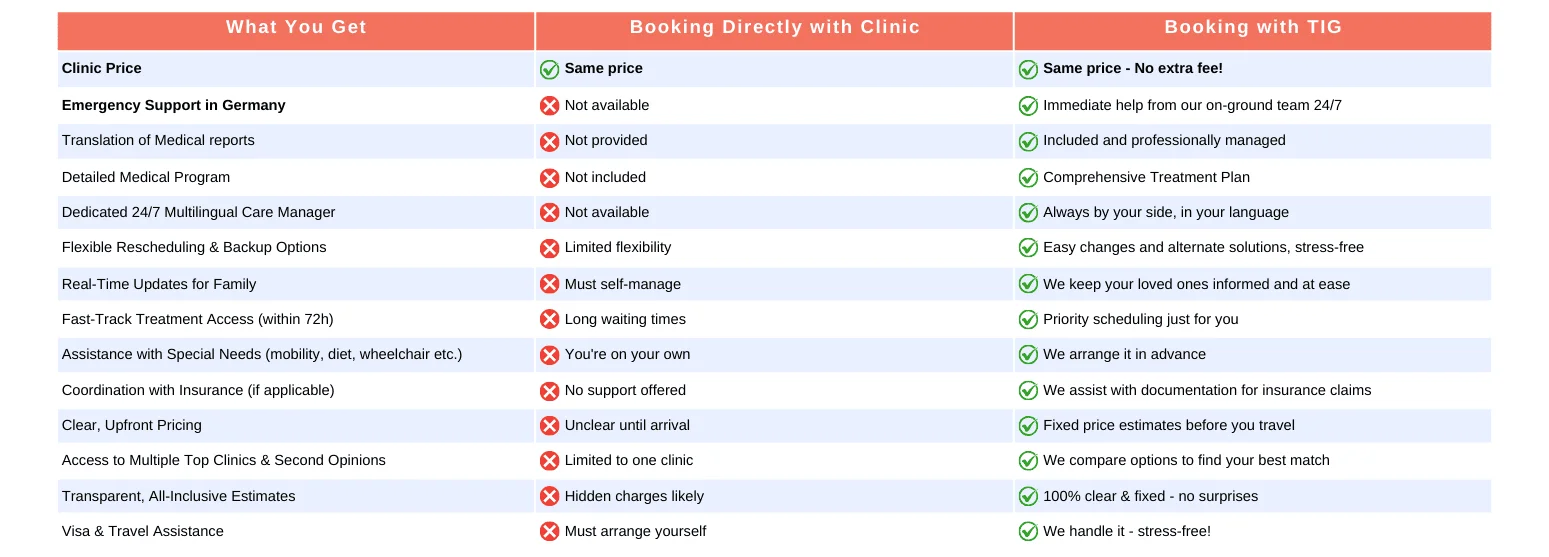
The table above compares the support and coordination services offered through TIG GmbH for dendritic cell therapy for breast cancer in Germany with the arrangements patients may need to manage when booking directly with a clinic.
FAQs About Dendritic Cell Therapy for Breast Cancer
1. Can I have dendritic cell therapy for breast cancer after a mastectomy?
Yes, dendritic cell therapy may be considered after a mastectomy. Previous breast surgery does not automatically prevent treatment. Eligibility depends on the current cancer status, previous treatments, overall health and the vaccine protocol. A specialist determines suitability after reviewing the patient's medical records.
2. Is there an age limit for dendritic cell therapy in breast cancer?
There is no universal age limit for dendritic cell therapy in breast cancer. Eligibility depends on the patient's overall health, blood counts, previous treatments and the requirements of the treatment protocol. Older patients may also be considered if they meet the medical criteria.
3. Does dendritic cell therapy for breast cancer cause hair loss?
Hair loss is not a commonly reported side effect of dendritic cell vaccination itself. However, patients receiving chemotherapy alongside dendritic cell therapy may experience hair loss due to chemotherapy. The risk depends on the medicines included in the patient's treatment plan.
4. Is dendritic cell therapy for breast cancer painful?
Dendritic cell therapy usually causes mild discomfort during the injection. Temporary redness, soreness or swelling may occur at the injection site. Discomfort during blood cell collection depends on the method used. The treating team explains the procedure and possible side effects before treatment.
5. Can dendritic cell therapy for breast cancer be repeated?
Yes, dendritic cell therapy may be repeated in selected patients. The decision depends on the treatment protocol, the patient's overall health, treatment tolerance and follow-up findings. Further vaccinations are considered only after an individual assessment by the treating specialist.
6. Can I continue normal activities between dendritic cell therapy sessions for breast cancer?
Yes, many patients can continue their usual daily activities between treatment sessions. However, fatigue, fever or injection-site discomfort may temporarily limit activity. The patient's general health and other ongoing cancer treatments also affect activity levels. Physically demanding activities should be discussed with the treating doctor.
.webp)



.webp)



 (1).webp)
 (1).webp)

.webp)
.webp)