

Glioblastoma grade 4 is the most aggressive type of primary brain tumor, with survival varying according to age, tumor biology, molecular markers, and treatment. Learn what influences life expectancy, how modern treatments in Germany aim to improve outcomes, and the role of advanced therapies such as dendritic cell therapy. It also covers treatment costs and specialist neuro-oncology care.
What Is the Life Expectancy of a Glioblastoma Grade 4?
A diagnosis of glioblastoma grade 4 raises urgent questions about survival and treatment. As the most aggressive primary brain tumor, it carries a serious outlook, but survival can vary considerably from one patient to another. Outcomes depend on factors such as the patient's age, molecular profile and treatment, while advances in molecular testing and therapy have improved outcomes for some patient groups.
Glioblastoma life expectancy depends on many factors, and averages do not predict any one person's outcome. Specialized neuro-oncology, molecular diagnostics and access to advanced therapies are among the reasons international patients explore glioblastoma treatment in Germany.
Understanding these survival figures and the factors that influence them can help patients and families make informed decisions. TIG GmbH connects international patients with a glioblastoma specialist in Germany, arranges a review of their imaging and pathology and coordinates the pathway from assessment to follow-up.
What Is Glioblastoma Grade 4 and Its Classification?
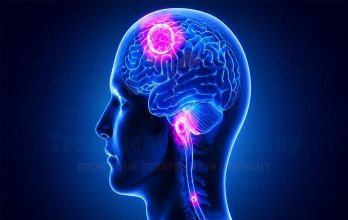
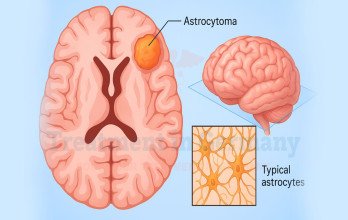
It is a rapidly growing diffuse astrocytic glioma that develops within the central nervous system. Also called glioblastoma multiforme or GBM, it is the most common and aggressive primary malignant brain tumor in adults, accounting for about half of all gliomas [1].

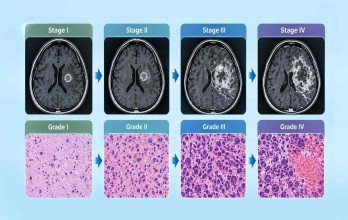
Tumors are graded by how abnormal and aggressive they look under the microscope. Glioblastoma is classified as WHO grade 4, the highest tumor grade, meaning it is highly aggressive and grows rapidly within the brain [4]. Although patients sometimes search for stage 4 glioblastoma, brain tumors are generally graded rather than staged in the same way as cancers of the breast, lung, or other organs.
Under the 2021 World Health Organization classification, the term glioblastoma is now reserved for IDH-wildtype tumors. IDH-mutant tumors that once fell under this name are now classified separately and carry a more favorable prognosis [6]. This molecular precision matters, because it shapes both treatment and the prognosis of glioblastoma.
How Does Glioblastoma Differ from Other Brain Tumors?
Not all brain tumors are the same. Many are benign or slow-growing, while glioblastoma brain cancer is malignant and infiltrative, meaning it weaves into healthy brain tissue rather than staying as a defined lump [1].
This infiltrative growth is what makes glioblastoma so difficult to remove completely and so likely to return. Unlike some cancers, it rarely spreads outside the brain, but its aggressive local growth is what drives the poor glioblastoma prognosis.
What Causes Glioblastoma Grade 4?

Risk Factors, Genetics, and Hereditary Factors
The glioblastoma causes are mostly unknown, and in the majority of cases no clear trigger is found. Research continues into what causes GBM, but a few risk factors have been identified [1]. These include:
- Increasing age, with most cases diagnosed in older adults.
- Previous exposure to ionizing radiation to the head.
- Rare inherited genetic syndromes, such as Li-Fraumeni syndrome and neurofibromatosis.
- Male sex, since the tumor is somewhat more common in men.
Most glioblastomas arise sporadically, without a hereditary cause. Under the WHO CNS5 classification, glioblastoma is defined as an IDH-wildtype diffuse astrocytic glioma that demonstrates characteristic histologic or molecular features. Molecular testing helps distinguish it from IDH-mutant astrocytoma, which is classified separately under the current WHO system [6]. These molecular features guide diagnosis and treatment more than any external cause.
Symptoms and Diagnosis of Glioblastoma Grade 4 in Germany
Early and Advanced Symptoms of Glioblastoma
Glioblastoma symptoms depend on the tumor's size and location in the brain. Because the tumor grows quickly, symptoms often develop over weeks rather than months although the rate of progression varies. Common signs include:
- Persistent, worsening headaches, often worse in the morning.
- Seizures.
- Nausea and vomiting from raised pressure inside the skull.
- Weakness or numbness on one side of the body.
- Difficulty with speech, vision, or memory, and personality changes
Because these symptoms can worsen rapidly, prompt assessment is essential. Any new neurological symptom that persists should be evaluated by a specialist without delay.
MRI, Biopsy, and Molecular Testing in Germany
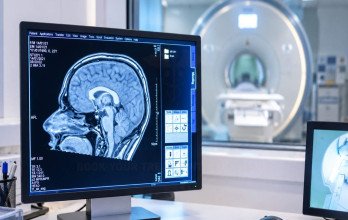
Diagnosis begins with an MRI scan, which shows the tumor's size, location, and characteristic appearance. A definitive diagnosis, however, requires a tissue sample.
A biopsy or surgical removal provides tissue for analysis, histopathological examination combined with molecular testing establishes the integrated WHO diagnosis and tumor grade. This testing identifies IDH status, MGMT promoter methylation, TERT promoter mutation, EGFR amplification, chromosome 7 gain/chromosome 10 loss and other clinically relevant biomarkers, depending on the clinical context. guide treatment and predict the prognosis of glioblastoma [6]. At specialized neuro-oncology centers in Germany, molecular testing is an important part of glioblastoma diagnosis and treatment planning.
Because an accurate molecular diagnosis is important for treatment planning, TIG GmbH can arrange an expert review of imaging and pathology before treatment begins.
What Is the Life Expectancy of Glioblastoma Grade 4?
Average Survival and Long-Term Survival Rates
Survival with glioblastoma varies considerably between patients. With standard multimodal treatment, median survival is generally around 15 months, while one real-world study using the 2021 WHO classification reported a median overall survival of approximately 16 months [1] [3].
Long-term survival is possible but uncommon. Published data generally place five-year survival at approximately 5 to 10%, with one real-world study reporting a rate of 6.8% [3] [4]. The chart below shows how median survival varies with different treatment approaches.

Median survival figures are drawn from separate studies and patient groups, shown together for context rather than as direct head-to-head comparisons.
These figures also show why the glioblastoma multiforme survival rate cannot be represented by a single number. While the malignant glioblastoma survival rate remains low, a meaningful minority of patients live well beyond the average, particularly those with favorable molecular features [2] [4].
Glioblastoma Life Expectancy by Age
Age is one of the strongest influences on outcome. The glioblastoma survival rate by age favors younger patients, who tend to tolerate intensive treatment better and often have more favorable tumor biology [4].
The glioblastoma life expectancy by age therefore varies considerably. Younger, fitter patients generally have a better outlook than older patients, though overall health and molecular markers matter as much as age itself. This is why the GBM survival rate cannot be reduced to a single number that applies to everyone.
What Factors Affect Glioblastoma Life Expectancy?
Several factors shape glioblastoma life expectancy, and together they explain why outcomes vary so widely between patients:
- Age and overall health, with younger, fitter patients generally doing better [4].
- Tumor location, since some areas can be operated on more safely than others.
- Extent of surgical removal, as more complete removal is linked to better outcomes [1].
- Treatment response, which varies from patient to patient.
- MGMT promoter methylation, which predicts a better response to temozolomide chemotherapy and longer survival [2].
- IDH status, which defines the tumor type and prognosis under the current classification [6].
Among the molecular biomarkers, MGMT promoter methylation and IDH status are particularly important prognostic factors. Patients whose tumors have a methylated MGMT promoter generally respond better to temozolomide and have longer survival. In the cited analysis, median survival reached 21.7 months in the MGMT-methylated subgroup, while median survival for the broader trial population was 14.6 months [2].
How Fast Does Glioblastoma Grade 4 Progress?

Glioblastoma Progression and Recurrence
Glioblastoma can progress rapidly, and symptoms may worsen over weeks to months. The course varies between patients and depends on tumor biology and treatment response, which is why treatment usually begins promptly after diagnosis. Most glioblastomas eventually recur despite treatment. The tumor's infiltrative nature means microscopic cancer cells may remain in the brain even after surgery and radiation, allowing the disease to return [3]. This high risk of recurrence is an important part of the disease course.
How Does Recurrence Affect Life Expectancy?
Recurrence is one of the main challenges in managing grade 4 glioblastoma. When the tumor returns, it is often more resistant to treatment, and options may become more limited [8].
Recurrent glioblastoma treatment aims to control the disease and preserve quality of life. Depending on the individual case, options may include further surgery, additional radiation, different systemic therapies, or selected investigational approaches. The timing and treatment of recurrence can influence overall survival.
Can Glioblastoma Grade 4 Treatment in Germany Extend Life Expectancy?
Surgery, Radiation Therapy, and Chemotherapy in Germany
Standard treatment can meaningfully extend survival, and it forms the foundation of glioblastoma treatment. The established approach combines three elements, delivered in sequence.
- Glioblastoma surgery, aiming to remove as much of the tumor as safely as possible, which is linked to better outcomes [1].
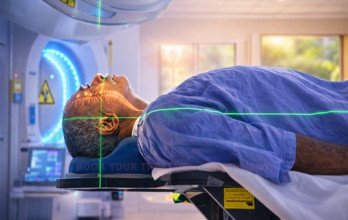
- Radiation therapy, directed at the tumor site to destroy remaining cancer cells.
- Temozolomide chemotherapy, given during and after radiation as part of the Stupp protocol.
In the landmark trial that established the Stupp protocol, median overall survival was 14.6 months with radiotherapy plus temozolomide. Patients with MGMT promoter methylation had better outcomes, with median survival reaching approximately 21.7 months in the cited analysis [2]. In Germany, this care is delivered by experienced neuro-oncology teams at high-volume centers.
Tumor Treating Fields and Personalized Treatment in Germany
Tumor Treating Fields or TTFields, are an additional treatment option that uses low-intensity electric fields to disrupt cancer cell division. The wearable device is used alongside maintenance temozolomide in selected patients with newly diagnosed glioblastoma. In the EF-14 trial, adding TTFields to maintenance temozolomide improved median overall survival to 20.9 months, compared with 16.0 months with maintenance temozolomide alone [2]. This is one example of how glioblastoma treatment in Germany can be adapted to the patient's tumor characteristics and individual circumstances.
Can Advanced Glioblastoma Treatment in Germany Improve Survival?
Dendritic Cell Therapy for Glioblastoma in Germany
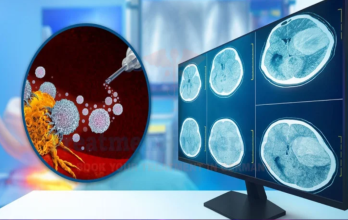
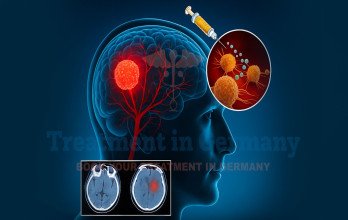
Dendritic cell therapy is a personalized immunotherapy studied as an addition to standard care for glioblastoma. It trains the immune system to recognize and attack tumor cells, offering a different mechanism from surgery, radiation, and chemotherapy [5].
Dendritic cells help activate the immune response by presenting tumor-associated targets to T-cells, which can then recognize and attack cancer cells carrying those targets. The therapy uses a patient's own cells, prepared in a laboratory with tumor antigens, then returned to the body to direct the immune response. The patient's immune cells are collected from the blood and processed in a specialized laboratory before the personalized vaccine is administered.

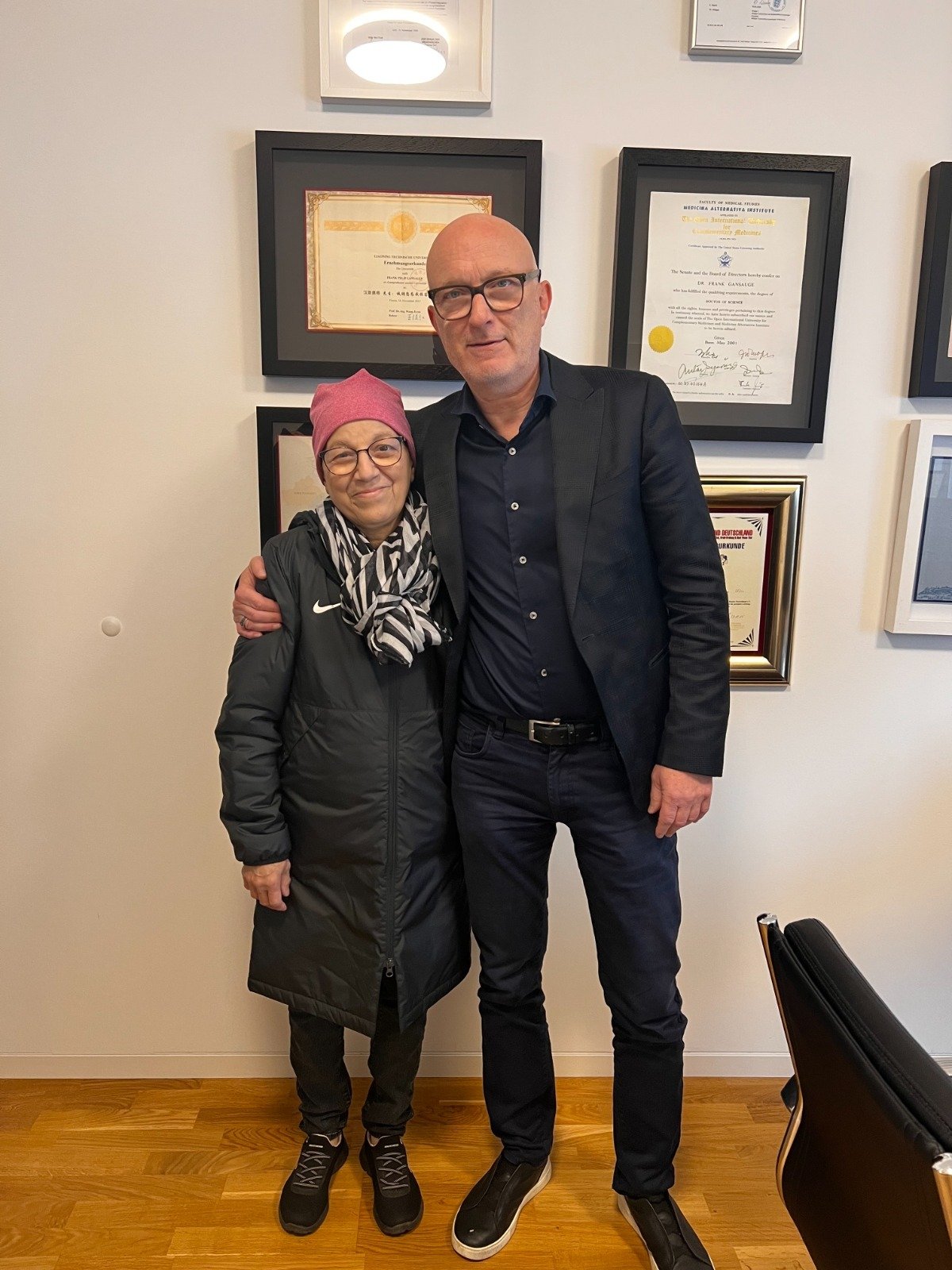
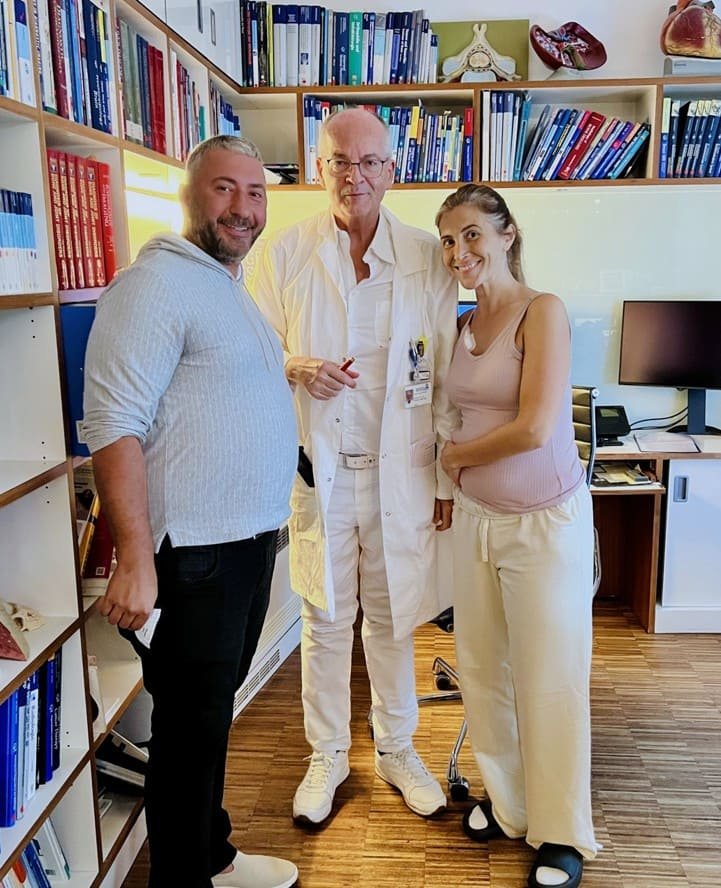
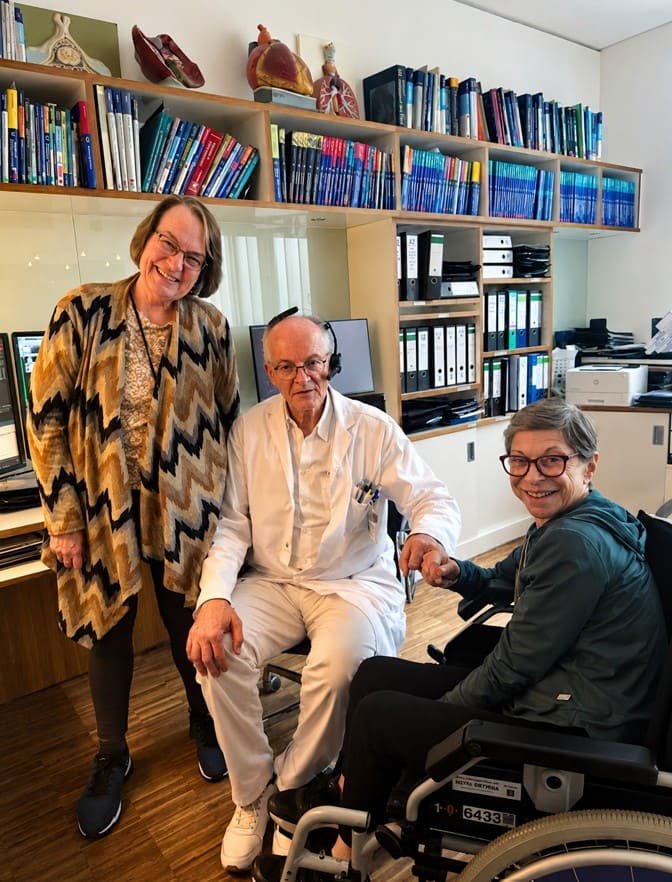
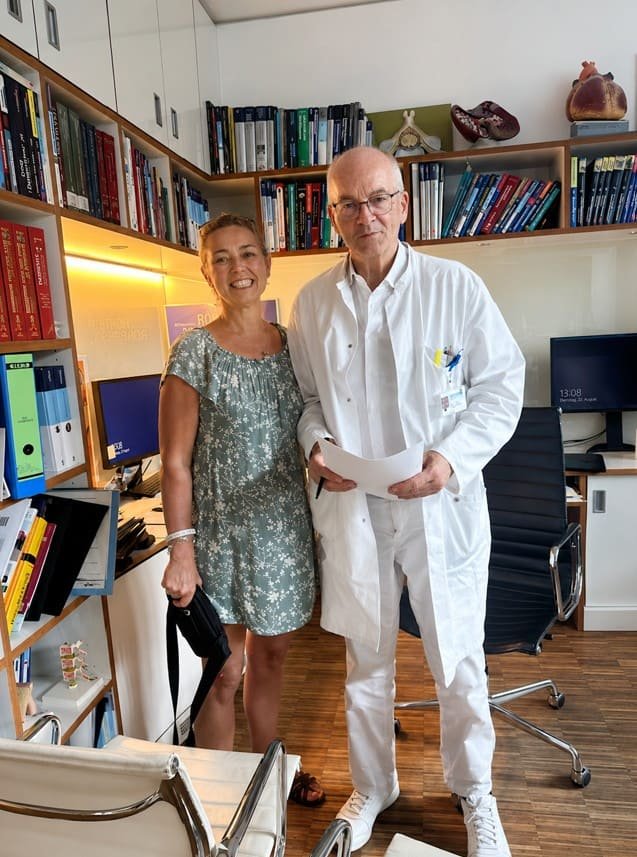
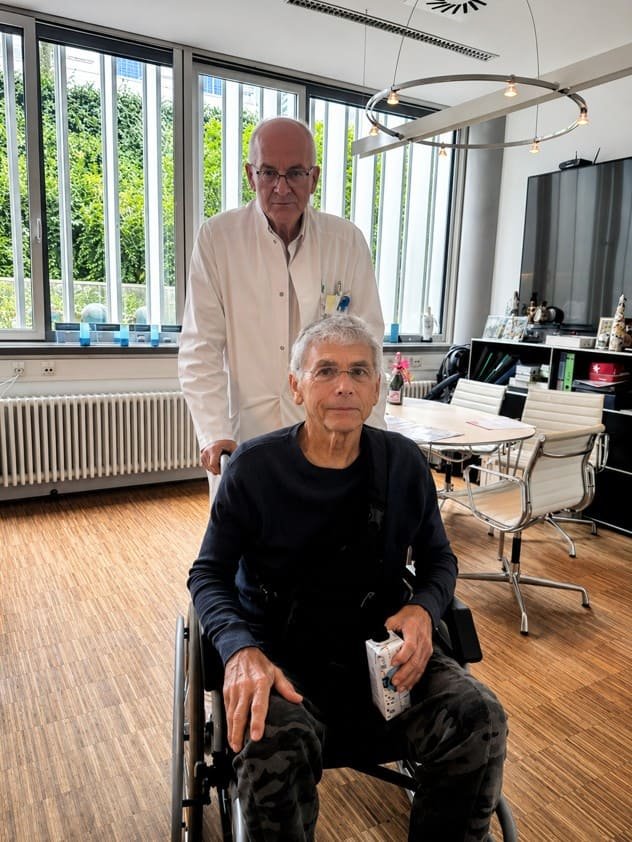
The evidence is encouraging but should be interpreted in the context of the study design. In a large phase 3 study of the autologous dendritic cell vaccine DCVax-L, the intent-to-treat population of 331 patients had a median overall survival of 23.1 months from surgery. In the MGMT-methylated subgroup, median overall survival was 34.7 months, and the estimated three-year survival rate was 46.4%. The treatment was generally well tolerated, with 2.1% of patients experiencing a grade 3 or 4 adverse event considered at least possibly related to the vaccine.The trial was conducted across multiple international sites, including centers in Germany [5]. In Germany, dendritic cell therapy is delivered by Prof. Gansauge at LDG Laboratories and planned alongside standard treatment as part of an individualized treatment approach.
For international patients considering this immunotherapy approach, TIG GmbH arranges specialist consultations and coordinates the visit alongside standard care.
Who Is Eligible for Advanced Glioblastoma Treatment in Germany?
Eligibility is confirmed through a specialist assessment. Suitability for dendritic cell therapy depends on the treatment protocol, disease status, previous treatment, available tumor material, and the patient's overall condition.The specialist assessment may consider:
- Confirmation of the diagnosis and molecular profile.
- Whether the disease is newly diagnosed or recurrent.
- Previous and ongoing treatments.
- The patient's overall health and neurological condition.
- Treatment protocol requirements and the availability of suitable tumor material.
A specialist review is needed to assess suitability because dendritic cell therapy is considered as part of a broader treatment plan rather than as a stand-alone cure. Patients with very poor overall health may not be suitable candidates.
How Effective Is Glioblastoma Treatment in Germany?

Treatment Outcomes and Factors That Influence Survival
Treatment effectiveness varies with the tumor's biology and the patient's health. The strongest predictors of a good outcome are a methylated MGMT promoter, younger age, good overall health, and complete surgical removal [2] [4].
Outcomes can extend well beyond the overall median in some patients, particularly those with favorable molecular features and a good response to treatment. However, results from small early-phase studies should not be applied broadly to all patients.
Why Do Glioblastoma Survival Outcomes Vary Between Patients?
Outcomes vary because glioblastoma is not a single disease. Each tumor has its own molecular profile, and factors such as MGMT methylation and IDH status create very different prognoses [6].
The extent of surgery, the response to chemotherapy, and the timing of recurrence all differ between patients. This is why two people with the same diagnosis can have very different outcomes, and why personalized glioblastoma treatment in Germany focuses on matching therapy to the individual tumor.
Clinical Evidence for Extending Glioblastoma Survival
Research into extending glioblastoma survival is active and ongoing. Standard treatments such as surgery, radiation and temozolomide are backed by extensive clinical evidence. Tumor Treating Fields have also been evaluated in a large randomized trial, while dendritic cell therapies continue to be studied and their role in routine care is still being defined [2] [5].
Not every investigational approach has improved survival. For example, adding ipilimumab to temozolomide did not show a survival benefit in a clinical trial [8]. This is why each option must be judged on its own evidence.
New therapies require evidence from clinical trials and long-term follow-up before they can become part of established standard care. Dendritic cell therapy has shown encouraging survival and safety findings in phase 3 research, although its place in routine glioblastoma care continues to be defined [5] [7].Patients should be clearly informed about the level of evidence supporting each treatment option.
Why Choose Germany for Glioblastoma Grade 4 Treatment?
Germany pairs neuro-oncology expertise with strict medical standards and access to therapies that are limited elsewhere. Its university hospitals combine advanced neurosurgery, molecular diagnostics, radiation, and immune-based treatment in a single system.
Patients looking for the best glioblastoma hospital in Germany often consider centers that combine specialist care, molecular diagnostics, and access to clinical research. The following centers are internationally recognized for neuro-oncology and brain tumor care:

The multidisciplinary model allows neurosurgeons, oncologists, radiologists and other specialists to plan treatment together.TIG GmbH works with these centers and can connect each patient to the right glioblastoma specialist in Germany for their tumor.
Cost of Glioblastoma Grade 4 Treatment in Germany
Treatment costs can vary considerably between patients. The cost of glioblastoma treatment in Germany depends on the therapies used, the extent of surgery, and the overall plan. German centers combine high clinical standards with transparent costs, set out clearly before treatment begins.
Several factors influence the final figure, including the type and number of therapies, the length of treatment, imaging and molecular testing, and whether advanced options are added. Standard surgery, radiation, and chemotherapy carry different costs from newer therapies.
Among the advanced treatment options, dendritic cell therapy costs approximately €27,000 for the complete treatment course with Prof. Frank Gansauge a leading specialist in personalized cancer immunotherapy. This includes the laboratory preparation of the personalized vaccine and the scheduled treatment injections. A clear, itemized cost estimate should always be provided before any commitment to travel.

TIG GmbH provides a personalized breakdown of expected treatment costs before treatment begins, helping patients understand the likely expenses in advance.
International Patient Services for Glioblastoma Treatment in Germany
International patients may need support with medical records, specialist appointments, travel, and communication with the treating center. For glioblastoma, timely coordination can be especially important. This includes a review of the patient's medical records and a second opinion for glioblastoma in Germany, which can confirm the diagnosis and clarify the best options quickly.
Support also covers medical visa assistance, travel and medical interpretation to help patients communicate clearly throughout their care.
Why Choose TIG for Glioblastoma Treatment in Germany?
TIG GmbH helps international patients approach glioblastoma treatment in Germany with clarity and coordinated support at every stage. The service is informational and organizational, working alongside the treating specialists rather than replacing medical advice. From the first medical report review and second opinion to specialist matching, scheduling, travel, and follow-up, TIG GmbH coordinates the practical steps so patients can focus on their treatment.
Your Treatment Journey for Glioblastoma Treatment in Germany
For patients considering grade 4 glioblastoma treatment in Germany, the pathway is organized into clear stages, shown below.

At each step, TIG GmbH coordinates the practical details and keeps patients informed about what comes next.
References
Why Patients Worldwide Prefer Our Medical Services in Germany – Key Benefits Explained

























.webp)
 (1).webp)
.webp)
.jpg)
 (1).webp)
.jpg)