
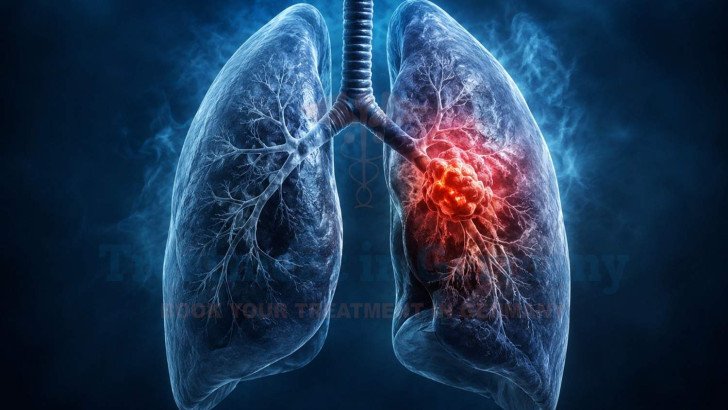
Lung cancer is the third most common cancer in the U.S. It’s caused by harmful cells in your lungs growing unchecked. Several treatment options are available.
Advanced Lung Cancer Treatment in Germany
Lung cancer continues to impose an enormous burden on individuals and healthcare systems worldwide. According to the most comprehensive global cancer statistics, there were approximately 2.48 million new cases and 1.82 million deaths from lung cancer in 2022, making it the most frequently diagnosed cancer and the leading cause of cancer-related death globally [1]. Behind every statistic are patients and families who often undergo extensive diagnostic evaluations, including imaging and specialist consultations, before a diagnosis is confirmed. For many of these families and patients, accessing a specialized cancer center with multidisciplinary expertise is an important step in ensuring appropriate diagnosis and treatment.
Within this landscape, Germany has emerged as one of the most respected destinations in the world for advanced lung cancer treatment. German hospitals combine surgical precision, modern systemic therapy, interventional radiology, and personalized cellular cancer immunotherapy under one structured clinical framework. Whether the diagnosis involves an early lung tumor that may still be operable, advanced-stage lung cancer that has progressed despite first-line treatment, or aggressive small cell lung cancer (SCLC) requiring rapid intervention, the leading cancer centers in Germany approach every case through coordinated multidisciplinary tumour boards and evidence-based protocols.
Considering lung cancer treatment or searching for new treatment options for lung cancer in Germany? TIG GmbH helps international patients access leading specialists by managing the entire journey, from medical evaluation to treatment coordination and follow-up care.
Find out within 24 hours what treatment options may be available for your case and Treatment options are determined following a thorough medical evaluation by a qualified oncology team.
Understanding Lung Cancer: What Patients Need to Know?
Lung cancer is broadly divided into two main categories, and this distinction shapes every treatment decision that follows. Non-small cell lung cancer (NSCLC) accounts for approximately 80–85% of cases, while small cell lung cancer (SCLC) accounts for about 10–15% [2]. Within NSCLC, the main histological subtypes are adenocarcinoma, squamous cell carcinoma, and large cell carcinoma. Adenocarcinoma is the most common subtype and is increasingly seen in non-smokers and women, while squamous cell carcinoma is strongly associated with tobacco smoking. Large cell carcinoma is less common. Small cell lung cancer (SCLC) behaves very differently from NSCLC, growing rapidly and spreading early, but also responding initially to chemotherapy more dramatically than most NSCLC subtypes.

Many patients ask, what the symptoms of lung cancer look like in their earliest, most easily missed stages. The honest clinical answer is that lung cancer is often silent in its earliest phase, which is precisely why screening matters so much for higher-risk individuals. When symptoms do appear, they tend to develop gradually rather than suddenly.
Common warning signs include:
- A persistent cough lasting more than three weeks, often dismissed as a lingering cold
- Coughing up blood, even small amounts streaked in sputum
- Chest pain that worsens with breathing, coughing, or laughing
- Unexplained weight loss and a noticeable drop in appetite
- Shortness of breath that gradually worsens during ordinary activities
- Recurring chest infections or pneumonia in the same area
- Hoarseness or a persistent change in voice
- Swelling around the neck or face from involvement of lymph nodes in lungs and/or Swelling of the face or neck due to compression of major chest veins (such as superior vena cava obstruction
Many patients are first identified incidentally on a lung cancer x ray performed for an unrelated reason, or through low-dose CT screening in those at higher risk. For long-term smokers between the ages of 50 and 80, annual low-dose CT screening is now widely recommended in Germany, the United States, and across Europe.
How Lung Cancer Is Diagnosed in Germany?
Patients with suspected or confirmed lung cancer undergo a comprehensive, multimodal diagnostic workup before treatment recommendations are made. According to data from the German Centre for Cancer Registry Data, lung cancer remains one of the most frequent cancer diagnoses in Germany.
The standard diagnostic process includes:
- Contrast-enhanced CT scan of the chest as the primary imaging modality
- PET-CT scan for accurate lung cancer staging and detection of distant spread
- Bronchoscopy with biopsy to obtain tissue for histological confirmation
- Endobronchial ultrasound (EBUS) for sampling mediastinal and hilar lymph nodes in lungs
- MRI of the brain to rule out brain metastases particularly in stage III–IV or symptomatic disease
- Molecular profiling including EGFR, ALK, ROS1, KRAS, BRAF, MET, RET, NTRK, HER2 testing
- PD-L1 testing to guide immunotherapy decisions
- Pulmonary function tests to assess fitness for surgery or radiotherapy
This precision-staged approach is what distinguishes care at top rated lung cancer hospitalsin Germany. The best lung cancer oncologist in the world for any individual patient is the one who matches their specific tumour biology, and the German system is designed to make this match systematically.
Why Patients Worldwide Are Choosing Germany?
The shift toward treatment of lung cancer in Germany among international families is driven by clinical outcomes, regulatory rigor, and a healthcare culture that genuinely puts patient wellbeing at the centre. Germany's lung cancer centers publish their data openly, participate in international clinical trials, and operate under some of the strictest regulatory frameworks in the world. Patients from the USA, UK and other European countries are travelling to Germany because the infrastructure required for advanced therapies, including molecular diagnostics, cellular dendritic cell immunotherapy, and minimally invasive interventional procedures, is available within a single coordinated system rather than fragmented across separate institutions.
If you or someone you love is facing a difficult diagnosis and wondering what the next step should be, TIG GmbH offers a free case review by experienced medical coordinators who will examine your reports, discuss the realistic options, and help you understand whether advanced lung cancer treatmentis genuinely appropriate for your case. There is no obligation, no pressure, and no charge for the initial review.
Standard Treatment Options for Lung Cancer in Germany
Treatment options for lung cancer depend on cancer type, stage, biomarkers, and overall patient health. Lung cancer treatment facilities routinely combine multiple modalities to deliver outcomes that compare favourably with the best results published anywhere in the world. Lung cancer treatment depends on the stage, genetic profile, and overall health. Most patients receive a personalised combination of therapies rather than a single treatment.
Surgery for Operable Lung Cancer
For operable non-small cell lung cancer (NSCLC), surgery offers the strongest chance of long-term remission. Procedures performed at the best hospital for lung cancer surgery centres include lobectomy, segmentectomy, sleeve resection, and pneumonectomy, increasingly delivered through video-assisted thoracoscopic surgery (VATS) that reduce hospital stay, postoperative pain, and recovery time.
Radiation Therapy
Modern intensity-modulated radiotherapy (IMRT), stereotactic body radiotherapy (SBRT), and, in selected centers, proton therapy allow highly precise radiation delivery to lung tumors while minimizing dose to surrounding healthy tissue.. SBRT in particular has transformed care for early-stage NSCLC patients who are not surgical candidates. Radiotherapy is also central to the treatment of locally advanced non small cell lung cancer, where it is combined with chemotherapy as concurrent chemoradiation followed by consolidation immunotherapy.
Systemic Chemotherapy and Targeted Therapy
Systemic chemotherapy uses platinum-based regimens such as cisplatin or carboplatin combined with pemetrexed, paclitaxel, or etoposide, and remains a cornerstone of treatment in advanced NSCLC and small cell lung cancer (SCLC). Lung cancer targeted treatments match drugs to specific genetic mutations identified during molecular profiling, and the past five years have seen extraordinary progress. Recent years have seen significant progress in NSCLC treatment, with multiple new approvals across targeted therapies and immunotherapies [3].
Common oral lung cancer pill and lung cancer tablets options include:
- Osimertinib for EGFR-mutant NSCLC, including adjuvant use after surgery
- Alectinib and lorlatinib for ALK-positive NSCLC
- Entrectinib and repotrectinib for ROS1-positive NSCLC
- Sotorasib and adagrasib for KRAS G12C-mutant NSCLC
- Dabrafenib plus trametinib for BRAF V600E-mutant NSCLC
- Capmatinib and tepotinib for MET exon 14 alterations
These oral targeted therapies have significantly improved treatment convenience for many patients, allowing outpatient management and reducing the need for frequent intravenous therapy, although individual tolerance and ability to continue daily activities vary.
Immune Checkpoint Inhibitors
Cancer immunotherapy with checkpoint inhibitors such as pembrolizumab, nivolumab, atezolizumab, and durvalumab is now used in early, locally advanced, and metastatic NSCLC, with measurable improvements in survival across multiple settings [4]. The effectiveness of immunotherapy and Response to immunotherapy is influenced by factors such as PD-L1 expression, tumor mutational burden, and the presence of oncogenic driver mutations (e.g., EGFR or ALK), which are often associated with reduced benefit.
Treatment of Small Cell Lung Cancer
Small cell lung cancer treatment in Germany has been revolutionised by the addition of immunotherapy to chemotherapy. The current first-line standard for extensive-stage SCLC combines platinum-etoposide with immune checkpoint inhibitor durvalumab or atezolizumab, which has improved median overall survival compared to chemotherapy alone [5]. For limited-stage SCLC, concurrent chemoradio therapy remains standard treatment, and immunotherapy consolidation as demonstrated by meaningful long-term survival improvements based on landmark 2024 trial data.
Table 1: Lung Cancer Stages and Approximate 5-Year Survival

The survival rate of lung cancer has improved meaningfully across every stage in the past five years thanks to molecular profiling, immunotherapy combinations, and better surgical and radiotherapy techniques.
Advanced Interventional Therapies in Germany
Beyond standard care, Germany offers minimally invasive interventional therapies that few other countries provide within a single regulated framework. These approaches do not promise a cure, but for the right patient they can support meaningful tumour control, symptom relief, and improved quality of life when other options have been exhausted or have stopped working.
TACE for advanced lung cancer treatment in Germany
Transarterial chemoembolization (TACE) is an interventional radiology procedure primarily used for liver tumors, including hepatocellular carcinoma and selected liver metastases. In lung cancer patients, it may occasionally be used when liver metastases are present in highly selected cases. immediately followed by tiny embolic particles that block the blood flow. This dual mechanism concentrates a powerful chemotherapy dose precisely inside the tumour while cutting off the oxygen and nutrients needed for tumour growth. In lung cancer, TACE treatment in Germany is most often used when liver metastases co-exist with the primary lung disease, or for tumours supplied by the bronchial arterial system that can be selectively catheterised.

TPCE Treatment (Transpulmonary Chemoembolization) is a specialised minimally invasive interventional procedure designed specifically for tumours within the lungs. Using a transvenous catheter approach, chemotherapy is delivered directly into the pulmonary arterial supply of a lung tumor or pulmonary metastasis, immediately followed by embolic agents that occlude the tumour's local blood flow. TPCE for lung cancer has been particularly valuable for unresectable lung tumours and pulmonary metastases that have not responded to systemic chemotherapy. A long-term study from a German specialist centre evaluating Transpulmonary chemoembolization (TPCE) is an experimental interventional technique studied in limited clinical settings for pulmonary tumors and metastases.1, 2, 3, and 4-year survival rates of 70.4%, 41.4%, 22.3%, and 5%, respectively, in the TPCE-treated cohort A single-center observational study reported survival outcomes in selected patients; however, these results have not been validated in large randomized controlled trials [6]. The TPCE procedure is performed under continuous fluoroscopic imaging by experienced interventional radiologists and is generally well tolerated.
TACP for advanced lung cancer treatment in Germany

TACP Treatment (Transarterial Chemoperfusion) is closely related to TACE and TPCE but operates on a different principle. TACP for lung cancer uses the same precise catheter-based delivery of chemotherapy directly into the artery feeding the tumour, but the artery is not blocked afterwards. Blood flow is preserved throughout the procedure, allowing continuous perfusion of the tumour with chemotherapy rather than inducing the ischemic effect of full embolisation. The TACP procedure is gentler, has shorter recovery times, and is particularly suited to patients with smaller tumours, less robust lung function, or vascular anatomy that makes embolisation challenging.
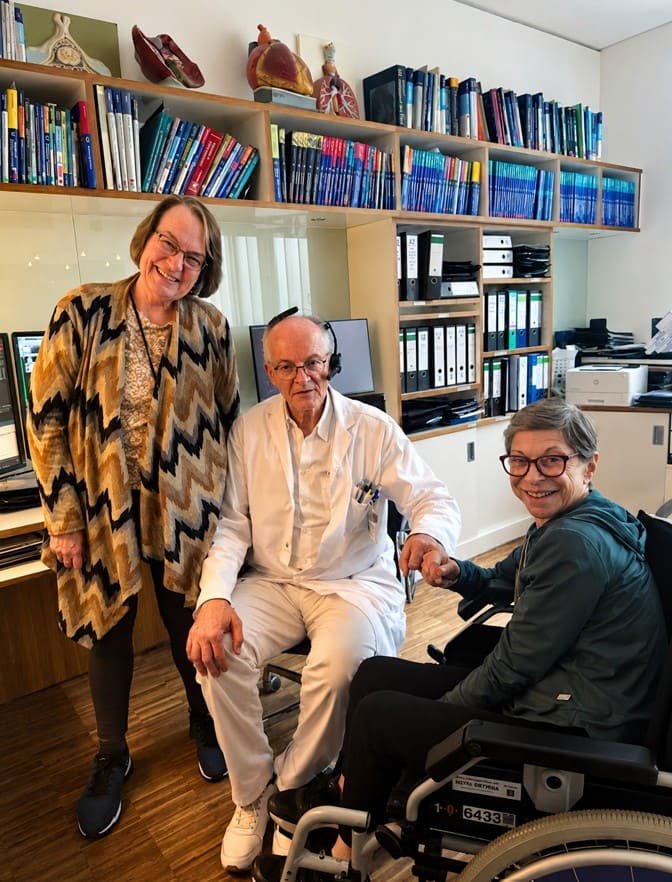
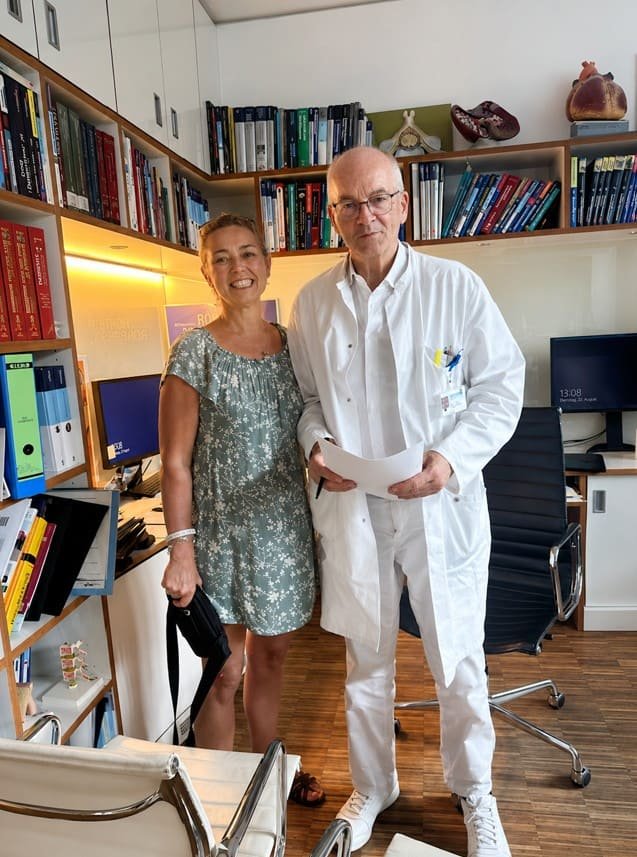
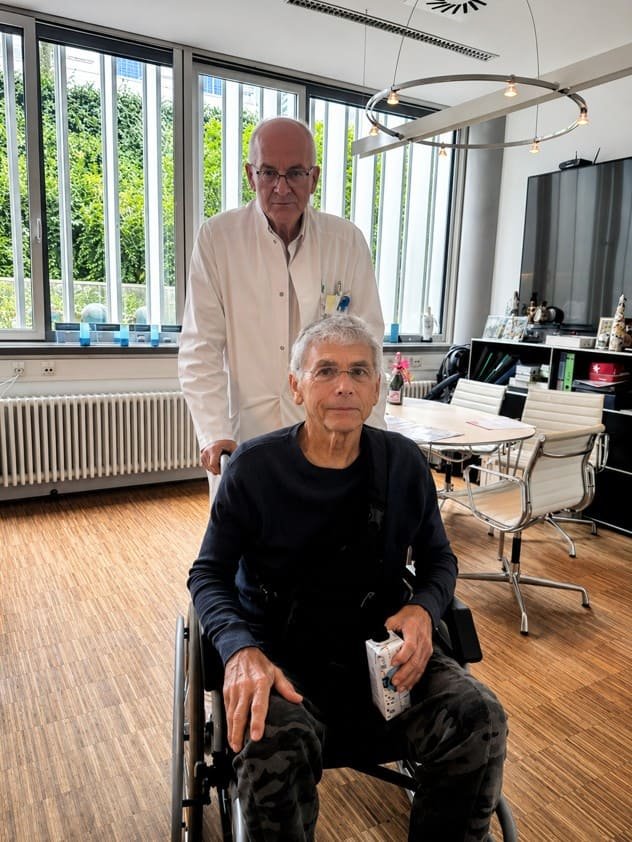
These interventional therapies are typically considered in selected patients and are not part of standard first-line treatment in most international guidelines and thecost of TACE, TPCE and TACP therapy in Germany typically ranges between €8,000 and €9,000 per session, by Specialists such as Prof. Vogl, expert in embolization therapiesbased in Frankfurt. Patients referred through TIG GmbH gain direct access to his team with full coordination support from first contact through to follow-up.
Dendritic Cell Therapy for advanced lung cancer treatment in Germany

Dendritic Cell Therapy for Lung Cancer is a personalized cellular cancer immunotherapy that trains the patient's own immune system to recognise and attack lung cancer cells. The scientific foundation traces back to Ralph Steinman's 1973 discovery of dendritic cells, which earned him the 2011 Nobel Prize in Physiology or Medicine. In modern clinical practice, monocytes are collected from the patient’s blood, matured into active dendritic cells in a GMP-certified laboratory, and loaded with tumour-specific antigens taken from the patient’s own cancer tissue. The resulting vaccine is reinjected to activate cytotoxic T-cells against the tumour, creating trained immune memory that continues working long after the treatment course ends.
The role of dendritic cell therapy in treating NSCLC is supported by a growing body of clinical evidence across the past decade. A 2025 review of cellular immunotherapy in NSCLC concluded that DC vaccines have been shown to be safe and capable of activating immune responses, with ongoing research exploring its potential to improve outcomes when combined with standard therapies [7]. Early-phase studies and reviews suggest dendritic cell vaccines are generally safe and can induce immune responses; however, consistent survival benefits in NSCLC have not yet been established in large randomized trials A 2024 narrative review further confirmed that DC-based immunotherapy continues to show promise in overcoming immune resistance in NSCLC treatment, particularly when combined with standard care [8]. While promising, dendritic cell therapy is still being actively studied, and its role varies depending on the patient’s condition and treatment history.
The cost of dendritic cell therapy in Germany is approximately €27,000 for total course, delivered by Prof. Gansauge at LDG Laboratories. Key advantages of dendritic cell immunotherapy for advanced NSCLC patients include:
- Built entirely from the patient's own immune cells, so rejection risk is essentially absent
- Generally well tolerated alongside standard chemotherapy or checkpoint inhibitors
- Mild, self-limiting side effects in most patients, typically injection-site reactions and short flu-like symptoms
- Suitable for advanced-stage lung cancer patients seeking an additional active treatment option
- Maintains immune surveillance for months after the treatment course ends, supporting personalized cancer management
To explore whether the current clinical evidence supports dendritic cell therapy for your specific lung cancer type and stage, TIG GmbH can connect your case to a specialist for an individualised review.
Best Clinics for Lung Cancer Treatment in Germany
Through TIG, international patients access the best Lung Cancer Hospitals in Germany, each known for clinical excellence, modern infrastructure, and an established academic reputation:
Best Clinics for Lung Cancer Treatment in Germany

Each centre offers access to new clinical trials for lung cancer patients including next-generation immunotherapy combinations, novel targeted agents, and experimental cellular therapies. Matching a patient to the right facility requires knowledge of their tumour biology, their stage, their treatment history, and their personal goals, and that match is exactly what TIG coordinators help identify.
Real Patient Success Story: Karen and Wayne's Journey with TIG
Medical facts and statistics are important, but for many families, treatment decisions are deeply personal. They often come during a difficult time, when people are searching for hope and clear guidance.
Karen, the mother of 42-year-old Wayne, contacted TIG GmbH, carrying the kind of weight that no statistics can ease. Wayne had been diagnosed with bowel cancer in April 2023, and despite multiple rounds of chemotherapy at home, the disease had progressed to his liver. After being told that further conventional treatment was not advised, Karen began searching internationally for what might still be possible.
From her very first contact, Karen described the experience as completely different. Every question and concern was answered patiently. Every step of the journey was explained clearly. The patient was matched with the right specialists in Germany, coordinated every appointment, handled the language barrier, and arranged a dedicated chaperone, Samir, who stayed by their side throughout the journey and never left them feeling alone in an unfamiliar country. Karen said the experience put her at ease at the very moment when she most needed peace of mind, and that Samir's presence made the same difference for Wayne. She has since said she would absolutely recommend us to other families and is planning to return to Germany with Wayne for ongoing care.
Watch Karen share her full story in her own words here: https://www.youtube.com/watch?v=2FsHbq6_Fhs
Her experience makes clear what so many other families have also discovered: that outcomes are shaped as much by the coordination process as by the treatment itself. When the journey feels organized, transparent, and genuinely caring, families are able to focus on what matters most, which is being present for the person they love.
Why International Patients Choose Germany for Lung Cancer Treatment?
Best lung cancer treatment in the world is a phrase patients search frequently, and Germany consistently ranks among the very top destinations. Lung cancer treatment facilities in Germany combine clinical excellence with ethical regulation and a patient-centred culture. International patients consistently highlight:
- Named specialists for targeted procedures and immunotherapy.
- GMP-certified laboratories with strict regulatory oversight
- Multidisciplinary tumour boards reviewing every complex case
- Access to new clinical trials for lung cancer patients offering next-generation therapies
- Specialist evaluation within 24 to 48 hours of report submission
- Transparent fixed pricing with no hidden costs
- Full coordination from arrival to long-term follow-up
For families researching the best hospital for lung cancer surgery or personalized cancer management internationally, structured medical coordination ensures a smooth journey.
How TIG GmbH Supports International Lung Cancer Patients?
TIG GmbH is an officially registered patient coordination platform that connects international cancer patients with certified hospitals and leading specialists across Germany. From submitting your medical reports for initial review, through report translation, specialist evaluation, eligibility confirmation, personalized treatment plan creation, travel support, appointment coordination, dedicated chaperone services, transparent billing, and post-treatment follow-up, every step is managed in a single coordinated process. What TIG GmbH offers international patients includes:
- Free initial case review by experienced medical coordinators
- Priority appointment scheduling with leading lung cancer specialists
- Customised treatment plans built around your specific diagnosis and history
- Comprehensive visa support for the entire application process
- Direct hospital payments with full financial transparency
- Choice of doctors across Germany's leading cancer centers
- Dedicated coordinator and interpreter assistance throughout your stay
- Continuous follow-up coordination after you return home
- Fixed program cost with clear, confirmed pricing before travel
- Multilingual support in your native language at every stage
To begin your journey with best lung cancer treatment in Germany, contact our team directly. Submit your medical reports for a free initial case review at TIG GmbH, and a coordinator will respond within 24 hours with a clear, personalised assessment of your options.
Why Choose Us & Your Treatment Journey (TIG GmbH)?
At TIG, we focus on providing a seamless experience for international patients seeking innovative cancer treatment in Germany. From the moment you share your medical reports, our team coordinates every step of your journey. This includes expert case review, hospital selection, appointment scheduling, and travel support.
Your treatment journey is designed to be clear and structured, ensuring that you receive the best possible care without unnecessary stress. With dedicated support throughout the process, we help you navigate advanced cancer treatment with confidence and clarity.
👉 Contact TIG GmbH today to begin your personalized treatment journey in Germany.
References
Related Articles:
- What Is the Survival Rate for Stage 4 Lung Cancer with Immunotherapy 2026?
- Treatment Options for Lung Cancer in Germany
- How Effective Is Chemotherapy for Stage 4 Lung Cancer?
- What Are the Most Effective Lung Cancer Treatment Options in Germany?
- What Is Stage 4 Non-Small Cell Lung Cancer?
Why Patients Worldwide Prefer Our Medical Services in Germany – Key Benefits Explained































.webp)
 (1).webp)
.webp)
.jpg)
 (1).webp)
.jpg)