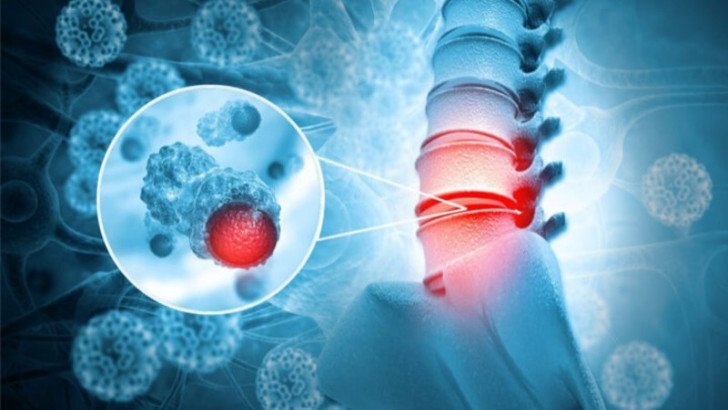
Sarcoma is a rare group of cancers that originate in connective tissues such as muscles, fat, blood vessels, nerves, or bones. These tissues are present throughout the body, which means sarcomas can grow in many different locations, making diagnosis and treatment more difficult. The disease may remain unnoticed in early stages due to subtle symptoms, but as it progresses, tumors can grow larger or progress to distant organs. Because of this variability, sarcoma requires highly individualized treatment planning supported by advanced medical expertise and diagnostic precision. International patients can seek Sarcoma treatment in Germany at specialized German clinics with various targeted treatment options.

Germany has become a trusted destination for patients seeking new treatment options for sarcoma. Treatment is provided within well-established German healthcare centers and specialized German oncology clinics, where multidisciplinary teams carefully evaluate each case. Immune-based approaches such as dendritic cell therapy are associated with Prof. Gansauge, known for his work in advanced cellular immunotherapy. Many international patients choose Germany because of access to the latest medical technology, experienced German specialists, and affordable treatment in Germany for international patients, ensuring structured and reliable care pathways.

Sarcoma develops from connective tissues that support and structure the body, including muscles, bones, fat, and blood vessels. Unlike cancers that arise from organs, sarcomas can appear almost anywhere in the body, which often makes early detection complicated. The biological behavior of sarcoma varies widely depending on its subtype, with some tumors growing slowly while others may spread more rapidly.
Because of this variability, treating physicians must carefully evaluate each case to determine tumor behavior and progression risk. Advanced imaging and clinical assessment play a key role in understanding disease extent. Treatment strategies are designed based on tumor characteristics, ensuring that each patient receives an individualized and medically guided approach.
Symptoms of sarcoma depend mostly on the tumor’s size and location within the body. Many patients initially notice a painless lump or swelling that slowly increases over time. As the tumor grows and start spreading to other organs, it may begin to cause discomfort or pain by pressing against nearby nerves or tissues, which can affect mobility or daily activities.
In more advanced cases, patients may experience fatigue, weight loss, or functional limitations depending on the affected area. Because these symptoms can be nonspecific, early medical evaluation is important. Imaging methods such as CT, MRI, and PET scans are used to assess tumor size and spread, helping physicians confirm diagnosis and guide treatment planning.
Accurate diagnosis is essential for determining the most appropriate treatment strategy for sarcoma. Physicians typically begin with a detailed clinical evaluation followed by imaging studies and biopsy to confirm tumor type. These steps help identify the exact nature of the tumor and its extent within the body.
In Germany, diagnostic processes are supported by advanced diagnostics and the latest medical technology, allowing highly precise evaluation of tumor characteristics. Imaging techniques such as CT, MRI, and PET scans provide detailed insights into tumor location and spread. These findings are reviewed within multidisciplinary teams in German Oncology centers, ensuring that treatment decisions are based on comprehensive clinical assessment.
Standard treatment strategies for sarcoma often include surgery, radiation therapy, and systemic treatment options depending on tumor stage and location. Surgery may be considered when the tumor can be safely removed, while radiation therapy may be used to control local disease or reduce tumor size.
In advanced cases, treatment focuses on controlling tumor growth and managing symptoms like pain. Physicians may combine multiple therapies to achieve better disease control and improve patient outcomes. The goal is to create a balanced treatment plan that addresses both the tumor and the patient’s overall condition.

Dendritic cell therapy is an advanced immune-based treatment designed to enhance the body’s ability to recognize and respond to cancer cells. This approach focuses on strengthening the immune system rather than directly targeting tumors, making it a valuable addition to comprehensive treatment strategies. It is considered among innovative treatment options in Germany for selected sarcoma patients, particularly in advanced or complex cases.
The therapy begins with the collection of immune cells (monocytes) from the patient’s blood under controlled medical conditions. These cells are carefully isolated to ensure their viability and functionality. The collection process is performed in a clinical setting to maintain safety and ensure optimal cell quality for further processing.
Once collected, the cells are transferred to an EU-GMP certified laboratory, where they are cultured under strictly regulated conditions. In this environment, the cells are exposed to tumor-associated antigens derived from sarcoma tissue. This process enables them to mature into dendritic cells capable of presenting cancer markers to the immune system.
After preparation, the cells are administered back to the patient as a personalized dendritic cell vaccine. Several dendritic cell therapy benefits include improved immune recognition of cancer cells and enhanced systemic response. Physicians monitor patients for dendritic cell therapy side effects, which are generally mild and may include fatigue. The dendritic cell therapy recovery time varies depending on individual response. The cost of Dendritic Cell Therapy in Germany is €27,000, this approach is considered investigational in many clinical settings and is typically used within specialized or regulated programs.
Germany offers a structured research environment where new cancer treatments are continuously evaluated under strict medical regulations. Some patients may be considered for new clinical trials for advanced Sarcoma in Germany, depending on tumor characteristics and prior treatment history.
These trials focus on emerging approaches such as advanced immunotherapies, targeted treatments, and combination strategies. Participation is based on detailed medical evaluation and specific eligibility criteria, ensuring patient safety while exploring new treatment possibilities.
Immune-based treatments such as dendritic cell therapy may not be appropriate for all patients, as suitability depends on factors like tumor type, immune function, and overall health condition. In some situations, doctors may recommend standard treatment approaches as the primary option based on individual clinical findings and disease behavior.
Regular follow-up using imaging methods such as CT, MRI, and PET scans plays an important role in assessing how the disease is responding and identifying any progression. The overall aim of treatment is to slow tumor growth, manage symptoms, and support the patient’s quality of life throughout the course of care.

Many international patients travel to Germany for specialized cancer care and access to advanced treatment programs. Germany offers structured treatment within accredited German healthcare centers, where multidisciplinary teams evaluate diagnostic findings and recommend personalized therapies.
For patients coming from overseas, Treatment in Germany (TIG) provides coordinated support throughout the treatment journey. This includes assistance with medical appointments, diagnostic scheduling, and communication with specialists, allowing patients to focus on their treatment while logistical processes are managed efficiently.
Patients may also request a free consultation with TIG (Treatment in Germany) to receive individualized guidance and coordinated access to specialized oncology centers


Sarcoma is a rare cancer that develops in connective tissues like muscles, bones, or fat. It can occur in different parts of the body and vary in behavior.
Symptoms may include a painless lump, swelling, or pain in the affected area. These signs can gradually increase as the tumor grows.
Treatment may include surgery, radiation, and immunotherapy such as dendritic cell therapy. Plans are customized based on tumor characteristics and patient condition.
It is an immunotherapy that helps the immune system recognize cancer cells. This approach supports the body’s natural response against tumors.
It enhances immune recognition of cancer cells and may support systemic response. It is often used alongside other treatment strategies.
Yes, sarcoma can spread to organs such as the lungs in advanced stages. This is known as metastatic disease and requires comprehensive management.
It is considered in selected patients as part of advanced treatment strategies. Suitability depends on clinical evaluation and immune status.
Yes. International patients can access innovative treatments for sarcoma in Germany, with full logistical coordination provided by TIG (Treatment in Germany) covering appointments, travel, medical visa assistance (if needed), and follow-up care.
Kindly complete the form below, and our dedicated team will reach out to you promptly. We look forward to connecting with you soon!
Trierer Straße, 56072 Koblenz, Germany

Our benefits:
.webp)
 (1).webp)
.webp)
 (1).webp)
.jpg)