
11 min read 7 clicks
When breast cancer spreads to the liver, treatment usually involves medicines that work throughout the body. For selected patients, liver-directed procedures may also help control the metastases. One such approach is transarterial chemoembolisation (TACE), which delivers chemotherapy directly to liver tumours while reducing their blood supply. TACE for breast cancer liver metastases may be considered when liver disease is the main concern or continues to progress despite previous treatment. Doctors assess liver function, disease extent and the patient’s overall health before recommending the procedure alongside systemic treatment. TACE is one part of the wider breast cancer treatment in Germany, which is planned by a multidisciplinary team.
Understanding TACE for Liver Metastases
TACE combines chemotherapy delivery with embolisation. Chemotherapy is administered directly into the arteries supplying the liver tumours, followed by material that reduces or blocks blood flow.
An interventional radiologist guides a thin tube called a catheter through the blood vessels to the affected area. The chemotherapy is delivered locally, followed by embolic particles or other materials to reduce the tumours’ blood supply. Depending on the technique, this may help retain chemotherapy within the treated area. Liver metastases receive much of their blood supply from the arteries feeding the tumours, while healthy liver tissue receives most of its blood through a separate circulation. This difference allows treatment to target the metastases while limiting damage to surrounding healthy tissue [1].
TACE Eligibility for Breast Cancer Patients

Whether TACE is suitable depends on liver function, disease extent, previous treatments and the patient’s general condition. The German AGO breast cancer guideline (2026) states that TACE may be considered in individual cases after an interdisciplinary decision, while systemic therapy remains the preferred treatment for metastatic breast cancer [2].
When TACE May Be Considered for Liver Metastases
TACE may be considered in selected situations, including:
- Liver metastases that cannot be removed surgically or treated with ablation, particularly when disease is confined mainly to the liver.
- Liver metastases that continue to progress despite systemic treatment, when regional therapy may provide additional disease control [3].
Progression alone does not establish eligibility. Doctors also assess disease outside the liver, liver function and the patient’s overall condition before recommending TACE alongside systemic treatment [4].
TACE Compared With Other Liver-Directed Treatments
In Germany, a multidisciplinary tumour board may consider TACE alongside other liver-directed procedures. The choice depends on the number, size and location of metastases, liver function and previous treatment [2].
| Procedure | How it works and when it may be considered |
|---|---|
| Surgery (liver resection) | Removes the metastases, considered mainly for a few metastases with no disease outside the liver. |
| Thermal ablation | Destroys small metastases with heat (radiofrequency or microwave) through a needle. |
| Stereotactic radiotherapy (SBRT) | Delivers high-dose radiation to a few well-defined metastases from outside the body. |
| TACE | Delivers chemotherapy into the liver arteries, followed by embolisation, can treat several metastases in one session. |
| SIRT (radioembolisation) | Delivers tiny radioactive beads into the liver arteries, used for larger or multiple metastases. |
Tests Before TACE Treatment in Germany
Before TACE, doctors assess liver function, the extent of the metastases and whether the blood vessels allow safe treatment. The medical assessment usually includes:
- Contrast-enhanced MRI or CT scans of the liver and its blood vessels.
- Liver function tests, including bilirubin and albumin levels.
- Assessment of portal vein blood flow and possible obstruction [1].
- The proportion of liver tissue affected by metastases.
- Blood counts, kidney function and clotting tests.
Extensive liver metastases, severely reduced liver function or poor general health may increase the risks of embolisation. Doctors also review previous chemotherapy and the timing of ongoing systemic treatment. For patients considering TACE treatment in Germany, these findings are assessed by the medical team before confirming whether the procedure is suitable.
Recent liver scans, blood tests and treatment records can be submitted for an individual medical assessment.
Types of TACE: cTACE, DEB-TACE and DSM-TACE
Different TACE techniques use different materials to deliver chemotherapy and reduce blood flow to liver tumours. The interventional radiologist selects the approach according to each patient’s condition.
| Technique | What is delivered into the artery |
|---|---|
| Conventional TACE (cTACE) | Chemotherapy combined with an oily contrast agent (Lipiodol), usually followed by embolic particles |
| Drug-eluting bead TACE (DEB-TACE) | Small beads containing chemotherapy that gradually release the drug within the treated area |
| Degradable starch microspheres (DSM-TACE) | Chemotherapy with temporary starch particles that reduce blood flow before dissolving |
The chemotherapy drug and TACE technique are selected after reviewing previous treatments, liver function and the characteristics of the metastases. Published studies of TACE for breast cancer have used different chemotherapy drugs and embolic materials, with no single established standard [3].
TACE Procedure and Treatment Sessions

The TACE procedure may involve one or several sessions, depending on the extent of liver disease and the response to treatment. Imaging is performed after treatment to assess changes in the metastases.
TACE Procedure on Treatment Day
The procedure generally includes:
- Blood tests to check liver function and clotting before treatment.
- Local anaesthesia at the catheter entry site, usually in the groin or wrist, with sedation or pain relief when needed.
- Catheter placement under X-ray guidance into the arteries supplying the metastases.
- Delivery of chemotherapy followed by embolisation to reduce blood flow.
- Catheter removal and application of pressure or a closure device at the entry site.
After the procedure, patients are monitored for pain, nausea, fever and other possible complications. Some patients can leave the hospital the same day, while others require an overnight stay depending on their condition and recovery. Many patients require hospital observation, and the timing of discharge is determined by the treating team.
Number of TACE Sessions and Follow-Up Imaging
TACE sessions may be repeated several weeks apart, with the exact interval determined by liver function, recovery and treatment response. MRI or CT scans help doctors assess whether the liver metastases have decreased in size, remained stable or progressed. These results guide decisions about further treatment. When metastases affect both sides of the liver, treatment may be performed in separate sessions to reduce the risk of liver injury. An individual treatment plan, including the proposed technique and number of sessions, is prepared after specialist assessment.
TACE Side Effects and Recovery
Side effects of TACE treatment vary according to the treatment technique, liver function and overall health. Most common reactions are temporary and can be managed with medication. Post-embolisation syndrome is the most frequently reported reaction [3].
Common side effects include:
- Post-embolisation syndrome, causing fever, tiredness, upper abdominal pain and nausea, usually lasting several days.
- Bruising, discomfort or minor bleeding at the catheter entry site.
- Temporary changes in liver blood test results.
Less common but serious complications include:
- Liver abscess or other infections.
- Injury to the gallbladder or bile ducts.
- Liver failure, particularly in patients with reduced liver function or extensive liver involvement.
A 2025 systematic review reported serious (grade III or higher) complications in approximately 8.3% of patients across studies [3]. Patients should contact their treating team immediately if they develop persistent fever, severe abdominal pain, jaundice, breathing difficulties or significant bleeding. Follow-up blood tests and imaging help doctors assess liver recovery before any further treatment.
TACE Results and Evidence in Breast Cancer
TACE aims to control tumour growth within the liver and may help relieve related symptoms in selected patients. A 2025 systematic review reported median local disease control of 68.7% at three months and median overall survival of 15.3 months across TACE studies. These findings reflect selected patients and cannot predict individual outcomes. Most of these studies were small and retrospective, and results varied according to liver involvement, previous therapies and the patient’s general condition [3].
TACE is a specialised liver-directed option rather than routine standard treatment for metastatic breast cancer. Randomised trials are lacking, and its effect on survival remains uncertain. Doctors assess its potential role alongside systemic treatment through multidisciplinary review [2] [4].
TACE Treatment in Germany for International Patients

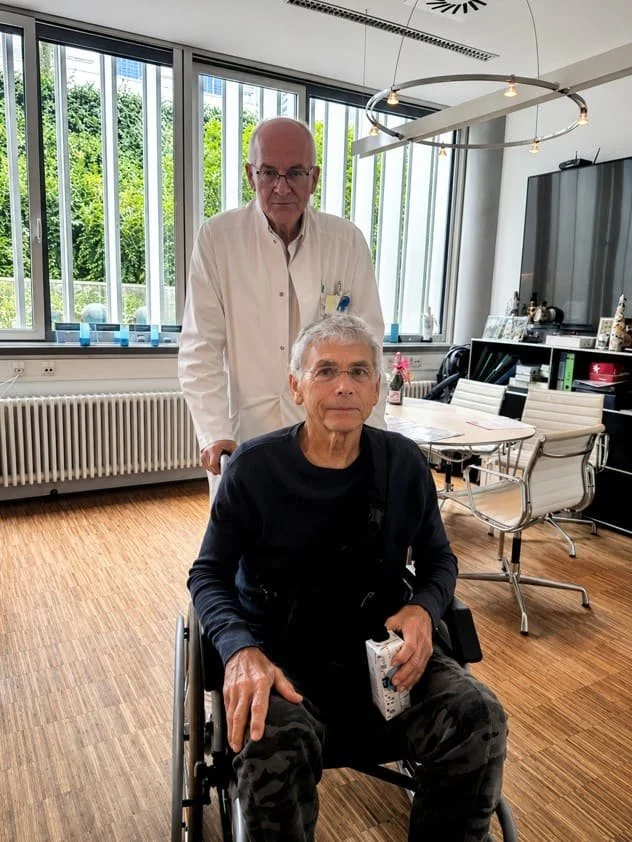
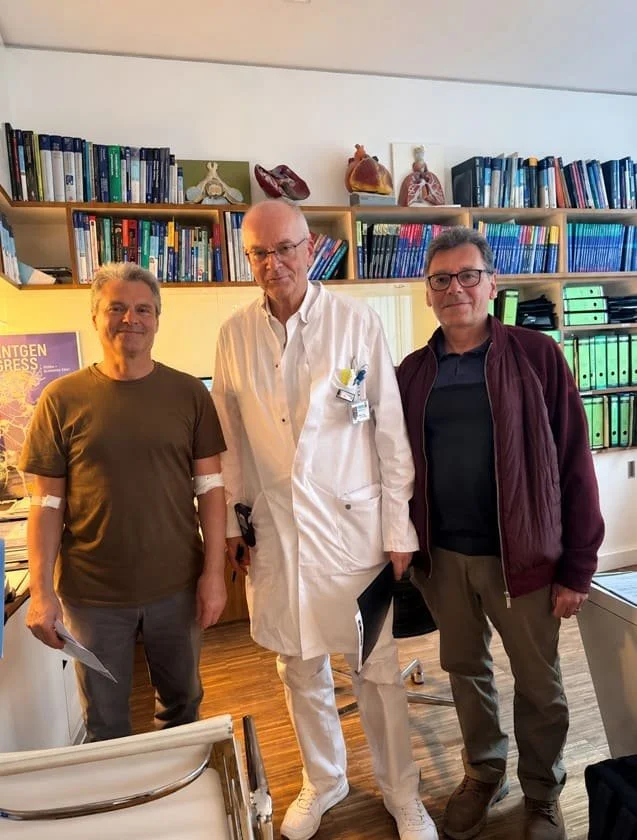
In Germany, TACE treatment is performed by specialists in interventional radiology. In Frankfurt, Prof. Dr. Thomas J. Vogl has expertise in regional cancer treatments and interventional procedures. TIG GmbH helps international patients coordinate medical reviews, specialist appointments and treatment planning.

Steps to Arrange TACE in Germany
- Medical reports, imaging and treatment history are submitted for specialist review.
- The specialist assesses whether TACE may be suitable and advises on the next steps.
- An invitation letter and medical visa guidance are provided when required.
- Treatment appointments are scheduled in coordination with ongoing systemic therapy.
- Necessary travel arrangements and logistical support are coordinated.
TACE Treatment Cost in Germany
The cost of TACE treatment in Germany depends on the required imaging, treatment technique, chemotherapy drugs, number of sessions and hospital care. Costs in Frankfurt are estimated individually after the specialist reviews the medical records and recommends a treatment plan. Further information is available in our guide to TACE treatment costs.
Medical Records Required for TACE Assessment
The medical review is based on:
- Histopathology report with hormone receptor and HER2 status.
- Recent contrast-enhanced MRI or CT of the liver, with reports.
- Recent blood tests, including liver values.
- Treatment history with drugs and dates.
- Current medication list.
- Passport copy.
Patients considering TACE treatment for breast cancer can have their medical records reviewed by a German specialist. TIG GmbH can help coordinate the specialist consultation, treatment planning and logistical support for international patients. To explore your treatment options, send your medical reports for assessment.
References
Why Patients Worldwide Prefer Our Medical Services in Germany – Key Benefits Explained
International patients planning TACE treatment for breast cancer in Germany may need support with hospital consultations, medical documentation, translations, and travel arrangements. TIG GmbH helps coordinate these practical steps and communication with healthcare providers according to each patient's needs and the services agreed.
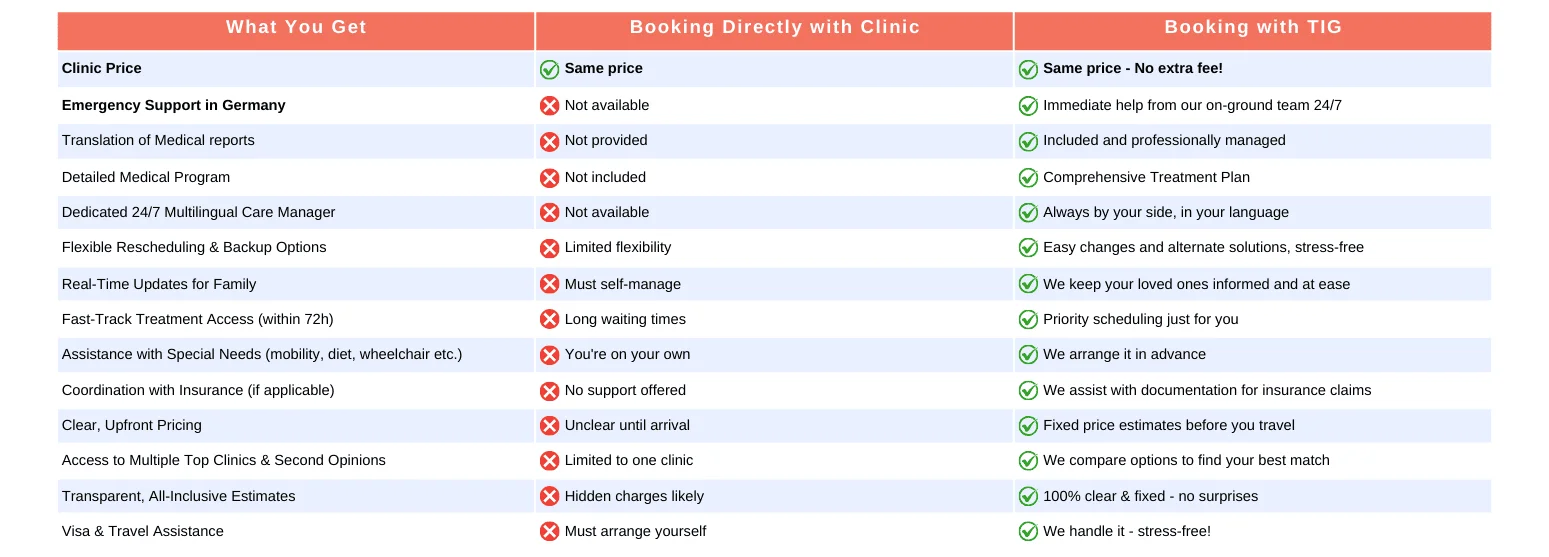
The table above compares the support and coordination services offered through TIG GmbH for TACE treatment of breast cancer in Germany with the arrangements patients may need to manage when booking directly with a clinic.

Frequently Asked Questions About TACE for Breast Cancer in Germany
1. Can TACE help if chemotherapy is no longer working?
TACE may be considered when breast cancer liver metastases continue to progress despite chemotherapy. Doctors assess liver function, disease outside the liver and previous treatment before deciding whether this regional approach may offer additional disease control.
2. Can TACE be combined with other breast cancer treatments?
Yes, TACE may be used alongside systemic breast cancer treatments in selected patients. The timing of chemotherapy, hormone therapy or targeted therapy depends on the medicines used, liver function and the overall treatment plan.
3. Can TACE be repeated if liver metastases return?
Repeat TACE may be considered if liver metastases recur or progress after treatment. The decision depends on previous response, liver function, tumour location and whether further embolisation can be performed safely.
4. Is TACE better than SIRT for breast cancer liver metastases?
Neither treatment is established as better for every patient. TACE uses chemotherapy and embolisation, while SIRT delivers radioactive microspheres. Doctors compare the available evidence, liver involvement and previous treatments before recommending either procedure.
5. Can I get a second opinion about TACE treatment in Germany?
Yes. International patients can request a specialist second opinion by submitting recent scans, pathology reports and treatment history. A German medical team can review the records and assess whether TACE or another approach may be appropriate.
6. Do I need to travel to Germany before my medical assessment?
No. An initial assessment can often begin with medical records and imaging sent from abroad. The specialist reviews these documents before advising whether an in-person consultation or further testing is needed.
7. What is the success rate of TACE for breast cancer liver metastases?
There is no single established success rate. In published studies, about two-thirds of patients had their liver disease controlled three months after TACE, but results vary depending on liver involvement, previous treatments and overall health [3]. Follow-up imaging helps doctors assess each patient’s response.
.webp)





.webp)





 (1).webp)
 (1).webp)

.webp)
.webp)