
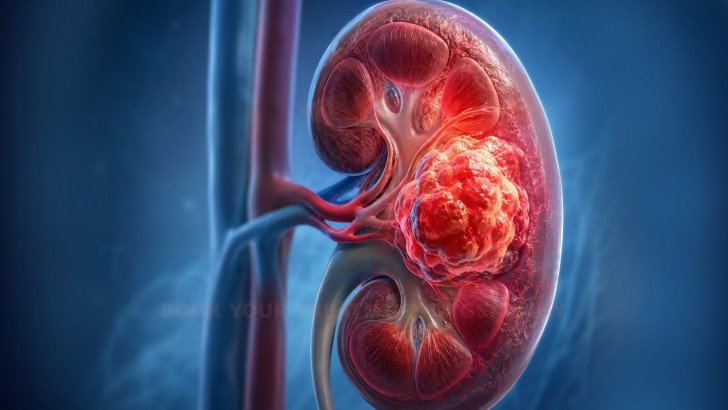
Kidney cancer is the abnormal growth of cells in your kidney tissue. In time, these cells form a mass called a tumor. Cancer begins when something triggers a change in the cells.
Advanced Kidney Cancer Treatment in Germany
Kidney cancer is one of the most frequently diagnosed urological malignancies in the world. According to the latest global cancer statistics, it accounts for approximately 430,000–435,000 new cases and around 155,000–160,000 deaths annually worldwide, with incidence rates increasing in many regions, partly due to improved imaging detection and changing risk factor profiles (e.g., obesity, hypertension)[1].
In the United States alone, more than 81,000 new kidney cancer cases are projected for 2026 [2]. For patients facing stage 4 metastatic kidney cancer, management at a multidisciplinary center offering systemic therapies (targeted therapy and immunotherapy), surgery, and interventional approaches is important for optimal care Specialized centers in countries such as Germany offer comprehensive kidney cancer care, including systemic therapy and surgery; however, the role of interventional procedures such as transarterial chemoembolization (TACE) for kidney cancer treatment in Germany is limited and not standard, and dendritic cell therapy remains investigational.
A diagnosis of advanced kidney cancer can feel overwhelming, but treatment options today are significantly more advanced than they were even a few years ago. Submit your medical reports to TIG GmbH (Treatment in Germany) for a free specialist case review. A dedicated coordinator will respond within 24 hours with a personalized treatment plan.
Understanding Kidney Cancer: Types, Causes, and Symptoms

Renal cell carcinoma (RCC) is responsible for approximately 90% of all kidney malignancies [3]. Within this category, clear cell renal cell carcinoma approximately 70–80% of RCC cases and is the most common subtype worldwide and is the subtype most frequently seen at German specialist centres. Other subtypes include papillary renal cell carcinoma, chromophobe RCC, and renal oncocytoma, a typically benign renal tumor that is distinct from RCC. Each subtype has a distinct molecular profile and treatment response, which is why precise histological confirmation always precedes treatment decisions in Germany.
Understanding what causes kidney cancer helps patients engage meaningfully with their oncologists. Established risk factors include:
Smoking, which approximately doubles the lifetime risk of developing a renal carcinoma
Obesity and hypertension, both linked to higher RCC incidence
Chronic kidney disease particularly end-stage renal disease (ESRD) requiring long-term dialysis
Hereditary syndromes including Von Hippel-Lindau (VHL) disease and other genetic conditions
Occupational exposure to trichloroethylene and certain industrial chemicals
Symptoms of kidney cancer are often absent in early stages, which is why many cases are discovered incidentally. When signs of kidney cancer and kidney tumor symptoms do appear, they typically include:
Blood in the urine (haematuria), visible or detected on urinalysis
A persistent mass on kidney, flank pain, or lower back discomfort
Unexplained weight loss, fever, and persistent fatigue
Anaemia or elevated calcium levels in routine blood tests
Swelling in the legs in cases with renal cancer metastasis
Many cases are detected incidentally during imaging studies performed for unrelated reasons, revealing a renal mass or lesion in asymptomatic patients that unexpectedly revealed a kidney lesion or kidney tumor they had no prior symptoms for.
Kidney Cancer Staging and Prognosis
Kidney cancer staging follows the standard TNM (Tumor–Node–Metastasis) classification system, which helps guide prognosis and treatment selection Modern combination therapy particularly targeted therapies and immune checkpoint inhibitor combinations, have improved outcomes in metastatic kidney cancer, with increased median overall survival reported in[3].
Table 1: Kidney Cancer Stages and 5-Year Survival Rates

These outcomes apply to selected patient populations enrolled in clinical trials or treated with modern systemic therapies and may not reflect individual prognoses. Cancer in kidneys prognosis has shifted substantially in the past decade. Patients diagnosed with stage 4 renal cell carcinoma today face a meaningfully different clinical outlook than they would have only a few years ago. Germany's specialist oncology units are recognized for offering comprehensive, multidisciplinary treatment approaches in renal cancer care because of access to the full spectrum of combination protocols and cellular immunotherapy, applied by teams with deep expertise in advanced RCC treatment.
How Kidney Cancer Is Diagnosed in Germany
German oncologists apply a thorough, multi-modal approach to kidney cancer diagnosis. The diagnostic workup typically includes:
Contrast-enhanced CT of the abdomen and pelvis is the primary imaging modality for evaluation of the renal mass, with chest CT used to assess for pulmonary metastases
MRI used for problem-solving or further characterization, particularly when there is suspected renal vein or inferior vena cava involvement
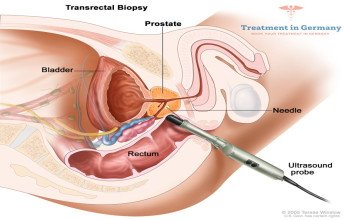
Image-guided biopsy (CT- or ultrasound-guided) is performed in selected cases where tissue diagnosis is required, particularly in metastatic disease or when imaging is inconclusive
Laboratory tests typically include complete blood count, renal and liver function tests, serum calcium, and lactate dehydrogenase (LDH)
Bone scan or PET-CT may be used selectively when symptoms or clinical findings suggest metastatic disease, although PET-CT is not routinely required in renal cell carcinoma staging
This approach ensures that patients receive accurate staging and appropriate diagnostic confirmation where indicated before treatment planning, enabling individualized management based on tumor characteristics and patient health status, enabling Germany’s multidisciplinary team of experts allowing multidisciplinary teams to develop a personalized treatment plan based on tumor stage, histology, molecular features when available, and patient comorbidities.
Advanced Treatment Options for Kidney Cancer in Germany
Targeted Therapy and Immunotherapy
Renal cell carcinoma treatment has been significantly advanced by the introduction of vascular endothelial growth factor (VEGF) pathway–targeted tyrosine kinase inhibitors (TKIs) and immune checkpoint inhibitors. First-line regimens for metastatic renal cell carcinoma are selected based on International Metastatic RCC Database Consortium (IMDC) risk classification and individual patient factors such as comorbidities and disease burden:
Nivolumab plus ipilimumab: Dual checkpoint blockade, preferred for intermediate and poor-risk patients
Pembrolizumab plus axitinib: a widely used first-line combination across IMDC risk
groups, supported by robust overall survival data
Nivolumab plus cabozantinib: an approved first-line option for metastatic RCC, including patients with adverse prognostic features; cabozantinib may be beneficial in patients with bone metastases due to its activity against MET and VEGF pathways
Sunitinib or pazopanib: TKI monotherapy options that may be used when
immunotherapy-based combinations are not suitable
These combinations have have significantly improved overall survival in metastatic renal cell carcinoma compared with earlier cytokine- or monotherapy-based regimens [3]. For progressive cancer kidney stage 4 after first-line therapy, second-line options include cabozantinib, everolimus, lenvatinib plus everolimus, and axitinib.
Surgery and Kidney Ablation
Where the primary kidney tumor or limited metastatic disease is surgically accessible, surgery remains the foundation of curative treatment. Kidney cancer surgeryin Germany is performed laparoscopically at most major centres, minimizing recovery time. Surgical options include:
Radical nephrectomy: Complete removal of the affected kidney for large or centrally located tumours
Partial nephrectomy: Nephron-sparing surgery for smaller tumours, preserving kidney function
Kidney ablation (RFA / cryoablation): Minimally invasive destruction of small tumours, ideal for patients unfit for open surgery
Cytoreductive nephrectomy: Tumour debulking in stage 4 metastatic kidney cancer before systemic therapy
Transarterial Chemoembolization (TACE) for Kidney cancer treatment in Germany
Transarterial Chemoembolization (TACE) is a minimally invasive procedure that delivers high-dose chemotherapy directly into a tumour's arterial blood supply while simultaneously blocking that artery. This dual mechanism starves the tumour while concentrating cytotoxic agents precisely at the tumour site, dramatically reducing systemic side effects compared with intravenous chemotherapy [4].
In a small 2022 a of 35 patients with unresectable RCC who received TACE, the disease control rate at one month was 94.1%, and median overall survival reached 24.6 months without any treatment-related deaths [4]. For embolization in stage 4 kidney cancer treatment, TACE is particularly valuable in reducing large primary tumours, treating hepatic metastases, and preparing patients for surgery.

The Cost of TACE therapy in Germany typically ranges between €8,000 and €9,000 per session, delivered by specialists such as Prof. Vogl, an internationally recognized expert in embolization based in Frankfurt. Patients referred through TIG GmbH (Treatment in Germany) gain direct access to his team with full coordination support.
It is important to note that Transarterial Chemoembolization (TACE) is not part of standard international kidney cancer treatment guidelines and is used selectively based on tumour characteristics and specialist assessment.
Dendritic Cell Therapy for Kidney Cancer treatment in Germany
Dendritic cell therapy is an investigational form of personalized cancer immunotherapy that is being studied in renal cell carcinoma, particularly in patients with advanced disease who have progressed after standard treatments. Peripheral blood mononuclear cells are collected via leukapheresis, and monocytes are differentiated into dendritic cells under Good Manufacturing Practice (GMP) conditions. These cells may then be exposed to tumor-associated antigens derived from the patient’s tumor or standardized antigen preparations from the patient’s own renal cell carcinoma tissue[3]. The resulting dendritic cell vaccines (DC vaccines) administered to stimulate antigen-specific T-cell–mediated immune responses, with the aim of enhancing recognition and destroy cancerous tumors on kidneys with biological precision. Because the vaccine is built from the patient's own cells, there is no rejection risk and the side effect profile is remarkably mild.

Dendritic cell therapy is an emerging and investigational approach and is not currently included in standard treatment guidelines such as those from European Society for Medical Oncology or National Comprehensive Cancer Network.
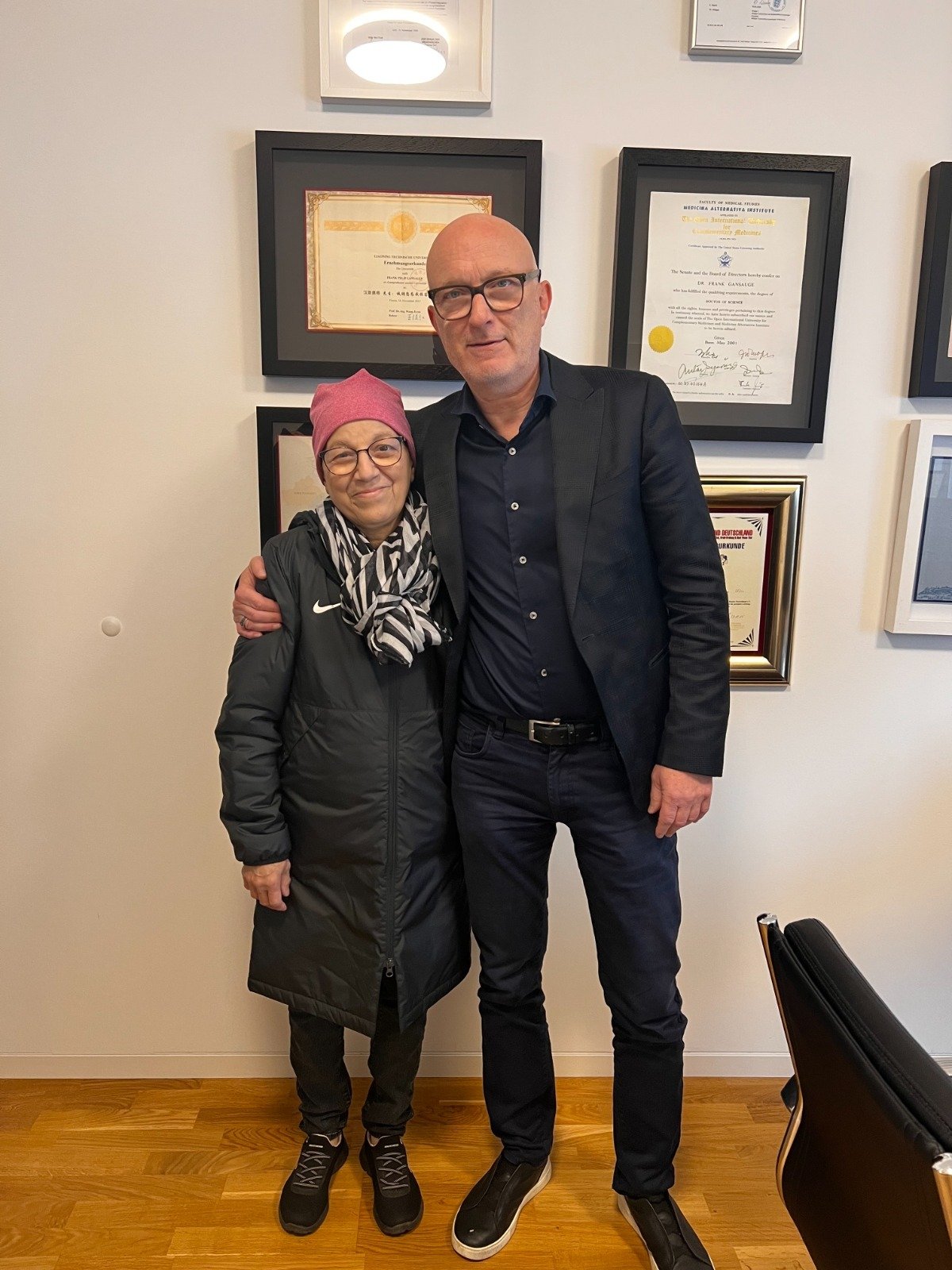
The cost of dendritic cell therapy in Germany is approximately €27,000 for total course, delivered by specialists such as Prof. Gansauge at LDG Laboratories. Key clinical advantages for RCC cancer patients include:
Fully personalized: built from the patient's own immune cells against their specific tumour antigens
Does not interfere with ongoing targeted therapy or checkpoint inhibitors
Builds durable immune memory that continues protecting the patient long after treatment ends
Suitable for stage 4 renal cell carcinoma patients who have exhausted first and second-line options
Mild, self-limiting side effects with no hair loss or broad immunosuppression
To find out which combination of TACE, dendritic cell therapy, and systemic treatment is right for your specific case, contact TIG GmbH (Treatment in Germany) for a free specialist review.
Comparing Kidney Cancer Treatment Options at a Glance
The right plan for any individual patient depends on tumour stage, biology, prior treatments, and personal goals. The table below summarizes the main treatment modalities offered by Germany's leading oncology centres for renal cell cancer.
Table 2: Comparison of Advanced Kidney Cancer Treatments in Germany

Treatment Risks and Limitations
All kidney cancer treatments carry potential risks and variable outcomes depending on patient factors. Targeted therapies and immunotherapy may cause side effects such as fatigue, hypertension, immune-related reactions, or organ inflammation. Interventional procedures like TACE are generally well tolerated but may involve post-embolization syndrome or localized complications.
Emerging approaches such as dendritic cell therapy are still under clinical evaluation and may not be suitable or effective for all patients. Treatment response varies based on tumour biology, prior therapies, and overall health status, which is why individualized treatment planning is essential.
Can Stage 4 Kidney Cancer Be Treated?
Stage 4 kidney cancer is advanced, but far from untreatable. Treatment of stage 4 kidney cancer Germany focuses on disease control, quality of life, and meaningful long-term remission in carefully selected patients. Combination immunotherapy regimens have produced complete responses in a documented subset of stage 4 metastatic kidney cancer patients, and durable immune responses have been reported in selected cases in early clinical studies even after progression on multiple prior treatments [3]. Documented outcomes in Stage 4 patients include:
Measurable tumour shrinkage following TACE plus targeted therapy combinations.
Partial and complete responses have been reported in selected cases.
Significant reduction in pulmonary metastatic burden with combination protocols
Improved quality of life, reduced pain, and stronger performance status
Long-term immune surveillance maintained through booster cycles every three to six months
The question of is kidney cancer curableat Stage 4 depends on tumour biology, metastatic burden, immune function, and the combination of therapies applied. Renal carcinoma prognosis is not fixed at diagnosis.
Patient Success Story through TIG GmbH
One of our international patients arrived in Germany with a confirmed diagnosis of clear cell renal cell carcinoma that had progressed following two lines of targeted therapy. She had been told that limited options remained. Through TIG GmbH (Treatment in Germany), her records were reviewed by a German specialist within 48 hours, and a personalized protocol combining TACE for liver metastases with dendritic cell therapy for systemic immune activation was designed around her tumour profile. She completed her 12-day treatment course in Germany with full interpreter and logistics support.
Her 10-week imaging review showed significant reduction in liver metastatic burden, stable primary disease, and measurable immune activation. She continues on maintenance dendritic cell booster cycles coordinated remotely through TIG, with 24-month post-treatment follow-up included in her care plan.
Useful Links
https://treatmentingermany.de/blog-details/what-are-the-symptoms-of-stage-4-liver-cancer
Why International Patients Choose Germany
Germany's specialized oncology centers offer the full spectrum of advanced kidney cancer treatments, from precision surgery and kidney ablation to interventional TACE and personalized dendritic cell therapy, delivered by named specialists with decades of focused experience. Patients from the USA, UK, and other European countries choose Germany because the combination of regulatory rigor, clinical expertise, and treatment breadthis offered at a high level within specialized international centers. Through TIG GmbH (Treatment in Germany), international patients typically receive a specialist evaluation within 24 to 48 hours and begin treatment within two to three weeks. Key reasons patients choose Germany include:
Named specialists including Prof. Vogl for TACE and Prof. Gansauge for dendritic cell therapy
GMP-certified laboratories and strict regulatory oversight
Individualized combination protocols integrating targeted agents, TACE, cellular immunotherapy, and surgery
Fixed transparent pricing with no hidden costs
Fast access: specialist evaluation within 24 to 48 hours of report submission
Full coordination from arrival to 24-month post-treatment follow-up
How TIG GmbH Supports International Kidney Cancer Patients
TIG GmbH (Treatment in Germany) handles every step of the international treatment journey so patients can focus entirely on their health. Services include:
Free specialist review of your kidney cancer diagnosis and treatment history
Matching your case to the right German expert based on cancer subtype and stage
Visa support, flight and airport transfers
Dedicated on-site interpreter throughout every consultation and procedure
Full translation of final medical reports for your home oncologist
Transparent fixed-price billing with direct hospital payment
Post-treatment coordination and booster scheduling for 24 months
References
🌍Why Patients Worldwide Prefer Our Medical Services in Germany – Key Benefits Explained































.webp)
 (1).webp)

.webp)

.jpg)

 (1).webp)

.jpg)