
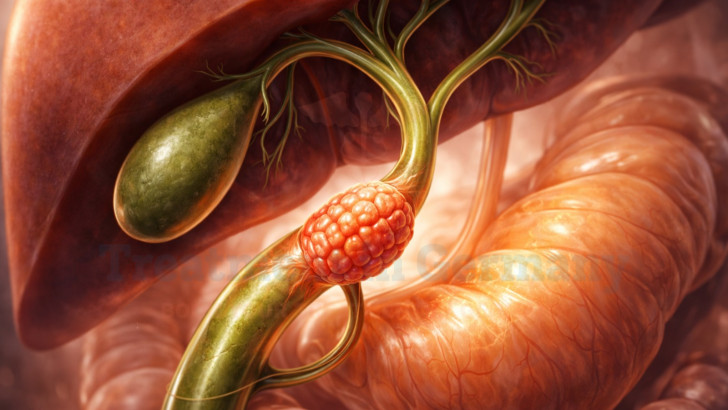
Learn about bile duct cancer treatment options in Germany, including surgery, chemotherapy, TACE therapy, and dendritic cell immunotherapy for cholangiocarcinoma, with coordinated support for international patients.
Bile Duct Cancer Treatment in Germany: Cholangiocarcinoma Options
Bile duct cancer, medically known as cholangiocarcinoma, develops when abnormal cells grow in the bile ducts that carry bile from the liver to the small intestine. These ducts play an important role in digestion because bile helps break down fats and remove metabolic waste from the body. When abnormal cells grow uncontrollably in this system, they can form a bile duct tumor that obstructs bile flow and gradually damages surrounding tissues. Patients diagnosed with advanced disease may explore bile duct cancer treatment options in Germany, including specialized therapies for Stage 4 bile duct cancer targeted treatments. Access to innovative bile duct cancer treatment in Germany ensures that patients receive cutting-edge care to manage symptoms and improve outcomes.
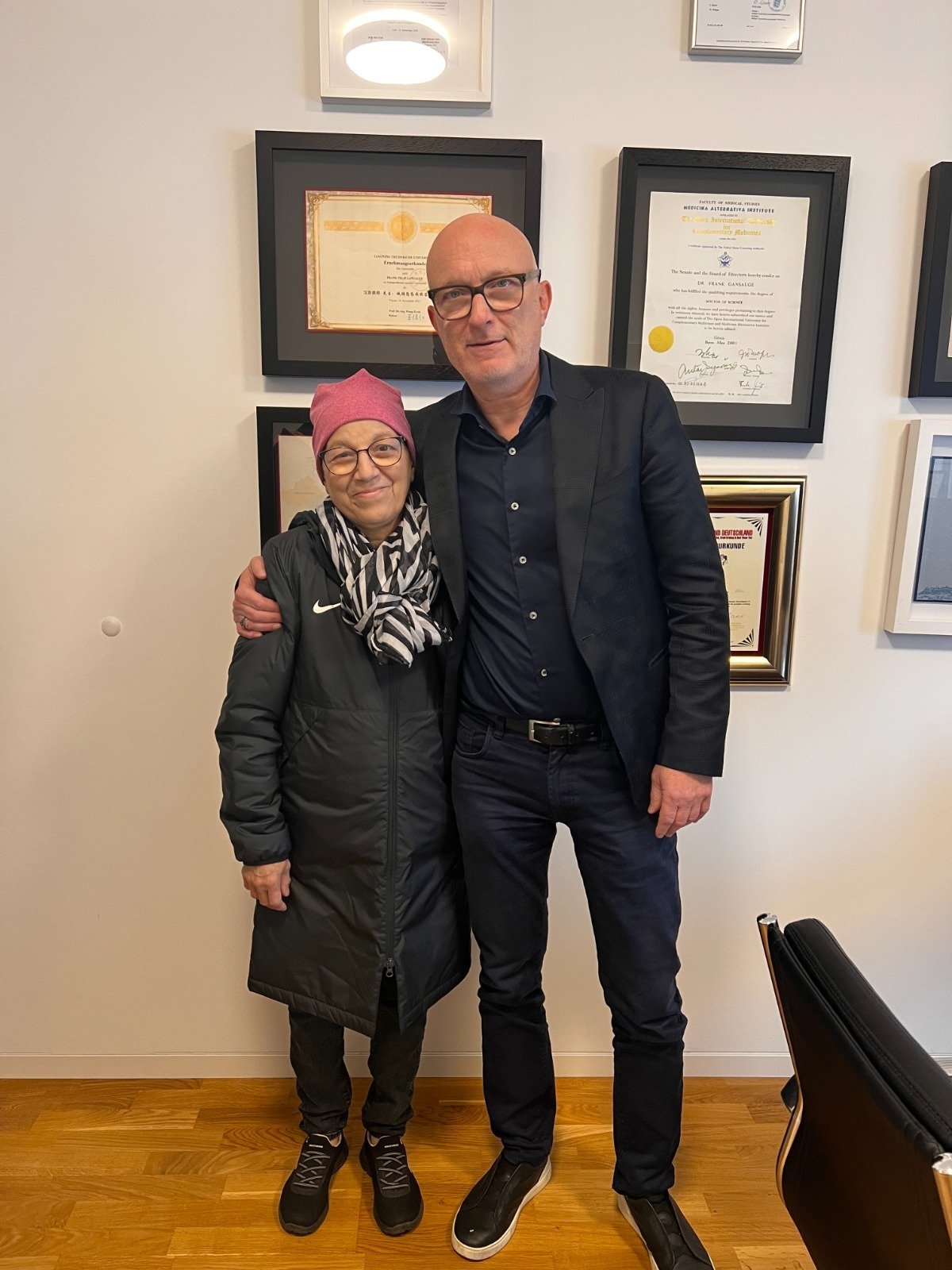
Germany has become a major destination for patients seeking new and innovative treatment options for bile duct cancer. Treatment planning is performed in specialized German healthcare centers and German oncology centers, where oncology teams evaluate diagnostic findings and determine individualized therapy strategies. Interventional oncology procedures are associated with Prof. Vogl, known for advanced image-guided cancer therapies, while immune-based approaches such as dendritic cell therapy are linked to Prof. Gansauge, recognized for his work in cellular immunotherapy. Many international patients consult experienced German specialists because of access to the latest medical technology and coordinated programs offering an affordable treatment in Germany for international patients.
Early Symptoms of Bile Duct Cancer
Recognizing the early symptoms of bile duct cancer may help patients seek medical evaluation earlier. One of the most common signs is jaundice, which causes yellowing of the skin and eyes due to bile accumulation. Patients may also experience itching, fatigue, abdominal discomfort, or unexplained weight loss.
As the disease progresses, symptoms may include persistent abdominal pain, dark urine, pale stools, or digestive disturbances caused by bile obstruction. In advanced cases the disease may spread beyond the bile ducts, leading to the bile duct metastasis in nearby organs or tissues. Because these symptoms may resemble other digestive conditions, imaging and laboratory tests are required to confirm the diagnosis.
Causes of Bile Duct Cancer
The exact causes of bile duct cancer are not always fully understood, but several medical conditions are associated with increased risk. Chronic inflammation of the bile ducts and certain liver disorders may contribute to abnormal cell growth.
Long-term irritation of bile duct tissue and genetic susceptibility may also play a role in tumor development. Physicians evaluate patient history and diagnostic findings to determine possible contributing factors that may have led to the formation of a bile duct tumor.
Risk Factors for Cholangiocarcinoma
Several risk factors for cholangiocarcinoma may increase the likelihood of developing bile duct cancer. These include chronic liver disease, bile duct abnormalities, and long-standing inflammation within the bile duct system.
Age, environmental exposure to toxins, and genetic predisposition may also contribute to the development of cholangiocarcinoma. Understanding these risk factors allows physicians to identify high-risk individuals and recommend appropriate monitoring or screening.
Diagnosis Tests for Bile Duct Cancer
Accurate diagnosis requires several diagnosis tests for liver cancer and bile duct tumors to determine tumor location and disease stage. Treating physicians often begin with blood tests and imaging studies to evaluate the bile duct structure and identify abnormal growths.
Advanced imaging techniques such as CT, MRI, and PET scans help physicians evaluate tumor size and detect possible spread to nearby organs. In Germany, these diagnostic investigations are supported by the latest medical technology in Germany, allowing specialists to obtain detailed imaging for precise treatment planning. Diagnostic findings are reviewed by multidisciplinary teams within German oncology centers before therapy decisions are made.
Standard Treatments for Bile Duct Cancer
Standard bile duct cancer treatment approaches depend on tumor stage, location, and patient health condition. In early stages, surgery may be recommended to remove the tumor and restore bile flow if the cancer is localized.
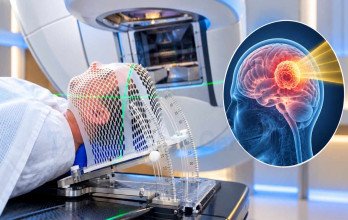
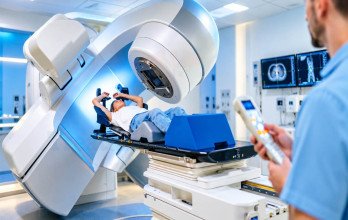
Radiation therapy and systemic chemotherapy may also be used to control tumor growth and reduce the risk of recurrence. These treatments aim to destroy cancer cells and prevent further spread of the disease. In advanced stages, physicians may combine these standard therapies with interventional procedures or immune-based treatments to manage tumor progression and improve patient quality of life.
TACE Treatment for Bile Duct Cancer in Germany

Transarterial Chemoembolization (TACE) for bile duct cancer in Germany is an interventional oncology procedure that may be considered for certain patients with bile duct cancer, particularly when the tumor involves liver tissue or when surgical removal is not feasible. This technique allows physicians to deliver chemotherapy directly to the tumor while limiting exposure to the rest of the body.
The TACE procedure works by targeting the blood vessels that supply the tumor. During treatment, a catheter is inserted through an artery in the groin and carefully guided toward the blood vessels feeding the tumor under real-time imaging guidance. Once the catheter reaches the targeted area, chemotherapy medication is delivered directly into the tumor-feeding artery. This is followed by the injection of embolic particles that block the blood supply to the tumor. By blocking the tumor’s blood flow and concentrating chemotherapy in the affected area, physicians aim to slow tumor growth and reduce tumor activity.
TACE therapy may offer several potential advantages, including localized drug delivery and reduced systemic exposure to chemotherapy compared with traditional intravenous treatment. After the procedure, patients undergo structured monitoring to evaluate treatment response and recovery. Follow-up imaging using CT, MRI, and PET scans helps treating physicians determine whether additional treatment sessions are required or whether the therapy should be combined with other treatment strategies.
The cost of TACE treatment in Germany typically ranges between €8,000 and €9,000 per session, depending on clinical complexity and the treatment plan designed by the oncology team.
Immunotherapy Dendritic Cell Therapy for Bile Duct Cancer in Germany

Dendritic cell therapy is an immune-based treatment designed to stimulate the body’s immune system to recognize and attack cancer cells. The therapy involves preparing a personalized dendritic cell cancer vaccine using immune cells collected from the patient’s blood.
The treatment begins with the collection of immune cells from the patient’s bloodstream under medical supervision. These cells are transferred to an EU-GMP certified laboratory, where they are exposed to tumor-associated antigens derived from bile duct cancer cells. Through this controlled process the cells mature into dendritic cells capable of presenting cancer markers to the immune system.
Once prepared, the cells are administered back to the patient as a personalized dendritic cell vaccine. Several dendritic cell therapy benefits include improved immune recognition of cancer cells and support for systemic disease control. Physicians monitor patients for dendritic cell therapy side effects, which may include mild fatigue or temporary immune reactions. The dendritic cell therapy recovery time varies depending on patient condition and treatment schedule. The cost of Dendritic Cell Therapy in Germany is €27,000, covering immune cell collection, laboratory processing, preparation, and administration. This cellular immunotherapy remains investigational and is considered in highly selected patients within regulated clinical programs.
Bile Duct Cancer Treatment and Prognosis
When discussing bile duct cancer prognosis, physicians consider several clinical factors including tumor stage, spread of disease, and response to treatment. Early detection may provide more treatment options, while advanced disease requires coordinated therapy strategies.
Treatment programs aim to control tumor growth and manage symptoms while maintaining patient quality of life. In cases involving bile duct metastasis, treatment strategies may combine interventional oncology procedures with immune-based therapies depending on disease characteristics.
New Clinical Trials for Bile Duct Cancer in Germany
Germany actively supports oncology research programs where emerging therapies are evaluated under strict medical regulations. Some patients may be considered for new clinical trials for advanced bile duct cancer in Germany depending on tumor characteristics and prior treatments.
Clinical trials investigate innovative therapies including advanced immunotherapy approaches and targeted treatment strategies. Participation is always based on strict eligibility criteria and physician evaluation.

Limitations and Considerations
Not all patients are suitable candidates for interventional or immune-based therapies. Eligibility depends on tumor location, disease spread, organ function, and overall clinical stability.
Continuous monitoring using CT, MRI, and PET scans remains essential to evaluate treatment response and detect disease progression. Treatment planning focuses on controlling tumor growth and preserving quality of life rather than guaranteeing cure.
International Patient Support through Treatment in Germany (TIG)
For international patients, planning bile duct cancer treatment abroad can involve multiple challenges, including medical report review, hospital coordination, scheduling, travel planning, lodging, and documentation. These steps can be difficult for families already under stress. That is why structured support becomes essential. TIG (gmbH) ww.treatmentingermany.de ensures seamless coordination and manages complete logistical arrangements for international patients, including travel, lodging, and medical visa for international patients (if required). This support helps patients focus on treatment rather than administrative challenges.
Patients may also get a free consultation with TIG to receive individualized guidance and coordinated access to specialized oncology centers.
Why Patients Worldwide Prefer Our Medical Services in Germany – Key Benefits Explained






.webp)
 (1).webp)

.webp)


.jpg)

 (1).webp)

.jpg)