
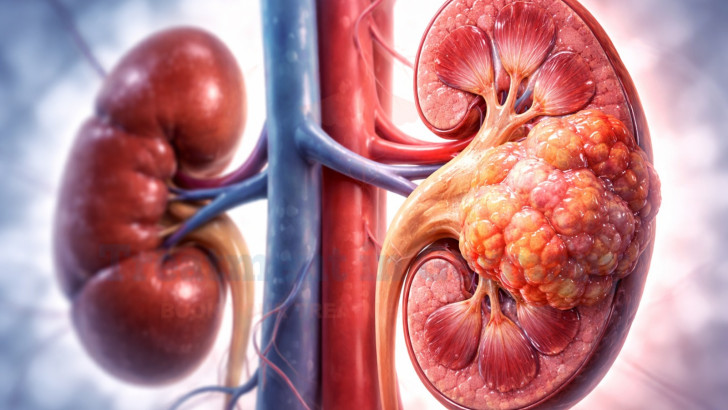
Clear cell renal cell carcinoma treatment options including dendritic cell therapy, ablation, and radiation therapy in Germany for international patients with complete logistical support via TIG.
Clear Cell Renal Cell Carcinoma: Modern Treatment Options in 2026
Clear cell renal cell carcinoma (ccRCC) is the most common type of kidney cancer, originating in the lining of the kidney’s small filtration tubes. It accounts for the majority of renal cancer diagnoses worldwide and can behave aggressively when detected at an advanced stage. In early stages, tumors may remain confined to the kidney, but in advanced cases cancer cells may spread to nearby lymph nodes or distant organs. Because the disease can progress silently, many patients begin researching treatment strategies once imaging confirms a renal mass. Understanding modern treatment approaches is important for selecting the most appropriate therapy plan.
Germany has become a recognized destination for patients seeking new and innovative treatment options for clear cell renal cell carcinoma. Treatment planning takes place within specialized German healthcare centers and German oncology centers where each patient’s case is evaluated carefully. Immune-based treatment strategies such as dendritic cell therapy are associated with Prof. Gansauge, known for his expertise in cellular immunotherapy. Many international patients consult experienced German specialists because of access to the latest medical technology, coordinated treatment programs, and affordable treatment in Germany for international patients.
What is Clear Cell Renal Cell Carcinoma?
Clear cell renal cell carcinoma develops when abnormal cells form in the kidney’s filtering structures known as renal tubules. These malignant cells multiply uncontrollably and may eventually invade nearby tissues or spread to distant organs through the bloodstream or lymphatic system. The biological behavior of ccRCC varies significantly between patients, which is why treatment planning must consider tumor size, metastasis, and overall patient health.
Modern oncology focuses on individualized treatment strategies designed to control tumor growth and reduce the risk of further spread. Advances in targeted therapy, immunotherapy, and minimally invasive procedures have improved management options for patients with advanced renal cell carcinoma.
Diagnostic Evaluation and Staging
Accurate staging is essential before initiating treatment. Physicians begin with a clinical evaluation and laboratory testing to assess kidney function and overall health. Imaging studies such as CT, MRI, and PET scans are then used to determine tumor size and evaluate whether metastasis has occurred.
In Germany, diagnostic evaluation is supported by the latest medical technology, enabling physicians to obtain detailed imaging and precise tumor mapping. Multidisciplinary teams within German oncology center review all findings to determine the most appropriate treatment approach for each patient.
Dendritic Cell Therapy for Clear Cell Renal Cell Carcinoma

Dendritic cell therapy represents an immune-based strategy designed to enhance the body’s ability to recognize and attack cancer cells. Among modern immunotherapy treatment options, this therapy focuses on strengthening immune surveillance against tumors. Dendritic cells play an essential role in activating T-cells that identify and destroy malignant cells, making them an important component of immunotherapy for solid tumors.
The treatment begins with the collection of immune cells (monocytes) from the patient’s blood under medical supervision. These cells are isolated carefully to preserve viability before laboratory processing. The collection process is conducted in a controlled clinical setting to ensure patient safety and stable cell yield.
The collected cells are transferred to an EU GMP certified laboratory, where they are cultured under strictly regulated conditions. During this process the monocytes are exposed to tumor-associated antigens derived from renal cancer cells. This exposure stimulates their development into active dendritic cells capable of presenting cancer markers to the immune system.
Once prepared, the cells are administered back to the patient as a personalized dendritic cell vaccine. This treatment may be integrated with other systemic therapies depending on the recommendation of the treating physician. Continuous monitoring evaluates immune response and tolerance. Dendritic cell therapy remains investigational and is considered in highly selected patients within regulated clinical programs. The cost of Dendritic Cell Therapy in Germany is €27,000 covering immune cell collection, laboratory preparation, and administration.
Ablation Treatment for Clear Cell Renal Cell Carcinoma

Ablation treatment is a minimally invasive interventional procedure used to destroy tumor tissue without removing the entire kidney. In renal cell carcinoma, radiofrequency ablation (RFA) or microwave ablation may be used depending on tumor location and size. These procedures deliver controlled thermal energy directly to the tumor, destroying cancer cells while preserving surrounding healthy kidney tissue.
The procedure is performed under image guidance using ultrasound or CT imaging. A thin probe is inserted through the skin and guided precisely into the tumor. Once positioned correctly, thermal energy is delivered through the probe, generating heat that destroys the tumor cells. Because the treatment targets the tumor directly, damage to surrounding tissues is minimized.
Following the procedure, patients undergo structured monitoring to evaluate treatment response. Imaging reassessment using CT, MRI, and PET scans helps determine whether additional sessions are required. Ablation therapy may be considered for selected tumors or metastatic lesions as part of comprehensive management. The cost of ablation treatment in Germany typically ranges between €8,000 and €9,000 per session depending on procedural planning.
Radiation Therapy for Clear Cell Renal Cell Carcinoma
Radiation therapy may be considered when renal cancer spreads to other parts of the body or causes localized symptoms such as bone pain or neurological complications. This treatment uses high-energy radiation beams to damage the DNA of cancer cells, preventing them from multiplying.
In advanced cases, radiation therapy is often used to control metastatic lesions or relieve symptoms associated with tumor spread. The treatment is carefully planned using advanced imaging techniques to ensure precise targeting of the tumor while minimizing exposure to surrounding healthy tissues.
Radiation therapy sessions are typically delivered over several treatment cycles depending on tumor size and location. Continuous monitoring allows physicians to evaluate treatment response and adjust the therapy plan when necessary.
Role of Immunotherapy in ccRCC
Modern oncology increasingly incorporates immunotherapy for metastatic cancer as part of comprehensive treatment strategies. These therapies aim to stimulate the immune system to recognize and attack tumor cells more effectively. Immune checkpoint inhibitors and cellular therapies represent emerging strategies for advanced renal cancers.
However, physicians carefully evaluate immunotherapy eligibility criteria before initiating treatment. Factors such as immune status, organ function, and tumor characteristics must be assessed to determine whether the patient may benefit from immune-based therapy.
Understanding the immunotherapy benefits and risks is also important for patients considering this treatment. While immunotherapy may help control tumor growth in some individuals, it can also produce immune-related reactions. Physicians monitor patients closely to identify and manage side effects of cancer immunotherapy during treatment.
Combining Different Treatment Methods
Managing clear cell renal cell carcinoma often requires a combination of therapies rather than relying on a single treatment method. Systemic therapies may help control cancer cells throughout the body, while interventional procedures such as ablation may target localized tumors. Radiation therapy may also be used to manage symptoms associated with metastasis.
Within German healthcare centers, multidisciplinary teams collaborate to determine the most appropriate therapy combination for each patient. This individualized approach helps physicians stabilize disease progression and maintain quality of life.
Clinical Research and Ongoing Clinical trial for Renal Cell Carcinoma
Patients with advanced renal cancer may be evaluated for new Clinical trials for advanced renal Cell Carcinoma in Germany. These clinical trials investigate emerging therapies including targeted treatments and novel immunotherapy combinations designed to improve disease control.
Clinical research programs follow international standards referenced by the Australian Cancer Society, ensuring patient safety and ethical oversight. Eligibility for clinical trials requires comprehensive medical evaluation within accredited oncology institutions.

Limitations and Considerations
Not all patients are suitable candidates for interventional or immune-based therapies. Eligibility depends on tumor stage, organ function, immune competence, and overall clinical stability. In some situations systemic therapy or supportive care may remain the most appropriate treatment approach.
Continuous monitoring using CT, MRI, and PET scans is essential to evaluate treatment response by the treating physician and detect disease progression. Management focuses on disease stabilization, symptom control, and preservation of quality of life rather than guaranteed cure.
International Patient Support through TIG
For international patients, planning renal Cell Carcinoma treatment abroad can involve multiple challenges, including medical report review, hospital coordination, scheduling, travel planning, lodging, and documentation. These steps can be difficult for families already under stress. That is why structured support becomes essential. TIG (Treatment in Germany) at www.treatmentingermany.de ensures seamless coordination and manages complete logistical arrangements for international patients, including travel, lodging, and medical visa for international patients (if required).This support helps patients focus on treatment rather than administrative challenges.
Patients may also get a free consultation with TIG (Treatment in Germany) to receive individualized guidance and coordinated access to specialized oncology centers.
🌍Why Patients Worldwide Prefer Our Medical Services in Germany – Key Benefits Explained:









.webp)
 (1).webp)

.webp)


.jpg)

 (1).webp)

.jpg)