

Optic Nerve Atrophy (ONA) is a progressive condition that causes damage to the optic nerve, leading to vision loss and, in severe cases, complete blindness.
Stem Cell Therapy for Optic Nerve Atrophy (ONA) in Germany for International Patients
Losing vision to optic nerve atrophy is frightening, and treatment options for restoring lost vision have historically been limited. That message is changing, regenerative medicine has opened a new line of research into optic nerve regeneration, and the same ideas drive interest in eye nerve regeneration more broadly. Germany is among the countries offering regenerative medicine approaches for patients interested in stem-cell-based therapies for optic nerve disorders.
Optic nerve atrophy means the nerve that carries signals from the eye to the brain has been damaged, with loss of the retinal ganglion cells and their fibers. Because retinal ganglion cells and their axons have very limited regenerative capacity in the adult human central nervous system, vision loss from optic nerve damage has traditionally been considered largely irreversible. Yet early studies suggest that cell-based approaches may protect surviving cells and, in some patients, support partial vision restoration treatment. Although the field is advancing rapidly, honesty matters as much as hope.
For anyone exploring optic nerve atrophy treatment in Germany, the practical questions can feel as heavy as the medical ones. TIG GmbH helps international patients review their records, connect with the right specialist, and plan travel and care from start to end of their treatment.
Understanding Optic Nerve Atrophy and Why Vision Fades
 The optic nerve is a bundle of more than a million nerve fibers that send visual information from the retina to the brain. Optic nerve atrophy is characterized by degeneration of retinal ganglion cell axons, often accompanied by loss or dysfunction of the retinal ganglion cells. Imaging studies, including optical coherence tomography (OCT), may demonstrate thinning of the retinal nerve fiber layer or optic nerve structures, while clinical examination may reveal optic disc pallor. As axonal loss progresses, transmission of visual information becomes impaired, resulting in varying degrees of visual dysfunction. Atrophy is not a disease in itself but the end result from a variety of underlying disorders.
Common causes include:
Glaucoma and raised pressure inside the eye.
Poor blood supply, as in ischemic optic neuropathy.
Inflammatory disorders affecting the optic nerve, including optic neuritis.
Trauma to the head or eye, which can damage retinal ganglion cells and the optic nerve, leading to permanent visual impairment in severe cases.
Compression from tumors, and inherited conditions such as Leber hereditary optic neuropathy.
Optic nerve hypoplasia, a developmental underdevelopment of the nerve present from birth.
Because the underlying cause shapes both prognosis and options, a precise diagnosis comes first. Conditions like optic nerve hypoplasia behave differently from acquired atrophy, which is why ONH treatment is approached on its own terms, and why no single ONH cure applies to every patient. Whatever the cause, the practical problem is the same: damaged retinal ganglion cells that the body cannot replace on its own.
Can the Optic Nerve Be Repaired or Regenerated?
This is the question every patient asks: can the optic nerve be repaired? The traditional answer has been no. Unlike nerves in the arms or legs, the optic nerve is part of the central nervous system, where regenerative capacity after injury is extremely limited. So when people ask can optic nerve damage be reversed or can optic nerve damage be repaired, conventional medicine has long said the loss is permanent.
Research is challenging that view, carefully. Experimental studies have demonstrated that retinal ganglion cells may survive longer and, under specific laboratory conditions, exhibit limited axonal regeneration. In one study, human mesenchymal stem cells protected retinal ganglion cells and promoted axon regeneration and partial target reconnection up to 120 days after optic nerve injury in rats [1]. Findings like these are why the question can the optic nerve regenerate is now treated as open rather than closed.
It is important to distinguish experimental findings from established clinical outcomes. There is no optic nerve replacement and no optic nerve repair surgery that can replace a damaged optic nerve, and no optic nerve atrophy surgery can rebuild lost fibers. Stem cells are not a guaranteed cure either. The realistic goal of current optic nerve repair research, and of eye nerve regeneration treatment more widely, is to protect the cells that remain and coax limited regrowth, not to rebuild the nerve from scratch. Questions such as can eye nerve damage be repaired depends on factors such as the underlying diagnosis, disease duration, extent of tissue damage, and the amount of remaining viable neural tissue.
How Stem Cell Therapy Targets Optic Nerve Damage
 Researchers describe several ways these cells may support optic nerve health. One of the most important is neuroprotection, in which stem cells release growth factors that help surviving retinal ganglion cells remain viable for longer periods [1] [7]. They may also exert anti-inflammatory effects by reducing harmful inflammation around the damaged optic nerve [9]. In addition, stem cells can provide signals that encourage limited axonal regeneration under certain conditions, potentially supporting nerve repair [1]. Another proposed mechanism involves cellular support and repair through the transfer of mitochondria and the release of exosomes, which may help stressed retinal cells function more effectively and recover from injury [9].
A separate, more experimental path aims to make brand new retinal ganglion cells from induced pluripotent stem cells, with the long-term goal of replacing cells lost to optic nerve disease [3]. This could one day support true cell replacement, and it points toward personalized stem cell therapy in Germany based on a patient's own cells. For now, the best-studied potential effects of stem-cell-based therapies involve neuroprotection, modulation of inflammation, and support of surviving neural tissue as part of optic nerve stem cell therapy.
Limitations and Risks to Consider
Anyone weighing this option deserves a clear-eyed view of its limits. Stem cell therapy for optic nerve damage remains investigational. While early studies have reported encouraging findings, it is not currently considered a standard treatment for optic nerve atrophy, and larger randomized controlled trials are needed to establish efficacy and identify which patients are most likely to benefit. The human studies so far are small, often single-arm, and short in follow-up, so the long-term picture is not yet known [6].
Results vary widely with the cause, severity, and duration of the damage, and some patients see no measurable change at all [4].
Because the optic nerve does not regenerate well on its own, optic nerve restoration tends to be partial at best, and full vision restoration treatment cannot be promised.
Procedures involving intraocular or periocular cell delivery may carry risks including infection, inflammation, elevated intraocular pressure, bleeding, retinal injury, or other procedure-related complications.
A guaranteed cure is a warning sign; reputable clinics are honest about what is realistic and avoid such claims.
An independent eye assessment and a frank discussion of likely outcomes should always come before deciding to travel.
Standard Optic Neuropathy Treatments and Their Limits
Before considering regenerative care, it helps to know what conventional medicine offers. Standard optic neuropathy treatments focus on the underlying cause rather than the lost nerve fibers themselves.
Common optical nerve treatment options include:
Lowering eye pressure in glaucoma with drops, laser, or surgery to slow further damage.
Corticosteroids to reduce inflammation in conditions such as optic neuritis.
Treating the root cause, such as removing a compressing tumor or managing a vascular or metabolic problem.
Vitamins and supportive care in selected inherited or nutritional optic neuropathies.
Low-vision rehabilitation and visual aids to make the most of remaining sight.
The hard truth about all of these treatments is that none of them can restore nerve fibers that have already been lost. Their primary goal is to prevent or limit further damage, although some conditions may permit partial visual recovery if treated promptly. Standard treatment preserve remaining visual function, but currently available therapies cannot reliably regenerate extensive optic nerve fiber loss. There is no conventional approach that repairs damaged optic nerve fibers. That is precisely the gap that stem cell based therapy is trying to fill, and it is why so many patients start looking at optic nerve atrophy treatment options in Germany once standard care has done what it can.
At present, major ophthalmology guidelines focus on treating the underlying cause of optic neuropathy and preserving remaining vision. Stem-cell-based approaches for optic nerve atrophy are still being studied and have not yet been adopted as routine standard care. Patients considering regenerative treatment should understand that current evidence remains preliminary.
Stem Cell Therapy for Optic Nerve Atrophy in Germany
Germany is known for its strong medical infrastructure, university hospitals, and regulatory standards. While regenerative therapies are available in selected settings, availability should not be interpreted as proof of clinical efficacy, and patients should review the evidence and expected outcomes carefully before proceeding. For patients seeking optic nerve regeneration treatment in Germany, specialized regenerative clinics offer cell-based protocols tailored to the individual.
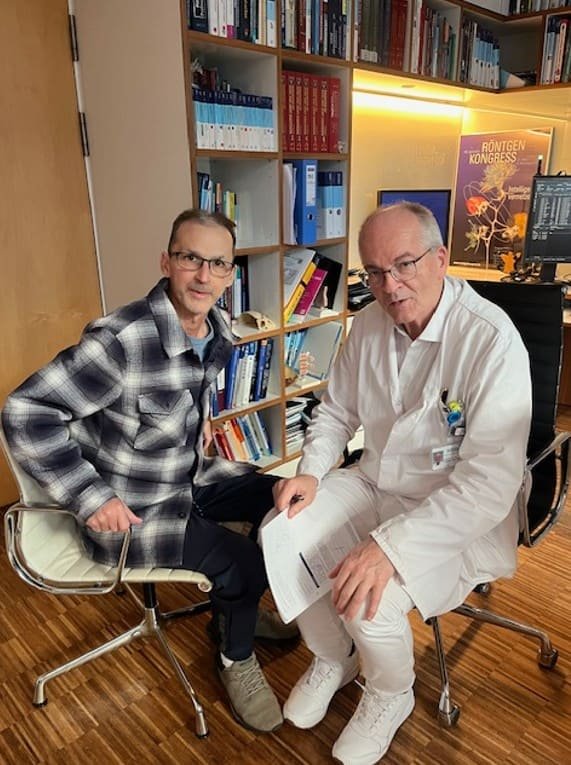
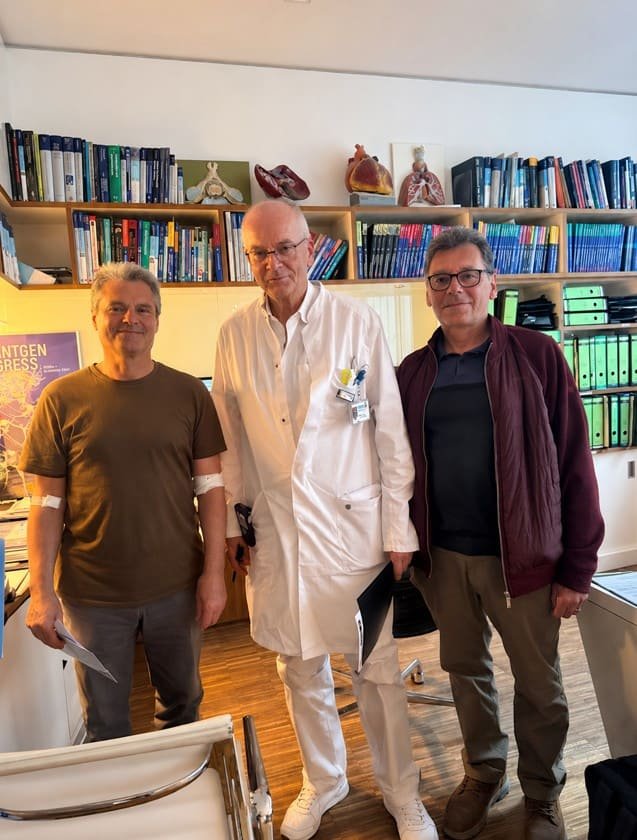
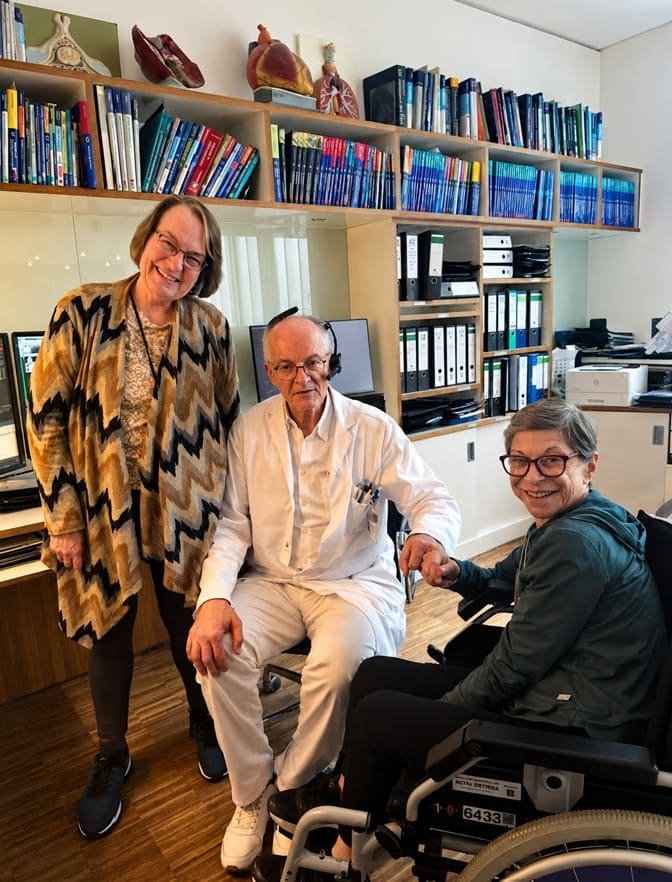
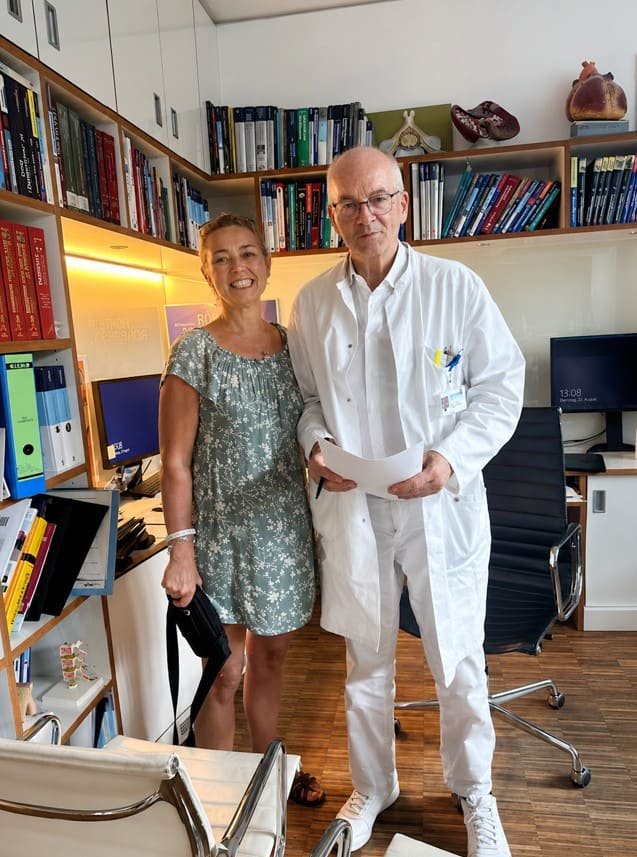
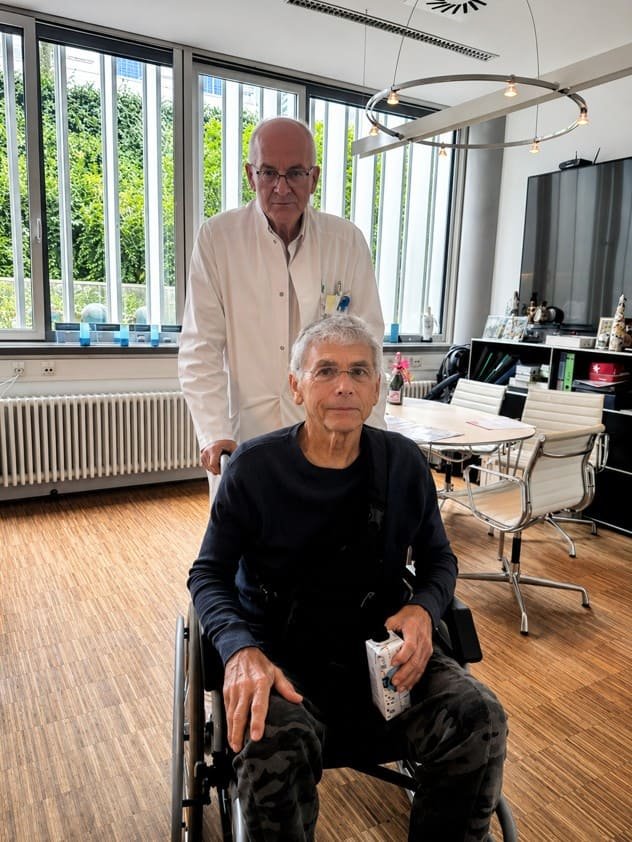
This optic nerve stem cell therapy is performed by Dr. Gerhard Siebenhuner, a physician experienced in regenerative medicine. The approach uses the patient's own stem cells, prepared and then delivered to support the damaged nerve, in line with the protective and regenerative principles seen in published research [1][7]. Because it relies on a patient's own cells, it fits the model of personalized stem cell therapy in Germany.

Typical features of the treatment include:
A full assessment of the optic nerve and remaining vision before any treatment
Use of the patient's own cells, avoiding donor-matching issues
A minimally invasive delivery designed to bring cells close to the affected nerve
Follow-up testing to track vision and nerve measures over time
Patients considering advanced optic nerve atrophy treatment in Germany can rely on TIG GmbH to arrange the consultation with Dr. Gerhard Siebenhuner, gather the right scans and reports in advance, and coordinate the visit.
Cost of Stem Cell Therapy for Optic Nerve Atrophy in Germany
Cost is a fair and important question for any stem cell treatment for optic nerve damage. Pricing depends on the assessment, cell preparation, and the treatment itself. For this protocol, the figure is clear and set out below.

This covers the core regenerative procedure with the patient's own cells. Any additional imaging, travel, or extended follow-up is planned separately, and a clear estimate should always come before a patient commits to travel.
TIG GmbH provides a transparent, personalized cost breakdown up front, so international patients know exactly what to expect before arriving in Germany.
Who May Benefit from Optic Nerve Stem Cell Therapy?
Not everyone is a suitable candidate, and a comprehensive evaluation helps determine whether regenerative treatment is appropriate based on the available evidence and individual clinical circumstances. Suitability is decided after a detailed ophthalmic and neuro-ophthalmic evaluation.
In general, the people most likely to be considered share a few features:
A confirmed diagnosis of optic nerve atrophy or another optic neuropathy.
Some surviving nerve tissue, since therapy supports remaining cells rather than rebuilding a fully lost nerve or replace extensive tissue loss.
Realistic expectations, understanding that optic nerve restoration may be partial or may not occur.
General health stable enough for a minimally invasive procedure.
Conditions that may be evaluated include ischemic optic neuropathy, inflammatory optic neuropathies, traumatic optic neuropathy, glaucoma-related optic nerve damage, and selected congenital optic nerve disorders.
During assessment, the team weighs the cause of the optic neuropathy, how long vision has been affected, and how much nerve tissue remains. Assessment commonly includes optical coherence tomography (OCT) to evaluate retinal nerve fiber layer (RNFL) and ganglion cell complex (GCC) thickness, visual field testing, and a review of prior imaging and ophthalmic records. These tests help determine how much viable tissue remains and whether regenerative treatment is a reasonable option.
The underlying diagnosis also matters. Patients with inflammatory or ischemic optic neuropathies may differ from those with advanced glaucoma, traumatic optic neuropathy, or congenital optic nerve hypoplasia. Because these conditions affect the optic nerve in different ways, expected outcomes can vary considerably between patients. While no diagnosis guarantees a response, the amount of surviving retinal ganglion cell tissue is often an important factor when assessing potential benefit.
Leading German Centers for Eye and Optic Nerve Care
Germany is home to several of the best clinic for stem cell therapy options and university eye hospitals with deep expertise in complex optic nerve conditions. The centers below are widely recognized for ophthalmology and neuro-ophthalmology, and are often sought out for the best hospital for optic nerve atrophy.

TIG GmbH can help international patients arrange consultations and second opinions at these leading centers and coordinate care alongside regenerative treatment.
Why International Patients Choose Germany for Regenerative Eye Care
Patients travel for optic neuropathy treatment in Germany for good reasons. The country combines strict medical regulation, experienced specialists, and a strong record in regenerative medicine for optic nerve damage. The same infrastructure supports related work, including stem cell treatment for macular degeneration and other forms of stem cell treatment for vision loss.
A few points are worth holding in mind before deciding:
Stem cell therapy for optic nerve atrophy is still emerging, with promising but early evidence rather than a proven cure [6].
Outcomes vary with the cause, severity, and duration of nerve damage, so results cannot be guaranteed [4].
A trustworthy clinic will be candid about what is realistic and will not promise full sight restoration.
Independent assessment at a university eye center can help confirm the diagnosis and set expectations.
For those arranging care from abroad, TIG GmbH manages medical record review, specialist matching, visa support, travel, and interpreter services, so patients can focus on their treatment and recovery.
References
Exploring Stem-Cell-Based Therapies for Retinal Regeneration. Life (Basel). 2024;14(6):722.
Diversified Treatment Options of Adult Stem Cells for Optic Neuropathies. Cell Transplant. 2022;31.










.webp)
 (1).webp)
.webp)

.jpg)
 (1).webp)
.jpg)