

Explore stage 4 esophageal cancer treatment in Germany, including life expectancy considerations, TACE therapy, dendritic cell immunotherapy, and structured treatment pathways for international patients via TIG.
Stage 4 Esophageal Cancer Treatment in Germany and Life Expectancy
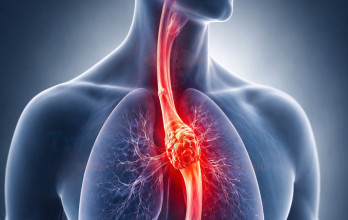
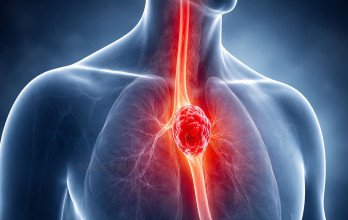
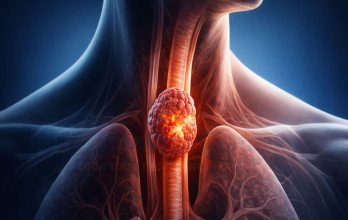
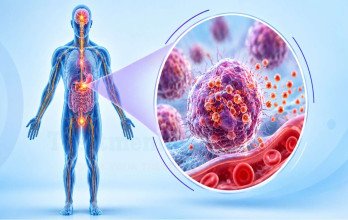
Stage 4 esophageal cancer is the most advanced form of the disease, meaning cancer cells have spread beyond the esophagus to distant organs such as esophageal cancer with liver metastasis or lymph nodes. At this stage, treatment planning is no longer focused on removing a single tumor. Instead, treatment is structured as a long-term strategy aimed at controlling disease progression, managing symptoms, and preserving quality of life as effectively as possible.
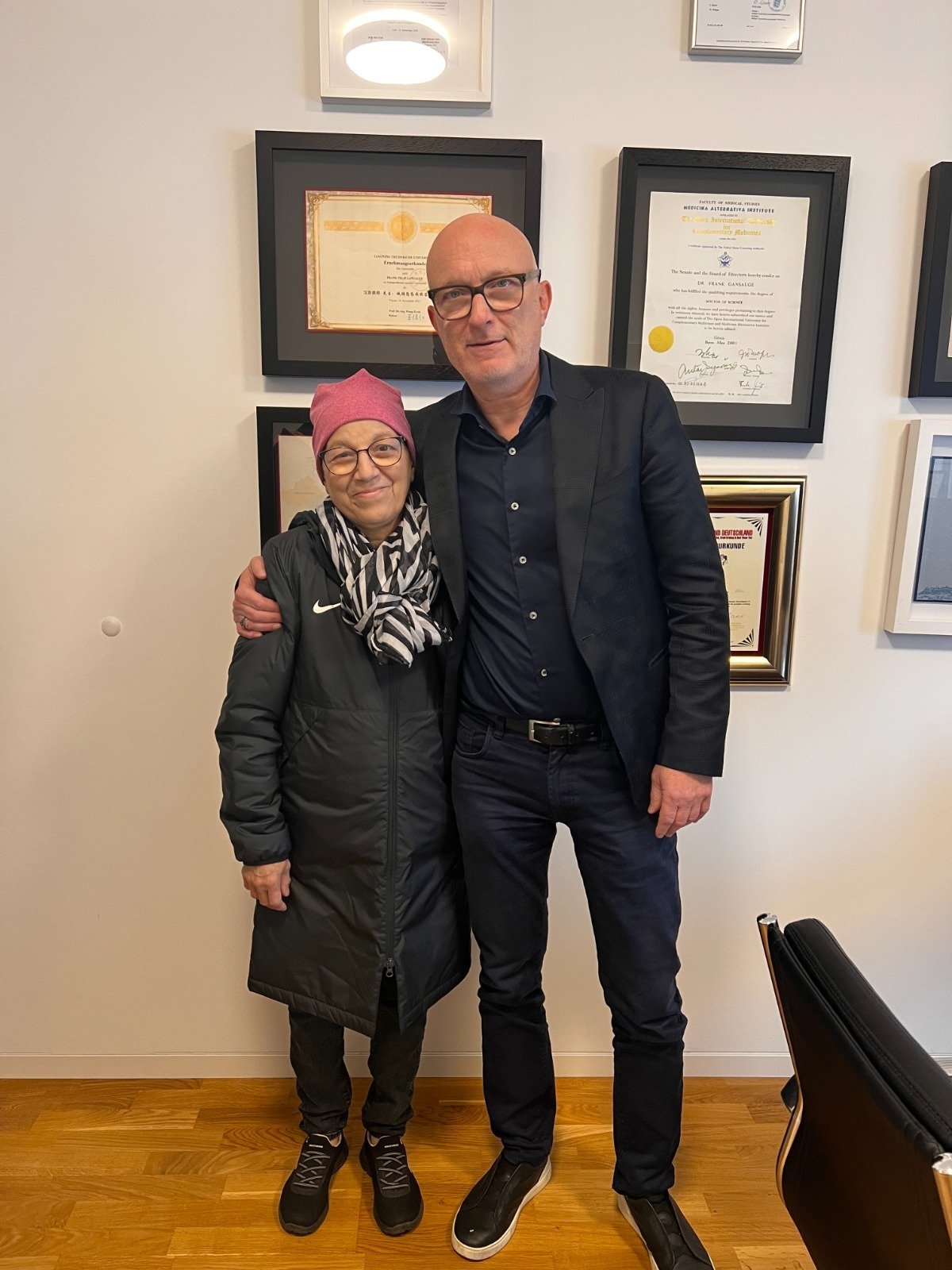
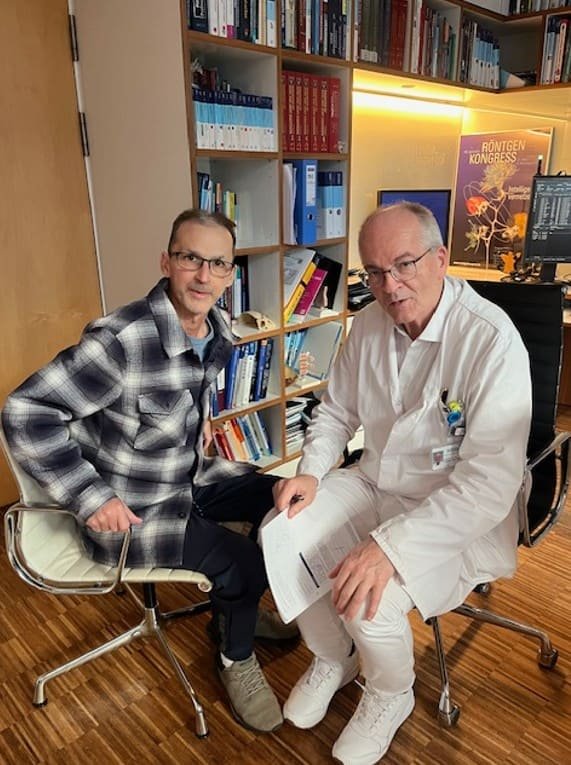
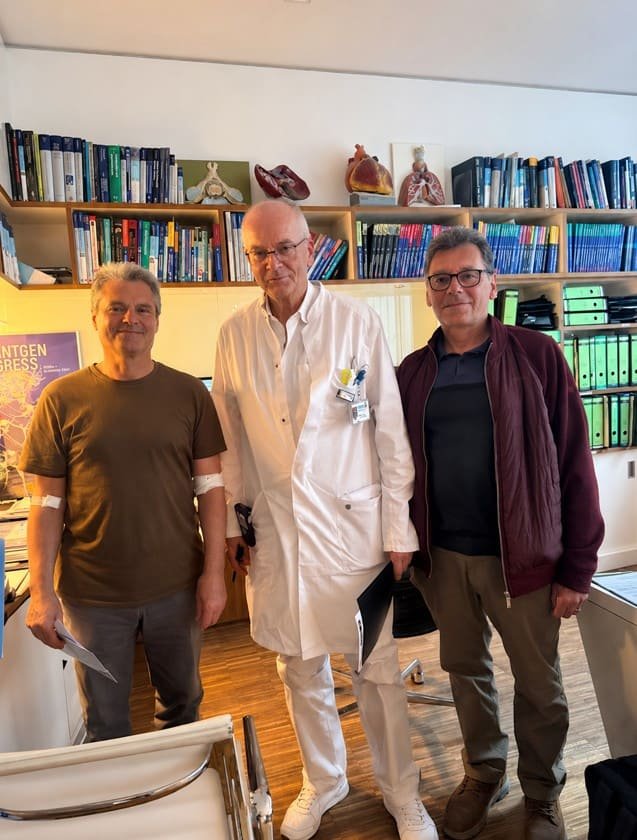
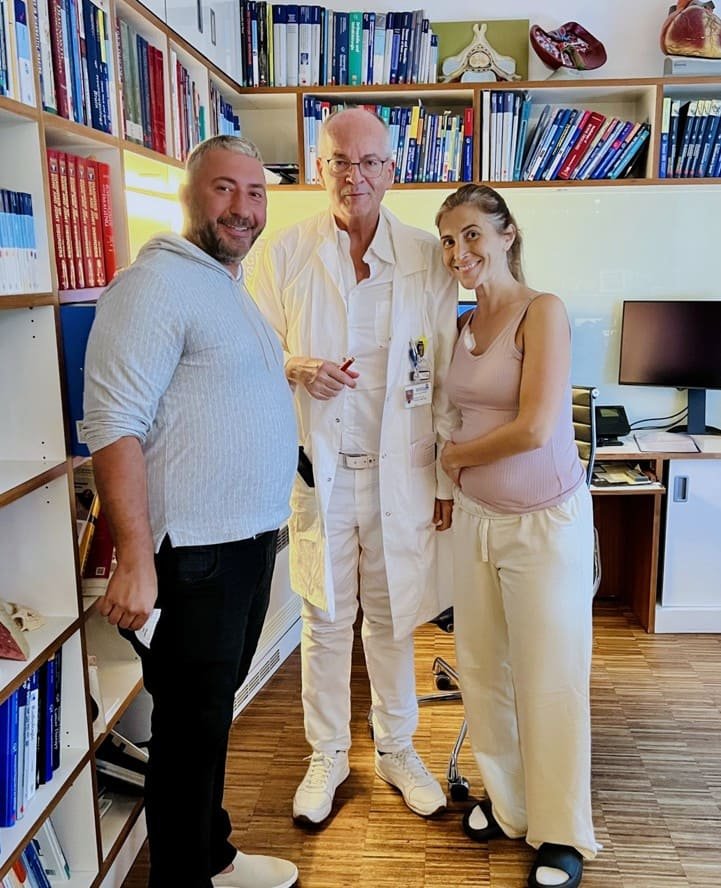
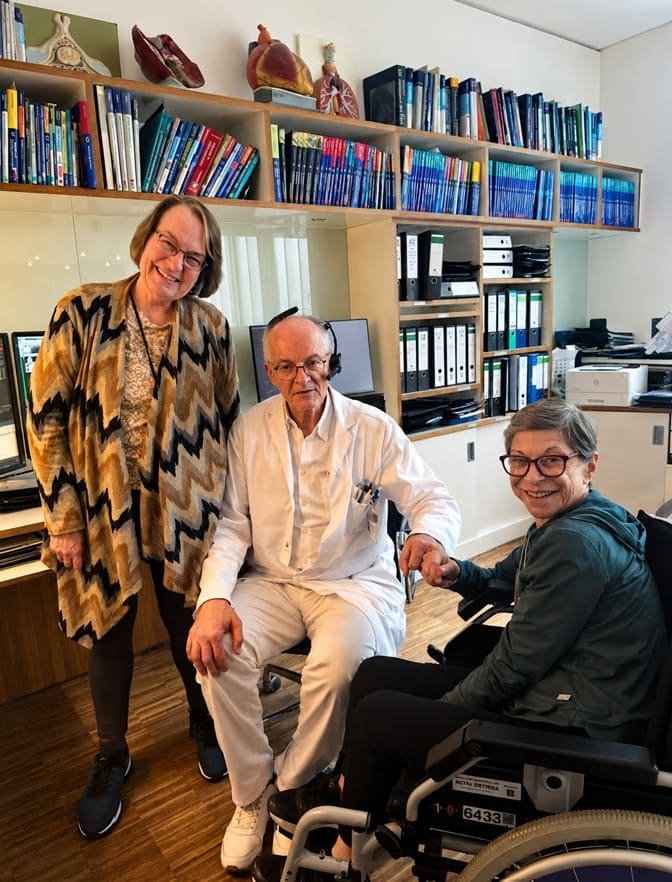
Germany has become an important destination for patients seeking innovative and latest treatment options for stage 4 esophageal cancer in Germany, supported by structured diagnostics, regulated oncology planning, and specialist-led programs. Advanced treatment pathways integrate interventional oncology and immune-based therapies under strict medical oversight. These programs are guided by experienced experts such as Prof. Vogl, known for advanced embolization-based cancer procedures, and Prof. Gansauge, recognized for his focused work in advanced cell-based cancer immunotherapy. International patients receive coordinated access to these therapies through Treatment in Germany (TIG) at www.treatmentingermany.de , with complete logistical support provided by TIG, ensuring patients do not need to approach doctors directly.
What Stage 4 Esophageal Cancer Means for Life Expectancy
Life expectancy in stage 4 esophageal cancer varies significantly from patient to patient. It depends on multiple factors, including how far the disease has spread, how aggressively the cancer behaves, how well the body tolerates treatment, and whether advanced therapies are suitable. Rather than defining outcomes by numbers, German oncology teams focus on stabilizing disease activity, reducing complications, and maintaining daily function.
With access to advanced cancer treatment in Germany, many patients benefit from structured monitoring and personalized treatment strategies that aim to extend stability and improve comfort over time. Life expectancy is approached as a dynamic process rather than a fixed timeline, with ongoing reassessment guiding treatment decisions.
Why Treatment in Germany Is Considered for Stage 4 Esophageal Cancer
Germany is widely trusted for stage 4 esophageal cancer treatment in Germany because of its regulated clinical standards and transparent treatment planning. Treatment is delivered through well-established German healthcare centers and specialized German oncology centers where multidisciplinary teams collaborate on complex cases.
Patients value Germany’s emphasis on diagnostic accuracy, suitability-based therapy selection, and continuous follow-up. These principles align closely with internationally recognized guidance from organizations such as the Canadian Cancer Society, which highlights the importance of individualized planning in advanced cancer treatment.
Treatment Options for Stage 4 Esophageal Cancer in Germany
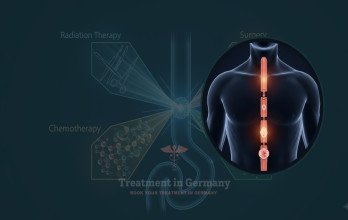
Treatment for stage 4 esophageal cancer is typically systemic, meaning it addresses cancer activity throughout the body. In selected patients, advanced interventional and immune-based therapies may be evaluated to support disease control and symptom management. Two important innovative approaches in Germany are TACE Treatment for stage 4 esophageal cancer and Immunotherapy Dendritic Cell Therapy in Germany.
TACE Treatment for Stage 4 Esophageal Cancer in Germany
TACE Treatment for stage 4 esophageal cancer in Germany may be evaluated when esophageal cancer has spread to the liver and localized tumor control is required as part of a broader treatment strategy. This interventional oncology procedure is designed to target liver metastases directly while minimizing unnecessary exposure to the rest of the body.
During TACE Therapy in Germany, chemotherapy is delivered directly into the blood vessels supplying the tumor, followed by embolic agents that reduce blood flow to the cancer tissue. This combined approach allows chemotherapy to remain concentrated within the tumor while limiting systemic toxicity. The goal is to reduce tumor activity, slow progression in the liver, and support symptom control in advanced disease.
Before treatment, doctors carefully review imaging and overall liver function to ensure suitability. After the procedure, patients are monitored closely, and follow-up imaging helps guide whether additional TACE Treatment sessions are needed. The cost of TACE Treatment in Germany typically ranges between €8,000 and €9,000 per session, depending on individual treatment planning.
Immunotherapy Dendritic Cell Therapy for Stage 4 Esophageal Cancer in Germany
Immunotherapy Dendritic Cell Therapy in Germany is a personalized immune-based treatment evaluated for advanced cancers, including stage 4 esophageal cancer. Unlike therapies that directly destroy tumors, this approach focuses on immune education and immune surveillance, helping the body recognize cancer-related markers more effectively.
The process begins with a detailed medical review to confirm suitability. Immune cells, known as monocytes, are collected from the patient’s blood and processed in an EU GMP-certified laboratory under strict quality standards. These cells are then trained using tumor-specific antigens so they mature into dendritic cells capable of supporting immune recognition.
The prepared cells are administered back to the patient as a personalized dendritic cell vaccine. Patients are monitored throughout the treatment course, and therapy planning is adjusted based on overall condition. Dendritic Cell Therapy is considered part of innovative cancer treatments in Germany. The cost of Immunotherapy Dendritic Cell Therapy in Germany is €26,000, covering laboratory processing and administration.
Role of New Clinical Trials in Germany
Germany actively supports oncology research, and new clinical trials for stage 4 esophageal cancer in Germany may be available for selected patients with advanced esophageal cancer. Eligibility depends on disease characteristics, prior treatments, and overall health. Clinical trial participation is evaluated carefully to ensure patient safety and ethical standards.
Access to research-driven care contributes to Germany’s reputation for innovative treatment options in Germany, particularly for advanced and metastatic cancers.
International Patient Support through Treatment in Germany
Receiving cancer treatment abroad involves more than medical care alone. International patients require coordination for appointments, documentation, travel, and follow-up. TIG (Treatment in Germany) at www.treatmentingermany.de manages complete logistical arrangements, including medical visa support if required, allowing patients to focus fully on treatment decisions and recovery.
🌍Why Patients Worldwide Prefer Our Medical Services in Germany – Key Benefits Explained:










.webp)
 (1).webp)
.webp)
.jpg)
 (1).webp)
.jpg)