
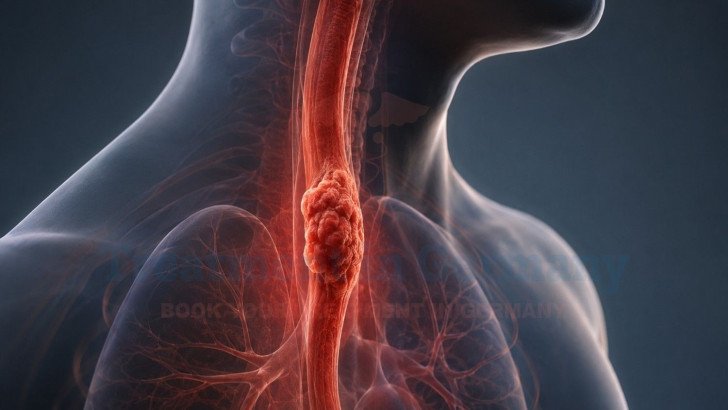
Esophageal cancer or esophageal cancer, depending on where you live is the 10th most common cancer in the world.
Advanced Esophageal Cancer Treatment in Germany
Each year, according to GLOBOCAN 2020 estimates more than 600,000 people worldwide receive a diagnosis of esophageal cancer, and the disease claims over 500,000 lives annually, making it the sixth leading cause of cancer-related death globally. [1] In terms of incidence, it ranks seventh among all cancers worldwide, with the highest burden concentrated in high-incidence geographic regions observed in Eastern Asia and parts of Eastern and Southern Africa. [1] Because early-stage esophageal cancer is often asymptomatic, many patients are diagnosed with locally advanced or metastatic disease, which can limit curative treatment options
The two main subtypes tell different regional stories. Esophageal squamous cell carcinoma dominates in high-risk regions across Central Asia and East Africa, while esophageal adenocarcinoma is increasing in incidence in Western countries, a trend closely linked to rising rates of obesity, gastroesophageal reflux disease, and Barrett's esophagus. [1] Regardless of subtype, delayed diagnosis remains the shared challenge, and it is what increasingly drives patients to seek more specialized and comprehensive cancer care abroad.
Germany has emerged as one of the most trusted destinations for advanced esophageal cancer treatment in Germany, offering a distinctive combination of world-class surgical infrastructure, internationally trained esophageal cancer specialists in Germany, and access to therapies such as immunotherapy, TACE and dendritic cell therapy. The best hospitals in Germany for esophageal cancer operate within a multidisciplinary framework, ensuring every patient benefits from collaborative, evidence-based decision-making tailored to their individual diagnosis and medical history using approach involving surgical oncology, medical oncology, radiation oncology, gastroenterology, radiology, and pathology to individualize treatment planning.
If you are considering stage 4 esophageal cancer treatment in Germany or exploring options for earlier-stage disease, TIG GmbH is here to guide you through every step, from securing a medical visa Germany cancer treatment to coordinating consultations with the right esophageal cancer specialists in Germany.
What Is Esophageal Cancer?
Cancer of the esophagus develops when abnormal cells form in the epithelial lining of the esophagus, the muscular tube that connects the throat (pharynx ) to the stomach. The two principal histologic subtypes of esophageal cancer are squamous cell carcinoma and adenocarcinoma. The first is esophageal squamous cell carcinoma, which arises from the flat squamous cells lining the upper and middle esophagus. The second is adenocarcinoma of esophagus, which originates in glandular cells near the stomach junction and is rising in incidence in Western countries. [1]

Understanding what causes esophageal cancer and understanding the major risk factors associated with esophageal cancer may help support prevention and help in prevention. Risk factors vary between the two subtypes but commonly include:
Chronic acid reflux and Barrett's esophagus (for adenocarcinoma)
Causes of esophageal cancer such as tobacco use and heavy alcohol consumption
Poor nutrition, obesity, and a diet low in fruits and vegetables
Chronic exposure to very hot liquids or smoked foods
Infection with human papillomavirus (HPV) in certain regions
Symptoms of Esophageal Cancer
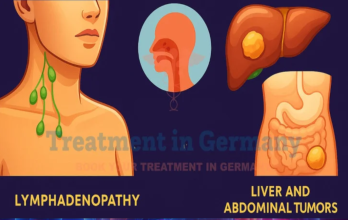
One reason esophageal cancer carries such a poor prognosis is that early-stage disease is frequently asymptomatic. By the time symptoms of esophageal cancer emerge, the disease is often locally advanced or metastatic at presentation.
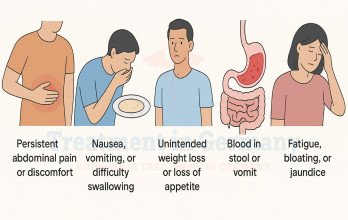
Common esophageal tumor symptoms and signs of esophageal cancer include:
Dysphagia: Progressive dysphagia, typically beginning with difficulty swallowing solid foods and later progressing to liquids
Unintended and often rapid weight loss
Persistent chest pain, pressure, or burning behind the sternum
Chronic hoarseness or a persistent cough
Regurgitation of food reflux symptoms, or persistent dyspepsia and chronic indigestion
Black or tarry stools (Melena) indicating upper gastrointestinal bleeding
Many patients wonder: how long can you have esophageal cancer and not know? because early esophageal cancer may remain asymptomatic for prolonged periods. Diagnosis may be delayed until the cancer becomes more advanced. This delay is part of why advanced-stage disease is so common at initial presentation. It is also important to understand how rapidly esophageal cancer may progress if left untreated: without treatment, median survival for advanced disease can be as short as six to twelve months, underlining the urgency of seeking appropriate care. [8]
Diagnosis and Staging
Esophageal cancer diagnosis typically begins with an endoscopy esophageal cancer procedure, during which a flexible camera is passed into the esophagus called as upper gastrointestinal endoscopy (esophagogastroduodenoscopy, EGD), allowing direct visualization of any suspicious tissue and enabling biopsy sampling. Additional imaging studies, including computed tomography (CT), positron emission tomography combined with CT (PET-CT), and endoscopic ultrasound (EUS), which help assess tumor depth, regional lymph node involvement, and distant metastatic disease. According to the ESMO Clinical Practice Guideline, thorough staging is essential before deciding on a treatment strategy because treatment recommendations depend heavily on disease extent and resectability. [8]
A key question for patients ‘is esophageal cancer curable’. The answer depends heavily on the stage at diagnosis as well as tumor biology and the patient’s overall medical condition.. Early-stage tumors confined to the esophageal wall are potentially curable with surgery, while advanced or metastatic disease shifts the goal toward prolonging survival and maintaining quality of life. This is also why understanding esophageal tumor staging is so important for treatment planning.
Stages of Esophageal Cancer and Prognosis
Prognosis in esophageal cancer depends on multiple factors, including tumor stage, lymph node involvement, histological subtype (squamous cell carcinoma vs adenocarcinoma), molecular biomarkers, overall patient health, and access to modern therapies such as immunotherapy response to therapy, and, in selected cases, molecular and immunologic biomarkers that may guide targeted or immunotherapy-based treatment. Survival statistics should therefore be viewed as general population estimates rather than predictions for an individual patient. [8]

Survival outcomes vary significantly based on tumor biology, histological subtype, lymph node burden, treatment access, and use of newer systemic therapies such as immune checkpoint inhibitors. Some patients with stage 4 esophageal cancer may achieve prolonged disease control with modern combination therapies [2][8].
Standard Treatment Options for Esophageal Cancer
When esophageal cancer is diagnosed, depends on tumor stage, histologic subtype, molecular characteristics, resectability, and the patient’s overall health and performance status. The standard approaches used by esophageal cancer specialists include:
Surgery (Esophagectomy): Removal of part or all of the esophagus is the primary curative option for early-stage tumor in esophagus. It is most effective when the cancer has not spread beyond the esophageal wall.
Chemotherapy: Systemic drug therapy is used to shrink tumors before surgery (neoadjuvant) or to control disease spread in stage 4 esophageal cancer. Common regimens combine platinum-based agents with fluoropyrimidines. [8]
Radiation Therapy: Often combined with chemotherapy (chemoradiotherapy), radiation targets the tumor site and is used in both curative and palliative settings for cancer of the esophagus. [8]
Endoscopic Procedures: For early or superficial tumors, endoscopic mucosal resection or ablation can remove cancerous tissue with minimal invasiveness, detected through endoscopy esophageal cancer evaluation.
Targeted Therapy: Biomarker-directed therapies may be used in selected patients. For example, trastuzumab may be added to systemic therapy for HER2-positive esophageal or gastroesophageal junction adenocarcinoma. [3]
Palliative Care: For advanced disease, stenting and nutritional support help manage esophageal tumor symptoms supportive interventions such as esophageal stenting, nutritional support, pain management, and palliative systemic therapy may help relieve symptoms, maintain swallowing function, and improve quality of life
These standard options form the foundation of esophageal cancer treatment, and in Germany, they are delivered within a multidisciplinary framework that ensures each patient receives a personalized and evidence-based care plan.
Innovative treatment Options for Advanced Esophageal Cancer in Germany
Germany stands at the forefront of oncological innovation. For patients with advanced esophageal cancer treatment needs, a multi-disciplinary approach is standard, drawing on surgical oncology, radiation, systemic therapies, and increasingly, immunological treatments. The recognized approaches for treatment for esophageal cancer in Germany include:
Esophagectomy for resectable tumors in suitable surgical candidates
Neoadjuvant and adjuvant chemoradiotherapy
Stage 4 esophageal cancer treatment options including TACE, systemic chemotherapy, and targeted agents
Esophageal cancer immunotherapy using checkpoint inhibitors
Dendritic cell therapy as part of advanced immunological protocols
Endoscopic palliation for dysphagia relief (stenting, laser therapy)
The choice of treatment depends on tumor histology, overall patient fitness, and the extent of disease. TIG GmbH works alongside esophageal cancer specialists in Germany to help international patients understand their options and navigate the process efficiently.
TACE Treatment for Advanced Esophageal Cancer in Germany
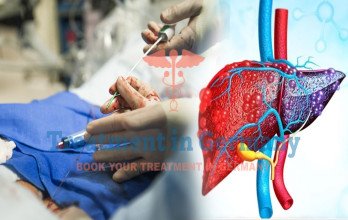
Transarterial infusion and embolization approaches, including TACE-based techniques, are being explored in selected patients with advanced esophageal or gastroesophageal junction malignancies. TACE for esophageal cancer in Germany represents a specialized interventional radiology technique in which chemotherapy agents are delivered directly through the arterial blood supply feeding a tumor, followed by embolization to block the blood flow. This dual mechanism concentrates the drug within the tumor while limiting systemic exposure. For patients with advanced tumor in esophagus or involvement of the gastroesophageal junction, transarterial approaches may be considered for local disease control when surgical resection is no longer feasible. [6]

A retrospective study evaluating transarterial infusion chemotherapy in patients with advanced gastroesophageal junction tumors have reported disease stabilization in selected patients who were not candidates for curative surgery, supporting ongoing investigation of this approach in selected upper gastrointestinal malignancies. [6] Additionally, clinical evaluation data specifically examining transarterial infusion for esophageal cancer suggest that this technique has shown potential for local tumor control in selected patients with advanced, unresectable disease[9]
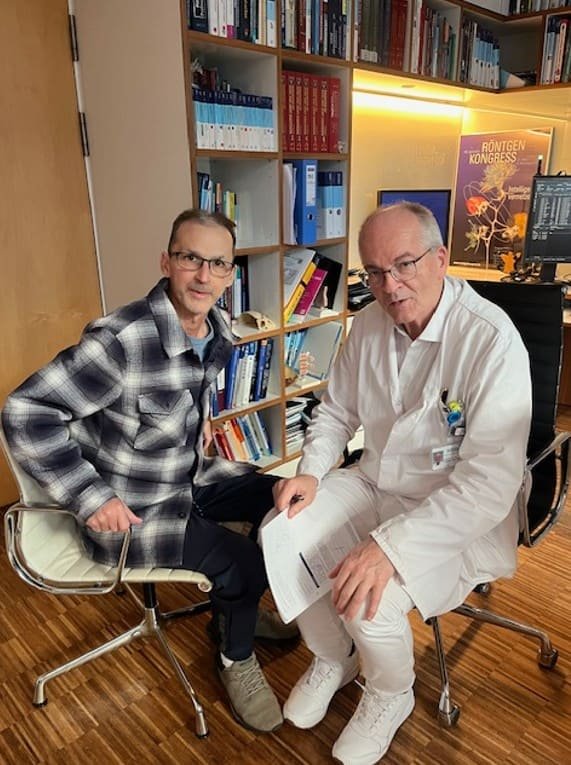
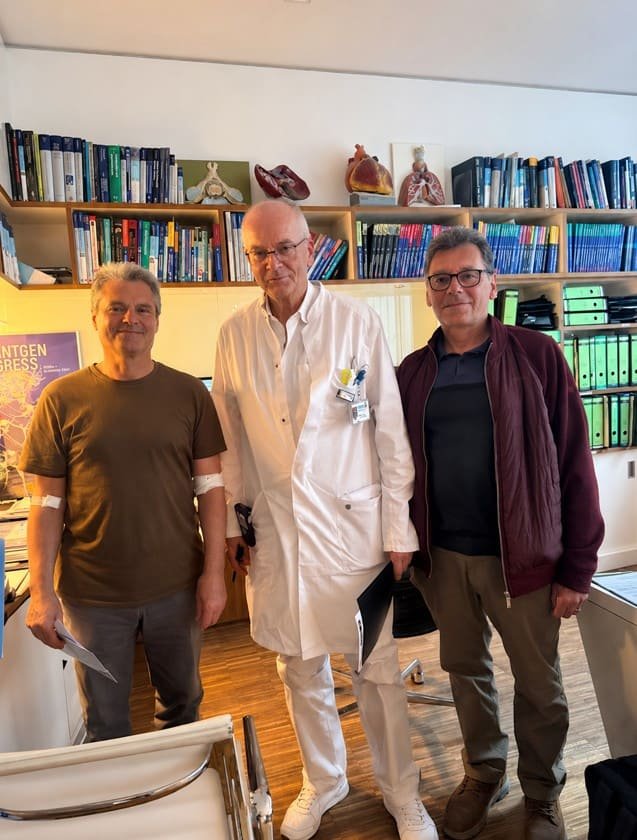
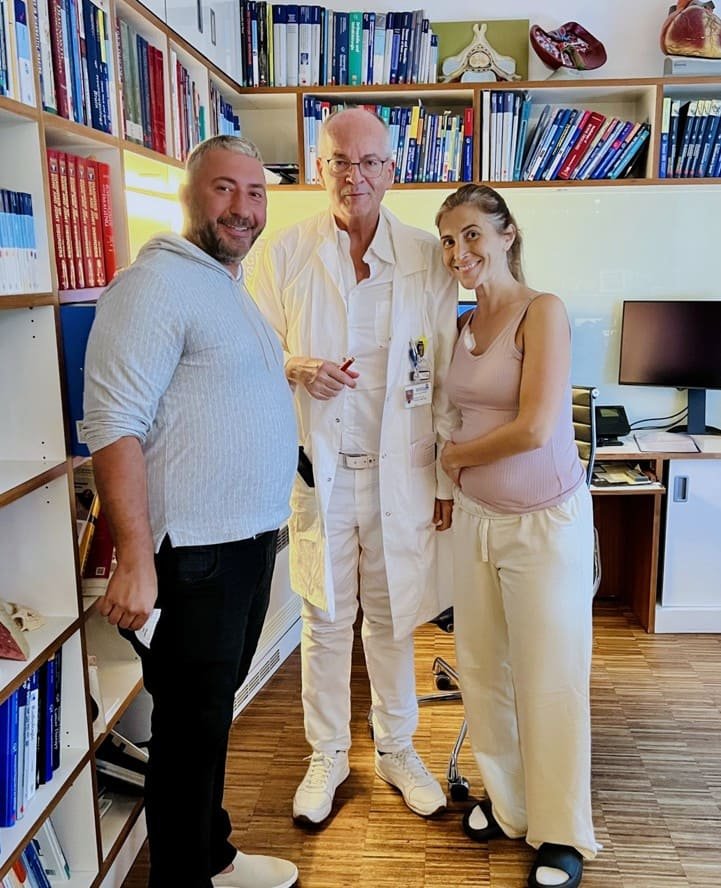
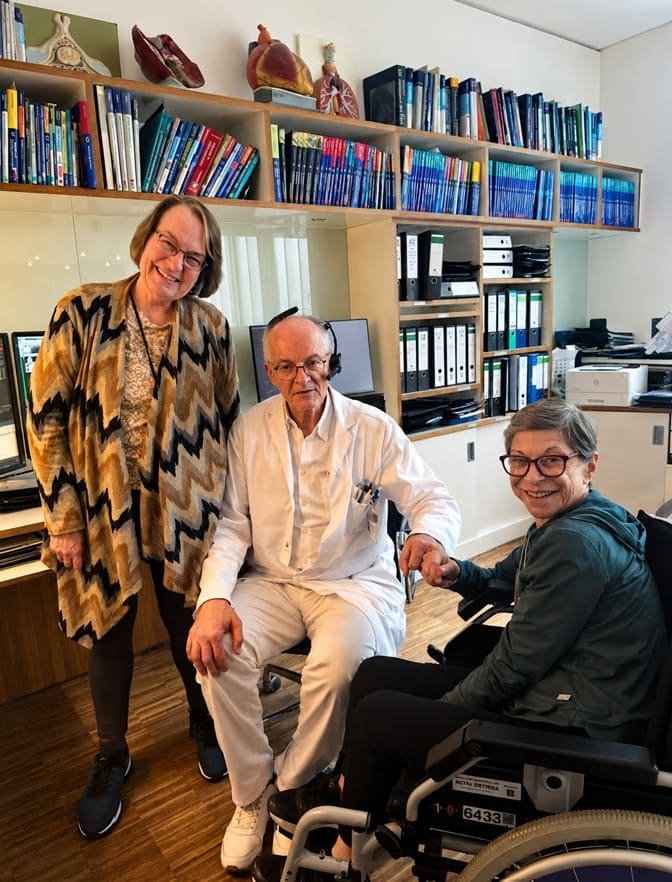
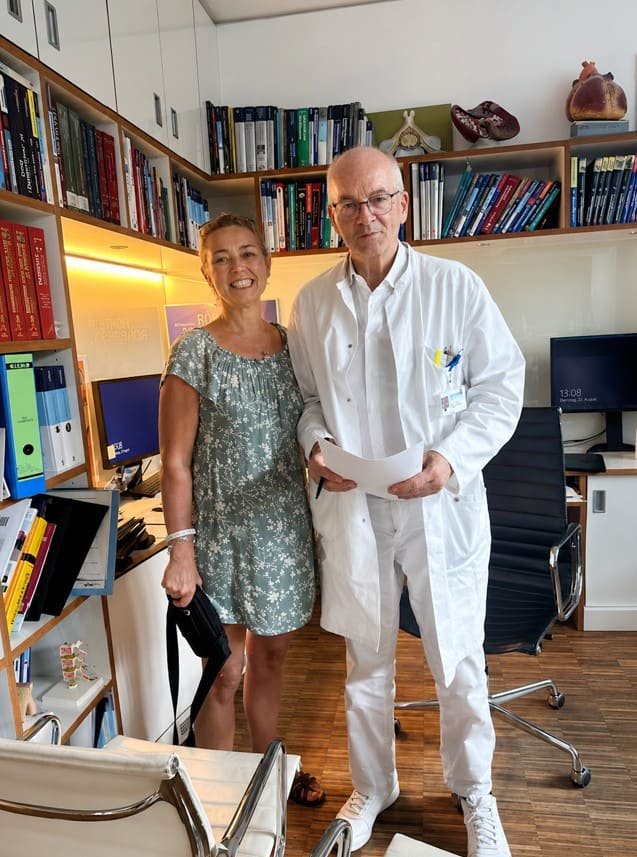
The cost of TACE therapy in Germany typically ranges between €8,000 and €9,000 per session, delivered by specialists such as Prof. Vogl, an expert in embolization therapies. TIG GmbH can assist patients in scheduling consultations with such experts and coordinating the logistical aspects of multi-session treatment plans. TACE and transarterial infusion approaches are generally considered specialized or adjunctive therapies rather than standard first-line treatment for esophageal cancer and are typically offered only in selected centers.
Immunotherapy for Advanced Esophageal Cancer in Germany
Esophageal cancer immunotherapy has emerged as one of the most transformative areas in oncology over the past decade. Checkpoint inhibitors, particularly those targeting the PD-1/PD-L1 axis, have reshaped the treatment landscape for both esophageal squamous cell carcinoma and esophageal adenocarcinoma. [2]
PD-L1 expression in the tumor microenvironment plays a central role in determining which patients are most likely to respond to checkpoint inhibitor therapy. Research has shown that high PD-L1 expression, favorable tumor mutational burden, and a T-cell inflamed tumor microenvironment correlate with improved outcomes. [4] The tumor microenvironment in esophageal cancer is characterized by complex immune cell infiltration, and therapies that modulate this environment are increasingly showing clinical benefit. [4]
A comprehensive review published in Cancers noted that PD-1/PD-L1 checkpoint inhibitors have demonstrated survival benefits in both the first-line and second-line settings for advanced esophageal cancer, including combinations with standard platinum-based chemotherapy. [2] Clinical guidelines from the European Society for Medical Oncology (ESMO) now recommend immune checkpoint inhibitors as a standard component of first-line therapy in eligible patients with advanced or metastatic esophageal cancer depending on histologic subtype, PD-L1 status, and treatment indications [8].
Regarding biomarker-driven treatment, evolving data underscore the importance of assessing PD-L1 combined positive score (CPS), microsatellite instability (MSI), and tumor-intrinsic markers when selecting patients for immunotherapy for esophageal cancer in Germany [4]. German oncology centers typically provide comprehensive molecular profiling to ensure that each patient receives the most targeted treatment available.
TIG GmbH facilitates access to leading immunotherapy programs at major German university hospitals, helping patients connect with teams that specialize in molecular tumor boards and personalized oncology protocols for advanced esophageal cancer treatment in Germany.
Dendritic Cell Therapy for Advanced Esophageal Cancer in Germany
Dendritic cell (DC) therapy is an advanced form of immunotherapy designed to stimulate the body's immune system to recognize and attack esophageal cancer cells. The process typically begins with collecting immune cells from the patient's blood. These cells are then cultivated in a specialized laboratory and matured into dendritic cells, which are exposed to tumor-associated antigens to help train the immune system to recognize cancer cells. The activated dendritic cells are subsequently administered back to the patient with the goal of stimulating T-cell–mediated antitumor immune responses.

Research has shown that dendritic cell–based immunotherapy can induce measurable immune responses in selected patients with advanced malignancies and has generally shown an acceptable safety profile. Although large randomized trials are still ongoing, early studies suggest that DC therapy may help support disease stabilization in some patients when used alongside other systemic cancer treatments. [7]. This approach is typically used as part of a combination strategy alongside other systemic treatments.
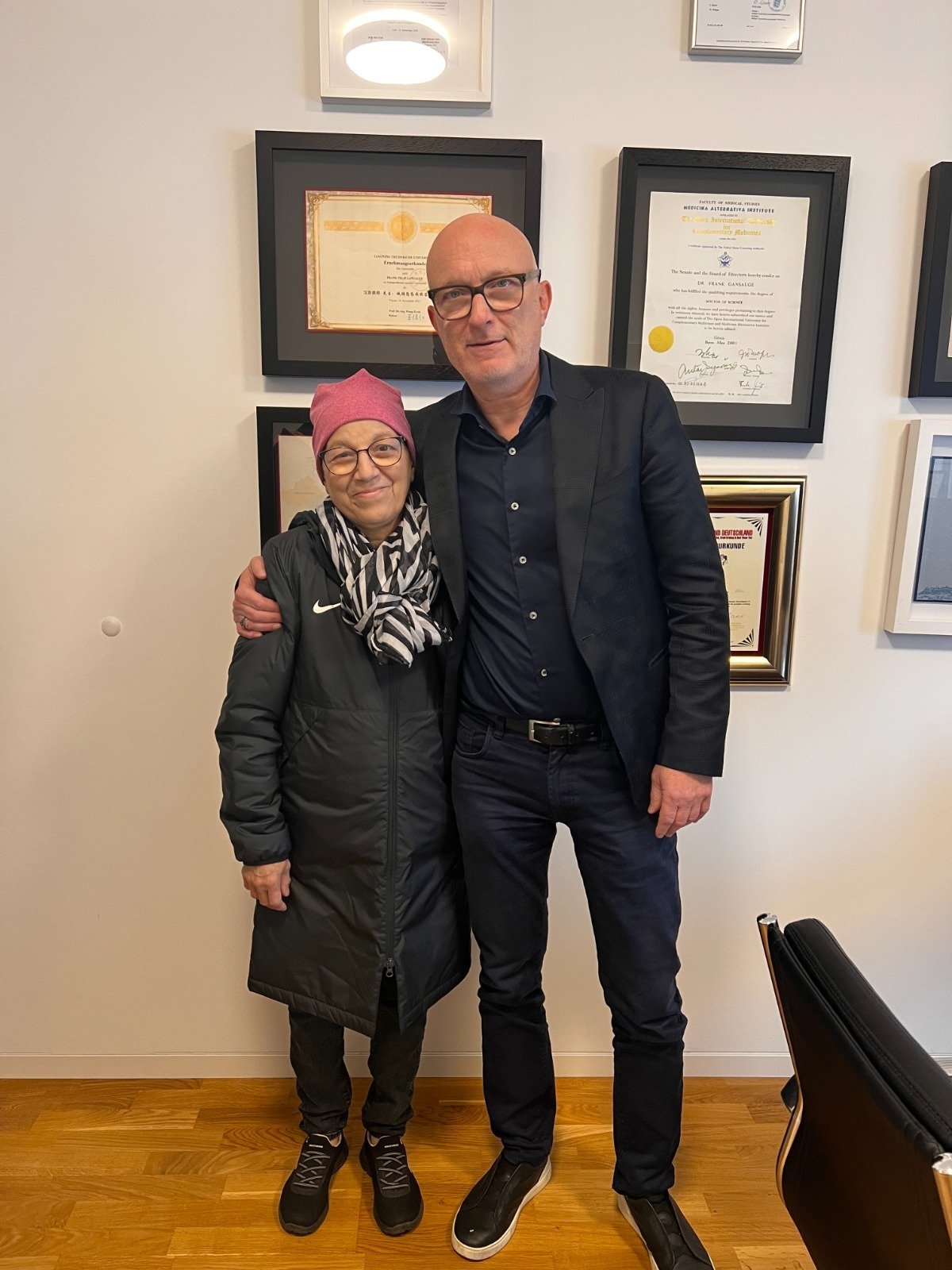
The cost of dendritic cell therapy in Germany is approximately €27,000 for total course, delivered by Prof. Gansauge at LDG Laboratories. TIG GmbH helps patients understand the full scope of this treatment, including scheduling, travel coordination, and the logistics of multi-week stays required during therapy.
Cost of Advanced Esophageal Cancer Treatment in Germany
Treatment costs in Germany vary by modality, number of cycles, and the specific institution. The following table provides a general overview of costs associated with advanced esophageal cancer treatment in Germany.

These figures are approximate and can vary based on individual clinical needs. For a personalized cost estimate, TIG GmbH provides patients with a detailed breakdown before they commit to travel or treatment plans for esophageal cancer treatment in Germany.
Who Is Eligible for TACE or Dendritic Cell Therapy?
Treatment eligibility is individualized and depends on tumor characteristics, overall health status, prior therapies, and institutional treatment protocols. The following general criteria are considered by esophageal cancer specialists in Germany:
TACE Eligibility
Patients with unresectable locally advanced or metastatic esophageal or gastroesophageal junction malignancies who are not candidates for standard curative therapies
Adequate liver function and performance status to tolerate interventional procedures
Tumors with identifiable arterial supply suitable for catheter-based delivery
No contraindication to angiographic procedures, arterial catheterization, or iodinated contrast administration
Dendritic Cell Therapy Eligibility
Histologically confirmed cancer of the esophagus or gastroesophageal junction malignancy being considered for investigational immunotherapy protocols
Adequate hematologic and immune cell parameters for leukapheresis and cellular processing
No active autoimmune disease or ongoing immunosuppressive therapy
Willingness to attend multiple sessions over several weeks
Limitations and Important Considerations
While Germany offers some of the most sophisticated options for esophageal cancer treatment, patients and families should approach the process with realistic expectations and thorough understanding.
Can esophageal cancer be cured? At stage IV, cure is rarely achievable, but long-term disease control and improved quality of life remain realistic goals with modern therapies.
Esophageal cancer survival rate at advanced stages remains low globally, and novel therapies, while promising, do not benefit all patients equally.
Dendritic cell therapy and some immunotherapy protocols are still being evaluated in randomized controlled trials. [7]
Patients should be fully informed of the evidence base before proceeding.
TACE is not a standalone curative treatment for esophageal cancer but is best viewed as disease control and palliation. [9]
Travel, accommodation, language differences, and coordinating care across borders can create stress. TIG GmbH exists specifically to minimize these barriers for international patients seeking advanced cancer treatment in Germany.
Why Germany Stands Out for Esophageal Cancer Treatment
Germany consistently ranks among the top destinations globally for complex oncological care. Several factors contribute to its standing as a premier destination for esophageal cancer treatment in Germany:
Multidisciplinary tumor boards at all major university hospitals ensure collaborative decision-making.
Early access to novel agents through clinical trials and compassionate use programs.
German oncology centers follow ESMO guidelines closely, [8] ensuring internationally benchmarked care for esophageal cancer diagnosis and treatment.
State-of-the-art robotic and minimally invasive surgical platforms for eligible patients.
Strong infrastructure for immunotherapy for esophageal cancer in Germany, including molecular profiling and biomarker testing.
World-class standards of patient care and post-treatment follow-up.
For international patients, Germany also offers a transparent system for obtaining a medical visa Germany cancer treatment. TIG GmbH routinely assists patients with visa applications, invitation letters from hospitals, and all necessary documentation.
Leading Hospitals in Germany for Esophageal Cancer Treatment
Germany has several outstanding academic medical centers renowned for their multidisciplinary oncology programs. The following hospitals are recognized for excellence in managing esophageal cancer:

Each of these centers has dedicated esophageal cancer specialists who collaborate across disciplines to create individualized treatment plans. TIG GmbH has established relationships with oncology departments at these institutions and can help patients obtain second opinions, schedule consultations, and manage their entire treatment journey.
How TIG GmbH Supports International Esophageal Cancer Patients
Navigating stage 4 esophageal cancer treatment in Germany from abroad can feel overwhelming. TIG GmbH is a patient facilitation company connecting international patients with Germany's leading oncologists and treatment centers. Our services include:
Medical record review: Forwarding your pathology and imaging reports to the right esophageal cancer specialists in Germany for a pre-consultation opinion
Hospital and specialist matching: Identifying the most suitable center for your needs, whether TACE or dendritic cell therapy
Medical visa assistance: Full support for obtaining a medical visa Germany cancer treatment, including hospital invitation letters
Travel coordination: Handling all logistics so you can focus on your health
Interpreter services: Ensuring clear communication with your German care team
Post-treatment follow-up: Coordinating with your home physicians for seamless continuity of care
Whether you are exploring TACE or DCT or seeking treatment at the best hospitals in Germany for esophageal cancer, TIG GmbH is your trusted partner. Reach out today to begin your journey.
References
Read more
- Esophageal Cancer Treatment: Complete Guide to Modern Therapy Options 2026
- Stage 4 Esophageal Cancer Treatment in Germany and Life Expectancy
- Understanding Stage 4 Esophageal Cancer in Germany
- Esophageal Cancer Treatment Options in Germany
- Esophageal Cancer: Treatment in Germany
Why Patients Worldwide Prefer Our Medical Services in Germany – Key Benefits Explained

















.webp)
 (1).webp)
.webp)
.jpg)
 (1).webp)
.jpg)