
Learn about radiation therapy for breast cancer in Germany, including treatment planning, side effects, and advanced supportive therapies for international patients.
Radiation Therapy for Breast Cancer
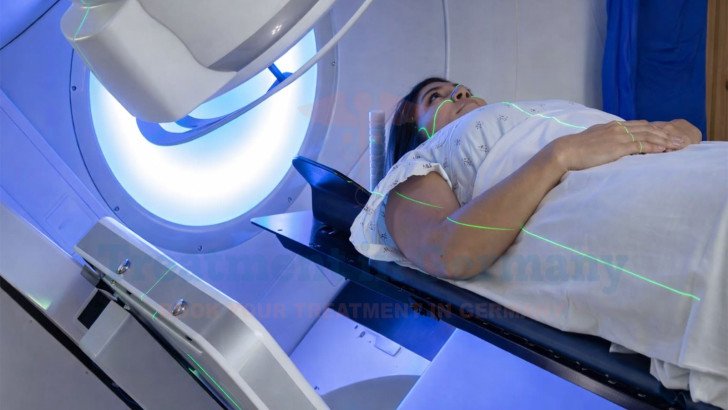
Radiation therapy is one of the most commonly used treatments for breast cancer and plays a crucial role in controlling disease progression and reducing the risk of recurrence. Patients exploring radiation therapy for breast cancer are often seeking an effective local treatment that targets cancer cells while preserving surrounding healthy tissue. In Germany, radiation therapy is delivered using advanced technology and carefully planned protocols that prioritize precision and patient safety.
Germany is widely recognized for its structured oncology care, making it a preferred destination for international patients seeking modern cancer treatments in Germany. Radiation therapy is often used as part of a broader treatment plan, depending on tumor type, stage, and individual patient factors.
What Is Radiation Therapy for Breast Cancer
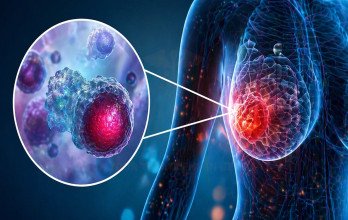
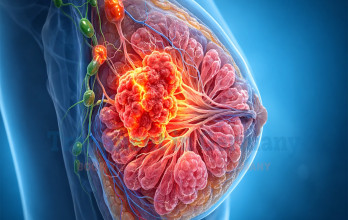
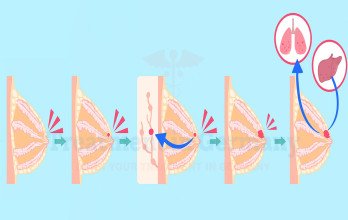
Radiation therapy uses high-energy rays to destroy cancer cells or prevent them from growing. In breast cancer, radiation therapy is typically directed at the breast tissue, chest wall, or nearby lymph nodes where cancer cells may remain after surgery. The goal is to eliminate microscopic cancer cells that are not visible on imaging but could contribute to recurrence.
In Germany, radiation therapy is carefully planned using detailed imaging and computerized treatment planning systems. This ensures that radiation is delivered precisely to the targeted area while minimizing exposure to the heart, lungs, and surrounding healthy tissue.
When Radiation Therapy Is Used in Breast Cancer Treatment
Radiation therapy may be recommended after breast-conserving surgery, such as lumpectomy, to reduce the risk of cancer returning in the treated breast. It may also be used after mastectomy in selected cases, particularly when cancer has involved lymph nodes or surrounding tissues.
German oncologists evaluate each case individually, considering tumor size, lymph node involvement, surgical margins, and overall health. This individualized approach reflects best practices supported by organizations such as the British Cancer Society, which emphasize tailored treatment planning rather than one-size-fits-all care.
How Radiation Therapy for Breast Cancer Is Planned in Germany
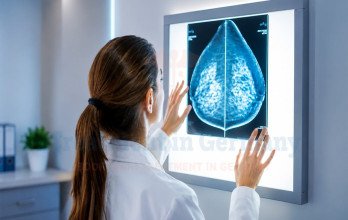
Before radiation therapy begins, patients undergo a detailed planning process. This includes imaging studies such as CT scans to map the treatment area accurately. Radiation oncologists and medical physicists work together to design a treatment plan that delivers the appropriate dose to the cancer-affected area while protecting nearby organs.
In Germany, this planning phase is considered just as important as the therapy itself. International patients often appreciate the thorough explanations provided during this stage, as it helps them understand how treatment decisions are made and what to expect during therapy.
Types of Radiation Therapy Used for Breast Cancer
Several radiation techniques may be used for breast cancer, depending on the clinical situation. External beam radiation therapy is the most common approach and involves delivering radiation from outside the body. Advanced techniques allow for more precise targeting, reducing exposure to surrounding tissues.
German cancer centers continuously update their radiation protocols in line with evolving research and technological advancements, supporting innovative treatment options in Germany while maintaining strict safety standards.
Side Effects of Radiation Therapy for Breast Cancer
Side effects of radiation therapy vary depending on the treated area, total dose, and individual sensitivity. Common side effects may include skin irritation, fatigue, and localized discomfort in the treated area. These effects are usually temporary and gradually improve after treatment completion.
In Germany, side-effect management is an integral part of treatment. Radiation oncologists monitor patients closely and provide supportive measures to help manage symptoms, ensuring treatment remains as comfortable as possible.
Why International Patients Choose Radiation Therapy in Germany
Germany attracts international patients for breast cancer treatment because of its combination of medical expertise, advanced technology, and patient-centered care. International Patients often seek treatment in Germany for its transparent treatment planning and regulated healthcare environment.
TIG, Treatment in Germany, at www.treatmentingermany.de, assists international patients with complete logistical arrangements including a medical visa support if required. This comprehensive support simplifies the treatment journey for patients traveling abroad.
Role of Innovative Treatments alongside Radiation Therapy
While radiation therapy remains a cornerstone of breast cancer treatment, some patients explore additional therapies as part of a comprehensive management plan. These therapies are evaluated based on disease stage, prior treatments, and overall health.
In modern cancer treatments for breast cancer in Germany, advanced interventional and immune-based approaches may be considered in selected cases to support disease control.
Immunotherapy Dendritic Cell Therapy for Breast Cancer in Germany
Immunotherapy Dendritic Cell Therapy for breast cancer in Germany is a personalized immune-based treatment evaluated for selected breast cancer patients. It uses the patient’s own immune cells (Monocytes), which are collected from the blood and processed in an EU GMP certified laboratory to generate a dendritic cell vaccine that supports immune recognition of cancer-related signals.
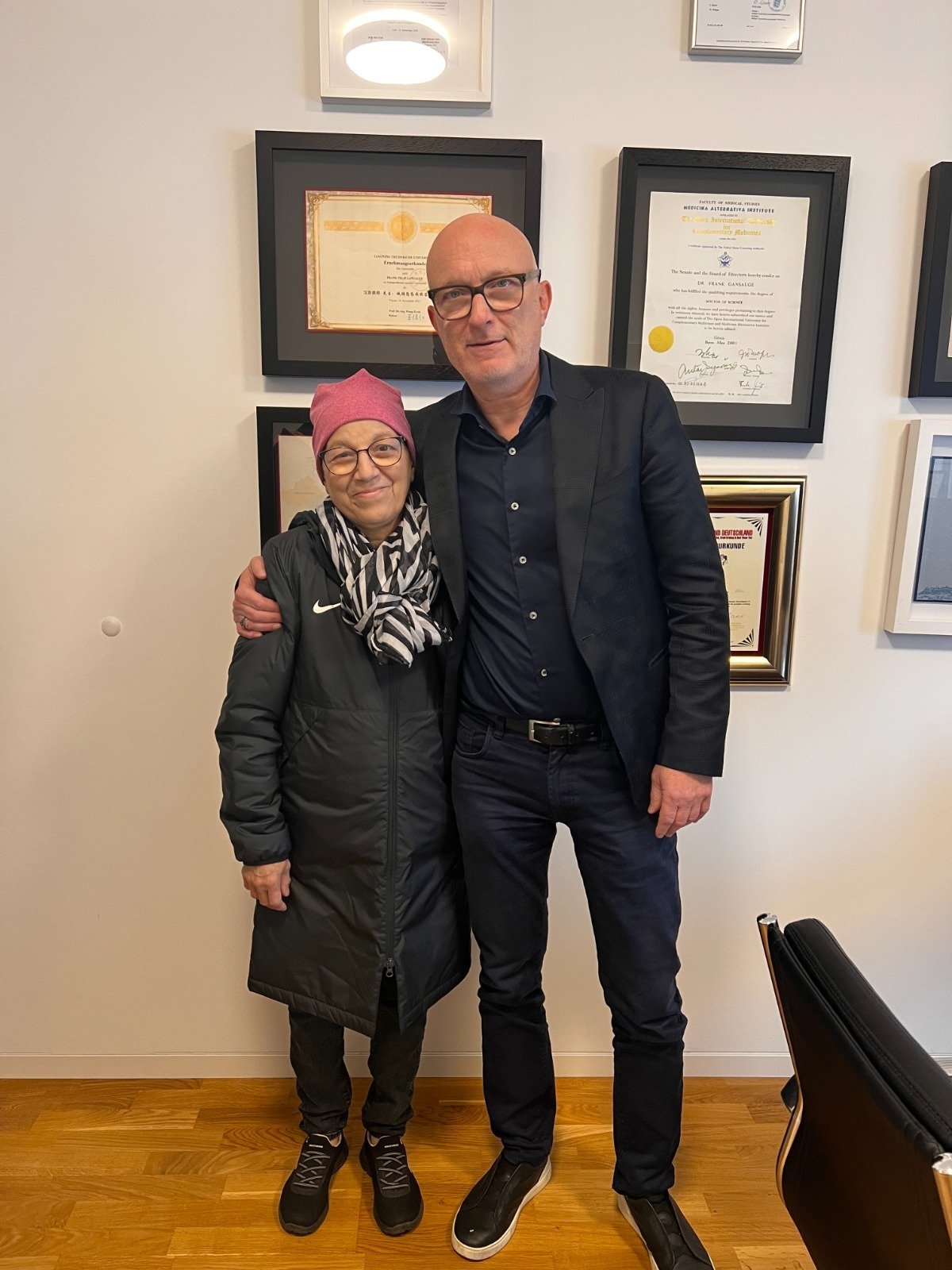
This therapy is performed by Prof. Gansauge in Berg, Germany. Patients undergo medical evaluation before treatment, followed by immune cell collection, laboratory preparation, and scheduled administration. The cost of Immunotherapy Dendritic Cell Therapy in Germany is €24,000.
TACE and TACP Treatments for Advanced Breast Cancer in Germany
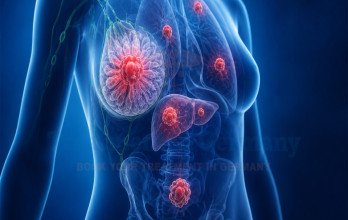
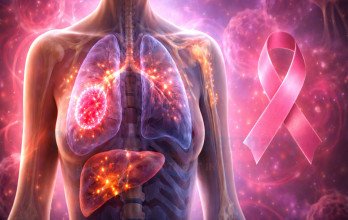
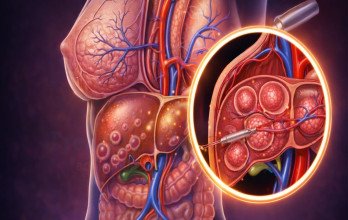
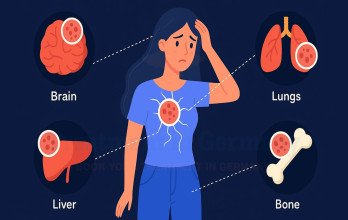
In advanced cases where breast cancer has spread to organs such as the liver, interventional oncology procedures may be evaluated. TACE Treatment for breast cancer in Germany and TACP Treatment in Germany are localized therapies that deliver chemotherapy directly to tumor-affected areas, reducing systemic exposure.
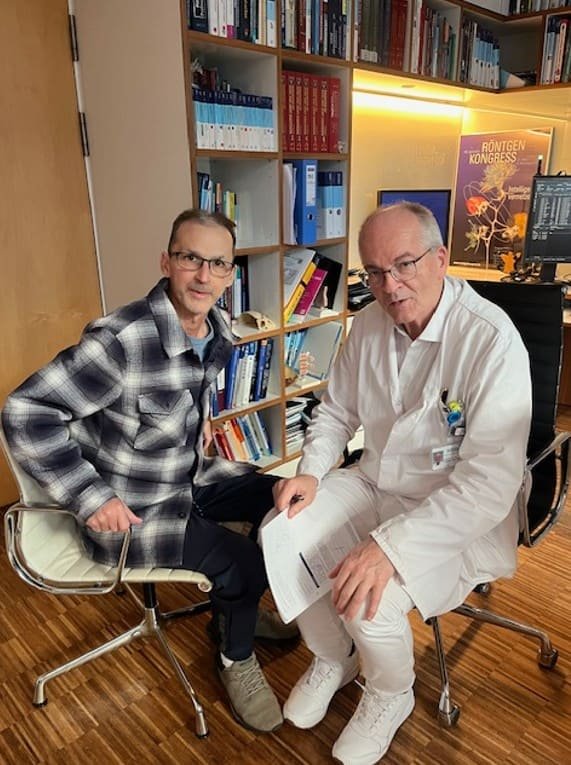
These procedures are performed by Prof. Dr. Thomas J. Vogl in Frankfurt, Germany, a leading interventional oncologist. The cost of TACE or TACP Treatment in Germany typically ranges between €8,000 and €9,000 per session, depending on treatment planning and disease extent. These options are considered supportive and are not a replacement for radiation therapy.
Research and New Clinical Trials in Germany
Some breast cancer patients inquire about new clinical trials for breast cancer while planning treatment. In Germany, trial participation depends on eligibility criteria, prior treatments, and overall health. Trials are offered within regulated frameworks to ensure patient safety and ethical standards.
Germany’s research-driven environment supports continuous advancement in breast cancer care and contributes to the development of innovative treatment options in Germany.
Living With Breast Cancer During and After Radiation Therapy
Living with breast cancer involves physical, emotional, and psychological adjustment. German oncology teams emphasize patient education, symptom management, and long-term follow-up. Rehabilitation and supportive care are often integrated into the treatment plan to help patients maintain quality of life.
🌍Why Patients Worldwide Prefer Our Medical Services in Germany – Key Benefits Explained:


FAQs
What is radiation therapy for breast cancer?
It is a local treatment that uses high-energy rays to destroy remaining cancer cells.
Why choose radiation therapy in Germany?
Patients choose treatment in Germany for precision planning and modern cancer treatments in Germany.
Is radiation therapy painful?
The procedure itself is painless, though temporary skin irritation may occur.
How long does radiation therapy last?
Duration varies depending on treatment plan and individual needs.
Can radiation therapy be combined with other treatments?
Yes, it is often combined with surgery or systemic therapies.
What is dendritic cell therapy for breast cancer?
It is an immune-based therapy using immune cells (Monocytes).
Are clinical trials available for breast cancer in Germany?
Some patients may be evaluated for new clinical trials.
Are side effects of radiation therapy manageable?
Yes, side effects are monitored and managed by oncology teams.
What tumors does Dendritic Cell Therapy treat?
All types of solid tumors
Can international patients get treated in Germany?
Yes. TIG (Treatment in Germany) at www.treatmentingermany.de helps complete logistical arrangements, including medical visas (if required)
Are innovative therapies curative for breast cancer?
They are not curative but aim to control tumor growth and improve quality of life.
What is the success rate of Dendritic Cell Therapy, TACE, or TACP?
The success rate of these innovative therapies varies depending on the type and stage of the cancer, tumor size, and overall patient condition.
Who is the best cancer specialist for breast cancer in Germany?
Germany has many highly experienced oncologists and specialized cancer centers known for advanced diagnostics and personalized treatment approaches. The “best” cancer specialist depends on the specific cancer type and treatment needs. Some of the most recognized cancer experts include professors working at leading hospitals such as Charité University Hospital (Berlin), University Hospital Heidelberg, University Hospital Munich (LMU), and Frankfurt University Hospital.



















.webp)
 (1).webp)
.webp)
.jpg)
 (1).webp)
.jpg)