

Breast cancer differs from patient to patient, which is why personalised treatment guides care. This article explains how breast cancer is treated with surgery, chemotherapy, radiation, hormone and targeted therapy, and where dendritic cell therapy fits as a personalised immunotherapy in Germany. It covers how the vaccine works, who is eligible, how it combines with standard treatment, clinical evidence and safety, the ATMP and AMG regulatory framework, treatment costs, leading centres and how international patients arrange a second opinion.
Breast Cancer Treatment with Dendritic Cell Therapy in Germany
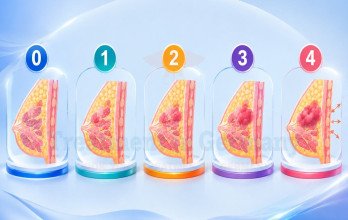
Breast cancer develops when abnormal cells in the breast grow out of control and form a tumour. Because every breast cancer is different, treatment is planned according to the stage, tumour type, and individual patient. Alongside surgery, chemotherapy, radiation therapy, hormone therapy, and targeted therapy, some specialised centres in Germany also offer dendritic cell therapy for selected patients.
In Germany, specialised centres offer dendritic cell therapy alongside standard treatments within a regulated framework. TIG GmbH supports international patients throughout the process, from medical report review to treatment coordination and follow-up.
Why Does Breast Cancer Require Personalized Treatment?
Breast cancer includes several tumour types that behave differently and can differ in their behaviour, prognosis, and response to treatment. Understanding these, together with the cancer’s stage, grade, biomarker profile, and the patient’s overall health and preferences and, differences helps doctors choose the most appropriate treatment for each patient.
What Is Breast Cancer?
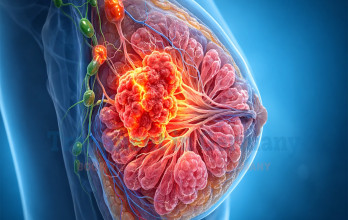
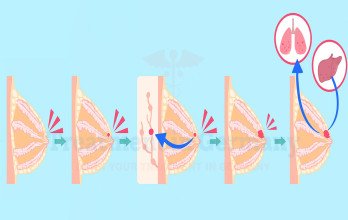
Breast cancer, also called breast carcinoma or a malignant neoplasm of the breast, develops when cells in the breast grow uncontrollably and form a tumour. Most cases are invasive breast cancer, meaning the tumour has grown beyond the ducts or lobules where it began into surrounding breast tissue.

Doctors classify breast cancer into molecular subtypes using three markers: oestrogen receptor (ER), progesterone receptor (PR), and HER2 status, which help define clinically important tumour groups and guide treatment; additional features such as tumour grade, Ki-67, and, in selected cases, genomic assays may provide further biologic information. These include luminal A, luminal B, HER2-positive, and triple-negative breast cancer, and each subtype responds differently to treatment. Triple-negative breast cancer, which lacks all three markers, makes up roughly 15% to 20% of cases and tends to affect younger women. Imaging features often differ between subtypes too, which is why radiologists increasingly factor molecular subtype into how a scan is read alongside the pathology report [1][2].
Why Does Breast Cancer Treatment Vary Between Patients?
Different breast cancer subtypes respond to different treatments, including hormone therapy, targeted therapy, chemotherapy, or immunotherapy. Hormone receptor-positive tumours respond to hormone therapy, HER2-positive tumours respond to HER2-targeted drugs, and triple-negative tumours rely more on chemotherapy and immunotherapy [1].
Different breast cancer subtypes can respond differently to the same treatment. In one study of neoadjuvant chemotherapy, luminal B, HER2-positive and triple-negative tumours responded better than luminal A tumours, which underlines why breast cancer treatment by stage and subtype together guide the plan. Stage at diagnosis matters just as much, since early breast cancer treatment and stage 4 breast cancer treatment pursue very different goals [10].
What Are the Standard Treatment Options for Breast Cancer?

Most patients receive a combination of treatments rather than just one. The exact treatment plan depends on the cancer type, tumour subtype, stage, and the patient's overall health.
Surgery for Breast Cancer
Surgery is the foundation of treatment for most early-stage disease, removing the tumour through either breast-conserving surgery or mastectomy for some patients, particularly those with higher-risk disease, systemic treatment is given before surgery. The choice depends on the tumour size, its location, and the patient's preferences. Surgery is often followed by other treatments to reduce the risk of the cancer returning [1].
Chemotherapy, Radiation Therapy, and Hormone Therapy
Chemotherapy for breast cancer uses drugs to destroy rapidly dividing cancer cells, and it can be given before surgery to shrink a tumour or after surgery to reduce recurrence. Certain subtypes, including triple-negative disease, respond particularly well to neoadjuvant breast cancer chemotherapy [10].
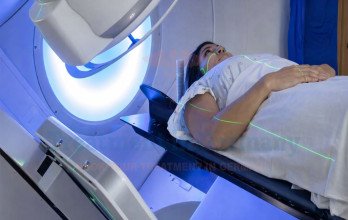
Radiation treatment for breast cancer targets and treats the breast, chest wall, and/or regional lymph-node areas when indicated after surgery and reduces the risk of locoregional recurrence. Hormone therapy, meanwhile, blocks the oestrogen that drives hormone receptor-positive tumours, using breast cancer drugs such as tamoxifen or aromatase inhibitors over several years [1].
Targeted Therapy for Breast Cancer
Targeted therapy attacks specific features of cancer cells rather than dividing cells in general. For HER2-positive breast cancer, drugs such as trastuzumab bind the HER2 receptor and have transformed outcomes for that subtype [1].
Because these medicines focus on specific features of cancer cells, they are designed to target the tumour more precisely while causing less damage to healthy cells. It also highlights why accurate receptor testing is essential before a treatment plan is finalised.
Why Is Immunotherapy Becoming Important in Breast Cancer Treatment?

Immunotherapy helps the body's immune system recognise and attack cancer cells. For some patients, it has become an important part of breast cancer treatment. It has changed the outlook most clearly in triple-negative disease, where treatment options were previously limited.
Which Breast Cancer Patients May Benefit from Immunotherapy?
Patients with triple-negative breast cancer have benefited most from breast cancer immunotherapy so far. In the KEYNOTE-522 trial, adding the checkpoint inhibitor pembrolizumab to chemotherapy raised the pathologic complete response rate from 51.2% to 64.8% in stage II and III patients [5].
That benefit carried through to survival. A real-world analysis found the KEYNOTE-522 regimen improved event-free survival from 76.8% to 84.5%, and the same regimen has become standard of care for early triple-negative disease. Immunotherapy for metastatic breast cancer is also used in selected PD-L1-positive cases, though advanced immunotherapy for breast cancer continues to be studied intensively [6] [8].
What Is Dendritic Cell Therapy for Breast Cancer?
Dendritic cell therapy for breast cancer is a personalised, cell-based investigational cell-based immunotherapy that uses a patient own dendritic cells to trigger an immune attack on their tumour. It belongs to a broader field of cellular immunotherapy for breast cancer that aims to teach the immune system to recognise cancer as a threat.
How Does Dendritic Cell Therapy Work?
Dendritic cells act as messengers for the immune system. They show cancer-related proteins to T cells, helping them recognise what to attack. In autologous dendritic cell therapy, monocytes are collected from the patient’s blood, matured into dendritic cells in a laboratory, and loaded with tumour antigens before being returned to the body.
Once reinfused, these primed cells activate tumour-specific T cells capable of finding and destroying cancer cells that carry the target antigen. In a phase I trial of a HER2-directed dendritic cell vaccine for breast cancer and other cancers, this approach induced new anti-HER2 immune responses in 10 of 11 evaluable patients [4].

How Is It Different from Other Cancer Immunotherapies?
Checkpoint inhibitors like pembrolizumab release the brakes on an existing immune response, whereas dendritic cell immunotherapy actively creates a new, targeted one.
Because the vaccine is created from the patient's own immune cells and tailored to their tumour, it offers a personalised approach to breast cancer immunotherapy as they are autologous products; also, some newer approaches are additionally being developed to personalize the antigen targets to an individual tumour. It also targets multiple parts of an antigen at once, which may make it harder for a tumour to escape than single-target drugs [4].
Who Can Benefit from Dendritic Cell Therapy for Breast Cancer?

Not every patient is a candidate for breast cancer vaccine therapy, and eligibility depends on tumour biology, prior treatment and overall fitness. Many investigational approaches focus on defined tumour-associated antigens such as HER2, while other trials are evaluating dendritic-cell vaccines against multiple antigens or personalized tumour-specific targets.
Which Breast Cancer Patients Are Eligible?
Patients whose tumours express a targetable antigen and who have adequate organ function are the usual candidates for a dendritic cell vaccine for breast cancer. In the HER2-directed phase I trial, eligible patients had a good performance status, normal heart function and no active autoimmune disease requiring treatment.
Because the treatment relies on the patient's immune system, doctors also consider overall health before recommending it. Patients on heavy immune-suppressing medication, or those too unwell to complete the vaccination schedule, are generally not suitable, which is why a careful medical evaluation comes first [4].
Can Dendritic Cell Therapy Help Stage III and Stage IV Breast Cancer?
Dendritic cell therapy is being studied in both advanced and adjuvant settings, though the evidence remains early. In the phase I HER2 vaccine trial, 7 of 21 evaluable patients with metastatic cancers (33.3%) had a clinical benefit, comprising one complete response, one partial response and five with stable disease.
There were early signals in higher-risk and adjuvant use as well. Among patients who received 10 million cells or more per dose, 7 of 16 (44%) showed clinical benefit, and two patients treated in an adjuvant setting after standard therapy stayed disease-free for more than three years, a finding the authors describe as carrying no statistical value [4]. For metastatic breast cancer treatment in Germany, this positions dendritic cell therapy as a complementary option rather than a replacement for proven treatment. It is important to notice that it is rendered as investigational therapy and should not replace evidence-based systemic treatment outside an appropriate clinical-trial or regulated investigational setting.
How Is Dendritic Cell Therapy Performed in Germany?
In Germany, dendritic cell therapy follows a structured process from medical evaluation to vaccine administration under strict laboratory and regulatory standards. Every treatment plan is tailored to the patient's individual cancer.
From Medical Evaluation to Vaccine Administration
The process begins with a medical evaluation and confirmation that the tumour expresses a suitable target. Monocytes are then collected from the blood by apheresis and matured into dendritic cells in a specialised laboratory.
These cells are loaded with tumour antigens, checked against strict release criteria, and then given as a series of injections into the skin over several months. In the reference phase I protocol, five doses were scheduled at weeks 0, 4, 8, 16 and 24, with patients monitored closely after each one [4].
Can Dendritic Cell Therapy Be Combined with Other Breast Cancer Treatments?
Dendritic cell therapy is generally designed to work alongside standard care rather than instead of it. Researchers are actively studying how dendritic cell therapy works alongside standard cancer treatments because each approach targets cancer differently [4].

Dendritic cell vaccines may be most effective when the tumour burden is low and immune function is relatively preserved, such as after surgery or effective chemotherapy. Researchers are particularly interested in pairing dendritic cell vaccines with checkpoint inhibitors, where the two approaches could reinforce each other [4].
How Effective Is Dendritic Cell Therapy for Breast Cancer?

Research has shown encouraging early results, but larger clinical studies are still needed to understand the long-term effectiveness of dendritic cell therapy. Treatment response depends on factors such as the tumour subtype, disease stage, previous treatments, and the patient's overall health.
What Factors Influence Treatment Outcomes?
Response rates in early studies have been modest but real. In the HER2 vaccine trial, 33.3% of evaluable patients had a clinical benefit, and disease control included durable stable disease lasting six months or more in several cases [4].
Survival outcomes and prognosis depend heavily on stage and biology rather than the vaccine alone, so dendritic cell therapy is best viewed as one part of a wider plan. Stage at diagnosis remains the strongest driver of long-term outcome: one Norwegian registry study found stage-specific survival in young breast cancer patients has improved since 2000, though gains have not been equal across all stages. An important advantage of dendritic cell therapy is its favourable safety profile, with most patients experiencing only mild injection-site reactions [9].
Clinical benefit in the trial was seen mainly at higher cell doses, and researchers believe combining the vaccine with standard treatments may improve outcomes compared with using the vaccine alone [4].
Current Research and Clinical Evidence on Dendritic Cell Therapy

Current evidence comes mainly from early-phase clinical trials, which show that dendritic cell therapy is generally safe and can activate the immune system. However, larger studies are still needed to determine whether it improves long-term survival.
Published clinical studies have reported both immune and preliminary clinical activity. The HER2-directed phase I trial induced new cellular immune responses in 90.9% of tested patients and multifunctional responses in 72.7%, alongside an excellent safety profile. Broader breast cancer research and treatment continues to explore dendritic cell vaccines across subtypes, particularly triple-negative disease where immune activity matters most [3][4].
Ongoing research is focused on combinations, especially pairing dendritic cell vaccines with checkpoint inhibitors to boost their effect. Current limitations are real: trials are small, most are early phase, and the therapy has not yet shown a proven survival advantage in large randomised studies, so it is not a standard first-line treatment.
In Germany, cell-based therapies of this kind fall under the European Advanced Therapy Medicinal Product (ATMP) framework and the German Medicines Act (AMG), which govern how they are manufactured and administered. Current research is focused on improving antigen selection, automated manufacturing and combination strategies to strengthen future clinical outcomes [4].
What Are the Risks and Side Effects of Dendritic Cell Therapy?

One advantage of dendritic cell therapy is that most patients tolerate it well. Most side effects are mild and short-lived, and serious reactions are uncommon.
Common side effects centre on the injection site. In the HER2 vaccine trial, injection-site reactions occurred in 94% of dosed patients but were mild, beginning a few hours after injection and resolving on their own within four to five days.
The overall safety profile was excellent, with no cardiac toxicity at any dose level and no severe allergic or autoimmune reactions attributed to the vaccine. This contrasts with checkpoint immunotherapy, where immune-related adverse events can be significant and sometimes lead to treatment discontinuation [4][8].
Long-term monitoring still matters, because the therapy engages the immune system and patients are usually managing active cancer. Regular clinical review, imaging and immune assessment form part of responsible follow-up throughout and after the vaccination course [4].
What Makes Germany a Leading Destination for Breast Cancer Treatment?
Germany is known for its experienced oncology specialists, advanced cancer centres, and regulated approach to cell-based therapies. Patients can access dendritic cell therapy within a system that also delivers guideline-based standard care.
Leading Breast Cancer Centers and Immunotherapy Specialists
German university hospitals and specialised laboratories are known for integrating molecular diagnostics, multidisciplinary planning and cellular therapies. The table lists representative centres and their areas of focus.

Centre details should be confirmed directly, since specific programmes, specialists and available therapies change over time. A breast cancer specialist in Germany or breast oncology specialist in Germany will usually review each case within a tumour board before recommending any personalised or cellular therapy.
How Much Does Breast Cancer Treatment with Dendritic Cell Therapy Cost in Germany?
The breast cancer treatment cost in Germany depends on the diagnosis, the therapies selected, and the length of care, so every patient receives an individual treatment estimate after their medical records are reviewed. The complete course of dendritic cell therapy costs approximately twenty-seven thousand euros, while the overall treatment cost varies depending on any additional therapies, tests, or supportive care required.
What the cost includes typically spans the cell collection, laboratory manufacturing of the personalised vaccine, and the scheduled series of injections with monitoring. Factors affecting the overall cost include whether the therapy is combined with other treatments, the number of diagnostic tests required, the length of stay, and any additional supportive care.

How Can International Patients Receive Breast Cancer Treatment in Germany?
International patients can access breast cancer treatment for international patients in Germany through a coordinated pathway that begins with a remote review of their records. Treatment planning begins after a specialist reviews the patient's records, confirms the diagnosis and recommends suitable treatment options.
- Medical report review: existing pathology, imaging and treatment records are assessed by a German specialist before any travel is arranged.
- Second opinion: a breast cancer second opinion in Germany from an experienced oncologist, provided as a written report.
- Medical visa assistance: invitation letters and supporting documents prepared for the visa application.
- Interpreter support: medical interpreters for consultations, consent discussions and discharge instructions.
- Treatment coordination: appointments across diagnostics, therapy and follow-up arranged in the right order.
Access to breast cancer clinical trials in Germany can also be explored at this stage, since eligibility often depends on treatment history and must be checked before other therapy begins. Raising this early keeps the widest range of options open.
Why Choose TIG for Breast Cancer Treatment in Germany?
TIG GmbH coordinates the full pathway for international patients seeking breast cancer treatment in Germany, from the first report review through to follow-up after they return home. The team helps coordinate the practical aspects of treatment so patients and their families can focus on their care.
Support includes matching each patient to an appropriate centre, arranging second opinions, and coordinating standard care and dendritic cell therapy where suitable. Centre and treatment choices always rest on the clinical questions raised throughout this guide, such as whether a therapy is guideline-based or investigational.
What Is the Treatment Journey for International Patients?
The treatment journey follows a clear sequence, from first contact through to discharge and follow-up at home. Knowing the order helps patients prepare the right documents before they are requested.

Request a Specialist Review of Your Breast Cancer Case
Send your pathology report, recent imaging and treatment history for a specialist review by a German breast oncologist through TIG GmbH Ask directly whether your tumour expresses a targetable antigen suitable for dendritic cell therapy, how it would combine with your standard treatment, and what a realistic plan and timeline would look like. That review is the clearest first step toward understanding your options.
References
Why Patients Worldwide Prefer Our Medical Services in Germany – Key Benefits Explained






















.webp)
 (1).webp)

.webp)
.jpg)

 (1).webp)
.jpg)