

Breast cancer removal depends on cancer type, stage, and patient health. Learn how doctors determine the best way to remove breast cancer and why many international patients choose treatment in Germany.
What Is the Best Way to Remove Breast Cancer?
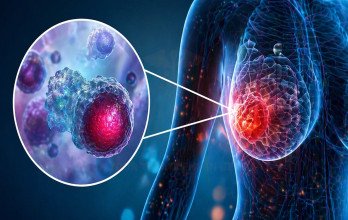
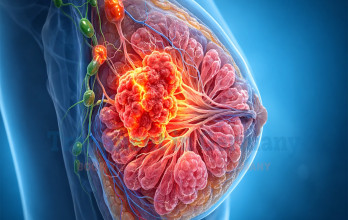
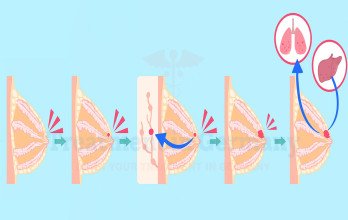
Breast cancer develops when abnormal cells grow uncontrollably in breast tissue. These cells may remain localized in the breast or spread to nearby lymph nodes and other parts of the body. The primary goal of breast cancer treatment is to remove or control these abnormal cells before they cause further spread or complications.
When patients ask what is the best way to remove breast cancer, doctors explain that removal does not always mean one single procedure. Instead, it refers to a carefully planned strategy designed to eliminate visible cancer, manage microscopic disease, and reduce the risk of recurrence. The best approach depends on cancer type, stage, tumor size, lymph node involvement, and overall patient health.
How Doctors Decide What Is the Best Way to Remove Breast Cancer
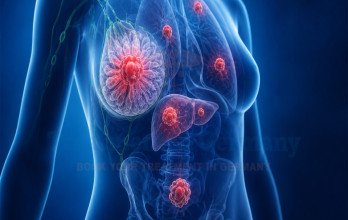
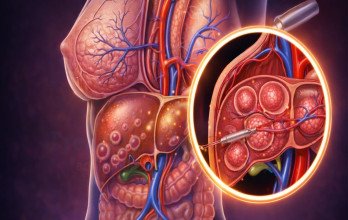
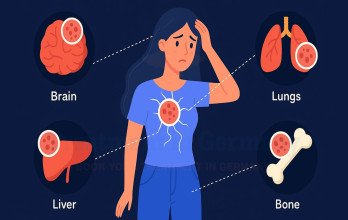
There is no universal answer to what is the best way to remove breast cancer because every patient’s condition is different. Doctors evaluate diagnostic imaging, biopsy results, and laboratory tests to understand how aggressive the cancer is and how far it has spread, In most cases, breast cancer spreads to liver or lungs.
Medical teams also consider hormone receptor status, genetic markers, and patient preferences before recommending a treatment plan. This individualized approach ensures that removal strategies are appropriate, safe, and effective for each patient rather than relying on a one-size-fits-all method.
Role of Early Diagnosis in Removing Breast Cancer
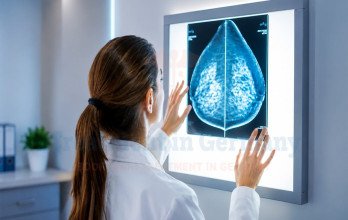
Early detection plays a critical role in determining what is the best way to remove breast cancer. When breast cancer is detected at an early stage, removal options are often more straightforward and less invasive. Diagnostic tools such as mammography, ultrasound, MRI, and biopsy help doctors identify cancer at an early and more manageable stage.
In healthcare systems offering cancer treatment in Germany, diagnostic accuracy is strongly emphasized. Early and precise diagnosis allows doctors to plan removal strategies that preserve as much healthy tissue as possible while effectively treating the disease.
Surgical Removal as a Core Method to Remove Breast Cancer
For many patients, surgery remains a central component in removing breast cancer. Surgical removal focuses on eliminating the primary tumor from the breast and may also involve evaluation of nearby lymph nodes. The extent of surgery depends on tumor size, location, and spread.
Surgery alone may not always be sufficient, especially if cancer cells have moved beyond the primary tumor site. This is why doctors often combine surgical removal with additional therapies to address cancer cells that cannot be seen or removed surgically.
Why Removal of Breast Cancer Often Involves More Than Surgery
Doctors emphasize that the best way to remove breast cancer often involves more than physically removing the tumor. Breast cancer cells may exist beyond the visible tumor, even after successful surgery. These microscopic cells can lead to recurrence if not addressed.
This understanding has led to treatment strategies that combine local removal with systemic or targeted therapies. This comprehensive approach is widely used in advanced oncology centers and is a key reason why patients seek treatment in Germany for breast cancer.
Importance of Personalized treatment in Breast Cancer Removal
Personalized treatment planning is essential when determining what is the best way to remove breast cancer. Factors such as patient age, overall health, immune function, and treatment tolerance influence which removal strategies are appropriate.
In Germany, multidisciplinary teams collaborate to evaluate each case carefully. This allows doctors to adapt treatment plans over time, responding to how the cancer behaves and how the patient responds to treatment.
Overview of Additional Therapies Used Alongside Breast Cancer Removal
While surgery is often central, innovative therapies are also used in Germany to support breast cancer removal and help control disease progression.
Chemotherapy in Germany may be used to reduce tumor size before surgery or to control cancer cells throughout the body after surgical removal. Chemotherapy protocols are personalized based on tumor characteristics and patient tolerance.
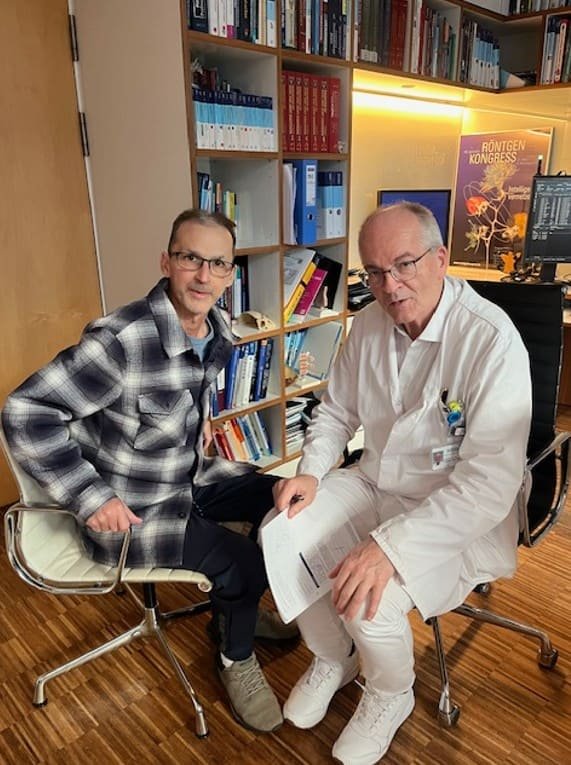
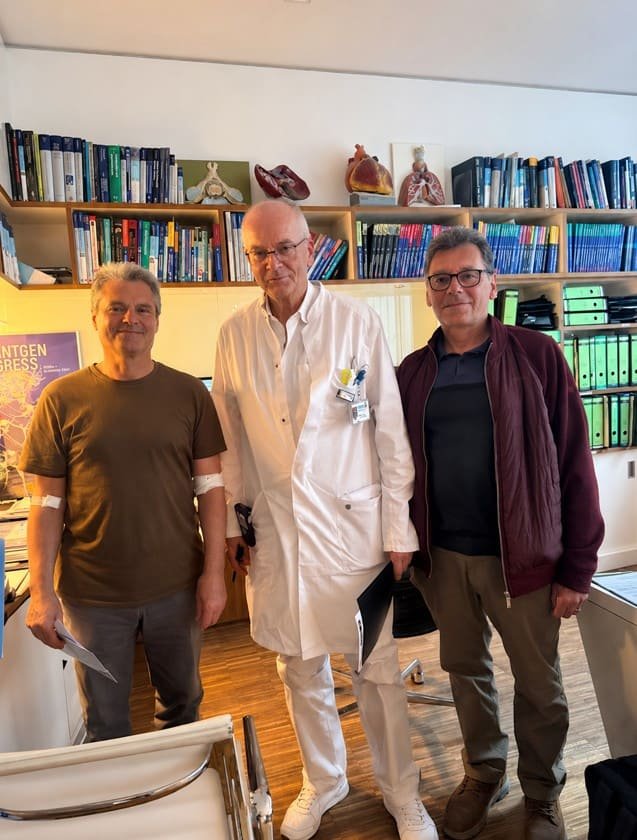
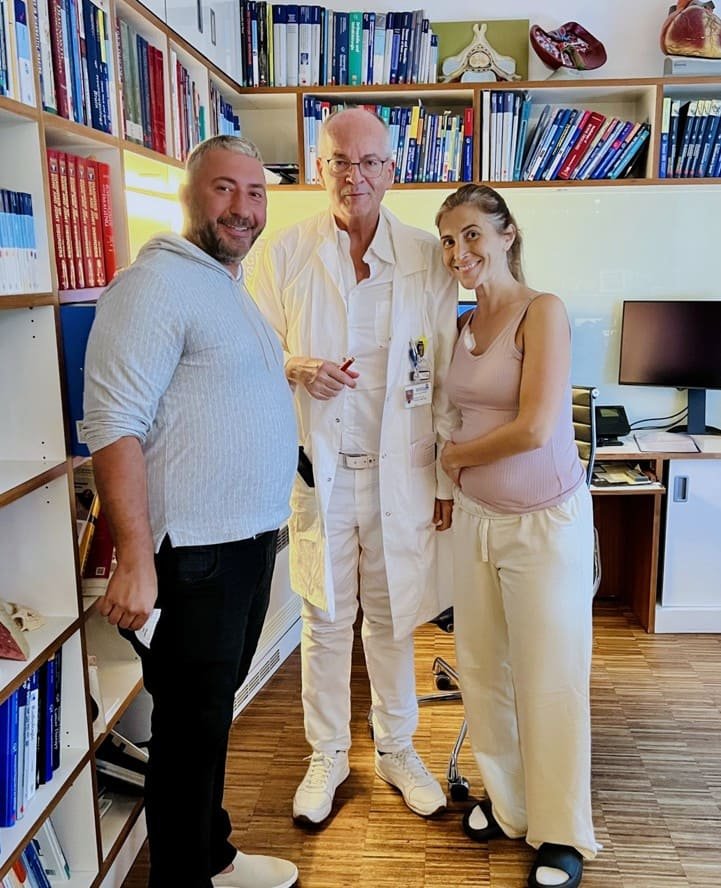
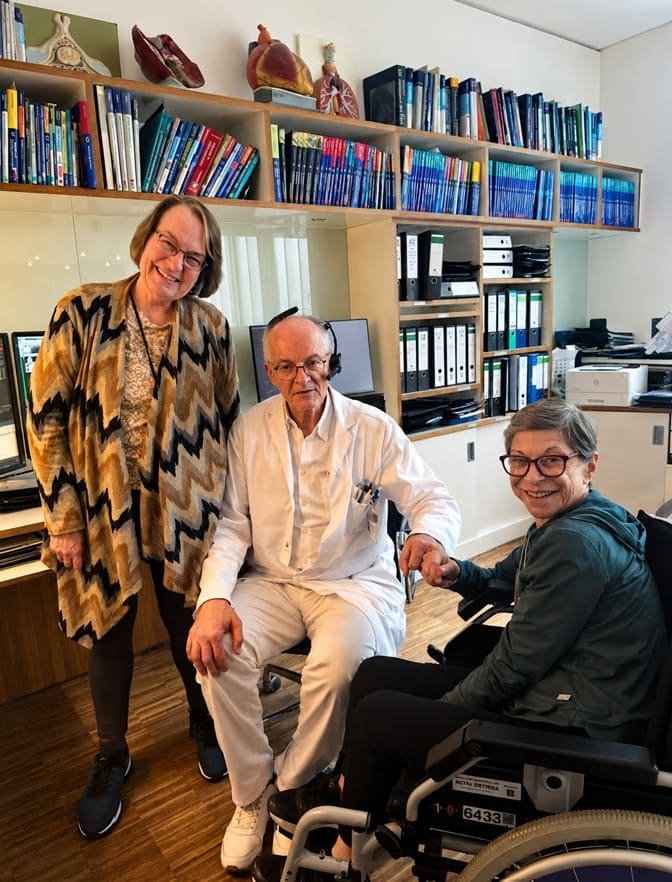
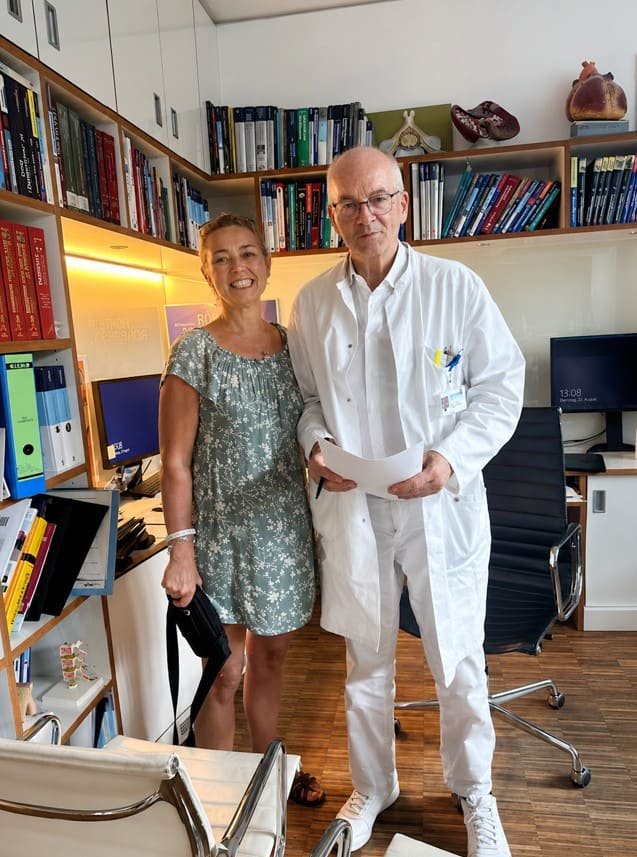
TACE Treatment and TACP Treatment for breast cancer in Germany are interventional oncology approaches that may be considered in selected advanced cases, particularly when breast cancer has spread to organs such as the liver. These targeted procedures deliver chemotherapy directly to tumor-feeding blood vessels and are performed by Prof. Vogl in Frankfurt, Germany. The cost of TACE Treatment and cost of TACP Treatment in Germany typically range from €8,000 to €9,000 per session, depending on treatment complexity.
Dr. Thomas J. Vogl has authored over a hundred scientific publications in renowned medical and research journals.
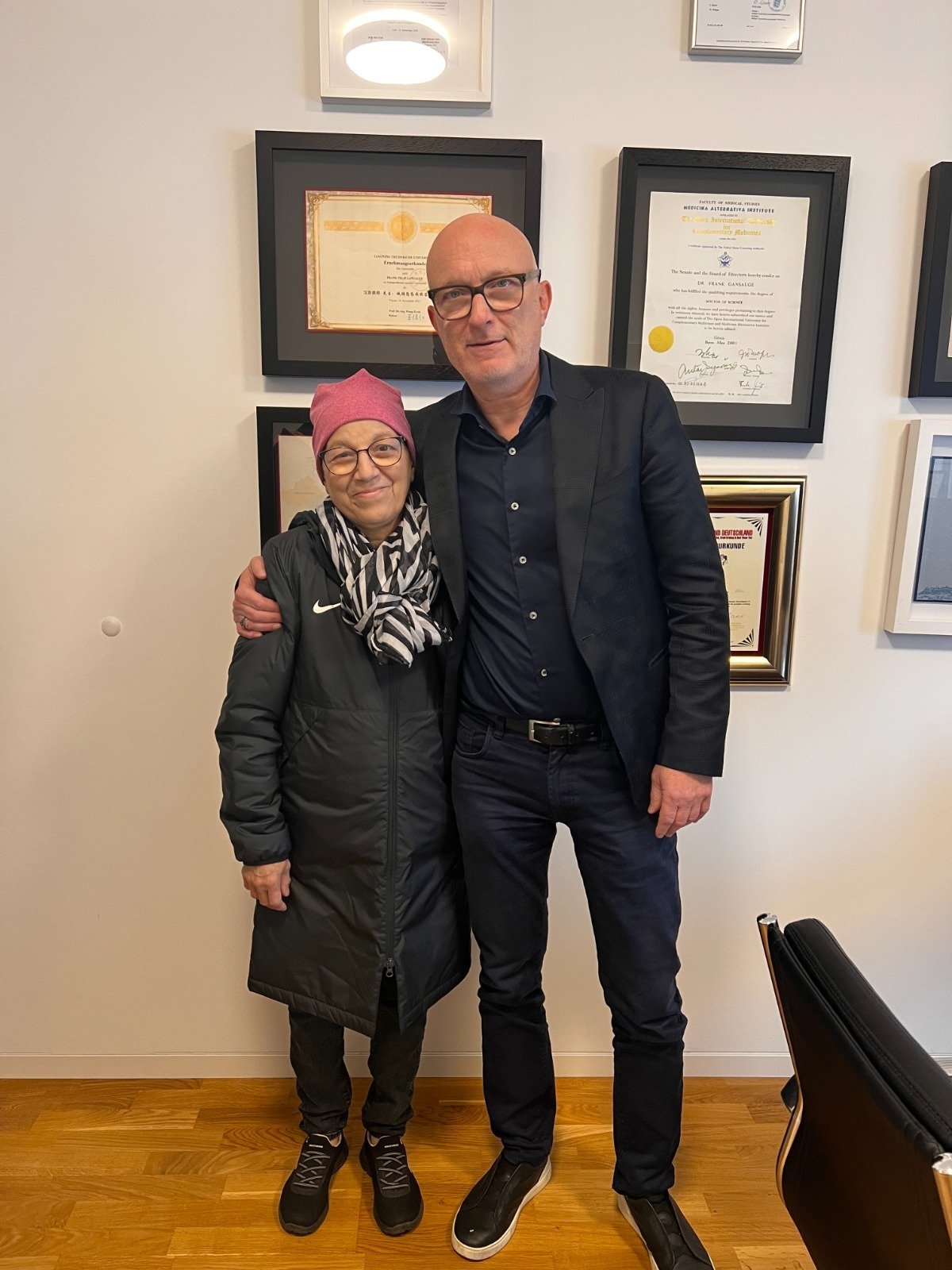
Immunotherapy Dendritic Cell Therapy for breast cancer in Germany supports immune recognition of cancer cells by strengthening the body’s immune response. This personalized therapy is performed by Prof. Gansauge in Berg, Germany, with treatment conducted in an EU GMP certified laboratory. The cost of Dendritic Cell Therapy in Germany is €24,000, which includes laboratory processing and vaccine preparation.
Prof. Gansauge has authored over a hundred scientific publications in renowned medical and research journals.
Why International Patients Seek Treatment in Germany for Breast Cancer
Germany is internationally recognized for its structured healthcare system, advanced diagnostics, and multidisciplinary oncology care. Patients seeking treatment in Germany benefit from precise diagnostic evaluation, transparent treatment planning, and access to a wide range of medical expertise. Many international patients choose cancer treatment in Germany to receive treatment from specialists regarded among the best oncologist in Germany, particularly for complex or advanced breast cancer cases.
Long-Term Monitoring After Breast Cancer Removal
Removing breast cancer does not end treatment. Long-term monitoring is essential to detect any signs of recurrence or complications. Follow-up care typically includes imaging, physical examinations, and laboratory tests. German oncology centers emphasize structured follow-up programs to support early detection of changes and timely intervention if needed.
Support for International Patients Seeking Treatment in Germany
International patients can rely on TIG (Treatment in Germany) for comprehensive support. TIG manages complete logistical arrangements including consultations, travel, and medical visa for international patients (if needed) at www.treatmentingermany.de , ensuring a smooth and stress-free experience. This allows patients to focus on their treatment and recovery.
🌍Why Patients Worldwide Prefer Our Medical Services in Germany – Key Benefits Explained:


Frequently Asked Questions
What is the best way to remove breast cancer?
The best way to remove breast cancer depends on cancer stage, tumor type, and patient health.
Is surgery always required to remove breast cancer?
Surgery is commonly used, but additional therapies may be required depending on the case.
Why is early diagnosis important in breast cancer removal?
Early diagnosis allows more effective and less invasive removal strategies.
Can breast cancer be removed completely?
Removal depends on disease stage and spread, which varies by patient.
Does removal of breast cancer prevent recurrence?
Recurrence risk depends on tumor biology and follow-up care.
What role does chemotherapy play in breast cancer removal?
Chemotherapy in Germany may support removal by targeting cancer cells throughout the body.
Are interventional treatments used for breast cancer?
TACE Treatment and TACP Treatment in Germany may be considered in selected advanced cases.
Is dendritic cell therapy used for breast cancer?
Immunotherapy Dendritic Cell Therapy in Germany may support immune response depending on evaluation.
Is breast cancer treatment in Germany suitable for international patients?
Yes, treatment in Germany is widely accessed by international patients.
What factors influence breast cancer removal decisions?
Tumor size, spread, biology, and patient health.
Is follow-up necessary after breast cancer removal?
Yes, long-term monitoring is essential.
Can treatments be combined for breast cancer?
Yes, combination approaches are commonly used.
How do international patients arrange treatment in Germany?
TIG, Treatment in Germany at www.treatmentingermany.de , assist international patients with complete logistical arrangements including a medical visa support if required.














.webp)
 (1).webp)
.webp)
.jpg)
 (1).webp)
.jpg)