
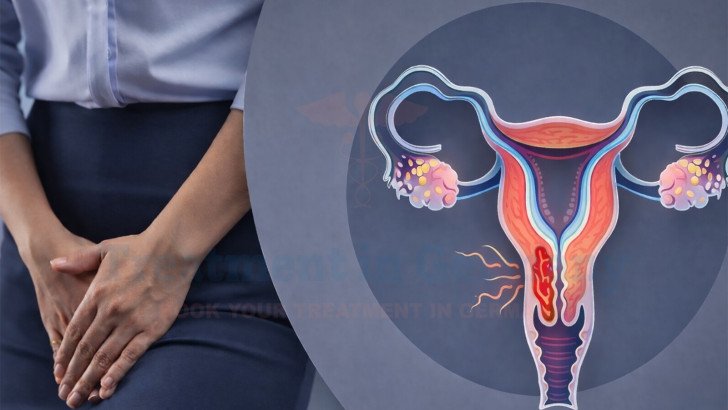
Explore treatment options for stage 4 endometrial cancer in Germany, including targeted embolization and dendritic cell immunotherapy, with structured treatment and international patient support via TIG.
Treatment Options for Stage 4 Endometrial Cancer 2026
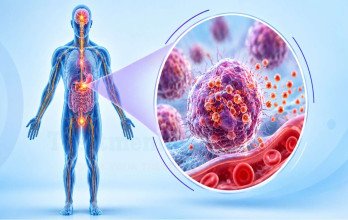
Stage 4 endometrial cancer represents the most advanced phase of the disease, where cancer cells have spread beyond the uterus to distant organs such as endometrial cancer with liver metastasis, lungs, abdominal lining, or lymphatic system. At this stage, the condition is considered systemic, meaning treatment planning focuses on long-term disease control, symptom management, and maintaining quality of life rather than localized tumor removal alone.
Germany has emerged as a preferred destination for women seeking innovative and new treatment options in Germany for advanced gynecological cancers, including stage 4 endometrial cancer. Treatment approaches are guided through structured diagnostics, regulated oncology planning, and specialist-led programs delivered at leading German healthcare centers and German Oncology centers.
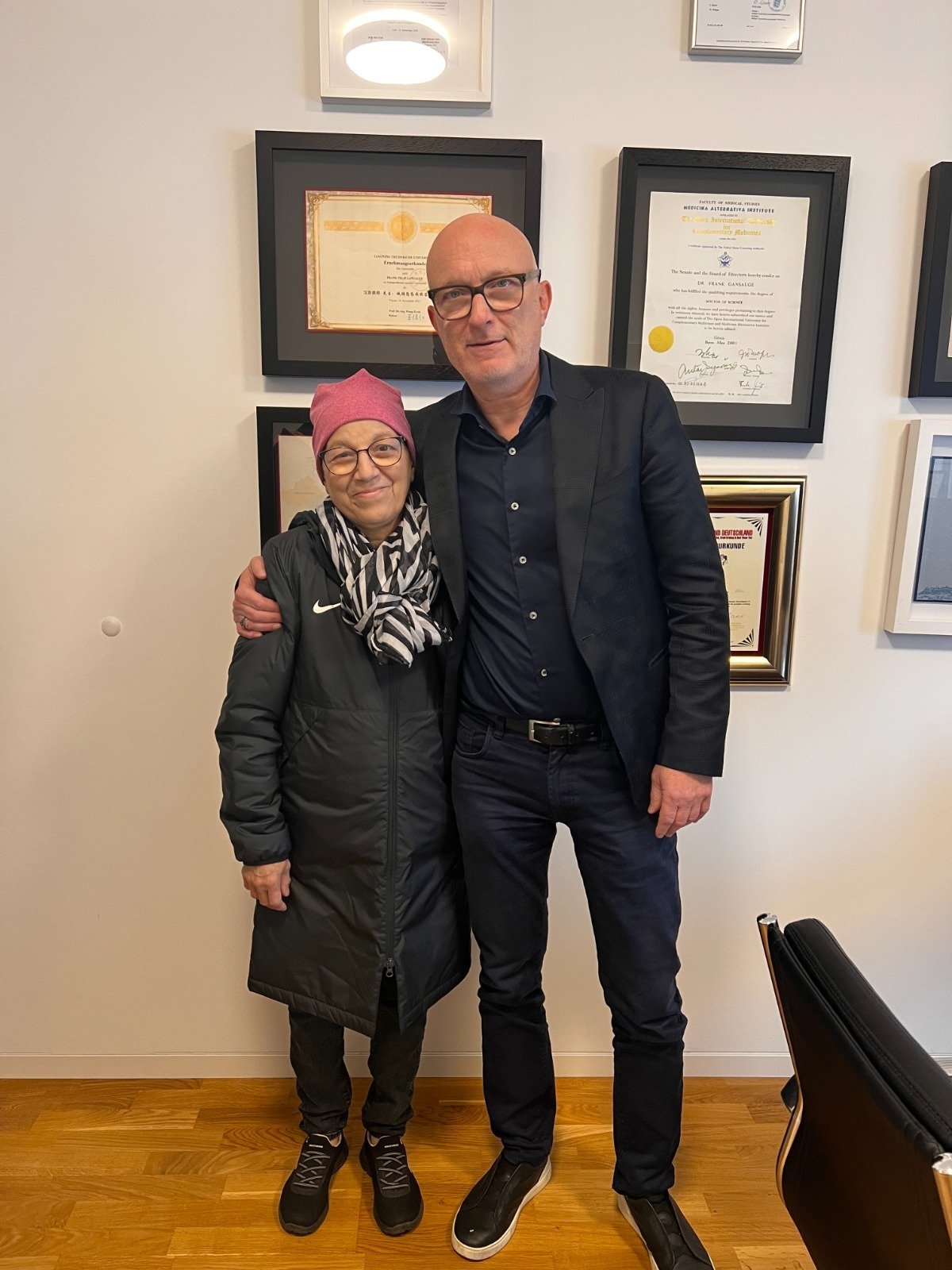
Advanced interventional and immune-based therapies are coordinated through experienced teams, including embolization-based oncology programs associated with Prof. Vogl and immune-based cancer immunotherapy programs led by Prof. Gansauge, known for his focused work in advanced cell-based cancer immunotherapy. International patients benefit from coordinated treatment and complete logistical arrangements through Treatment in Germany (TIG) at www.treatmentingermany.de , allowing them to focus on treatment rather than administrative challenges.
Understanding Stage 4 Endometrial Cancer

Stage 4 endometrial cancer occurs when malignant cells originating in the uterine lining spread beyond the pelvis to distant organs. The disease may involve abdominal surfaces, lymph nodes, liver tissue, or lung structures. Because cancer activity is no longer confined to a single anatomical region, treatment decisions must consider the overall disease burden, tumor distribution, symptom severity, and patient health status.
At this stage, treatment strategies are typically reviewed continuously. Therapy selection is influenced by tumor behavior, previous treatments, organ function, and tolerance to intervention. This approach aligns with internationally recognized oncology principles, including those referenced by organizations such as the Australian Cancer Society, which emphasize individualized planning for advanced-stage cancers.
Diagnosis and Treatment Planning in Germany
Before any advanced therapy is considered, accurate evaluation is essential. In Germany, structured Diagnostics play a central role in treatment planning for stage 4 endometrial cancer. Patients undergo comprehensive assessment using advanced imaging technologies, including CT scans, MRI, and PET scans, to confirm disease extent, identify dominant tumor sites, and guide therapy suitability.
This structured diagnostic approach, supported by the latest medical technology in Germany, allows oncology teams to determine whether targeted interventional therapies or immune-based treatments can be safely integrated into the overall treatment plan. International patients often choose treatment in Germany because diagnostic and planning steps follow transparent, regulated protocols, reducing uncertainty during complex decision-making.
Why International Patients Choose stage 4 Endometrial Cancer Treatment in Germany
Germany is widely recognized for its regulated medical environment, evidence-based oncology planning, and consistent clinical oversight. Advanced cancer treatment options is delivered through multidisciplinary collaboration at specialized German healthcare centers, ensuring that treatment decisions are based on objective medical findings rather than assumptions.
Patients value Germany’s emphasis on clarity, documentation, and follow-up. Treatment pathways are structured, timelines are clearly communicated, and therapies are evaluated systematically. This approach is especially important in advanced gynecological cancers, where treatment complexity requires careful coordination and monitoring.
Targeted Embolization Treatment for Stage 4 Endometrial Cancer in Germany

Targeted embolization treatment for Stage 4 Endometrial Cancer in Germany, is an interventional oncology approach evaluated in selected stage 4 endometrial cancer patients when dominant tumor sites contribute significantly to disease burden, particularly when cancer has spread to organs such as the liver or pelvic region.
This therapy is designed to deliver treatment directly to tumor-feeding blood vessels while minimizing exposure to surrounding healthy tissue. During the procedure, chemotherapy or therapeutic agents are infused through a catheter positioned in the vessels supplying the tumor. Tiny embolic particles are then introduced to reduce blood flow to cancer tissue. This dual action concentrates therapy at the tumor site and limits systemic exposure.
Before treatment, imaging studies are reviewed to assess tumor size, location, and vascular supply. On the day of the procedure, a catheter is inserted through a small access point, typically in the groin or wrist, and guided under imaging control to the target vessels. Patients are monitored closely during and after the procedure. Follow-up imaging helps assess response and determine whether additional sessions are required.
The cost of targeted embolization treatment in Germany generally ranges between €8,000 and €9,000 per session, depending on procedural planning and clinical complexity.
Immunotherapy Dendritic Cell Therapy for Stage 4 Endometrial Cancer in Germany

Immunotherapy dendritic cell therapy for Stage 4 Endometrial Cancer in Germany is a personalized immune-based treatment designed to support the body’s ability to recognize cancer-related markers. Rather than directly destroying tumor tissue, this therapy focuses on immune education and immune surveillance.
The process begins with a detailed medical evaluation to confirm suitability. Doctors review medical history, current health status, prior treatments, and diagnostic findings. Once approved, a blood sample is collected, usually around 150 to 200 ml, under medical supervision.
In an EU GMP certified laboratory, immune cells known as monocytes are isolated and cultured under controlled conditions. These monocytes are exposed to tumor-specific antigens so they mature into dendritic cells capable of presenting cancer-related signals to the immune system. Multiple quality and safety checks are performed to confirm sterility, purity, and viability.
The prepared dendritic cells are administered back to the patient as a personalized dendritic cell vaccine, typically through an injection under the skin. Patients are monitored throughout the treatment course, and follow-up guidance is provided.
The cost of immunotherapy dendritic cell therapy in Germany is €26,000, which includes laboratory processing, vaccine preparation, and administration. This immune-based approach is evaluated in patients with advanced endometrial cancer as part of a broader treatment strategy, especially when long-term disease control is the primary goal.

Role of New Clinical Trials in Stage 4 Endometrial Cancer in Germany
Germany supports structured oncology research and regulated access to new clinical trials. Selected stage 4 endometrial cancer patients may be evaluated for clinical trials depending on tumor biology, treatment history, and eligibility criteria. Trial participation is always assessed through formal medical review and aligned with patient safety standards.
Support for International Patients through TIG, Treatment in Germany
For many families, the biggest challenge is not only the diagnosis but also organizing treatment abroad. This is where structured coordination becomes essential. TIG (Treatment in Germany) at www.treatmentingermany.de ensures seamless coordination and complete logistic arrangements for international patients, including travel, lodging, and medical visa for international patients (if required). This support system is designed to reduce administrative stress for patients so they can focus on treatment and recovery.
🌍Why Patients Worldwide Prefer Our Medical Services in Germany – Key Benefits Explained:












.webp)
 (1).webp)
.webp)
.jpg)

 (1).webp)
.jpg)