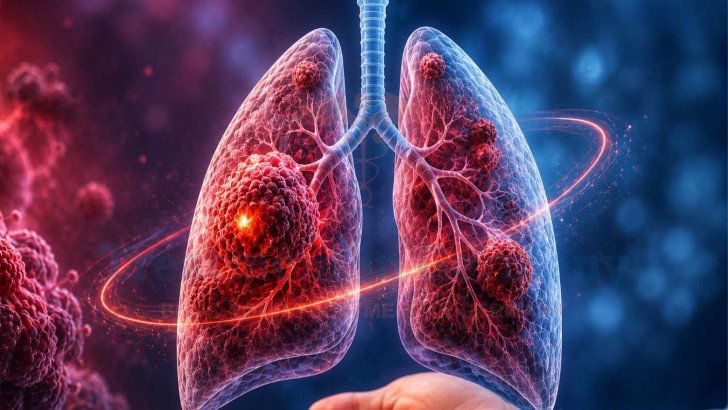
Stage 4 lung cancer treatment in Germany is evolving through immunotherapy, personalized care, and innovative treatment options for advanced stage lung cancer.
Stage 4 Lung Cancer Treatment in Germany: Immunotherapy Success Rates and New Options
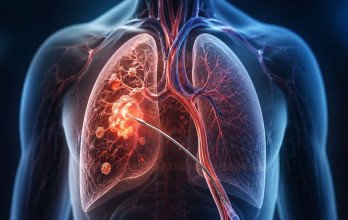
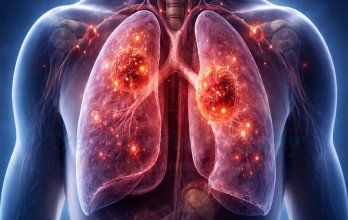
Stage 4 lung cancer is the most advanced form of the disease, meaning the cancer has spread beyond the lung to distant organs such as the brain, liver, or bones. It is the stage most often diagnosed, and it carries the hardest questions about prognosis, treatment selection, and quality of life. Yet the outlook has improved more in the past decade than in the previous thirty years, largely because of advances in molecular testing, targeted therapies, immunotherapy, and multidisciplinary cancer care and other newer options now offered through oncology treatment in Germany programs. Lung cancer remains the leading cause of cancer death worldwide, with roughly 2.5 million new cases and close to 1.8 million deaths in 2022 [1].
This shift in outcomes is driving strong interest in stage 4 lung cancer treatment in Germany, where leading centers combine molecular diagnostics, immunotherapy, and interventional techniques that are hard to access elsewhere. For many international patients weighing cancer treatment in Germany, the appeal is the chance to be matched to a therapy based on the tumor's exact biology rather than a one-size-fits-all plan.
Whether you are seeking a first opinion or exploring options after progression, TIG GmbH connects international patients with the right lung cancer specialist in Germany and supports every step, from medical record review to travel logistics.
What Is Stage 4 Lung Cancer?
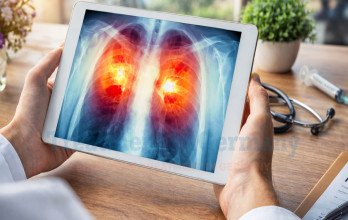
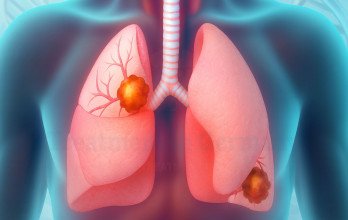
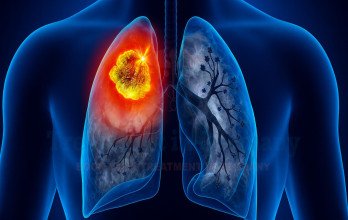
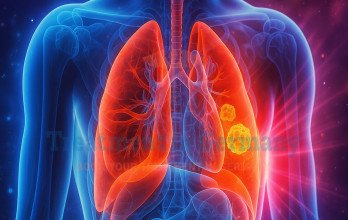
So what is stage 4 lung cancer? It means the disease has spread beyond the lung to distant sites such as the brain, liver, bones, or the other lung. You may also hear it called 4th stage lung cancer, stage four lung cancer, or metastatic disease. At this point, treatment typically focuses on controlling disease progression, relieving symptoms, preserving quality of life, and prolonging survival, as long-term cure is uncommon in most patients.

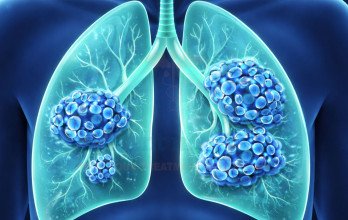
Lung cancer is divided into two main groups. Non-small cell lung cancer is the most common and includes stage 4 adenocarcinoma lung cancer, the subtype often described simply as stage 4 adenocarcinoma. The second group is small cell lung cancer, which grows faster and includes stage IV small cell lung cancer characterized by rapid growth and an increased tendency to spread early in the course of disease. Identifying the specific type of lung cancer is an essential step because it helps guide treatment selection alongside factors such as disease stage, molecular biomarkers, overall health, and patient preferences.
Treatment strategies differ substantially between non-small cell lung cancer (NSCLC) and small cell lung cancer (SCLC). Targeted therapies are primarily used in NSCLC when actionable mutations are present, whereas SCLC is more commonly treated with chemotherapy and immunotherapy-based regimens.
Stage 4 Lung Cancer Symptoms
Stage 4 lung cancer symptoms depend on the location and extent of the primary tumor as well as the sites of metastatic spread. Many patients notice a mix of chest and whole-body complaints.
Common symptoms of stage 4 lung cancer include:
A cough that lingers, worsens, or brings up blood.
Shortness of breath or wheezing with little effort.
Chest discomfort or pain, which may worsen with deep breathing, coughing, or tumor involvement of nearby structures.
Unexplained weight loss and a fading appetite.
Constant fatigue and weakness.
Bone pain, headaches, seizures, weakness, numbness, balance difficulties, or other neurological symptoms when the cancer has spread to the bones or central nervous system.
Because these overlap with everyday chest conditions, the diagnosis is often delayed. Recognizing late stage lung cancer symptoms early gives patients access to a wider range of treatment options and more time to plan advanced care.
Stage 4 Lung Cancer Prognosis, Survival Rate and Life Expectancy
Many patients first ask about the stage 4 lung cancer prognosis and what survival statistics may mean for their individual situation. The honest answer is that is lung cancer treatable is a more useful question than whether it can be cured. While can lung cancer be cured at stage 4 doesn’t get answered by yes it is important to note that, modern systemic therapies including targeted therapy, immunotherapy, and chemotherapy can prolong survival, control disease progression, and improve quality of life in many patients.
Historically, the lung cancer stage 4 survival rate at five years was only about 5 to 6% [3]. The stage 4 lung cancer survival rate in that era shaped a grim view of stage 4 lung cancer life expectancy for years, and the older stage 4 life expectancy figures rarely reached beyond a year. The prognosis for stage 4 lung cancer, also depends on tumor type, molecular profile, and overall health, so two people with the same stage can have very different outcomes. The table below summarizes key prognostic factors.

Patients often ask how long you live with stage 4 lung cancer. There is no single answer. Without treatment, stage IV lung cancer typically progresses rapidly, and survival is often measured in months[3]. With active care, the stage 4 lung cancer life span can be far longer. For those facing terminal lung cancer, the focus shifts to comfort and quality of life, but many patients today live well beyond the old averages thanks to newer options.
Standard Treatment Options for Stage 4 Lung Cancer
Before discussing emerging therapies, it is important to understand the current standard-of-care treatment options for stage IV lung cancer. A multidisciplinary tumor board reviews each case, then builds a plan from the proven treatment for lung cancer stage 4 approaches. Standard options in Germany include:
Chemotherapy for lung cancer: Platinum-based regimens remain a backbone, often combined with immunotherapy.
Targeted therapy for stage 4 lung cancer: Drugs matched to actionable molecular alterations such as EGFR, ALK, ROS1, BRAF, RET, MET exon 14 skipping, NTRK fusions, and KRAS G12C, depending on the patient's tumor profile.
Radiation therapy for lung cancer: Used to shrink tumors, ease symptoms, or treat a limited number of metastatic sites, with radiation therapy for lung cancer in Germany delivered using modern precision techniques.
Supportive and palliative care: Manage symptoms and protect quality of life throughout treatment to manage symptoms, address treatment-related adverse effects, and maintain quality of life.
These approaches form the foundation of stage 4 lung cancer treatment, and newer therapies are usually added to them rather than used alone.
Immunotherapy Success Rates for Stage 4 Lung Cancer
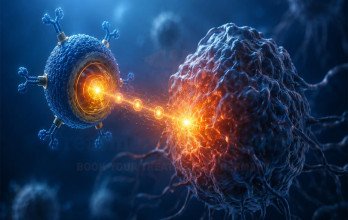
Immunotherapy for stage 4 lung cancer has changed the outlook more than any other recent advance. It mainly uses checkpoint inhibitors that block the PD-1 and PD-L1 pathway, a switch cancer cells use to hide from the immune system. Blocking it lets the body's defenses find and attack the tumor.
The clearest evidence comes from the KEYNOTE-024 trial. In patients with high PD-L1 expression, pembrolizumab roughly doubled five-year survival compared with chemotherapy, from 16.3% to 31.9%, in patients with metastatic NSCLC whose tumors expressed PD-L1 on at least 50% of tumor cells[3]. That is a striking jump for metastatic lung cancer, and it explains why the stage 4 lung cancer immunotherapy success rate has become a central talking point.

Real-world data echo the trials. Real-world studies have demonstrated durable long-term survival in a subset of patients with high PD-L1 expression treated with immunotherapy, supporting the benefits observed in clinical trials[10]. These results help answer questions about stage 4 lung cancer immunotherapy life expectancy, which is now far more hopeful than it was a decade ago. Patients accessing lung cancer immunotherapy programs benefit from careful biomarker testing that helps match the right people to the right therapy.
TIG GmbH helps international patients reach leading personalized cancer immunotherapy in Germany, connecting them with thoracic oncology teams focused on molecular-guided care.
New and Innovative Treatment Options for lung cancer beyond Standard Therapy
For selected patients interested in investigational or adjunctive approaches beyond standard treatment, some German clinics offer therapies such as dendritic cell therapy alongside conventional oncology care.
Dendritic Cell Therapy for Stage 4 Lung Cancer
Dendritic cell therapy for lung cancer is a personalized immune approach under active study. Dendritic cells act as the immune system's messengers, showing T-cells what to attack. In this therapy, a patient's own immune cells are collected, matured in the laboratory, and loaded with lung cancer antigens, then returned to the body to trigger a targeted response.
The safety record is reassuring. A phase I trial of a personalized dendritic cell vaccine in lung cancer found that treatment caused only mild, grade 1 to 2 side effects, and most vaccinated patients developed measurable T-cell responses that lasted many months [4]. Broader reviews agree that DCT for stage 4 lung cancer has an excellent safety profile, with reactions usually limited to the injection site or mild flu-like symptoms [5].

On its own, the therapy has shown limited tumor shrinkage, but combinations look more promising. Pairing dendritic cell vaccines with checkpoint inhibitors or chemotherapy appears to enhance immune activation in early studies. However, larger clinical trials are still needed to determine whether these combinations significantly improve long-term survival[5]. This is why dendritic cell therapy in Germany is usually offered as part of a broader plan rather than a standalone cure. It is given as a series of infusions and is generally well tolerated.
While dendritic cell therapy has shown a favorable safety profile and encouraging immune responses, it is not currently included as a standard first-line treatment in major international lung cancer guidelines. Patients should view it as a complementary or investigational approach rather than a proven replacement for established therapies.
TIG GmbH supports patients through the whole process, from understanding the evidence to coordinating the laboratory schedule and the multi-week treatment commitment.
TPCE Treatment for Lung Cancer in Germany
TPCE treatment for lung cancer delivers chemotherapy directly into the vessels feeding the tumor,sometimes combined with embolization to reduce blood flow and increase local drug exposure. This locoregional method aims for a higher drug concentration inside the tumor with less exposure to the rest of the body [6]. A study of 143 patients found that TPCE treatment can improve local tumor control and prolong survival, especially when combined with ablation [7]. In selected patient cohorts, TPCE-based treatment strategies have demonstrated encouraging one-year survival outcomes and improved local tumor control, although results vary considerably depending on tumor type, disease burden, and accompanying treatments[8].

TACP Treatment for Lung Cancer in Germany
Transarterial chemoperfusion treatment for lung cancer therapy, known as TACP treatment for lung cancer, also delivers chemotherapy through the tumor's blood supply, without embolization or intentional blockage of blood flow. This allows prolonged, continuous drug exposure to the tumor [9]. Like TPCE, TACP treatment in Germany is a minimally invasive, image-guided procedure used in selected patients, often when standard systemic therapy has been exhausted or is poorly tolerated.
Cost of Stage 4 Lung Cancer Treatment in Germany
Understanding cost is part of planning any metastatic lung cancer treatment in Germany. Prices depend on the therapy, the institution, and individual needs. The table below sets out the headline figures for the advanced options covered here.

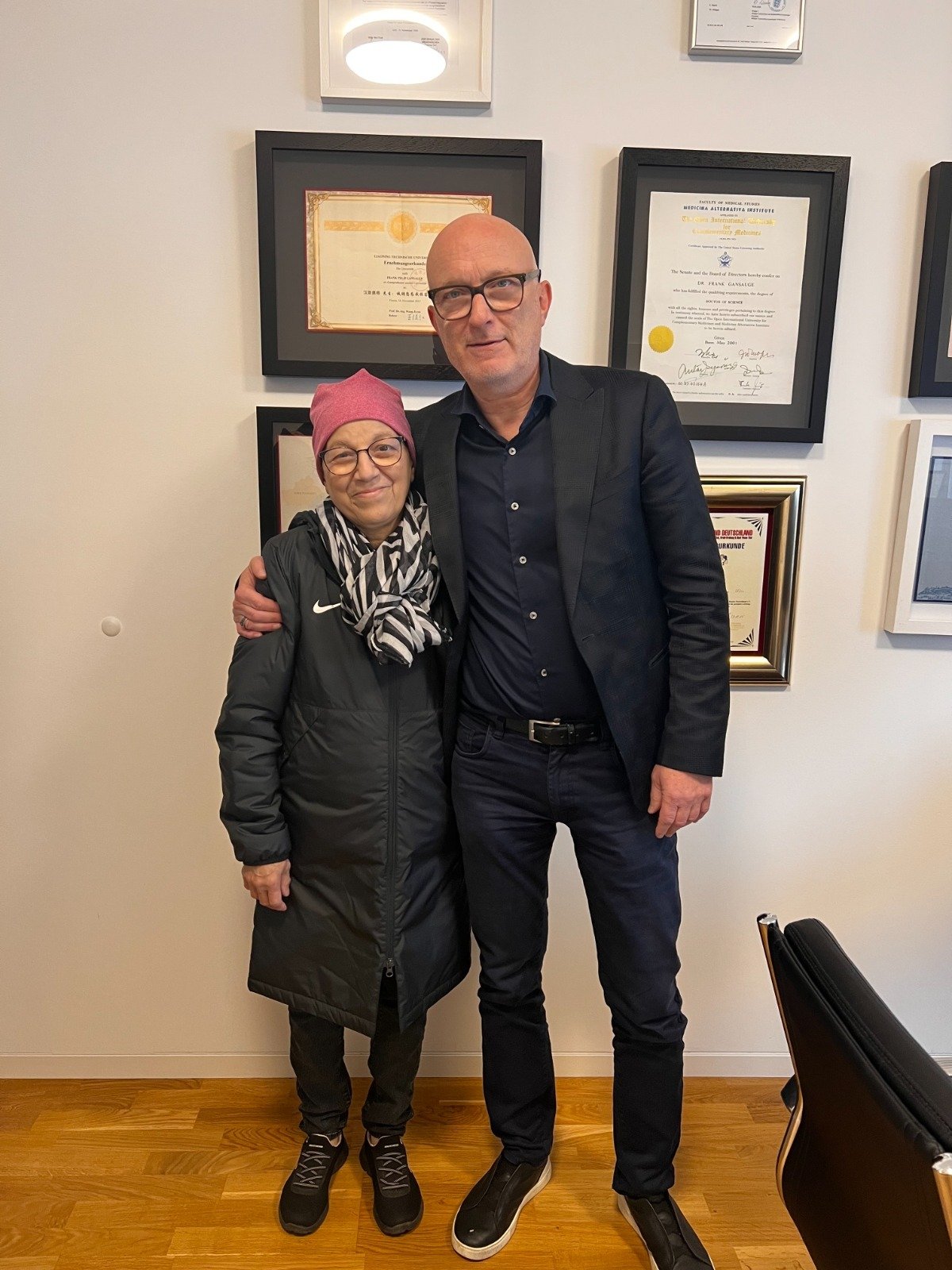
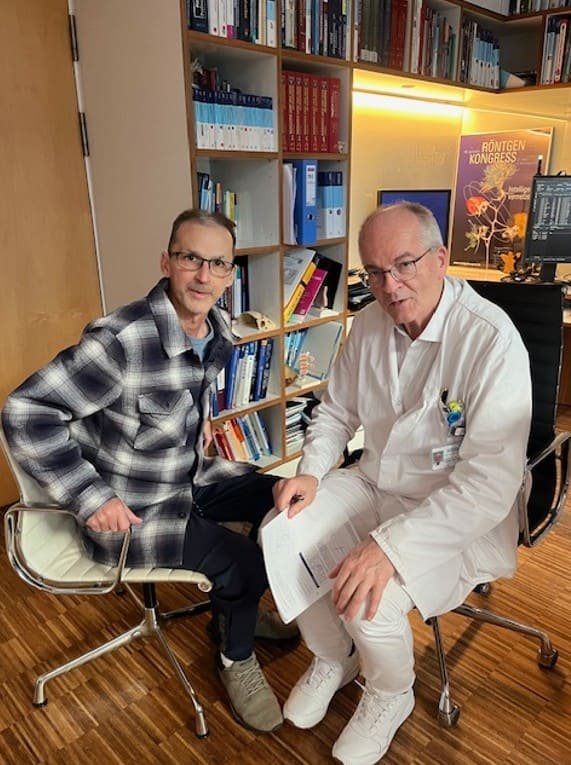
For the interventional therapies, the cost of TPCE and TACP treatment in Germany typically ranges between €8,000 and €9,000 per session, both delivered by Prof. Vogl. The cost of dendritic cell therapy in Germany is approximately €27,000 for an initial course, delivered by Prof. Gansauge at LDG Laboratories. Costs for immunotherapy, targeted therapy, and radiation depend on the agent and number of cycles. Compared with several other countries, many patients find affordable cancer treatment in Germany relative to the quality of care.
TIG GmbH provides a detailed, personalized cost breakdown before any commitment to travel or treatment, so every patient has full clarity from the start.
Who Qualifies for Immunotherapy and Dendritic Cell Therapy?
Eligibility is judged case by case through multidisciplinary tumor board review. The general criteria are outlined below.
Immunotherapy Eligibility
Confirmed non-small cell or small cell lung cancer on pathology based on histopathology.
Completed PD-L1 testing, with high expression linked to a better chance of response.
Patients with EGFR or ALK alterations are generally treated first with targeted therapies rather than single-agent immunotherapy.
Adequate organ function and a reasonable performance status.
Dendritic Cell Therapy Eligibility
Confirmed metastatic (stage IV) lung cancer; however, eligibility criteria vary widely across investigational dendritic cell therapy protocols and are not standardized across histologic subtypes.
Adequate circulating immune cell counts and general hematologic stability sufficient for blood collection and laboratory processing.
No active autoimmune disease or ongoing immunosuppressive therapy beyond standard corticosteroids.
Willingness and ability to commit to a multi-visit treatment protocol involving multiple blood collection and infusion sessions across several weeks.
Best Hospitals for Stage 4 Lung Cancer Treatment in Germany
The institutions below are among the top oncology centers in Germany and the most recognized German hospitals for lung cancer treatment. Each runs dedicated thoracic oncology teams within structured multidisciplinary programs, which is why they are often named the best hospital for stage 4 lung cancer treatment.

TIG GmbH has working relationships with the oncology departments at these centers and can help patients reach the leading lung cancer hospital in Germany for their case, secure second opinions, and coordinate every part of their care.
Why Choose Germany for Advanced Lung Cancer Treatment
For patients pursuing advanced stage 4 lung cancer treatment in Germany, the country offers academic thoracic oncology clinics, strong molecular diagnostics, and access to therapies that are not widely available elsewhere.
A few points are worth keeping in mind:
A cure is uncommon at stage 4, so the goal is to control disease, extend survival, and protect quality of life [3].
Outcomes depend on molecular profile, treatment response, and overall health, so individual results vary [2].
Dendritic cell therapy is still under active study; while safety is good, patients should understand the evidence before proceeding [5].
TPCE and TACP are specialized procedures used in selected patients, usually alongside systemic therapy [9].
For anyone considering stage 4 lung cancer treatment in Germany, TIG GmbH handles medical record review, specialist matching, visa documentation, travel, and interpreter services so patients can focus on care.
References
Why Patients Worldwide Prefer Our Medical Services in Germany – Key Benefits Explained


Read More
Transpulmonary Chemoembolization (TPCE) for Lung Cancer in Germany
What Are the Most Effective Lung Cancer Treatment Options in Germany?
What Is Stage 4 Non-Small Cell Lung Cancer?
What Is the Survival Rate for Stage 4 Lung Cancer with Immunotherapy 2026?














.webp)
 (1).webp)
.webp)
 (1).webp)
.jpg)