

Stomach cancer develops when abnormal cells grow in the stomach lining. Learn why gastric adenocarcinoma is the most common type and how advanced treatments in Germany support international patients seeking specialized care.
What Is the Most Common Type of Stomach Cancer?
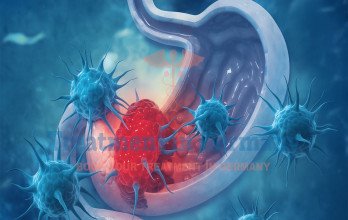
What Is Stomach Cancer and How It Develops
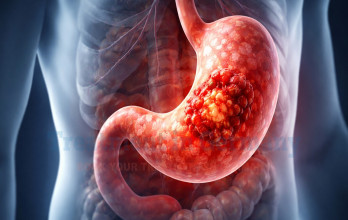
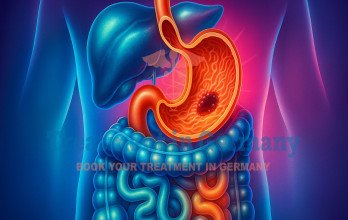
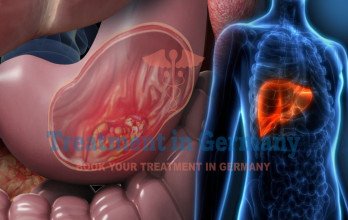
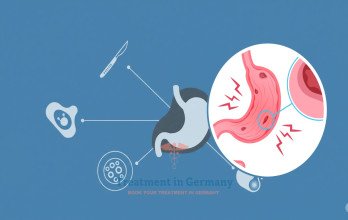
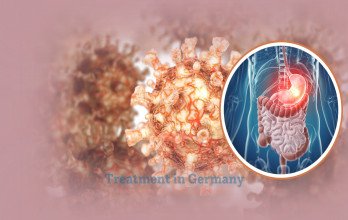
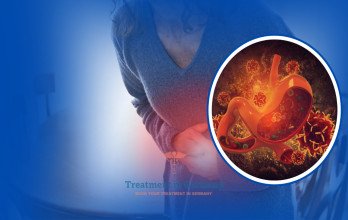
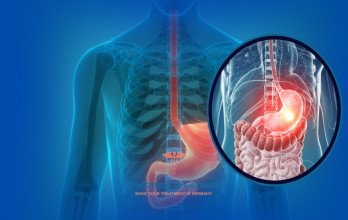
Stomach cancer is a disease in which abnormal cells begin to grow in the lining of the stomach. The stomach is responsible for breaking down food, producing digestive acids, and supporting nurient absorption. Because the stomach lining is constantly exposed to food, acid, and bacteria, it is vulnerable to long-term irritation and cellular damage.
Over time, repeated damage to stomach lining cells may interfere with normal cell repair. When damaged cells continue to divide instead of being replaced by healthy cells, cancer can develop. In many cases, stomach cancer progresses slowly and causes few symptoms in the early stages, which explains why diagnosis often occurs later.
Medical Causes and Risk Factors of Stomach Cancer
Several factors are associated with the development of stomach cancer. Chronic inflammation of the stomach lining, genetic predisposition, dietary factors, smoking, and certain infections are known contributors. These factors may damage glandular cells over time, increasing the risk of abnormal growth.
Medical classification systems referenced by the American Cancer Society help doctors understand how stomach cancer forms, spreads, and behaves. This structured approach supports accurate diagnosis and careful treatment planning.
What Is the Most Common Type of Stomach Cancer?
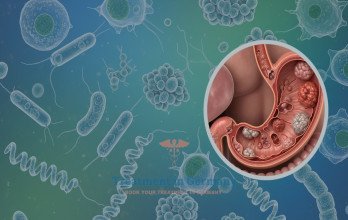
When discussing what is the most common type of stomach cancer? doctors refer to gastric adenocarcinoma. This cancer develops from glandular cells in the inner lining of the stomach. These cells produce mucus and digestive fluids that protect the stomach wall.
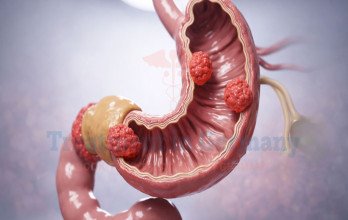
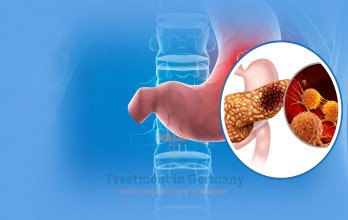
Gastric adenocarcinoma accounts for most stomach cancer cases worldwide. Because it originates in the stomach lining, it may grow silently for years before spreading deeper into the stomach wall or to nearby lymph nodes.
Why Gastric Adenocarcinoma Is Diagnosed Frequently
The glandular cells of the stomach are exposed to constant stress from digestive acids and food particles. Over time, this exposure may lead to cellular damage. When damaged glandular cells fail to repair properly, abnormal growth may occur, leading to gastric adenocarcinoma.
Early symptoms are often mild, such as indigestion or bloating, which delays diagnosis. This highlights the importance of awareness and proper diagnostic evaluation.
Diagnosing Stomach Cancer in Germany
Diagnosis of stomach cancer in Germany, involves endoscopy with biopsy, imaging studies such as CT scans or MRI, and laboratory tests. These evaluations help confirm cancer type, assess depth of invasion, and determine whether lymph nodes or other organs are involved.
Centers providing cancer treatment in Germany follow structured diagnostic protocols aligned with international standards, including those referenced by the American Cancer Society. This ensures accuracy before treatment begins.
Why International Patients Choose Treatment in Germany
Germany is internationally recognized for advanced oncology infrastructure, strict medical regulation, and multidisciplinary cancer treatment. Patients seeking treatment in Germany benefit from comprehensive diagnostics, transparent planning, and access to specialized therapies.
Many international patients travel for cancer treatment in Germany to receive treatment from specialists regarded among the best oncologist in Germany, depending on the treatment approach required.
Treatment Considerations after Diagnosing Gastric Adenocarcinoma
Treatment planning depends on cancer stage, spread, tumor behavior, and patient health. While surgery and systemic therapies are common in early disease, advanced stomach cancer may require additional strategies to control tumor growth and support immune response.
In selected advanced cases, German specialists may consider TACP Treatment in Germany and Immunotherapy Dendritic Cell Therapy for stomach cancer in Germany as part of a personalized treatment plan.
TACP Treatment for Advanced Stomach Cancer in Germany
TACP Treatment for advanced stomach cancer in Germany is an interventional oncology procedure designed to deliver chemotherapy directly into the blood vessels supplying the tumor. The goal of TACP Treatment in Germany is to concentrate medication at the tumor site while reducing exposure to the rest of the body.
This approach is particularly relevant in advanced stomach cancer when tumors are not easily managed by surgery alone. By targeting the blood supply that nourishes the tumor, TACP Treatment in Germany helps limit tumor growth and may reduce tumor activity.
The procedure begins with detailed imaging to identify tumor location and blood vessel pathways. A catheter is carefully guided through blood vessels to reach the tumor area. Chemotherapy is then delivered directly, followed by agents that limit blood flow to the tumor. This combined effect helps deprive cancer cells of nutrients while maximizing the effect of chemotherapy.
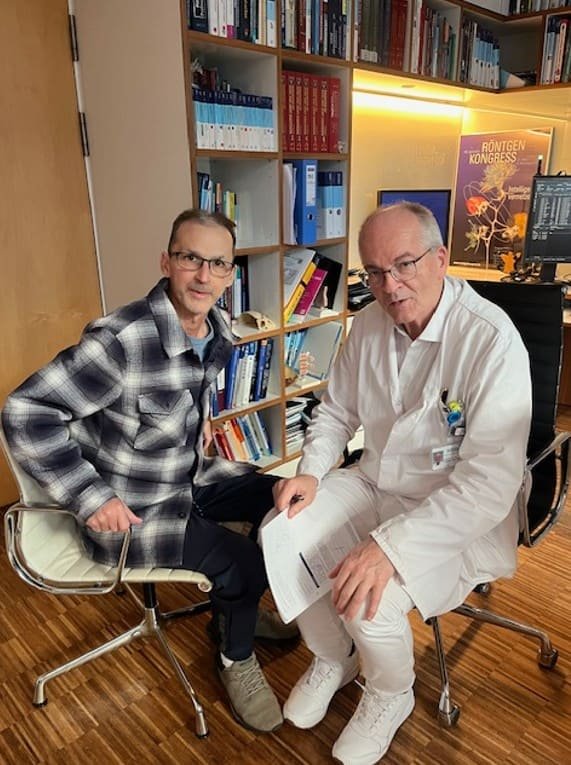
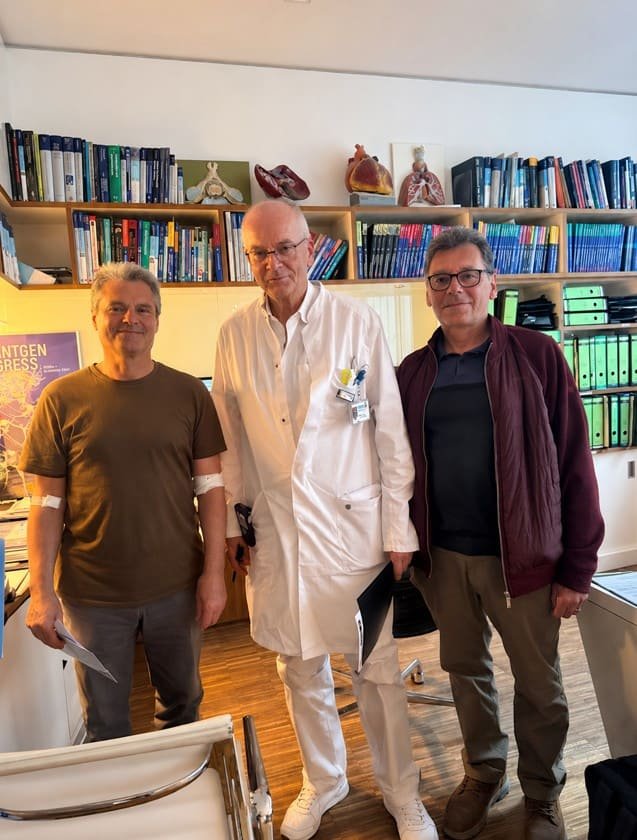
In Germany, TACP Treatment in Germany is performed by Prof. Vogl in Frankfurt, Germany, a highly experienced interventional oncologist. The cost of TACP Treatment in Germany typically ranges from €8,000 to €9,000 per session, depending on tumor complexity and treatment planning.
Immunotherapy Dendritic Cell Therapy for Stomach Cancer in Germany
Immunotherapy Dendritic Cell Therapy in Germany is a personalized immune-based approach that focuses on strengthening the body’s ability to recognize and respond to cancer cells. Instead of directly attacking tumors, this therapy supports immune system training and surveillance.
The process begins with blood collection from the patient. Monocytes are isolated and processed in an EU GMP certified laboratory, where they are transformed into dendritic cells. These dendritic cells are exposed to tumor-related antigens so they can recognize cancer-specific characteristics.
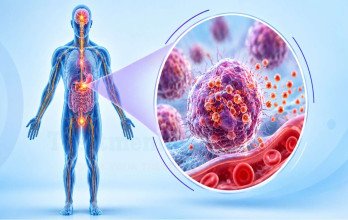
Once administered back into the patient, these cells function as a personalized dendritic cell vaccine. They activate T cells and guide the immune system to identify cancer cells more effectively. In stomach cancer, this immune support may help the body respond better to disease progression depending on individual immune response.
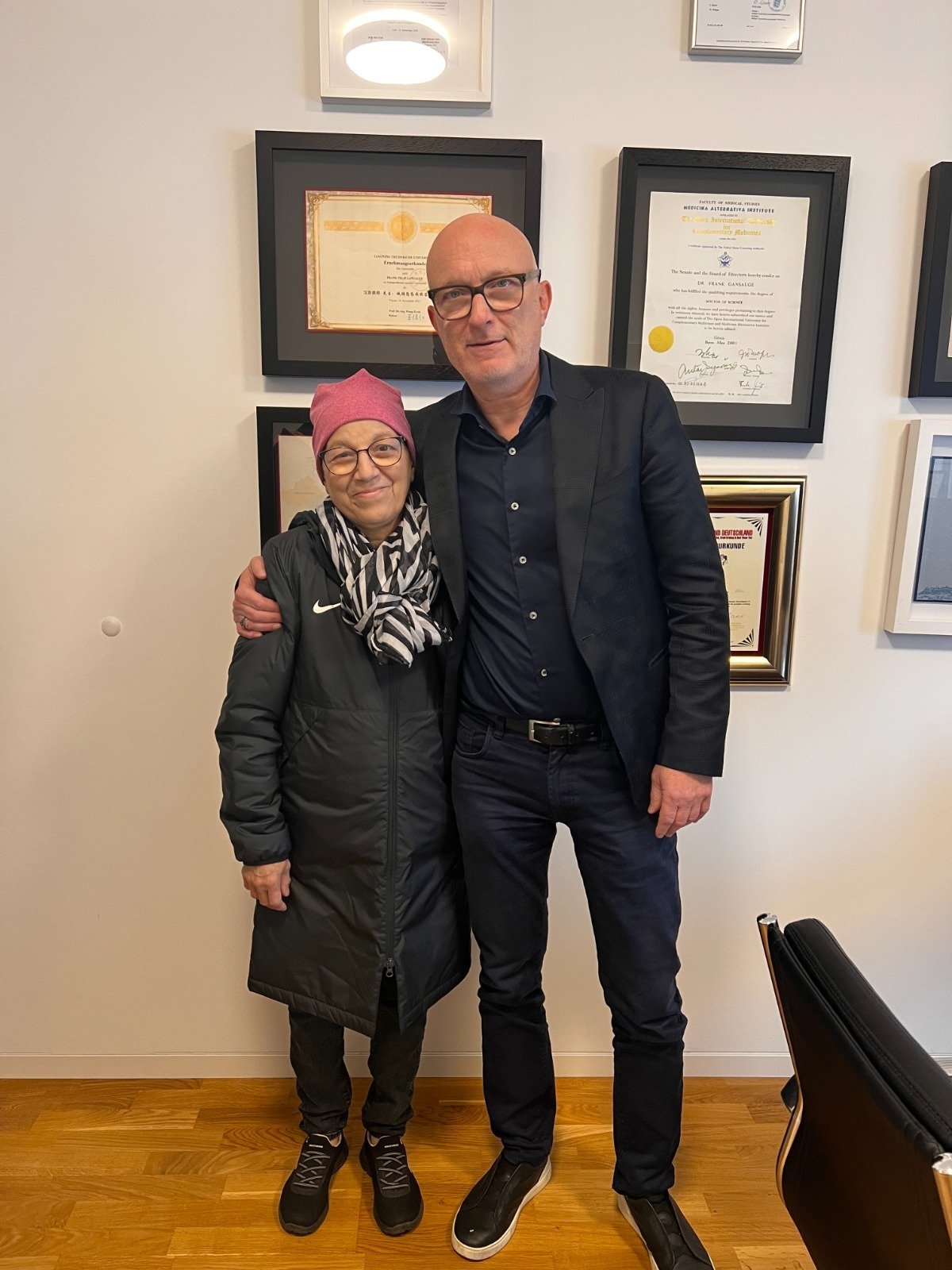
Immunotherapy Dendritic Cell Therapy in Germany is performed by Prof. Gansauge in Berg, Germany, a specialist in cell-based immunotherapy. The cost of Dendritic Cell Therapy in Germany is €24,000, covering laboratory processing and vaccine preparation.
Role of New Clinical Trials for Stomach Cancer in Germany
Germany actively participates in oncology research and offers access to new clinical trials for stomach cancer. These trials explore innovative treatment strategies, including immune-based approaches and targeted therapies. Eligibility for new clinical trials for stomach cancer depends on disease stage, previous treatments, and overall patient health, with careful evaluation before enrollment.
Support for International Patients Seeking Treatment in Germany
International patients contact TIG (Treatment in Germany) at www.treatmentingermany.de to start their journey. TIG (Treatment in Germany) provides end-to-end support, from coordination and complete logistic arrangements including consultations to managing travel, follow-up care and assistance with medical visa for international patients if required, ensuring a smooth process.
🌍Why Patients Worldwide Prefer Our Medical Services in Germany – Key Benefits Explained:


Frequently Asked Questions
What is stomach cancer?
Stomach cancer is a disease caused by abnormal cell growth in the stomach lining.
What is the most common type of stomach cancer?
The most common type is gastric adenocarcinoma.
Why does gastric adenocarcinoma develop?
It develops from damaged glandular cells in the stomach lining.
Is stomach cancer difficult to detect early?
Yes, early symptoms are often mild and nonspecific.
Why do international patients choose treatment in Germany?
They choose treatment in Germany for advanced diagnostics and expert care.
How does TACP Treatment help in stomach cancer?
It helps limit tumor growth by targeting blood flow and delivering localized chemotherapy.
What is Immunotherapy Dendritic Cell Therapy in Germany?
It is an immune-based therapy that trains the immune system to recognize cancer cells.
How does a dendritic cell vaccine work?
A dendritic cell vaccine guides immune cells to identify cancer-specific markers.
Are clinical trials available for stomach cancer?
Yes, new clinical trials for stomach cancer are available in Germany.
Is Germany suitable for international cancer patients?
Yes, Germany offers structured care for international patients.
How can patients arrange treatment in Germany?
TIG, (Treatment in Germany) at www.treatmentingermany.de , assist international patients with complete logistical arrangements including medical visa support if required.







.webp)
 (1).webp)
.webp)
.jpg)
 (1).webp)
.jpg)