

Learn the early symptoms of stomach cancer and explore advanced treatment options in Germany, including TACP and dendritic cell therapy, with complete logistical coordination through Treatment in Germany (TIG).
What Are the Symptoms of Stomach Cancer in Early Stages in Germany?
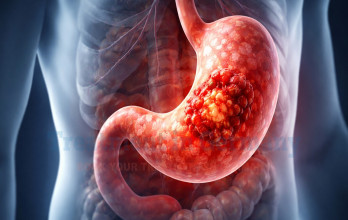
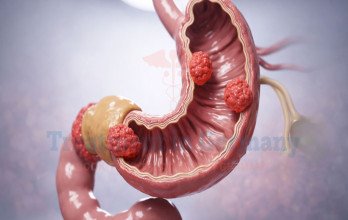
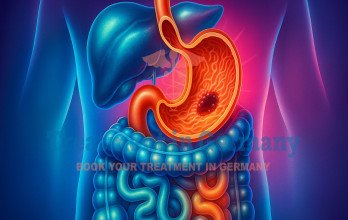
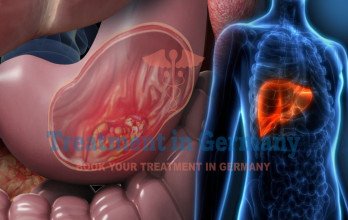
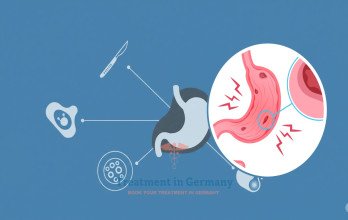
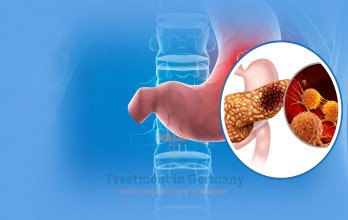
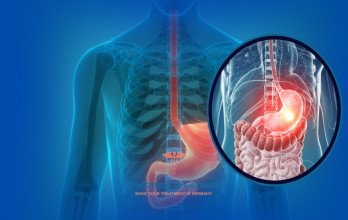
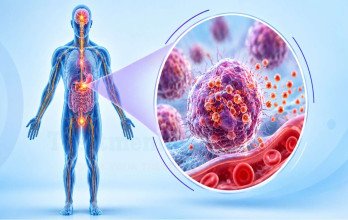
Stomach cancer, medically known as gastric cancer, is a malignant disease that develops from abnormal cell growth within the lining of the stomach. The stomach plays a critical role in digestion by breaking down food and initiating nutrient absorption. When genetic mutations cause uncontrolled cell division, these abnormal cells may form a tumor within the stomach wall. Over time, the tumor can invade deeper layers, spread to nearby lymph nodes, and potentially metastasize to distant organs such as the liver or lungs. Because early-stage tumors are often small and limited to superficial layers, symptoms may be mild and nonspecific.
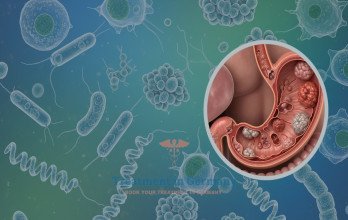
Gastric cancer is considered a complex gastrointestinal malignancy, and its progression varies depending on tumor biology and patient factors. Risk factors may include chronic Helicobacter pylori infection, long-standing gastritis, smoking, dietary influences, and hereditary syndromes. In its earliest phase, the disease may not produce alarming symptoms, which is why many patients are diagnosed at a more advanced stage. Early detection significantly increases treatment possibilities and improves long-term outcomes. For structured evaluation and advanced management, many individuals explore consultation within German healthcare centers, where multidisciplinary oncology systems support timely diagnosis.
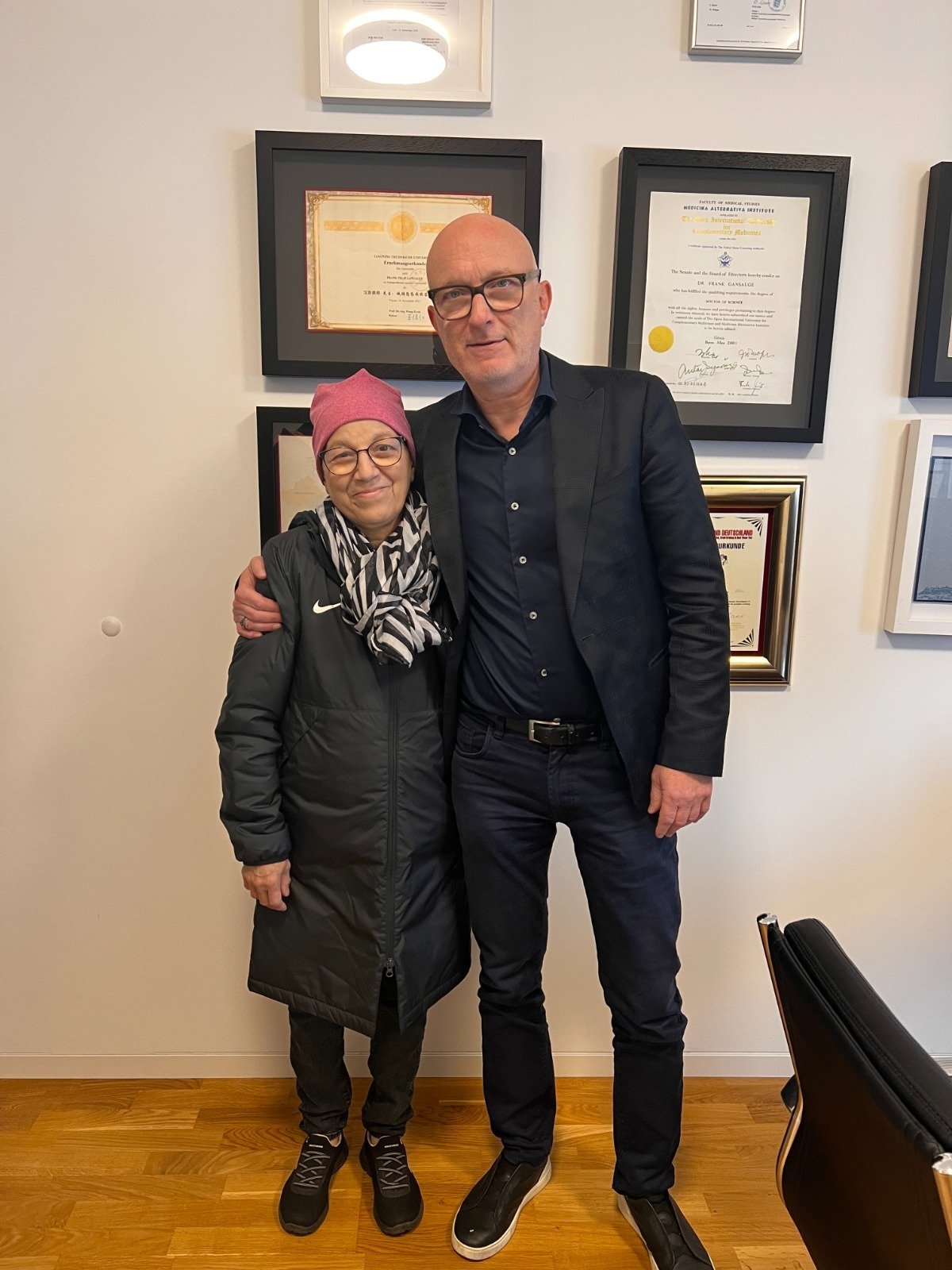
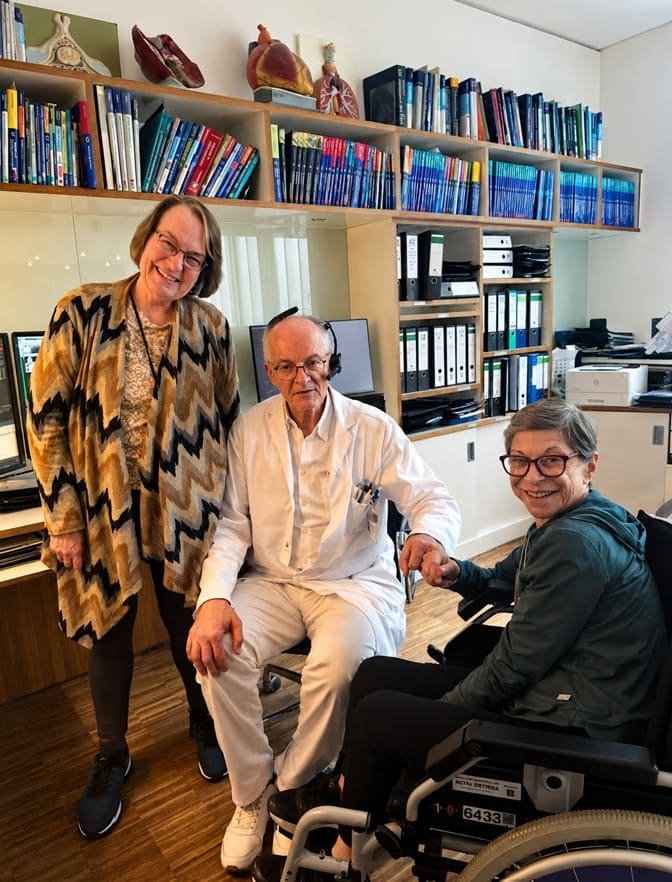
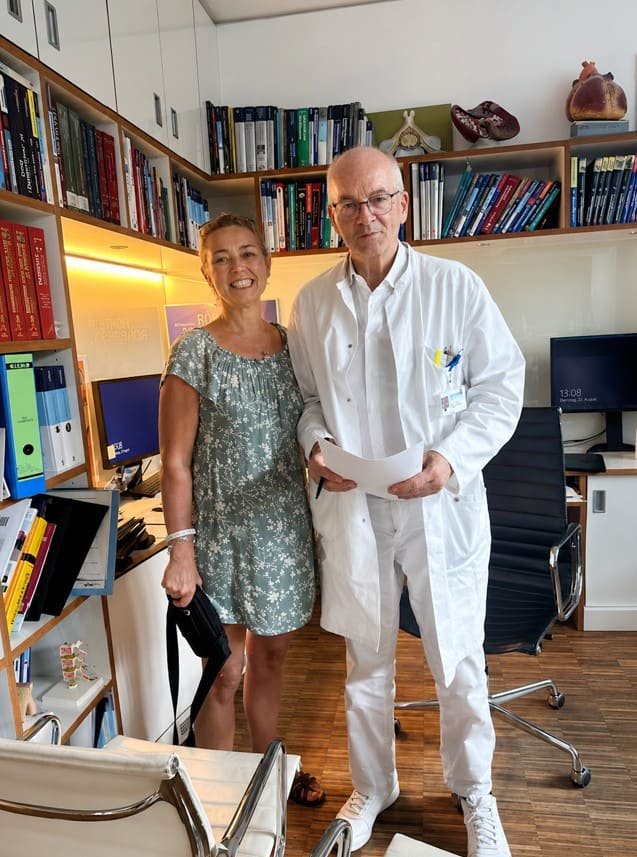
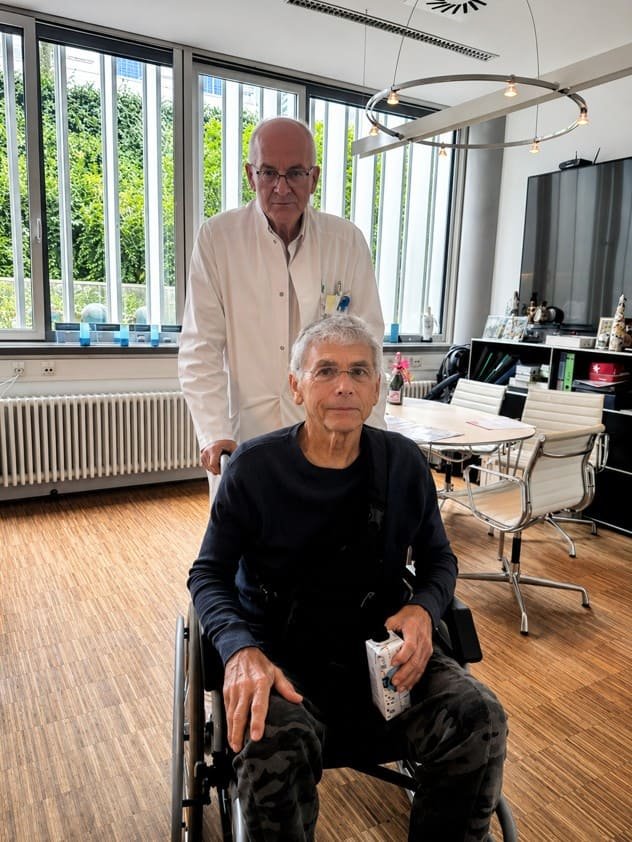
In Germany, stomach cancer treatment is delivered within specialized German oncology centers, guided by experienced physicians such as ProfVogl, known for his expertise in image-guided interventional oncology, and Prof. Gansauge, recognized for his focused work in immune-based cellular therapies. Their programs provide access to new and innovative treatment options for stomach cancer in Germany, combining interventional procedures, systemic therapy, and immunotherapy under regulated medical standards. Many International patients are attracted by coordinated treatment pathways and access to latest medical technology in Germany.
Understanding Early-Stage Stomach Cancer
In early-stage stomach cancer, malignant cells remain confined to the inner mucosal lining of the stomach. At this stage, the tumor has not deeply penetrated the muscular layers or spread extensively to lymph nodes or distant organs. Because structural damage is still limited, symptoms are usually subtle and easy to dismiss. Early detection during this period allows more treatment flexibility and may significantly improve outcomes.
The challenge with early gastric cancer lies in its nonspecific presentation. Many patients attribute mild symptoms to dietary changes, stress, or acid reflux. However, persistent symptoms warrant structured investigation. Early diagnosis through advanced Diagnostics plays a critical role in distinguishing benign gastric irritation from early malignancy.
What Are the Symptoms of Stomach Cancer in Early Stages?

Early stomach cancer often presents with mild digestive disturbances rather than severe pain. Persistent indigestion, mild nausea, abdominal bloating after meals, and a sensation of fullness after eating small amounts are common early indicators. This early satiety may gradually worsen as the tumor interferes with normal gastric expansion. Because these symptoms overlap with common gastric disorders, they are frequently overlooked.
Other early symptoms may include unexplained fatigue, slight weight loss, or mild upper abdominal discomfort. Occasional heartburn or difficulty swallowing may occur depending on tumor location. While none of these symptoms are exclusive to stomach cancer, their persistence over several weeks should prompt medical evaluation. Early imaging using CT scans, MRI, and PET scans may be required if endoscopic findings raise concern.
Advanced Diagnostics for Stomach Cancer in Germany
Precise staging determines appropriate therapy selection. In Germany, advanced Diagnostics include gastroscopy with biopsy, endoscopic ultrasound, and cross-sectional imaging such as CT scans, MRI, and PET scans. These tools assess tumor depth, lymph node involvement, and distant spread.
Diagnostic procedures are supported by latest medical technology in Germany, ensuring detailed anatomical mapping. Molecular profiling may also guide immunotherapy decisions. Results are evaluated within German oncology centers, where coordinated planning ensures individualized treatment strategies.
TACP Treatment for Stomach Cancer in Germany

TACP Treatment is considered when localized tumor control is required. This interventional oncology procedure delivers concentrated chemotherapy directly into the vessels supplying metastatic lesions. By increasing drug exposure at the tumor site, the technique aims to slow tumor progression while reducing widespread systemic effects. It is evaluated within specialized German Oncology centers as part of a structured treatment plan for advanced disease.
The procedure is performed under real-time imaging guidance to ensure accuracy and safety. A catheter is inserted through an artery in the groin and carefully guided toward the blood vessels that supply the metastases. Chemotherapy is infused in a controlled manner while maintaining circulation, allowing targeted drug delivery without completely blocking blood flow. Continuous monitoring throughout the intervention helps maintain patient stability and procedural precision.
After TACP, patients undergo structured follow-up to evaluate liver function and overall response to therapy. Imaging reassessment using CT scans, MRI, and PET scans helps determine whether further sessions are required. TACP may be combined with systemic chemotherapy depending on disease extent and patient condition. The cost of TACP Treatment in Germany generally ranges between €8,000 and €9,000 per session, depending on individualized treatment planning and clinical complexity.
Immunotherapy: Dendritic Cell Therapy for Stomach Cancer in Germany

Dendritic cell therapy is an advanced immunotherapeutic approach designed to stimulate the body’s immune system to recognize and respond to gastric cancer cells. Dendritic cells function as key immune regulators that process and present tumor-associated antigens to T-cells, helping initiate a targeted immune response. In stomach cancer management, this strategy aims to enhance immune recognition of malignant tissue and support systemic disease control. It is typically evaluated as part of an integrated treatment plan within specialized German oncology centers, particularly in advanced or metastatic cases.
The therapy begins with the collection of immune cells (monocytes) from the patient’s blood through a medically supervised procedure. These cells are carefully separated to preserve their viability and functional integrity. The collection process takes place in a controlled clinical environment, ensuring patient safety and maintaining strict sterile conditions. Proper handling and immediate processing are essential to achieve optimal cell quality before laboratory preparation. Medical monitoring continues throughout the collection phase to ensure stability.
After collection, the cells are transported to an EU GMP certified laboratory, where they are cultured under highly regulated and quality-controlled conditions. Within this specialized environment, the monocytes are exposed to tumor-associated antigens derived from gastric cancer tissue. This controlled exposure supports their development into active dendritic cells capable of presenting cancer markers to the immune system. Comprehensive sterility, purity, and viability testing is performed before clinical use. Once approved, the prepared cells are reintroduced into the patient as a personalized dendritic cell vaccine, to support immune surveillance.
This immunotherapy is integrated alongside systemic treatment rather than replacing conventional management. Continuous monitoring evaluates immune response, tolerance, and overall clinical stability. The cost of Dendritic Cell Therapy in Germany is €26,000, covering immune cell collection, laboratory processing, preparation, and administration.
New Clinical Trials for Stomach Cancer in Germany
Patients may be evaluated for participation in new Clinical Trials for Stomach Cancer in Germany, depending on eligibility criteria. These studies explore emerging systemic and immune-based therapies under regulated oversight.
Research frameworks align with standards referenced by the Australian Cancer Society, emphasizing patient safety and evidence-based methodology. Participation requires formal evaluation within accredited German oncology centers.

Limitations and Considerations for Stomach Cancer Treatment in Germany
Despite access to new and innovative treatment options for stomach cancer in Germany, not every patient is eligible for advanced interventional or immune-based therapies. Suitability for TACP Treatment depends on liver function, tumor distribution, and overall performance status. Similarly, eligibility for the dendritic cell vaccine requires stable immune function and adequate clinical condition.
Management focuses on disease control, symptom stabilization, and maintaining quality of life rather than guaranteed cure. Clear communication ensures realistic expectations regarding outcomes and stomach cancer recovery.
International Patient Support through Treatment in Germany (TIG)
For international patients, planning stomach cancer treatment abroad can involve multiple challenges, including medical report review, hospital coordination, scheduling, travel planning, lodging, and documentation. These steps can be difficult for families already under stress. That is why structured support becomes essential. TIG (Treatment in Germany) at www.treatmentingermany.de ensures seamless coordination and manages complete logistical arrangements for international patients, including travel, lodging, and medical visa for international patients (if required).This support helps patients focus on treatment rather than administrative challenges.
Patients may also get a free consultation with TIG (Treatment in Germany) to receive individualized guidance and coordinated access to specialized oncology centers.
🌍Why Patients Worldwide Prefer Our Medical Services in Germany – Key Benefits Explained:









.webp)
 (1).webp)
.webp)
.jpg)
 (1).webp)
.jpg)