
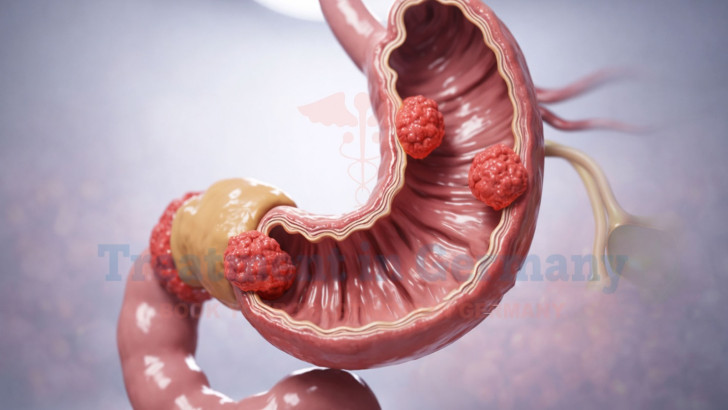
Duodenal cancer is a rare gastrointestinal cancer. Learn about symptoms, diagnosis, and the latest treatment options in Germany including chemotherapy, TACP, and dendritic cell therapy for international patients.
Duodenal Cancer Latest Treatment Options in Germany: Symptoms and Diagnosis
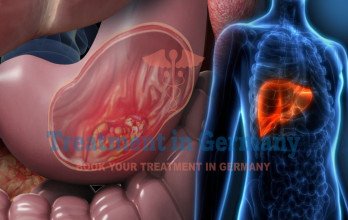
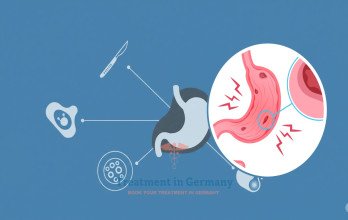
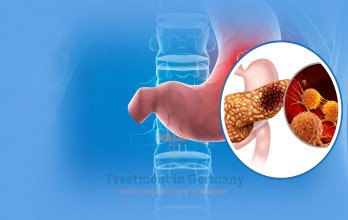
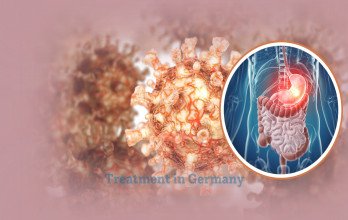
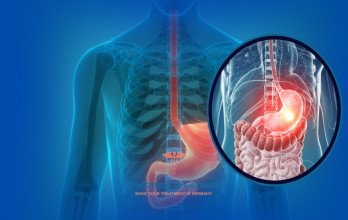
Duodenal cancer is a rare type of gastrointestinal cancer that develops in the duodenum, which is the first section of the small intestine. The duodenum plays a crucial role in digestion by receiving partially digested food from the stomach and mixing it with bile and pancreatic enzymes. Because of its location and function, cancer in this area can affect digestion, nutrient absorption, and overall gastrointestinal health.
In many cases, duodenal cancer develops gradually and may not cause noticeable symptoms in its early stages. This often leads to delayed diagnosis. Understanding the disease, its symptoms, and diagnostic process is essential before exploring duodenal cancer latest treatment options in Germany.
Causes and Risk Factors of Duodenal Cancer
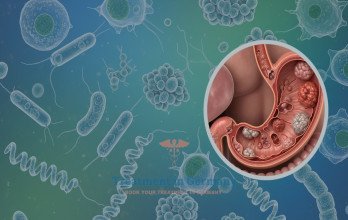
The exact cause of duodenal cancer is not always known. It occurs when cells in the lining of the duodenum undergo genetic changes that cause uncontrolled growth. Certain conditions such as chronic inflammation of the digestive tract, inherited gastrointestinal disorders, and long-standing digestive issues may increase risk.
Medical frameworks used in Germany follow internationally accepted standards to evaluate tumor origin, cell type, and disease extent. This structured approach ensures accurate diagnosis and appropriate treatment planning.
Symptoms of Duodenal Cancer
Symptoms of duodenal cancer often depend on tumor size and location. Early symptoms may be mild and include abdominal discomfort, nausea, bloating, or unexplained fatigue. Because these symptoms are common in many digestive disorders, they are often overlooked.
As duodenal cancer progresses, patients may experience persistent abdominal pain, unexplained weight loss, changes in bowel habits, vomiting, anemia, or jaundice if bile flow is affected. Persistent symptoms require prompt medical evaluation to rule out serious underlying conditions.
Diagnosis of Duodenal Cancer in Germany
Diagnosis of duodenal cancer in Germany involves a combination of endoscopic procedures, imaging studies, and biopsy. Endoscopy allows doctors to visualize the duodenum directly and collect tissue samples. Imaging tests such as CT scans, MRI, or PET scans help determine tumor size, lymph node involvement, and spread to surrounding organs. Centers providing cancer treatment in Germany follow structured diagnostic pathways aligned with international oncology standards. Accurate diagnosis is essential before selecting the most appropriate duodenal cancer latest treatment options in Germany.
Why International Patients Choose Treatment in Germany for Duodenal Cancer
Germany is internationally recognized for its advanced medical infrastructure, strict regulatory standards, and multidisciplinary oncology care. Patients seeking treatment in Germany benefit from precise diagnostics, transparent treatment planning, and access to advanced interventional and immune-based therapies.
Many international patients pursue cancer treatment in Germany to receive treatment from specialists regarded among the best oncologist in Germany, particularly for rare gastrointestinal cancers such as duodenal cancer.
Overview of Duodenal Cancer Latest Treatment Options in Germany
Treatment for duodenal cancer depends on tumor type, stage, location, and patient health. In Germany, treatment plans are personalized and may involve surgery, chemotherapy, interventional oncology procedures, and immune-based therapies.
Among the duodenal cancer latest treatment options in Germany, selected patients may be evaluated for TACP Treatment in Germany, Immunotherapy Dendritic Cell Therapy in Germany, and chemotherapy in Germany as part of an individualized treatment plan.
Chemotherapy in Germany for Duodenal Cancer
Chemotherapy in Germany is commonly used to treat duodenal cancer, particularly when cancer has spread beyond the duodenum or surgery is not sufficient on its own. Chemotherapy works by targeting rapidly dividing cancer cells throughout the body.
In Germany, chemotherapy protocols are carefully selected based on tumor characteristics and patient tolerance. Treatment is administered under close medical supervision in specialized oncology centers. The cost of chemotherapy in Germany varies depending on the drugs used, number of cycles, and hospital setting, and is determined after medical evaluation.
TACP Treatment in Germany for Duodenal Cancer
TACP Treatment for duodenal cancer in Germany, also known as Transarterial Chemoperfusion, is an interventional oncology procedure that delivers chemotherapy directly into the arteries supplying the tumor. This targeted approach allows higher drug concentration at the tumor site while reducing systemic exposure. TACP Treatment in Germany may be considered when localized tumor control is needed, particularly if the tumor is not easily accessible surgically. The procedure involves guiding a catheter through blood vessels to deliver chemotherapy directly to the tumor area.
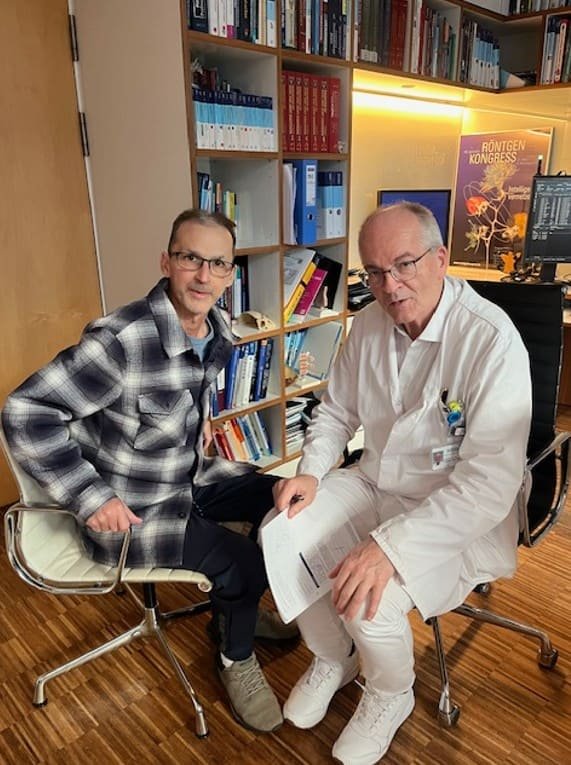
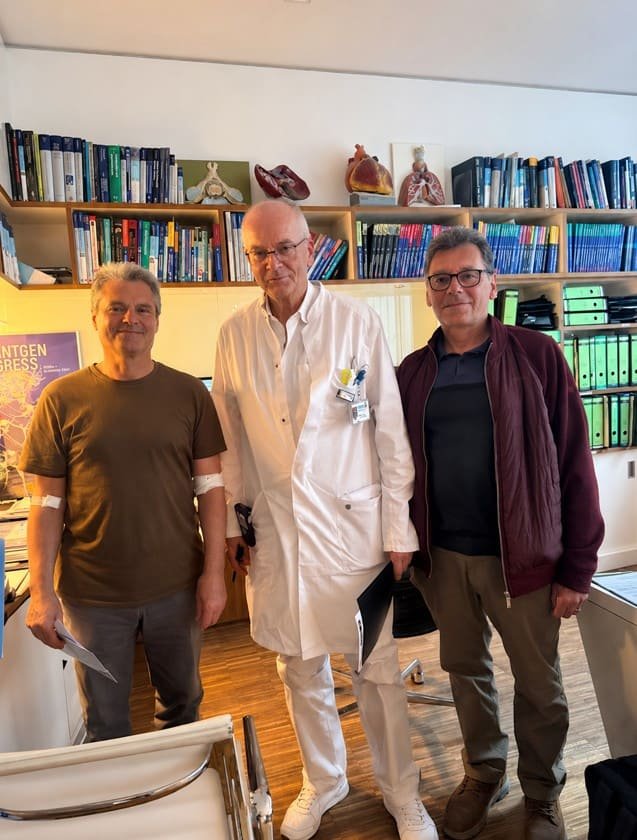
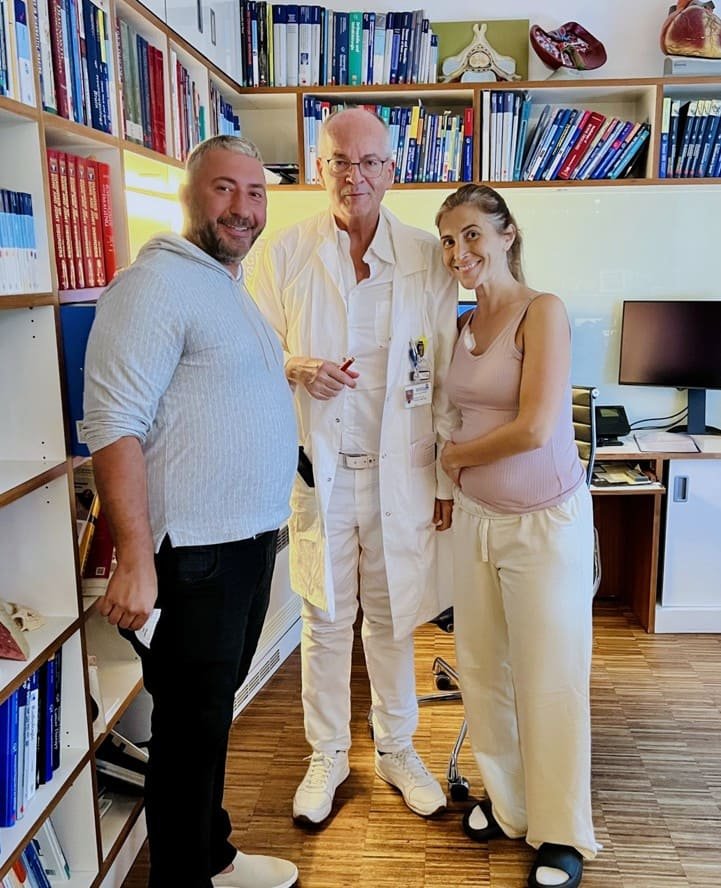
TACP Treatment in Germany is performed by Prof. Vogl in Frankfurt, Germany, a highly experienced interventional oncologist. The cost of TACP Treatment in Germany typically ranges from €8,000 to €9,000 per session, depending on tumor complexity and treatment planning.
Immunotherapy Dendritic Cell Therapy for Duodenal Cancer in Germany
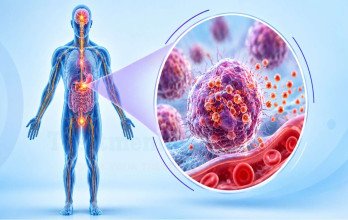
Immunotherapy Dendritic Cell Therapy in Germany is a personalized immune-based approach that supports the body’s ability to recognize and respond to cancer cells. Instead of directly destroying tumors, this therapy focuses on immune system training and long-term immune surveillance.
The process begins with blood collection from the patient. immune cells (monocytes) are isolated and processed in an EU GMP certified laboratory, where they are transformed into dendritic cells and exposed to tumor-specific antigens. Once administered back into the patient, these cells function as a personalized dendritic cell vaccine, guiding immune cells to recognize cancer cells more effectively. In duodenal cancer, this approach may support disease control depending on individual immune response.
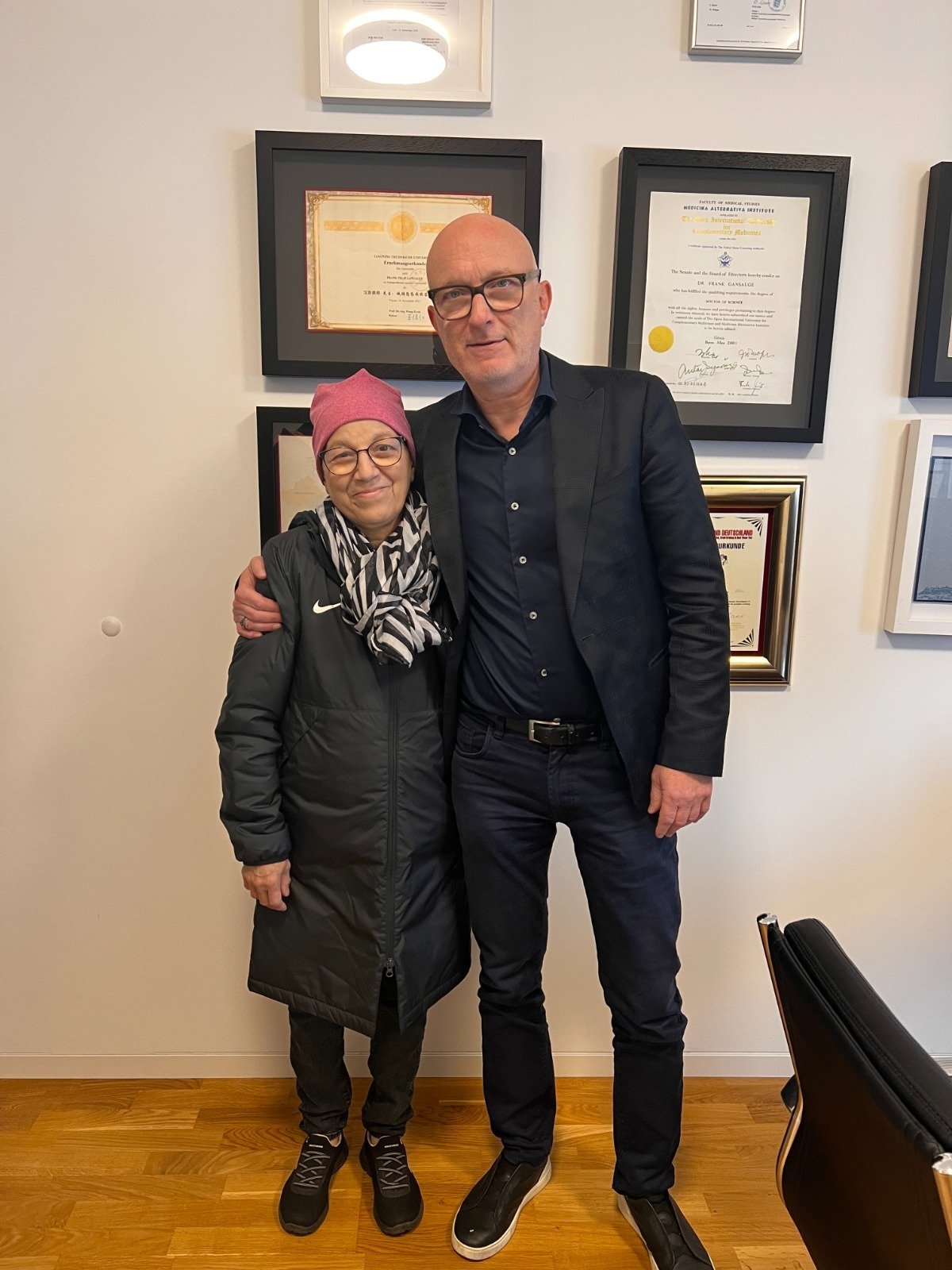
Immunotherapy Dendritic Cell Therapy in Germany is performed by Prof. Gansauge in Berg, Germany. The cost of Dendritic Cell Therapy in Germany is €24,000, which includes laboratory processing and vaccine preparation.
Combining Duodenal Cancer Latest Treatment Options in Germany
In some cases, doctors may recommend combining therapies to address the disease from multiple angles. Chemotherapy in Germany may be used to control systemic disease, while TACP Treatment in Germany helps manage localized tumors and Immunotherapy Dendritic Cell Therapy in Germany supports immune response.
The suitability of combination treatment depends on disease extent, patient health, and response to previous therapies. German oncology teams closely monitor patients and adjust treatment plans accordingly.
Support for International Patients Seeking Treatment in Germany
Traveling abroad for cancer treatment can be overwhelming. Germany, through services like TIG (Treatment in Germany at www.treatmentingermany.de ), eases the burden for international patients by handling logistical aspects such as medical visa arrangements (if needed), travel planning, accommodation booking, and communication with medical institutions From the first consultation to post-treatment follow-up, patients receive coordinated care that reflects the highest standards in European healthcare. This structured and patient-focused approach has positioned Germany as a preferred destination for individuals seeking advanced cancer treatment.
🌍Why Patients Worldwide Prefer Our Medical Services in Germany – Key Benefits Explained:


Frequently Asked Questions
What is duodenal cancer?
Duodenal cancer is a rare cancer that develops in the first part of the small intestine.
What are the common symptoms of duodenal cancer?
Symptoms of duodenal cancer include abdominal pain, nausea, weight loss, and anemia.
How does Germany compare to the UK/US for duodenal cancer treatment?
Germany excels in innovative duodenal cancer treatments, faster access, and holistic care.
How is duodenal cancer diagnosed in Germany?
Duodenal cancer in Germany is diagnosed using endoscopy, biopsy, and imaging studies.
Is treatment in Germany suitable for duodenal cancer?
Yes, treatment in Germany offers advanced care for rare gastrointestinal cancers.
What are the latest treatment options for duodenal cancer in Germany?
Options include chemotherapy, TACP Treatment in Germany, and Immunotherapy Dendritic Cell Therapy in Germany.
What is TACP Treatment in Germany?
TACP Treatment in Germany delivers chemotherapy directly to tumor-feeding arteries.
Is TACP Treatment in Germany safe?
TACP Treatment in Germany is performed under image guidance by experienced specialists.
What is Immunotherapy Dendritic Cell Therapy in Germany?
It is an immune-based therapy that supports cancer recognition.
Is dendritic cell therapy safe?
Immunotherapy Dendritic Cell Therapy in Germany is prepared under strict EU GMP standards.
Can therapies be combined for duodenal cancer?
Yes, treatments may be combined depending on medical evaluation.
Are international patients eligible for treatment in Germany?
Yes, international patients can access treatment in Germany.
How can international patients arrange treatment in Germany?
Contact TIG (Treatment in Germany) at www.treatmentingermany.de to receive complete logistical arrangements including initial consultation and plan.








.webp)
 (1).webp)
.webp)
.jpg)
 (1).webp)
.jpg)