
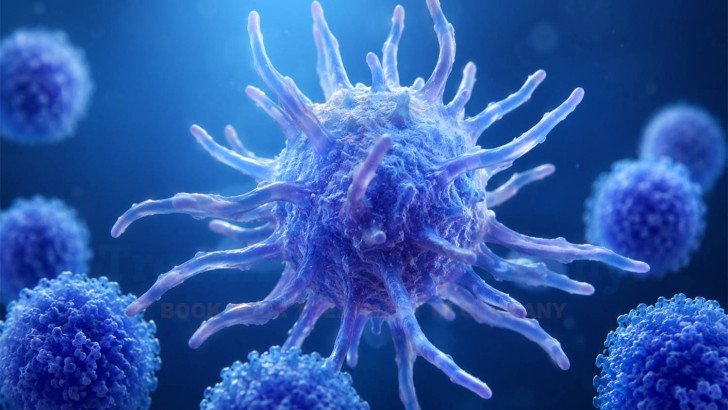
Dendritic cell therapy is a personalized immunotherapy that helps the immune system target cancer cells. It works by activating immune cells to fight cancer more effectively.
Dendritic Cell Therapy in Germany
Modern oncology increasingly incorporates immunotherapy and precision medicine alongside surgery, radiation therapy, and systemic treatments. One such approach is to enhance the immune system's ability to recognize and respond to malignant cells. Dendritic cell therapy sits at the center of that shift, and Germany hosts several specialized oncology centers with experience in personalized immunotherapy and cellular cancer treatments. For patients who have exhausted or are not candidates for standard treatment options, dendritic-cell–based immunotherapy can be available through specialized centers for dendritic cell therapy in Germany as a personalized, immune-based treatment approach, although clinical evidence and availability vary by cancer type and treatment protocol.
Unlike chemotherapy, which affects rapidly dividing cells throughout the body, dendritic cell immunotherapyis designed to enhance the immune system's ability to recognize and respond to tumor-associated or tumor-specific antigens. It is part of a broader move toward cancer immunotherapy in Germany that combines careful diagnostics with treatments tailored to the individual. Importantly, it is not a miracle cure, and honest expectations matter.
In addition to evaluating treatment options, international patients often need to coordinate medical records, specialist consultations, travel arrangements, and follow-up care.TIG GmbH helps people understand whether dendritic cell treatment suits their case, connects them with the right specialist, and coordinates the journey from the first records review to follow-up. You can learn more about advanced cancer treatment in Germany and how the process works.
What Are Dendritic Cells, and How Did This Therapy Begin?
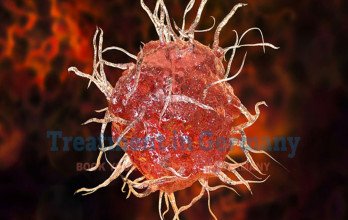
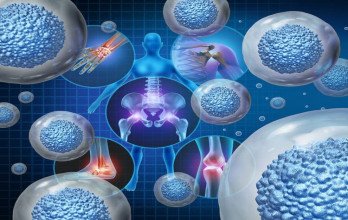
Dendritic cells are professional antigen-presenting cells that play a central role in initiating adaptive immune responses. Their primary function is to process antigens and present them to T lymphocytes, thereby activating tumor-specific immune responses. Dendritic cells continuously monitor the body for abnormal or foreign antigens, including those associated with tumors. After capturing these antigens, they present them to T lymphocytes, helping initiate immune responses directed against cancer cells [1].

In 1973, immunologist Ralph Steinman identified and named dendritic cells while working at Rockefeller University. His research helped establish the central role of antigen-presenting cells in immune regulation and laid the foundation for modern dendritic-cell–based immunotherapy. He was awarded the 2011 Nobel Prize in Physiology or Medicine for this work, and he is often called the father of modern immunotherapy for the discovery of dendritic cells and their role in adaptive immunity, work that helped establish the scientific foundation for several modern immunotherapy approaches [1]. Tragically, he died of pancreatic cancer just three days before the prize was announced.
Steinman's insight opened the door to dendritic cells and cancer therapy. The discovery of dendritic cells led researchers to investigate whether these cells could be generated and activated outside the body to enhance antitumor immune responses. This concept forms the basis of dendritic-cell vaccines and has become an important area of cancer immunotherapy research[5].
How Does Dendritic Cell Therapy Actually Work?
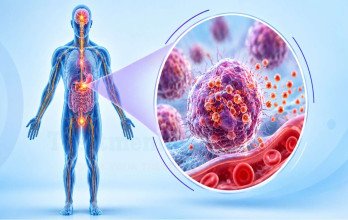
Many tumors develop immune-evasion mechanisms that reduce immune recognition and suppress antitumor responses. Tumors release signals that quiet the immune system and stop dendritic cells from doing their job, so the body never mounts a strong attack [7]. The aim of dendritic cell therapy cancer treatment is to break through that disguise by preparing fully active dendritic cells outside the body, away from the tumor's influence.
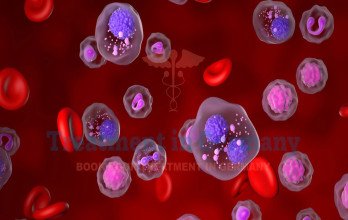
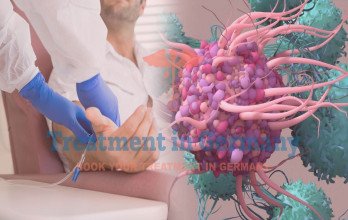
In simple terms, the therapy works in three stages. First, immune cells are collected from the patient. Next, in a specialized laboratory, these cells are matured into dendritic cells and introduced to antigens, the unique proteins found on that patient's tumor. Finally, The activated dendritic cells are subsequently administered to the patient, where they migrate to lymphoid tissues and stimulate tumor-specific T-cell responses[5][7]. Because the cells come from the patient, the approach is highly personalized, which is why it is described as personalized cancer immunotherapy in Germany.
Unlike chemotherapy, which acts directly on rapidly dividing cells, cancer immunotherapy by dendritic cells trains a precise, targeted response. Dendritic cell therapy aims to stimulate the patient's immune system rather than directly attacking tumor cells.One potential advantage of immunotherapy is the generation of immunologic memory, which may contribute to sustained antitumor immune responses in some patients [6]. That said, the strength of the response varies between patients, and the therapy is most effective as part of a wider plan rather than on its own [8].
How Are the Cells Collected and the Vaccine Made?
A common question is where the cells come from and what the process feels like. The collection procedure is generally well tolerated and is typically performed on an outpatient basis. There is no major operation and no hospital stay for the collection itself. The journey usually unfolds over a short series of visits spread across a couple of weeks, and most steps are done on an outpatient basis, meaning patients go home the same day. Here is how a typical course is structured:
Step 1: Consultation and planning
The treating team reviews the full medical history, imaging, and previous treatments, then confirms whether the patient is a suitable candidate and designs an individual plan.
Step 2: Collecting the immune cells
A sample of the patient's own blood is taken, much like a routine blood draw. The immune cells needed for the vaccine are gathered from this sample, so no surgery is involved.
Step 3: Preparing the vaccine
In a specialized laboratory, immune-cell precursors are differentiated into dendritic cells and exposed to selected tumor antigens, which may be derived from tumor tissue, tumor lysates, peptides, nucleic acids, or other antigen sources depending on the protocol. This step is what makes each vaccine unique to the patient.
Step 4: Returning the cells
The finished vaccine is given back through a simple injection, most commonly into the skin, though the exact delivery method depends on the protocolFollowing administration, dendritic cells are intended to migrate to lymphoid tissues, where they present antigens to T lymphocytes and promote antigen-specific immune responses.
Step 5: Follow-up and monitoring
The team tracks the response over time and may recommend combining the vaccine with other therapies to strengthen the effect.

The procedure is generally well tolerated and is usually performed on an outpatient basis and the tumor sample is not always required, depending on the vaccine platform and treatment protocol, tumor tissue may not always be required, although suitability is determined on a case-by-case basis. TIG GmbH helps international patients organize each of these steps, including scheduling, so the experience is as smooth as possible.
What Does the Evidence Say About Dendritic Cell Therapy Effectiveness?
Clinical evidence remains the most important consideration when evaluating dendritic-cell–based therapies. The most robust clinical evidence currently exists in metastatic castration-resistant prostate cancer, where Sipuleucel-T demonstrated an overall survival benefit in randomized clinical trials. Sipuleucel-T, the first dendritic cell vaccine approved by the United States Food and Drug Administration, extended median survival by about four months in men with advanced disease compared with placebo [2]. In the randomized phase III IMPACT trial, median overall survival was 25.8 months in the sipuleucel-T group compared with 21.7 months in the placebo group, corresponding to a 22% relative reduction in the risk of death[3]. The chart below shows that difference.

The survival benefit was also observed in longer-term follow-up. At three years, overall survival was 31.7% in the vaccine group compared with 21.7% in the control group [2]. The treatment was generally well tolerated, with most adverse events being mild to moderate in severity, contributing to continued interest in dendritic-cell–based cancer vaccines.

Beyond prostate cancer, the available evidence remains promising, although further prospective studies are required to define long-term clinical benefit. A 2026 network meta-analysis of mRNA and dendritic cell vaccines across solid tumors, covering 1,777 patients in 67 trials, found these vaccines can trigger measurable immune responses with a strong safety profile [4]. Reviews of melanoma, glioblastoma, prostate, and lung cancer report consistent safety and signs of benefit, especially when the vaccine is combined with checkpoint inhibitors or personalized neoantigen approaches [5][8]. The honest summary is that dendritic cell treatment is promising and safe, with the clearest results when used in combination rather than alone [6].
It is important to recognize the current limitations of the evidence. While early clinical trials consistently demonstrated that dendritic-cell vaccines could activate antitumor immune responses, these immune effects did not always translate into substantial tumor shrinkage when the vaccines were used alone [10]. More recent research suggests that dendritic-cell vaccination may achieve greater clinical benefit when combined with therapies that modify the tumor microenvironment or reduce immune suppression [6]. As a result, combination strategies have become a major focus of contemporary dendritic-cell immunotherapy research. The field has evolved from establishing whether these vaccines can stimulate the immune system to determining how they can be integrated most effectively into comprehensive cancer treatment plans.
Benefits of Dendritic Cell Therapy for Cancer Patients
Interest in dendritic-cell immunotherapy has increased as translational and clinical research continues to expand. The advantages of dendritic cell therapy include individualized antigen targeting, favorable tolerability, and compatibility with multimodal treatment strategies. Because dendritic-cell vaccines are designed to stimulate antigen-specific immune responses rather than directly damage rapidly dividing cells, they are generally associated with less off-target toxicity than conventional cytotoxic chemotherapy. The main reasons patients explore it include:
A highly personalized approach, since the vaccine is made from and for the individual patient [5].
A gentle side-effect profile, usually limited to mild, short-lived reactions [8].
A potential for lasting immune memory, so the body may keep recognizing the tumor over time [6].
An option when standard treatments stall, including for tumors that resist conventional therapy [7].
A good fit for combination care, working alongside chemotherapy, radiation, or checkpoint drugs [8].
These qualities explain why dendritic cells cancer treatment appeals to people seeking a new effective cancer treatment that does not flatten their quality of life. Still, a responsible center is always clear that the dendritic cell therapy success rate depends on the cancer type, its stage, and the wider treatment plan, and that results vary from person to person [6].
Which Cancers Can Be Treated With Dendritic Cells?
Dendritic cell vaccination has been studied across a wide range of malignancies, although the strength of clinical evidence varies substantially among tumor types. Research and clinical experience point to use, often in combination with other therapies, for cancers such as:
Melanoma and other skin cancers.
Glioblastoma and other brain tumors.
Prostate cancer, where the approach has the strongest formal evidence [2].
Breast, kidney, colorectal, and pancreatic cancers, usually within combination plans [5].

In lung cancer specifically, a 2024 study found that a neoantigen-targeted dendritic cell vaccine produced long-lived immune responses with only mild, grade 1 to 2 side effects and generally manageable toxicity profiles, although larger studies are needed to determine clinical efficacy and survival benefit [9] This kind of result is why dendritic cell vaccines for cancer immunotherapy are increasingly folded into modern treatment plans rather than viewed as a last resort. The breadth of conditions under investigation means patients with many different cancer types may be evaluated for this approach. The right fit always depends on the individual case and is decided after specialist review.
Am I Eligible for Dendritic Cell Therapy?
Eligibility depends on several factors, including the type and stage of cancer, previous treatments, overall health, and immune function. Dendritic-cell vaccination is most often considered for selected patients with solid tumors as part of a personalized treatment plan. Because suitability varies from person to person, a specialist review of medical records is required before treatment can be recommended.
Not sure whether you may be a candidate?TIG GmbHcan arrange a specialist review of your medical records and help determine whether dendritic-cell therapy may be an appropriate option for your individual case. Contact our team to receive an expert assessment and personalized treatment guidance.
How Does It Compare With Standard Treatments?
It helps to see where this therapy fits alongside conventional cancer treatments. The table below provides a simple comparison based on how each approach works and the role it plays in patient care.
Feature | Dendritic Cell Therapy | Standard Chemotherapy |
|---|---|---|
How it works | Trains the immune system to target the tumor | Directly kills fast-dividing cells |
Personalization | Made from the patient's own cells | Standardized drug regimens |
Side effects | Usually mild, flu-like or injection-site [8] | Often significant, systemic |
Main role | Often combined with other therapies [6] | Backbone of systemic treatment |
Evidence level | Extensive across many cancers |
The point is not that one replaces the other. In practice, immunotherapy treatment with dendritic cells works best alongside proven methods, strengthening the immune response while standard care controls the bulk of the disease [6].
Is Dendritic Cell Therapy Safe? Side Effects and Limits
Clinical studies have generally reported a favorable safety profile for dendritic-cell vaccination. Most documented dendritic cell therapy side effects have been mild to moderate in severity and transient in nature, with serious treatment-related adverse events occurring infrequently. The most common include:
Low-grade fever or flu-like symptoms.
Tiredness for a day or two.
Redness or swelling at the injection site.
Mild chills or headache.
Serious reactions are uncommon [8]. That said, the therapy is not suitable for everyone. It may not be advised for people with severe immune deficiency, active autoimmune disease, or organ failure in advanced illness, since the immune system needs to be able to respond. An honest assessment of these limits is part of responsible care, and a trustworthy clinic will never promise a guaranteed cure [6].
What Are the Limitations of Dendritic Cell Therapy?
Understanding the limitations of dendritic cell therapy is as important as understanding its potential benefits. Although the treatment has shown encouraging results in clinical research, it remains an evolving area of cancer immunotherapy with important considerations that should be discussed during specialist evaluation. The main limitations include:
It is rarely a standalone cure. On its own, the vaccine often switches on the immune system without dramatically shrinking tumors, which is why it is usually combined with other treatments [10].
Outside the approved indication of sipuleucel-T in metastatic castration-resistant prostate cancer, much of the evidence derives from early-phase or relatively small clinical studies. [4].
Responses differ between patients. The same vaccine can produce a strong immune response in one person and little measurable benefit in another, depending on tumor biology and immune health [6].
It depends on a working immune system. Patients with severe immune suppression or very advanced illness may not respond well, since the therapy relies on the body's own defenses [7].
Access is limited. Producing these vaccines needs GMP-certified laboratories and specialized teams, which exist in only a small number of centers worldwide [5].
The effectiveness of dendritic cells in cancer depends on multiple factors, including cancer type, disease stage, tumor biology, and the overall treatment plan. For this reason, dendritic-cell vaccination is typically considered as part of a broader, individualized treatment strategy rather than as a standalone intervention[6].
How Much Does Dendritic Cell Therapy Cost in Germany?
The dendritic cell therapy cost in Germany depends on factors such as the vaccine platform, laboratory processing requirements, treatment schedule, and the treating center. Germany is home to specialized oncology centers and GMP-certified cell-processing facilities that offer access to dendritic-cell–based treatment programs for selected patients. A detailed cost estimate should always be based on the individual's diagnosis and treatment plan.

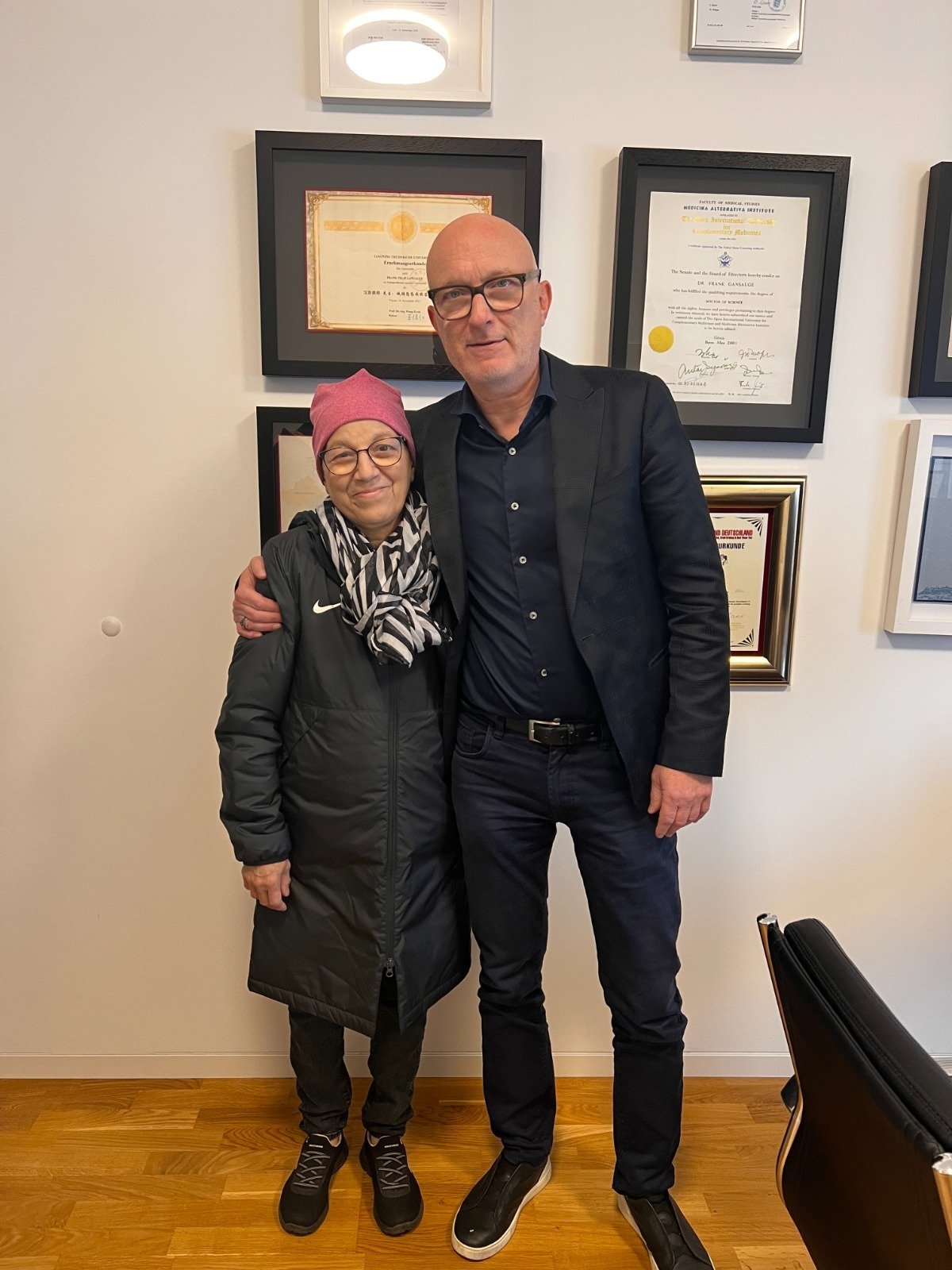
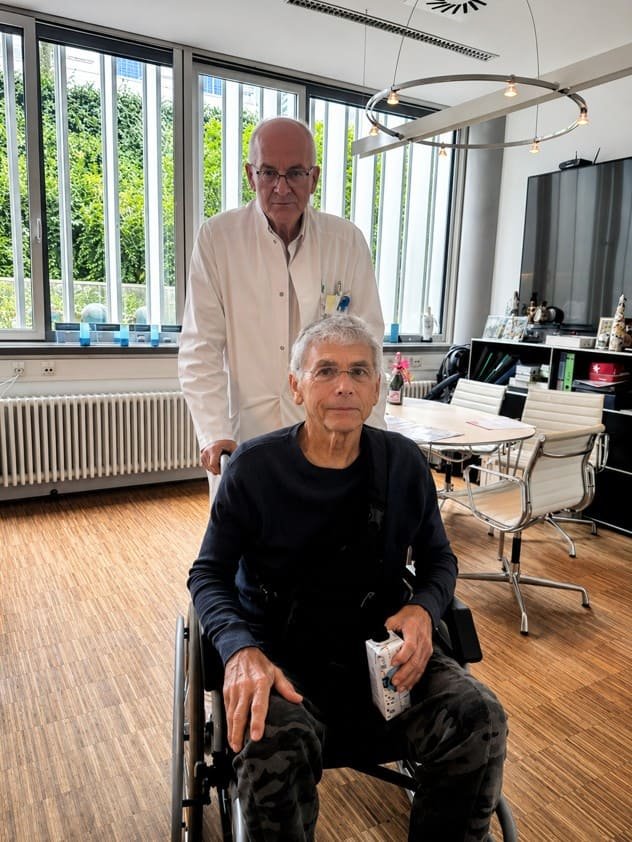
The final figure depends on the cancer type, the stage, and how many vaccine courses are needed. Cost of dendritic cell therapy in Germany is approximately €27,000 for an initial course, delivered by Prof. Gansauge at LDG Laboratories, which usually includes the laboratory production of the personalized vaccine, medical supervision, and follow-up. For patients comparing dendritic cell therapy in USA, Germany often combines lower cost with deep expertise and shorter waiting lists. Some patients also worry about hidden costs, which is why a clear, itemized estimate up front matters so much. TIG GmbH provides a clear, personalized cost breakdown with no hidden fees before any commitment to travel.
Where Can I Get Dendritic Cell Therapy in Germany?
A frequent question is simply where can I get dendritic cell therapy of a high standard. Germany is home to several university hospitals and specialized centers with deep experience in immunotherapy and oncology. The institutions below are widely respected and often sought by international patients looking for the best dendritic cell therapy clinic in Germany or related advanced care:

TIG GmbH works with leading oncology and immunotherapy centers across Germany and can help match each patient to the right facility for their specific diagnosis.
Can Dendritic Cell Therapy Be Combined With Other Cancer Treatments?
Dendritic-cell vaccination is increasingly being evaluated as part of combination treatment strategies. While the therapy can generate measurable immune responses on its own, clinical studies suggest that its effectiveness may be enhanced when combined with other anticancer treatments [7]. Approaches such as chemotherapy, radiotherapy, and immune checkpoint inhibitors may help modify the tumor microenvironment, improve antigen release, or reduce immune suppression, potentially supporting more effective antitumor immune responses. [5][6]. Common combinations explored in advanced immunotherapy in Germany include:
Immune checkpoint inhibitors, which block inhibitory signaling pathways such as PD-1/PD-L1 or CTLA-4 and can enhance T-cell activity against cancer cells[5].
Chemotherapy, which can reduce tumor burden and weaken its immune defenses [6].
Radiotherapy, which exposes tumor antigens for the immune system to recognize.
Personalized neoantigen approaches, which sharpen the vaccine's precision [5].
This combination strategy is central to cancer immunotherapy in Germany, where multidisciplinary teams design plans around each patient's tumor biology. To see how a tailored plan is built, you can read more about personalized cancer immunotherapy in Germany through our team.
Why Do International Patients Choose Germany?
Germany is recognized for its advanced oncology infrastructure, including GMP-certified laboratories, specialized cancer centers, and comprehensive regulatory oversight. These resources support access to a range of personalized cancer treatment approaches, including dendritic-cell–based immunotherapy. For patients considering innovative cancer treatment options in Germany, it is important to understand that eligibility, expected benefits, and treatment outcomes vary according to cancer type, disease stage, and overall clinical condition.
A few points are worth keeping in mind before deciding:
Available evidence suggests a favorable safety profile; however, treatment outcomes remain variable and no therapeutic response can be guaranteed[6].
It works best in combination with standard care, not as a replacement for it [8].
Suitability depends on the cancer type, stage, and the patient's immune health [5].
An independent specialist assessment helps set realistic, honest expectations.
International patients often need to coordinate medical records, specialist consultations, travel arrangements, and follow-up care alongside treatment planning.TIG GmbH manages records review, specialist matching, visa support, travel, and interpreter services, so patients can focus on their health.
References
Read More
Dendritic Cell immune-based therapy for cancer treatment in Germany
Dendritic Cell Therapy for Triple-Negative Breast Cancer (TNBC) in Germany
Advanced Colon Cancer Treatments with Dendritic Cell Therapy in Germany
Glioblastoma Treatment with Dendritic Cells in Germany
Dendritic Cell Therapy for Stage 4 Brain Cancer (Glioblastoma) in Germany

















.webp)
 (1).webp)

.webp)

.jpg)

 (1).webp)

.jpg)