
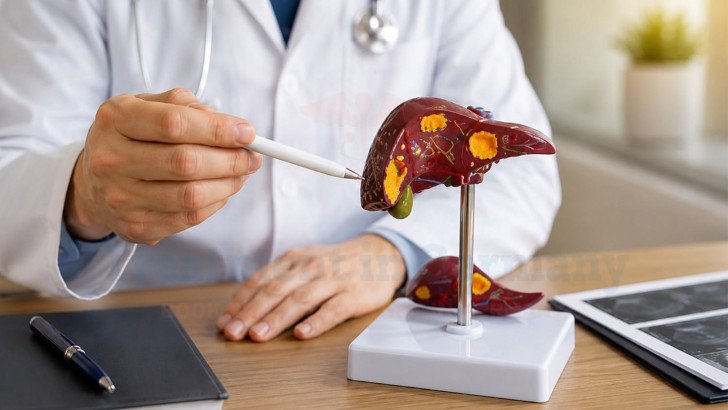
Liver tumours often grow unnoticed until the disease is already advanced. This article sets out the warning signs, from fatigue and abdominal pain to jaundice and ascites, and flags the symptoms that need urgent medical care. It also covers where tumours spread, how doctors confirm the diagnosis, realistic survival figures by stage, and the standard and innovative treatment options available at leading German centres for international patients.
Stage 4 Liver Cancer Symptoms and Treatment in Germany
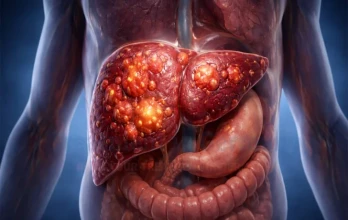
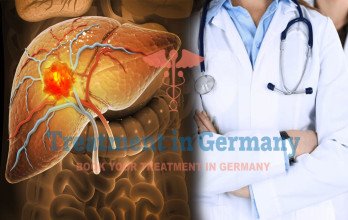
Stage 4 liver cancer is the most advanced stage of the disease, occurring when the cancer has spread beyond the liver or invaded nearby blood vessels. At this stage, symptoms often become more noticeable and may include persistent abdominal pain, jaundice, fatigue, weight loss, fluid build-up in the abdomen and loss of appetite. Recognising these symptoms promptly allows earlier assessment, better symptom management, and timely treatment planning.
Although stage 4 liver cancer cannot usually be cured, treatment in Germany may help control the disease, relieve symptoms, and improve quality of life for many patients through personalised care. An accurate diagnosis, careful staging, and an individualised treatment plan are essential when selecting the most appropriate approach. Germany offers access to multidisciplinary liver cancer teams, advanced systemic therapies, interventional oncology procedures and specialist centres experienced in managing complex cases.
If you are considering liver cancer treatment in Germany, TIG GmbH supports international patients throughout every stage of their journey, from an initial medical report review and specialist referrals to treatment coordination, travel arrangements, and follow-up care.
What Is Stage 4 Liver Cancer?
Unlike many cancers, liver cancer staging also considers liver function because it directly influences treatment decisions and prognosis. Understanding the staging system provides important context for the symptoms, treatment options, and prognosis discussed below.

How Doctors Classify Advanced Liver Cancer
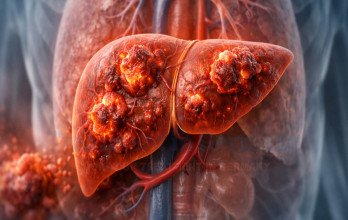
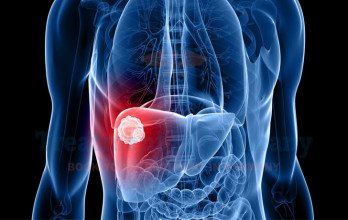
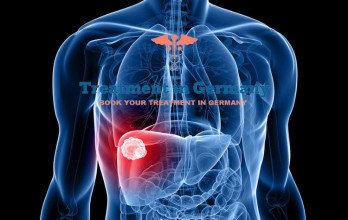
Stage 4 liver cancer means the tumour has moved beyond its origin, either into major blood vessels and neighbouring structures or into distant organs. Hepatocellular carcinoma (HCC) is the dominant type, making up 75% to 85% of all liver cancer cases and ranking as the third leading cause of cancer-related mortality worldwide [2].
Across Europe, clinicians classify liver cancer using the Barcelona Clinic Liver Cancer (BCLC) staging system, which is widely endorsed in Western countries [1]. Rather than relying on tumour size alone, it considers tumour burden, liver function, and the patient's overall fitness.

It is important to distinguish advanced primary liver cancer from secondary liver cancer (liver metastases). Secondary liver cancer develops when cancer starts in another organ and spreads to the liver. Although both conditions involve the liver, they are different diagnoses, and treatment is based on the type and origin of the primary cancer.
Why Stage 4 Liver Cancer Symptoms Often Appear Late
Delayed diagnosis remains one of the greatest challenges in hepatocellular carcinoma management. This is mainly due to the biological behaviour of the tumour and the liver's ability to maintain normal function despite significant disease.
Can Liver Cancer Develop Without Early Warning Signs?
Yes. Physical dysfunction and symptoms often do not occur in the early stages, and no disease-specific symptoms appear until the condition becomes severe and advanced [2]. With substantial functional reserve to draw on, the liver can compensate for a long time before failure becomes measurable.
As a result, many patients are diagnosed only after the disease has become advanced. Around 70% to 80% of individuals with HCC turn out to be ineligible for curative treatments by the time they are diagnosed [3]. Regular surveillance improves the likelihood of detecting liver cancer at an earlier stage. Abdominal ultrasound every six months remains the reference test for people at high risk, including anyone with cirrhosis of any cause [1].
Signs and Symptoms of Stage 4 Liver Cancer
Symptoms result from both tumour progression and declining liver function. The following sections describe the common symptoms, factors influencing symptom patterns, and the features of end-stage disease.
Most Common Symptoms of Advanced Liver Cancer
Fatigue, lack of energy, stomach or abdominal pain and distension, loss of appetite, change in taste, sleep disturbance, distress and sadness rank as the most prevalent symptoms reported in patients with hepatocellular carcinoma [2]. These symptoms commonly occur together rather than in isolation.

Researchers classify these symptoms into pain, gastrointestinal, neuropsychological, sensory and liver dysfunction clusters [2]. Persistent or worsening symptoms should be assessed promptly.
What Affects Stage 4 Liver Cancer Symptoms?
The pattern and severity of symptoms vary between individuals. Which complaints dominate depends on:
- Underlying liver disease: since HCC commonly sits alongside cirrhosis and chronic viral hepatitis, so failure symptoms overlap with cancer symptoms [5].
- Tumour location: because growths pressing on bile ducts or major vessels cause different trouble from those expanding outward.
- Extent of spread: as deposits elsewhere produce their own effects such as bone pain or breathlessness.
- Treatment received: given that concurrent symptoms relate to disease stage and therapy [2].
- Overall fitness: which shapes both symptom burden and which options remain open [1].
End-Stage Liver Cancer Symptoms
Abdominal pain, ascites, oedema, variceal haemorrhage, hepatic encephalopathy, fatigue, and cachexia commonly appear at the terminal stage [5]. Translated into everyday language, these liver cancer end-stage symptoms involve:
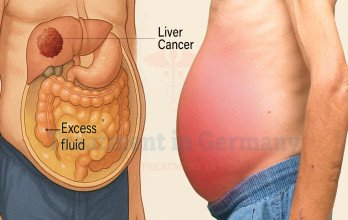
- Ascites: fluid collecting in the abdomen, causing swelling and discomfort.
- Oedema: swelling of the legs and ankles.
- Hepatic encephalopathy: confusion and drowsiness from toxins the liver can no longer clear.
- Variceal haemorrhage: bleeding from enlarged veins in the gullet or stomach.
- Cachexia: severe loss of weight and muscle, alongside deepening jaundice.
Increasing sleepiness, confusion, marked weight loss, and reduced food and fluid intake are the changes most often seen, and skilled palliative care eases nearly all of them.
When Stage 4 Liver Cancer Symptoms Need Emergency Care
Some symptoms require immediate medical assessment because they may indicate a serious complication rather than gradual disease progression.
Call for urgent help with:
- Vomiting blood or black, tarry stools, possible variceal bleeding [5].
- New confusion or excessive drowsiness, possible hepatic encephalopathy [5].
- Rapidly increasing abdominal swelling with pain or fever.
- Sudden severe abdominal pain, or fever with shaking chills.
- Deepening jaundice developing over days.
- Breathlessness at rest or new chest pain.
Prompt medical assessment may relieve symptoms, prevent complications, and improve quality of life.
How Stage 4 Liver Cancer Spreads and Its Causes
Tumour cells spread through the bloodstream and lymphatic system, and symptoms depend on the organs affected.
Among 3,126 people with distant metastasis of hepatocellular carcinoma in a SEER database analysis, the lung proved the most common destination [4].

Both the number and location of metastatic sites influence prognosis. Single-organ metastasis carries a better prognosis than multi-organ spread, itself an independent factor for poor outcome [4].
How Is Advanced Liver Cancer Diagnosed?
Diagnosis is primarily based on imaging, while biopsy is reserved for selected situations. Accurate staging guides treatment selection and prognosis.
Tests Used to Diagnose Advanced Liver Cancer
This is one of the few solid tumours that can be identified without a biopsy. Lesions of 1 cm or larger showing arterial phase hyperenhancement with washout on portal venous or delayed phases of contrast-enhanced multiphase CT or MRI count as HCC without histological confirmation in patients with cirrhosis [1].
Core investigations include:
- Multiphasic CT or dynamic contrast-enhanced MRI, enabling non-invasive diagnosis where specific imaging criteria are met.
- Biopsy, required without cirrhosis or at-risk chronic hepatitis B infection.
- Alpha-fetoprotein (AFP), a blood marker read alongside imaging.
- Liver function assessment, evaluated beyond the conventional Child-Pugh score.
- Staging scans of chest and abdomen to map any spread.
Tissue analysis brings an extra benefit, since it enables molecular characterisation and identification of potential therapeutic targets [1]. A liver cancer second opinion in Germany therefore reviews imaging and pathology together before anything is decided.
Stage 4 Liver Cancer Survival Rate and Life Expectancy

Published survival statistics describe outcomes across patient populations and cannot predict an individual patient's prognosis. Stage at diagnosis still exerts the strongest pull on outcome.
Five-year survival sits at approximately 20% overall, including 13% for regionally advanced disease and 3% once spread reaches distant organs [3]. These figures provide an overall estimate of the prognosis for stage 4 liver cancer.Looking specifically at metastatic HCC, one-year survival reached 14.0% with bone deposits, 16.0% with brain deposits, and 12.6% with lung deposits, while three-year figures were 1.6%, 0%, and 3.3% [4].
Independent influences on stage 4 liver cancer life expectancy include:
- Age: with 52 years or older an independent factor for poor prognosis.
- Sex and tumour differentiation: since male sex and low differentiation also count independently.
- Tumour size: where measurements above 6 cm predict poorer outcomes.
- Number of organs involved: as multi-organ spread worsens survival.
- Therapy received: given that absence of primary surgery and of chemoradiotherapy were both independent factors for poor prognosis.
These findings highlight the importance of specialist assessment, even in advanced disease. Appropriate treatment may still improve symptom control, quality of life, and survival in selected patients.
Stage 4 Liver Cancer Treatment in Germany

Treatment focuses on controlling the disease, preserving liver function, relieving symptoms, and maintaining quality of life. Options divide between established standards and additional approaches available at selected centres.
Standard Liver Cancer Treatment Options
Managing this cancer demands a multidisciplinary approach, usually multimodal and built around individual characteristics, liver function, and tumour stage [1].
- Systemic therapy, offered in advanced disease to those with ECOG performance status 0 to 1 and Child-Pugh class a liver function [1].
- Immunotherapy, now the first-line standard. In the phase III HIMALAYA trial, durvalumab plus tremelimumab beat sorafenib on overall survival, at 16.4 versus 13.8 months (HR 0.78) [6]. Atezolizumab plus bevacizumab is another advised first-line option, and IMbrave150 patient-reported outcomes showed clinically significant gains in quality of life, functioning, and disease symptoms [6].
- Targeted drugs, using tyrosine kinase inhibitors such as sorafenib or lenvatinib where checkpoint blockade is unsuitable [6].
- Surgery and transplantation, since operating remains the only curative route and anatomical resection is the gold standard for early disease with preserved liver function [1]. Liver transplantation for liver cancer in Germany applies to selected candidates meeting defined criteria, not to widespread disease.
- Palliative and supportive care, managing ascites, pain, encephalopathy and nutrition alongside active therapy.
Conventional chemotherapy for liver cancer stage 4 plays a narrower role in HCC than in many other tumours, as checkpoint inhibitors and targeted agents have largely displaced it first-line [6].
Advanced Treatment Options Available in Germany
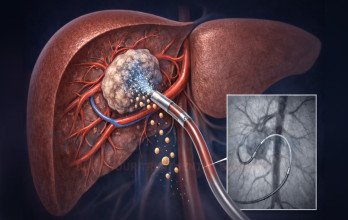
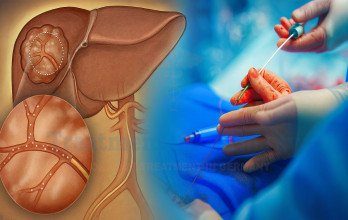
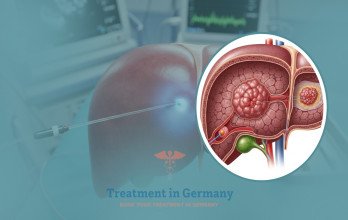
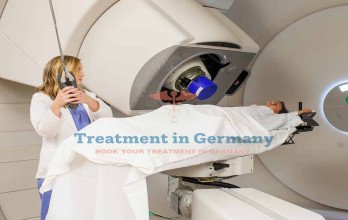
Some specialist centres also offer additional treatment approaches for selected patients. These treatments are considered only for selected patients and are used alongside standard care rather than replacing it.Transarterial chemoembolization (TACE) delivers chemotherapy directly into the arteries supplying the tumour before blocking those blood vessels. This cuts off the tumour's blood supply while keeping a high concentration of chemotherapy within the cancer, making TACE the standard treatment for many patients with intermediate-stage hepatocellular carcinoma (HCC) [7].

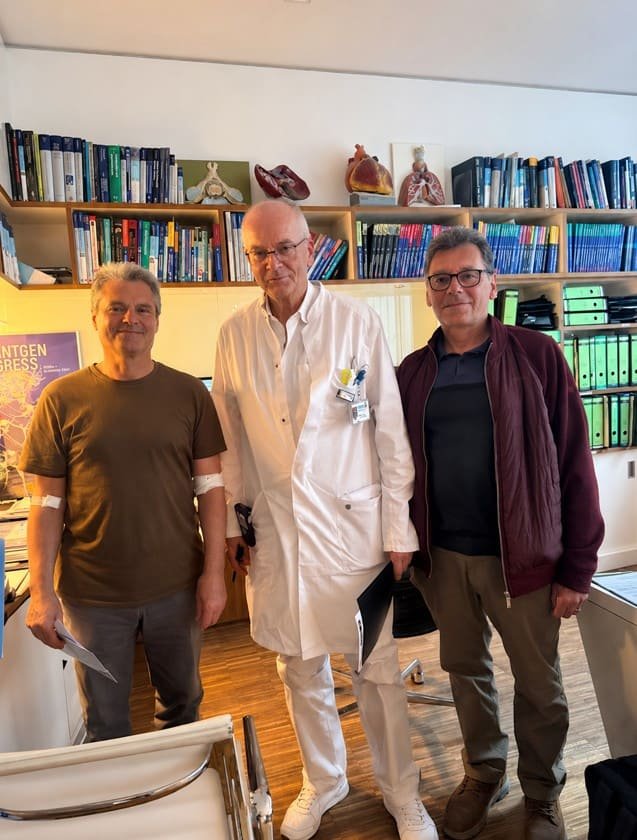
German centres provide this treatment through experienced interventional radiologists such as Prof. Vogl at University Hospital Frankfurt, who specialises in image-guided regional cancer therapies for liver tumours.

Dendritic cell therapy uses a different therapeutic approach. Immune cells are collected from the patient's blood and developed into dendritic cells in a specialised laboratory. These cells are then exposed to tumour-associated antigens and returned to the patient, where they help activate T cells to recognise and attack liver cancer cells. Early clinical studies suggest that dendritic cell vaccines may improve the body's anti-tumour immune response and are being investigated as a personalised immunotherapy for hepatocellular carcinoma (HCC), either alone or in combination with other anticancer treatments [8].

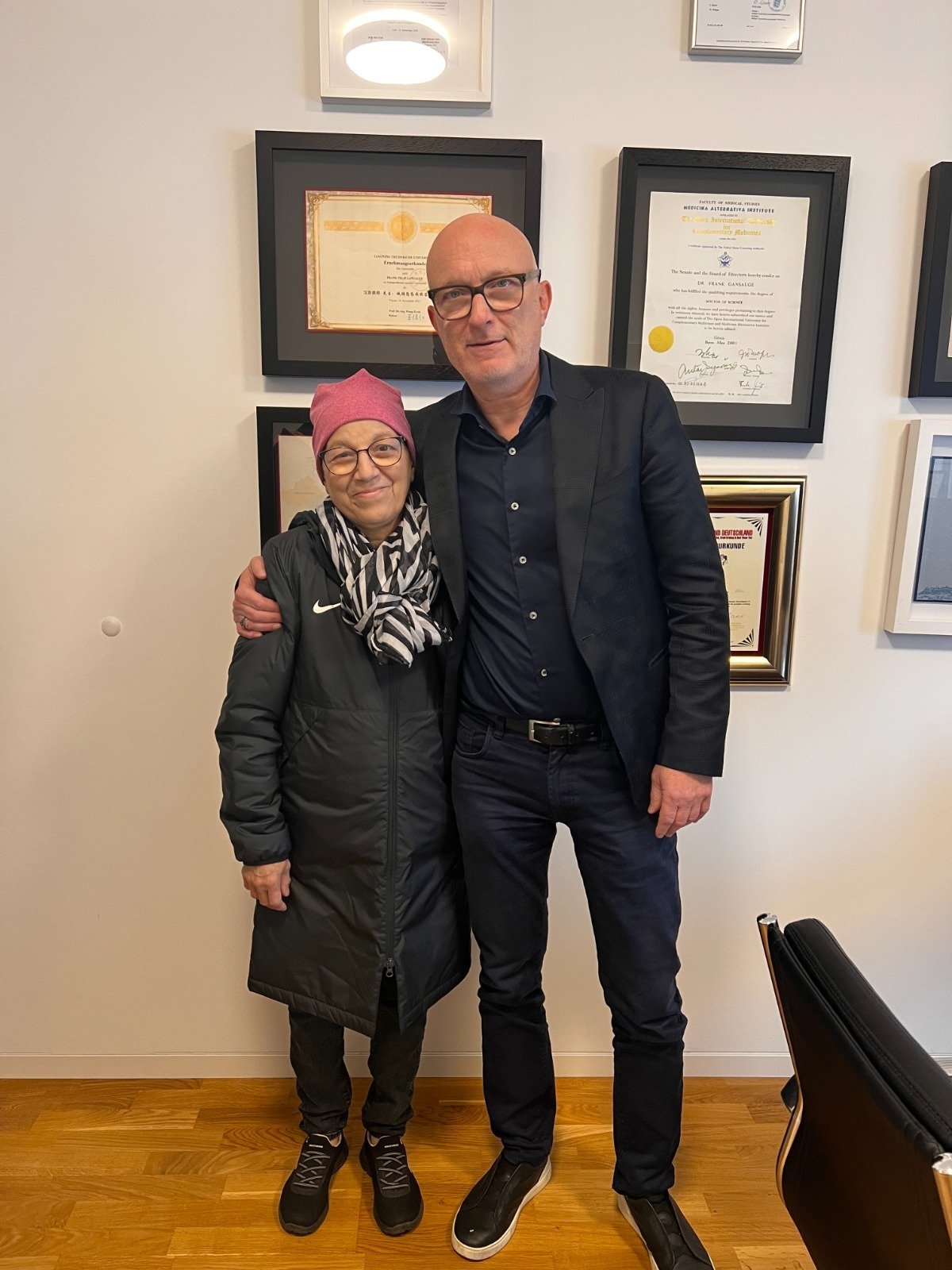
Dendritic cell therapy for liver cancer in Germany is provided by Prof. Gansauge at LDG Laboratories, who specialises in personalised dendritic cell immunotherapy and cellular cancer treatments

Why Choose Germany for Advanced Liver Cancer Care?
High-volume hepatobiliary surgery, transplant programmes, interventional radiology and systemic therapy sit within coordinated academic centres here. Multidisciplinary tumour boards agree each plan before treatment starts.
Liver Cancer Centres in Germany
Six university hospitals with dedicated hepatobiliary programmes are outlined below, along with what sets each apart.

The most appropriate treatment centre depends on the diagnosis, liver function, disease stage, and available treatment options. A liver cancer specialist in Germany evaluates these factors before recommending the most appropriate treatment centre and care plan.
How International Patients Access Liver Cancer Treatment in Germany
International treatment requires coordinated medical and administrative planning to support patients throughout their care:
- Medical report review, so specialists can judge suitability before travel is booked.
- Second medical opinion, confirming diagnosis, staging and imaging with a hepatobiliary specialist.
- Medical visa assistance, covering documentation and invitation letters.
- Interpreter support, so language never becomes a barrier.
- Treatment coordination, aligning appointments, procedures and follow-up.
Together, these services support a smoother liver cancer treatment journey for international patients in Germany while reducing delays between each step.
Why Choose TIG for Liver Cancer Care in Germany?
Coordinated support helps international patients manage both the medical and logistical aspects of treatment in Germany.TIG GmbH helps international patients approach advanced liver cancer treatment in Germany with clarity and organised support, working alongside treating specialists rather than replacing medical advice. Report review, specialist matching, appointment scheduling, travel logistics, interpreter services, and follow-up are all arranged. Most journeys begin with a medical report review.
Step by Step Patient Journey in Germany
The treatment journey generally follows a structured sequence from the initial consultation to follow-up care:
- Medical report review, where specialists assess records and imaging before travel.
- Specialist consultation, confirming staging, organ function, and suitability.
- Diagnostic work-up, including multiphasic imaging and biopsy where needed.
- Treatment planning by a multidisciplinary tumour board.
- Standard therapy, which may include systemic, targeted, or immune treatment.
- Additional options such as TACE or a dendritic cell vaccine for eligible patients.
- Supportive care and follow-up monitoring, continuing after the return home.
The process typically begins with a medical report review, after which TIG GmbH coordinates each stage of the patient's treatment journey.
References
Why Patients Worldwide Prefer Our Medical Services in Germany – Key Benefits Explained



















.webp)
 (1).webp)

.webp)

.jpg)

 (1).webp)

.jpg)