
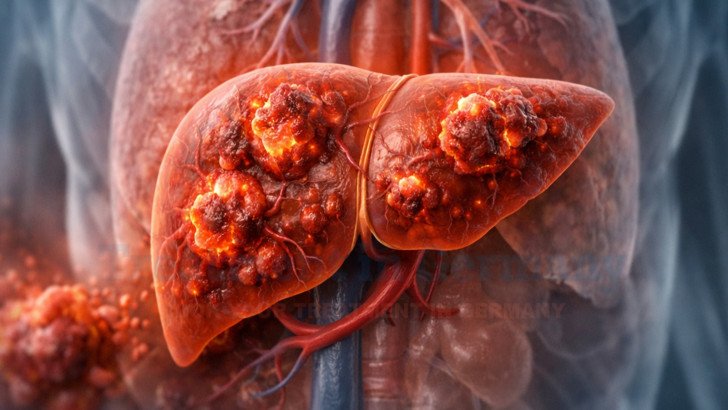
Learn about treatment options and advanced therapies for liver metastases, including TACE treatment and dendritic cell immunotherapy in Germany, with structured diagnostics, and international patient support through TIG.
Treatment Options and Advanced Therapies for Liver Metastases
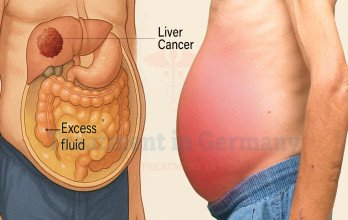
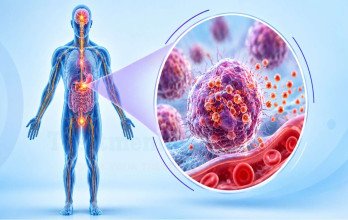
Liver metastases occur when cancer cells spread from a primary tumor in another organ and establish secondary growths in the liver. Because the liver plays a critical role in metabolism, detoxification, and blood regulation, metastatic involvement requires carefully coordinated medical planning rather than isolated treatment decisions. Management focuses on controlling tumor activity, preserving liver function, and supporting overall quality of life.
Many international patients choose German cancer treatment pathways because of the country’s structured oncology systems, regulated clinical standards, and multidisciplinary evaluation processes. Treatment planning is guided by experienced oncology teams with clearly defined areas of expertise, including interventional oncology programs led by Prof. Vogl, an expert in image-guided embolization and chemoembolization procedures, and advanced immune-based treatment programs associated with Prof. Gansauge, known for his focused work in cell-based cancer immunotherapy. International patients receive coordinated care with complete logistical assistance through Treatment in Germany (TIG) at www.treatmentingermany.de , ensuring a structured and supported treatment journey.
Understanding Liver Metastases

Liver metastases are not classified as primary liver cancer. Instead, they represent advanced-stage disease originating from cancers such as colorectal, breast, pancreatic, gastric, or neuroendocrine tumors. Treatment strategies are therefore based on the biology and behavior of the original cancer rather than treating the liver as an isolated organ.
As metastatic disease progresses, patients may experience fatigue, appetite loss, abdominal discomfort, or symptoms related to reduced liver function. In advanced stages, management goals shift toward long-term disease control and symptom reduction rather than surgical removal alone. This is why treatment planning within German oncology centers emphasizes continuous reassessment rather than fixed protocols.
Cancers That Commonly Metastasize to the Liver
Several solid tumors have a higher tendency to metastasize to the liver due to blood flow patterns and tumor biology. Common examples include colorectal cancer, breast cancer, pancreatic cancer, gastric cancer, and certain neuroendocrine tumors. Each cancer type behaves differently once it reaches the liver, which is why therapy selection must be individualized.
Doctors assess how many liver lesions are present, how active they are, and whether one area of the liver is contributing disproportionately to symptoms. This evaluation helps determine whether liver-directed therapies are appropriate alongside systemic treatment.
Diagnostic Evaluation in Germany
Accurate assessment is essential before advanced therapy is considered. In German cancer treatment pathways, diagnostic planning relies on detailed imaging and clinical evaluation. This typically includes Diagnostics such as CT scans, MRI, PET scans, which allow specialists to map tumor location, size, and activity.
These imaging tools help determine whether localized therapies such as embolization are appropriate or whether immune-based approaches may be better suited. Patients often value this diagnostic clarity, particularly when treatment decisions involve advanced disease.
Why International Patients Choose Treatment in Germany
Germany is widely trusted for advanced oncology treatment because of its transparent treatment planning and regulated medical systems. Patients seeking treatment at German healthcare centers benefit from coordinated multidisciplinary input rather than fragmented decision-making.
Many international patients also look for access to the best oncologist in Germany, especially when dealing with complex metastatic disease. Germany’s emphasis on structured diagnostics, careful therapy selection, and ongoing monitoring reduces uncertainty and supports informed decision-making.
Advanced Treatment Options for Liver Metastases in Germany
Treatment for liver metastases is often multi-modal. In selected patients, liver-directed therapies are evaluated to control dominant lesions, while systemic or immune-based treatments address disease elsewhere in the body. Among the most discussed innovative treatment options for liver metastasis in Germany are interventional oncology procedures and personalized immunotherapy.
TACE Treatment for Cancer with Liver Metastases in Germany

TACE Treatment for cancer with liver metastases is a liver-directed interventional oncology procedure evaluated when metastatic tumors in the liver significantly influence disease progression or symptoms. The treatment focuses on controlling active liver lesions while preserving as much healthy liver function as possible.
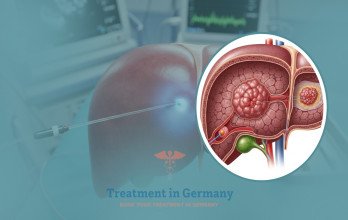
The procedure works by delivering chemotherapy directly into the blood vessels supplying the liver tumors, followed by embolic agents that blocks the blood flow to the tumor area. This dual approach allows chemotherapy to remain concentrated within the tumor while limiting oxygen and nutrient supply, which may slow tumor activity.
Before treatment, doctors carefully review imaging and liver function to determine suitability. During the procedure, a catheter is guided under imaging control to the tumor-feeding vessels, where chemotherapy and embolic material are administered. Patients are monitored afterward, and follow-up imaging helps assess response and plan additional sessions if needed. The cost of TACE Treatment in Germany generally ranges between €8,000 and €9,000 per session, depending on individual planning.
Immunotherapy Dendritic Cell Therapy for Liver Metastases

Immunotherapy Dendritic cell therapy is a personalized immune-based approach evaluated for patients with metastatic disease, including liver involvement. Rather than directly destroying tumors, this therapy focuses on supporting immune recognition of cancer-related markers.
The process begins with a medical suitability review. A blood sample is collected, and immune cells (monocytes) are isolated and processed in an EU-GMP-certified laboratory. These cells are trained using tumor-specific antigens so they can support immune signaling once administered back to the patient.
The prepared cells are given as a personalized dendritic cell vaccine, usually by injection. Patients are monitored throughout the treatment course, and therapy is integrated into a broader disease-management strategy. The cost of Immunotherapy Dendritic Cell Therapy in Germany generally ranges between €24,000 and €26,000, covering immune cell collection, laboratory processing, vaccine preparation, and administration.
Combining Treatment Approaches for Liver Metastases
In many cases, doctors evaluate whether combining liver-directed therapy with immune-based treatment may help stabilize disease. German oncology teams carefully assess timing and sequencing to ensure therapies complement each other rather than overlap unnecessarily.
This integrated approach reflects why patients often choose Germany cancer treatment, where coordination between specialties is a standard part of treatment planning rather than an exception.

Role of Cancer Clinical Trials and Ongoing research
Some patients with liver metastases may be evaluated for new and ongoing cancer clinical trials research pathways depending on eligibility criteria such as tumor type, treatment history, and overall health. Participation is determined through formal medical review and ethical oversight.
While not every patient is eligible, Germany’s research-driven environment contributes to the continuous refinement of advanced cancer care.
International Patient Support through Treatment in Germany
Navigating treatment abroad can be complex, especially for advanced disease Treatment in Germany (TIG) at www.treatmentingermany.de provides end-to-end coordination for international patients, including medical appointments, hospital communication, travel planning, and documentation support. This structured coordination allows patients to focus on treatment rather than logistics.
🌍Why Patients Worldwide Prefer Our Medical Services in Germany – Key Benefits Explained:































.webp)
 (1).webp)

.webp)


.jpg)

 (1).webp)

.jpg)