

Innovative solutions for liver cancer and liver metastases treatment in Germany including TACE therapy and dendritic cell immunotherapy with complete logistical support through TIG.
Advance Liver Cancer Treatment in Germany: Stage 4 HCC & Cholangiocarcinoma
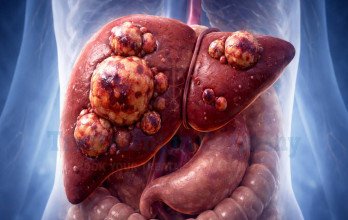
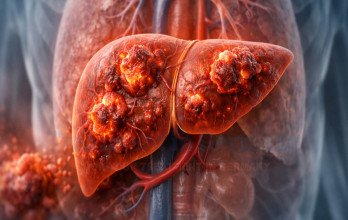
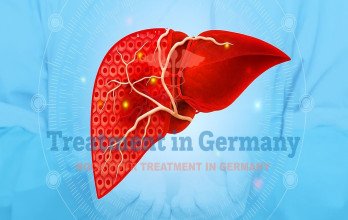
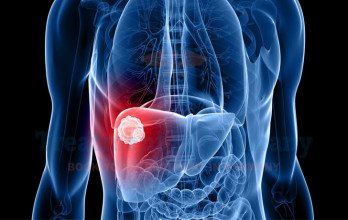
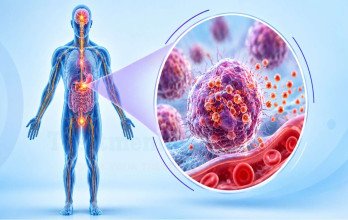
Liver cancer and liver metastases are complex conditions that require specialized care and precise treatment planning. For patients with Stage 4 Hepatocellular Carcinoma (HCC), targeted treatments can help manage disease progression and improve quality of life. Those diagnosed with bile duct cancers often consider Cholangiocarcinoma treatment in Germany, where advanced therapies and multidisciplinary care are available. Exploring liver cancer treatment options in Germany gives patients access to cutting-edge procedures, clinical trials, and expert oncology teams. Primary liver cancer develops within the liver itself, while liver metastases occur when cancer from another organ spreads to the liver. Because liver tumors may remain asymptomatic in early stages, many patients begin researching these advanced treatments after imaging or diagnostic tests detect abnormalities.
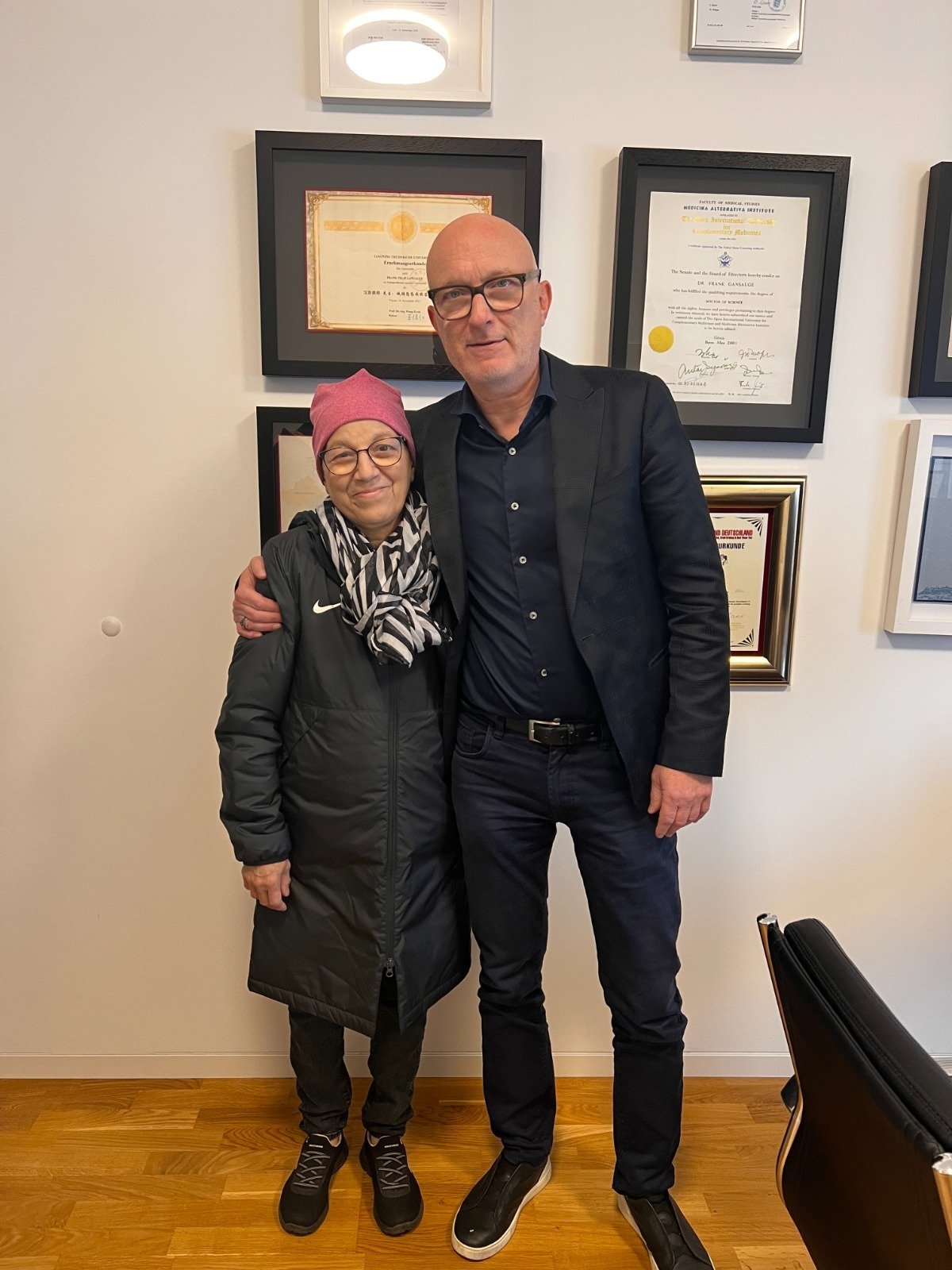
Germany has become an important destination for patients seeking new and innovative treatment options for liver cancer. Treatment planning takes place within specialized German healthcare centers and German oncology centers where each case is reviewed by experienced oncology teams. Interventional oncology procedures are associated with Prof. Vogl, known for advanced image-guided cancer therapies, while immune-based therapies such as dendritic cell therapy are linked to Prof. Gansauge, recognized for his focused work in cellular immunotherapy. Many international patients consult experienced German specialists because of access to the latest medical technology in Germany and coordinated programs offering affordable treatment in Germany for international patients.
Symptoms and Clinical Signs of Liver Cancer
Recognizing early warning signs may help patients seek medical evaluation sooner. The early symptoms of liver cancer may initially appear subtle and can resemble common digestive or metabolic conditions. Patients may experience fatigue, unexplained weight loss, abdominal discomfort, or loss of appetite. In some individuals diagnosed with early stage liver cancer, symptoms may be mild or even absent, which can delay diagnosis until imaging tests are performed for other reasons.
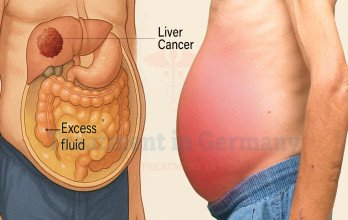
As the disease progresses, additional symptoms may appear including persistent abdominal pain, nausea, or a feeling of fullness after small meals. In more advanced cases, symptoms may also be associated with liver metastases or spread of cancer from another organ. Because these symptoms are not always specific, physicians rely on imaging studies and diagnosis tests for liver cancer such as CT, MRI, or and PET scans to confirm the disease and evaluate tumor spread.
Diagnostic Evaluation and Imaging
Accurate diagnosis requires several diagnostic procedures for liver cancer to determine tumor origin and disease stage. Treating physicians typically begin with blood tests, tumor marker evaluation, and imaging studies. Imaging technologies help determine tumor size, number of lesions, and possible metastasis.
Advanced imaging tools such as CT, MRI, and PET scans play a crucial role in identifying liver tumors and assessing the extent of disease. In Germany, these diagnostic procedures are supported by the latest medical technology in Germany, allowing specialists to obtain highly detailed images for precise treatment planning. Diagnostic findings are evaluated within multidisciplinary meetings at a German oncology centers, where specialists design individualized therapy strategies.
Types of Liver Cancer

Several forms of liver cancer may occur depending on the type of cells involved. Identifying the tumor type is important because it influences treatment decisions and expected disease behavior.
Hepatocellular Carcinoma
Hepatocellular carcinoma in Germany is the most common form of primary liver cancer and develops from liver cells called hepatocytes. It is often associated with chronic liver disease or cirrhosis.
Cholangiocarcinoma
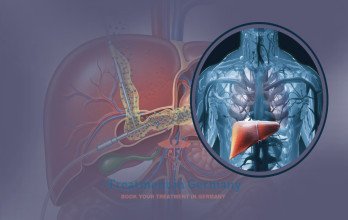
Cholangiocarcinoma in Germany develops in the bile ducts that transport bile from the liver to the small intestine. This cancer may occur within the liver or in bile ducts outside the liver.
Secondary Liver Cancer (Liver Metastases)
Secondary liver cancer in Germany occurs when cancer from another organ such as the colon, stomach, or pancreas spreads to the liver. These metastatic tumors are often treated as part of systemic cancer management.
TACE Treatment for Liver Cancer in Germany

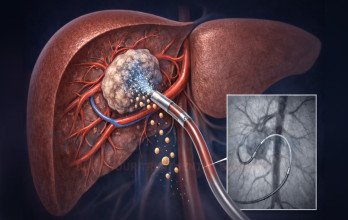
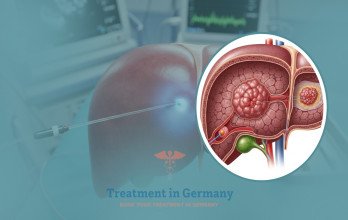
Transarterial Chemoembolization (TACE) for Liver Cancer in Germany is a specialized interventional oncology technique used to treat liver tumors by delivering chemotherapy directly to tumor-supplying blood vessels. This targeted therapy allows physicians to concentrate anticancer medication within the tumor region while limiting systemic exposure to chemotherapy drugs. TACE is frequently evaluated in patients with primary liver cancer or liver metastases when localized tumor control is required.
During the procedure, a catheter is inserted through an artery in the groin and carefully guided toward the blood vessels supplying the tumor. Once positioned correctly, chemotherapy medication is infused into the targeted circulation followed by embolic material that blocks the blood flow feeding the tumor. This dual mechanism helps increase the effect of chemotherapy while limiting the tumor’s supply of oxygen and nutrients.
After treatment, patients undergo monitoring to evaluate treatment response and manage recovery. Imaging reassessment using CT, MRI, and PET scans helps determine whether additional sessions may be beneficial. Some patients may experience temporary fatigue or mild abdominal discomfort following the procedure. The cost of TACE Treatment in Germany typically ranges between €8,000 and €9,000 per session depending on clinical complexity.
Immunotherapy Dendritic Cell Therapy for Liver Cancer in Germany

Dendritic cell therapy is an immune-based treatment designed to enhance the body’s ability to recognize and attack cancer cells. This therapy involves preparing a dendritic cell cancer vaccine using immune cells collected from the patient’s blood. Dendritic cells act as immune regulators that present tumor antigens to T-cells, enabling the immune system to identify malignant cells more effectively.
The treatment process begins with the collection of immune cells from the patient’s blood under medical supervision. These cells are processed in an EU GMP certified laboratory, where they are exposed to tumor antigens derived from liver cancer cells. Through controlled laboratory preparation, the cells develop into active dendritic cells capable of stimulating targeted immune responses.
Once prepared, the cells are administered back to the patient as a personalized dendritic cell vaccine. Several dendritic cell therapy benefits include enhanced immune recognition of cancer cells and potential support for systemic disease control. Physicians also monitor patients for dendritic cell therapy side effects, which may include mild fatigue or temporary immune reactions. The dendritic cell therapy recovery time varies depending on patient health and treatment schedule. The cost of Dendritic Cell Therapy in Germany is €27,000, covering immune cell collection, laboratory processing, preparation, and administration. This cellular immunotherapy remains investigational and is considered in highly selected patients within regulated clinical programs
Survival Outlook and Treatment Considerations
When discussing treatment outcomes for liver cancer and liver metastases, physicians consider several clinical factors including tumor type, number of lesions, and overall liver function. Early detection and localized disease may provide more treatment options, while advanced disease requires carefully coordinated management strategies.
For patients with metastatic liver involvement, treatment strategies often focus on controlling tumor growth and maintaining quality of life. Modern oncology programs combine interventional procedures and immune-based approaches to stabilize disease progression and manage symptoms effectively.
New Clinical Trials for Liver Cancer in Germany
Germany also supports structured oncology research programs where emerging therapies for liver cancer are evaluated under strict medical regulations. Some patients with advanced disease may be considered for new clinical trials for metastases liver cancer in Germany, depending on tumor characteristics and prior treatments.
Clinical trials investigate innovative treatment strategies including advanced immunotherapy and targeted therapies. Participation is based on specific eligibility criteria, and physicians carefully evaluate whether clinical research participation may be appropriate for a patient.
Limitations and Considerations
Not all patients are candidates for interventional or immune-based therapies. Eligibility depends on tumor stage, liver function, immune competence, and overall clinical stability. In certain situations, systemic therapy or supportive care may remain the most appropriate treatment approach.
Continuous monitoring using CT, MRI, and PET scans remains essential to evaluate treatment response and detect disease progression. Treatment strategies focus on controlling tumor growth and preserving quality of life rather than guaranteeing cure.
International Patient Support through Treatment in Germany (TIG)
For international patients, planning liver cancer treatment abroad can involve multiple challenges, including medical report review, hospital coordination, scheduling, travel planning, lodging, and documentation. These steps can be difficult for families already under stress. That is why structured support becomes essential. TIG (Treatment in Germany) at www.treatmentingermany.de ensures seamless coordination and manages complete logistical arrangements for international patients, including travel, lodging, and medical visa for international patients (if required).This support helps patients focus on treatment rather than administrative challenges.
Patients may also get a free consultation with TIG (Treatment in Germany) to receive individualized guidance and coordinated access to specialized oncology centers.
Why Patients Worldwide Prefer Our Medical Services in Germany – Key Benefits Explained





























.webp)
 (1).webp)

.webp)


.jpg)

 (1).webp)

.jpg)