
Families often note that the cost of treatment in Germany for international patients is significantly lower compared to home countries while maintaining world-class quality.
Germany is widely recognized for excellence in Osteosarcoma treatment, offering world-class cancer care supported by cutting-edge technologies and patient-focused programs.

Neuroendocrine Tumors (NETs) are rare cancers that develop from neuroendocrine cells, which are responsible for producing hormones that regulate body functions.
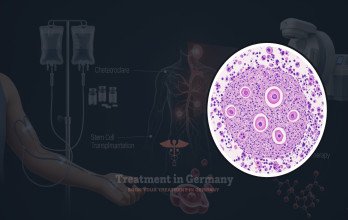
The disease causes abnormal growth of lymphocytes, a type of white blood cell, leading to swelling in the lymph nodes and reduced immune function.
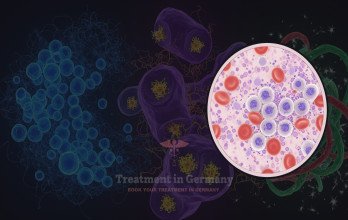
Acute Lymphoblastic Leukemia (ALL) is a type of blood and bone marrow cancer that affects the production of white blood cells. Early symptoms include fatigue, frequent infections, easy bruising, bleeding, bone pain, and fever.
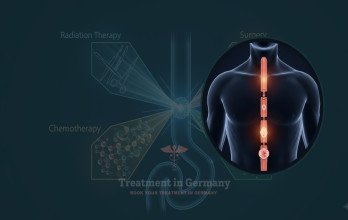
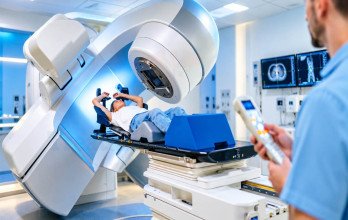
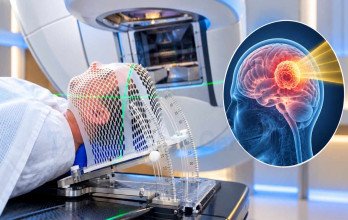
German clinics combine innovative options such as TACE therapy and Dendritic Cell Therapy in Germany, with established treatments like surgery, chemotherapy, radiation therapy, and targeted drugs.

Bladder Cancer is one of the most common urological cancers, affecting both men and women, with a higher incidence in men over the age of 55.
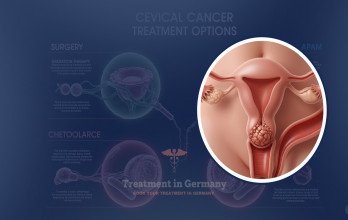
Cervical Cancer is a common gynecological cancer that develops in the cells lining the cervix, the lower part of the uterus. It primarily affects women between the ages of 30 and 55

Gallbladder Cancer is a rare but aggressive cancer that develops in the gallbladder’s lining, often diagnosed at advanced stages due to limited early symptoms.

Early symptoms may include frequent urination, pelvic discomfort, weak urine flow, or blood in the urine. Because these signs are often similar to other urinary conditions, diagnosis is sometimes delayed.
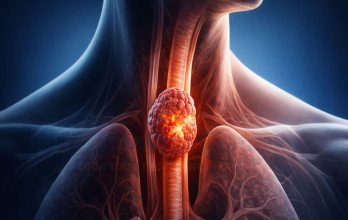
Esophageal cancer is a serious condition that develops in the inner lining of the esophagus, affecting the normal passage of food from the mouth to the stomach and gradually interfering with swallowing and digestion.

Endometrial Cancer, also known as Uterine Cancer, develops in the lining of the uterus. It is one of the most common gynecological cancers, especially in women after menopause.
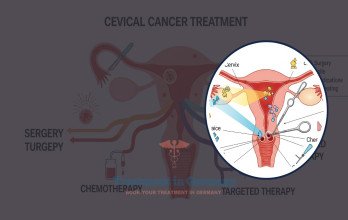
Cervical Cancer is a serious gynecological disease that develops in the cervix and often goes undetected until advanced stages because early symptoms such as pelvic pain, abnormal bleeding, and fatigue are vague

Bladder Cancer is one of the most common urological cancers, developing in the lining of the bladder. It is more frequent in men but can affect both genders, especially in people over the age of 55.

Ovarian Cancer is a serious gynecological disease that develops in the ovaries and often goes undetected until advanced stages because early symptoms such as bloating, abdominal pain.

Our benefits:

.webp)
 (1).webp)

.webp)


.jpg)

 (1).webp)

.jpg)