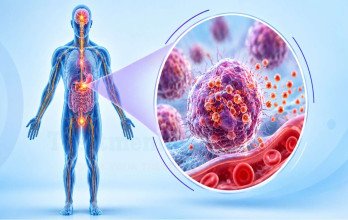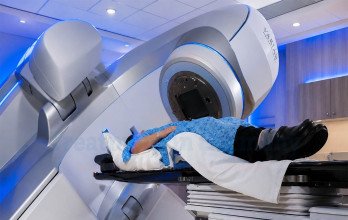

Stage 4 advanced liver cancer spreads to distant organs such as the lungs or bones. This aggressive disease resists standard treatments like surgery or systemic chemotherapy.

International patients access these seamlessly through support of TIG including coordination and complete logistic arrangements, ensuring a compassionate journey.

German healthcare centers lead the way, offering advanced therapies that target tumors while preserving quality of life

German healthcare centers lead this charge, offering advanced immunotherapies like Dendritic Cell Therapy for Lung Cancer to international patients.

Accurate diagnosis fuels successful outcomes in colon cancer care. In 2025, German healthcare centers employ advanced colonoscopy systems with enhanced imaging to detect polyps with unmatched precision.

International patients benefit from streamlined access through support of TIG for Coordination and complete logistic arrangements for international patients, ensuring a seamless treatment journey.

Cancer treatment demands a comprehensive approach to tackle both physical tumors and emotional challenges, making integrated therapies vital for patient outcomes.

Dendritic cell therapy, an innovative treatment, empowers the body to fight cancer by enhancing its natural immune response, offering hope to patients with cancers like melanoma, glioblastoma, or prostate cancer.
Cancer affects millions worldwide, but in Germany, dendritic cell therapy offers a beacon of hope for patients battling various types, strengthening the immune system to fight back effectively.
Cancer treatment has advanced significantly, with dendritic cell therapy offering a precise, personalized alternative to traditional chemotherapy.

Germany stands as a global leader in delivering this innovative treatment, attracting international patients to its advanced German healthcare centers for personalized, effective care.

Germany emerges as a global leader in delivering this innovative treatment, attracting international patients who seek advanced care in its world-renowned German healthcare centers

Affordable treatment in Germany for international patients attracts global seekers, facilitated by TIG (Treatment in Germany), which expertly manages logistics, including medical visa for international patients (if required).

This highly personalized immunotherapy is performed at specialized German healthcare centers offering advanced care for international patients specially from the USA, Canada, Australia, and the UK.

Germany has become a hub for cancer innovative treatments in Germany, attracting international patients specially from the USA, Canada, Australia, and the UK.


Our benefits:
.webp)
 (1).webp)

.webp)


.jpg)

 (1).webp)
.jpg)