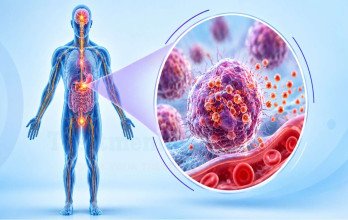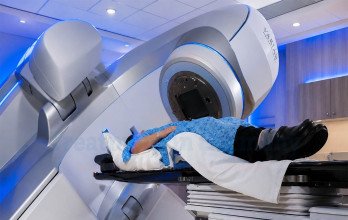

Astrocytoma is a type of brain tumor that develops from astrocytes, which are star-shaped support cells in the brain and spinal cord. These tumors can be low-grade.

Osteosarcoma is a rare but aggressive type of bone cancer. It usually develops in the long bones of the legs or arms and can spread quickly, most often to the lungs.

Pelvic cancer is a serious disease that needs advanced, well coordinated medical care. Germany has become a preferred destination for patients looking for both traditional and innovative approaches to treatment.
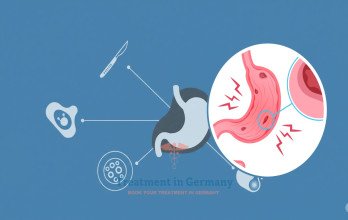
Germany is a leading destination for patients looking for advanced diagnostic systems, targeted treatment methods, and experienced oncology teams. The goal is to control tumor growth, reduce symptoms, and improve quality of life.
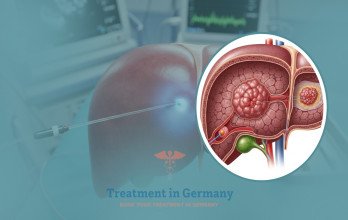
Liver cancer is a complex disease that requires targeted and effective treatment. Treatment in Germany combines advanced medical technology, precision medicine, and internationally recognized specialists.
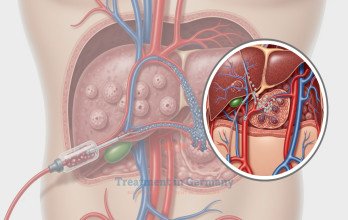
Colorectal cancer with liver metastases is one of the most challenging conditions in oncology. When cancer spreads from the colon or rectum to the liver, it requires treatments that are precise and targeted.
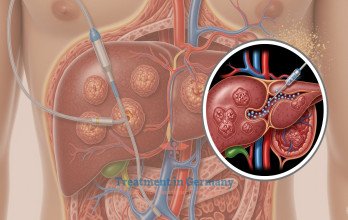
Neuroendocrine tumors (NETs) are a rare group of cancers that develop from hormone-producing cells. In advanced stages, these tumors often spread to the liver, leading to serious health complications
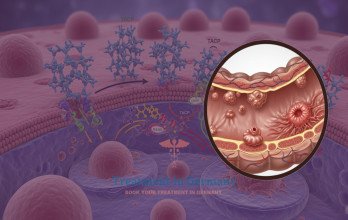
Colorectal cancer develops in the colon or rectum, often from polyps or as metastases from other cancers. Risk factors include inflammatory bowel disease, genetic predispositions

Pancreatic cancer originates in the pancreas, often as ductal adenocarcinoma or as metastases from other cancers. Risk factors include smoking, diabetes, chronic pancreatitis, and genetic predispositions.

Stomach cancer, also known as gastric cancer, is a formidable health challenge globally, with its aggressive progression and complex treatment requirements.
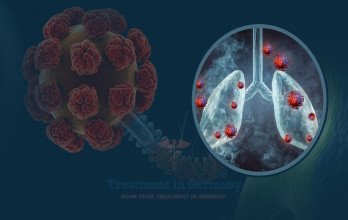
Lung cancer, a leading cause of cancer-related deaths worldwide, presents significant challenges due to its aggressive nature and complex treatment needs.
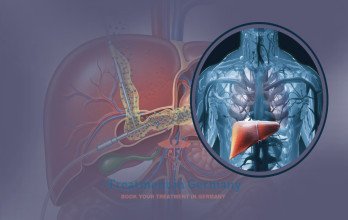
Liver cancer, a life-threatening condition, poses significant challenges worldwide, requiring targeted and innovative treatments for effective outcomes.
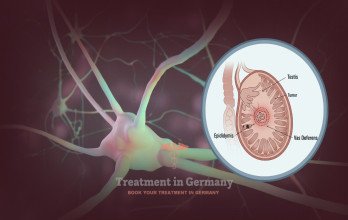
Testicular cancer, a rare but treatable malignancy, impacts young men most often, demanding innovative and effective solutions for lasting recovery.
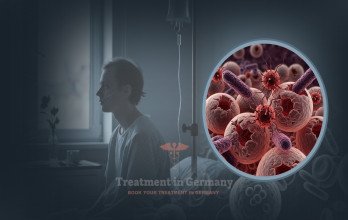
Dendritic cell immunotherapy mobilizes dendritic cells, the immune system’s sentinels, to present leukemia-specific antigens to T-cells, sparking a precise attack on cancer cells.
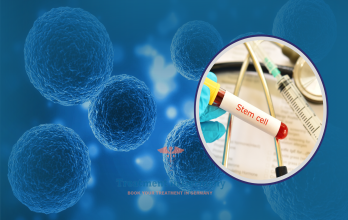
Germany primarily utilizes adult stem cells offering therapies for conditions ranging from neurological and orthopedic disorders to autoimmune diseases and chronic wounds.


Our benefits:

.webp)
 (1).webp)

.webp)

.jpg)

 (1).webp)

.jpg)