

Breast cancer treatment in Germany is planned according to tumour subtype, stage, and individual health needs. Standard options include surgery, radiotherapy, chemotherapy, hormone therapy, targeted therapy, and immunotherapy. Selected patients may be assessed for specialised approaches such as dendritic cell therapy, TACP, TACE, or TPCE. Care also involves diagnosis, follow-up, treatment costs, and support for international patients.
Breast Cancer Treatment in Germany
Breast cancer care depends on the type and stage of cancer, test results, and the patient's overall health. In Germany, certified breast centres bring together specialists to develop individual treatment plans based on current medical guidelines.
Treatment options include surgery, radiotherapy, chemotherapy, hormone therapy, targeted therapy, and immunotherapy. Selected patients may also explore specialised approaches such as dendritic cell therapy, TACP, TACE, and TPCE. The suitability of these options depends on individual medical findings and previous treatments. International patients considering breast cancer treatment in Germany can receive support with medical record reviews and specialist consultations.
How Breast Cancer Develops
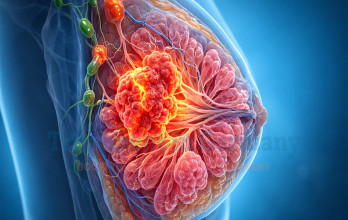
Breast cancer starts when cells in the breast begin to grow out of control. Most cases begin in the milk ducts or in the lobules, the small glands that produce milk. Cancer cells may spread to regional lymph nodes, particularly those in the armpit, and can also travel through lymphatic vessels or the bloodstream to distant organs, where they may form metastases.
Breast cancer is the most common cancer in women in Germany and, much less commonly, in men [1]. Many hormone-sensitive tumours grow slowly over years, while others, including many triple-negative cancers, grow and spread faster. Triple-negative breast cancers are, on average, more likely to recur early and may behave aggressively, although outcomes vary substantially between individual tumours.
Breast Cancer Types and Subtypes
Non-invasive breast cancer, known as ductal carcinoma in situ (DCIS), stays within the milk ducts. Invasive breast cancer has grown into surrounding breast tissue. Most invasive tumours are ductal, while lobular cancer is the second most common type. Inflammatory breast cancer is a rare, fast-growing form that makes the breast red, swollen, and warm, often without a clear lump. Rarer types include mucinous, tubular, and metaplastic cancer and Paget's disease of the nipple and is often associated with underlying DCIS or invasive breast cancer.
Pathologists test the tumour for oestrogen and progesterone receptors and HER2 status. These results help identify hormone receptor-positive, HER2-positive, and triple-negative breast cancers. Receptor status guides the selection of systemic treatments, including endocrine therapy and HER2-targeted medicines [2].
Breast Cancer Signs, Symptoms and Risk Factors
Knowing the warning signs and risk factors helps people seek a check-up early.
Early and Late Signs of Breast Cancer
Early breast cancer often causes no symptoms and is frequently found through screening.
Common warning signs include:
- A new lump or thickening in the breast or armpit.
- Nipple changes, such as inversion, discharge, or a rash.
- Skin dimpling, puckering, redness, or an orange-peel texture.
- Unexplained swelling of all or part of the breast.
Once cancer has spread, symptoms may come from the organs affected, such as bone pain, a persistent cough, breathlessness, yellowing of the skin, or new headaches. These symptoms have many possible causes and do not, by themselves, establish metastatic cancer. New breast changes require medical assessment, although many have non-cancerous causes.
Breast Cancer Risk Factors
Established breast cancer risk factors include:
- Increasing age, particularly after 50.
- A family history of breast or ovarian cancer.
- Inherited variants in BRCA1 or BRCA2, PALB2, CHEK2, and other genes [3].
- Hormonal factors, including early menstruation, late menopause, and certain types of menopausal hormone therapy.
- Alcohol, excess weight after menopause, and physical inactivity.
Approximately one in eight women in Germany will develop breast cancer during their lifetime [1]. Having a risk factor does not necessarily mean breast cancer will develop. Families with a strong history can be referred to a German hereditary breast cancer centre for genetic counselling and, where needed, screening with breast MRI [3].
Breast Cancer Screening and Diagnosis in Germany
Breast cancer diagnosis in Germany follows the national S3 guideline, which was updated in January 2026. Diagnosis usually involves breast imaging and a biopsy, with additional tests based on the suspected cancer type and individual findings [4].
Mammography Screening Programme in Germany
Germany offers a national mammography screening programme for eligible women aged 50 to 75. Screening is provided every two years and is covered by statutory health insurance. Women with breast symptoms or an increased inherited risk may require earlier or additional diagnostic assessment based on individual medical findings [5].
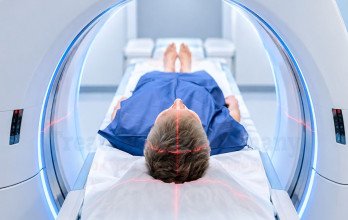
Breast Imaging, Biopsy and Tumour Testing
When screening or an examination finds something unusual, the tests below confirm whether cancer is present and describe it.
A core needle biopsy is done under local anaesthetic. The pathology report also often includes Ki-67, a marker of how quickly the cancer cells are dividing.
Tumour Boards at Certified Breast Centres
Multidisciplinary tumour boards are central to care in German certified breast centres. Specialists review treatment plans and reassess them after surgery when needed. A large German study found that patients who received their first treatment at certified hospitals had better overall survival than those treated elsewhere. However, the study could not prove that hospital certification directly caused this difference [6].
A specialist assessment at an experienced breast centre in Germany can help confirm the diagnosis and clarify treatment options before therapy begins.
Breast Cancer Stages and Tumour Grades
Stage describes tumour size and spread, while grade describes how the cells look. Together with the subtype, they help doctors decide which treatment to give first and whether the goal is to cure or control the cancer [2].
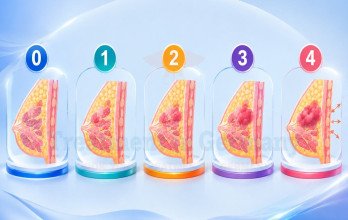
Breast Cancer Stages 0 to 4
Breast cancer staging considers tumour size, lymph node involvement, and distant spread. Prognostic staging also incorporates tumour grade, hormone receptor status, and HER2 status. The table summarises the anatomical stages of breast cancer.
TNM Classification of Breast Cancer
Doctors record the stage using the TNM system:
- T (tumour) describes the tumour's size and whether it has grown into the skin or chest wall, from Tis (in situ) to T4.
- N (nodes) shows whether cancer has reached lymph nodes in the armpit, above the collarbone, or near the breastbone, from N0 to N3.
- M (metastasis) shows whether the cancer has spread to distant organs (M0 or M1).
Breast Cancer Grades 1 to 3
Breast cancer grade describes how abnormal tumour cells appear under the microscope. Grade 1 tumours generally grow more slowly, grade 2 tumours have intermediate characteristics, and grade 3 tumours tend to grow faster. Tumour grade helps guide treatment decisions alongside cancer stage, receptor status, and other clinical findings.
Breast Cancer Treatment Options Available in Germany
Breast cancer treatment may involve surgery, radiotherapy, and medicines that treat cancer throughout the body. The treatment plan depends on the cancer's subtype and stage, the patient's health, and whether treatment is needed before or after surgery. Doctors may also consider the patient's preferences when discussing suitable options [2].
Diagnosis → Tumour Board → Surgery or Treatment Before Surgery → Further Treatment as Needed → Follow-Up
How treatment is commonly sequenced in early breast cancer.
Breast Cancer Surgery and Reconstruction
Breast-conserving surgery removes the tumour with a margin of healthy tissue and is suitable for many early-stage cancers, usually followed by radiotherapy. Mastectomy may be recommended for larger or multiple tumours. Sentinel lymph node biopsy checks nearby lymph nodes and may avoid extensive armpit surgery. Breast reconstruction can be performed during surgery or later.
Reconstruction can use an implant or the patient's own tissue, and timing often depends on whether radiotherapy is planned.
Radiation Therapy for Breast Cancer
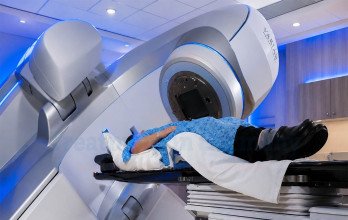
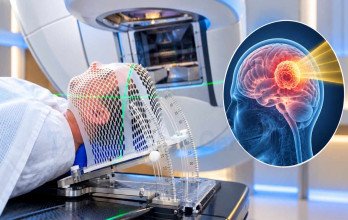
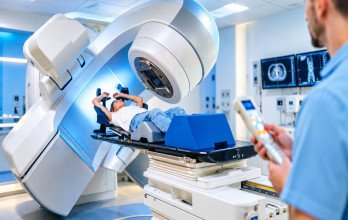
Radiotherapy after breast-conserving surgery lowers the risk of cancer returning in the breast, although selected low-risk patients may not need it. After mastectomy, radiotherapy is recommended when recurrence risk is higher, including certain cases with lymph node involvement. The decision depends on factors such as tumour size, lymph-node involvement, surgical margins and response to neoadjuvant treatment. Shorter treatment schedules are commonly used in Germany. Radiotherapy can also treat painful bone metastases and selected brain metastases.
Chemotherapy for Breast Cancer
Neoadjuvant chemotherapy is given before surgery to shrink the tumour and assess its response, particularly in HER2-positive and triple-negative breast cancer. Adjuvant chemotherapy is given after surgery to reduce the risk of recurrence. In metastatic disease, chemotherapy helps control cancer growth and symptoms, often using single drugs in sequence.
Common drugs include anthracyclines and taxanes, usually given in cycles over about four to six months in early breast cancer.
Hormone Therapy for Breast Cancer
Hormone therapy blocks or lowers the effects of oestrogen to slow the growth of hormone receptor-positive breast cancer. Options include tamoxifen, aromatase inhibitors such as letrozole and anastrozole, and ovarian suppression for selected premenopausal women. Fulvestrant or certain oral SERDs may be used in eligible patients with advanced disease. After surgery, treatment usually continues for five years or longer.
Targeted Therapy for Breast Cancer
Targeted therapy depends on cancer subtype and eligibility. HER2-positive cancers may receive HER2-directed drugs such as trastuzumab and pertuzumab. In hormone receptor-positive, HER2-negative advanced breast cancer, CDK4/6 inhibitors combined with hormone therapy improve survival and delay cancer progression [7]. PARP inhibitors may benefit patients with inherited BRCA1/2 variants, while antibody-drug conjugates deliver chemotherapy to cells carrying specific targets.
Immunotherapy for Triple-Negative Breast Cancer
Checkpoint inhibitors help the immune system recognise and attack cancer cells. For eligible patients with high-risk early triple-negative breast cancer, pembrolizumab is combined with chemotherapy before surgery and continued afterwards. The KEYNOTE-522 trial showed improved outcomes with this approach [8]. In metastatic disease, pembrolizumab with chemotherapy may be used in eligible patients whose tumours have a PD-L1 combined positive score (CPS) of at least 10.
Treatment for Stage 4 and Recurrent Breast Cancer in Germany
Breast cancer stage 4 treatment in Germany focuses on disease control, symptom relief, and quality of life. Systemic therapies remain central to care, while selected patients may benefit from additional local treatments for specific metastases. Treatment is adjusted according to tumour subtype, response, and overall health [9].
Breast cancer that returns in the breast, chest wall, or nearby lymph nodes may still be treated with the aim of curing it. Cancer that returns in distant organs is treated as metastatic breast cancer [9]. The next treatment plan depends on previous therapies, how long they worked, and how the cancer has changed, often confirmed by a new biopsy.
When Breast Cancer Spreads to the Liver
Systemic therapy remains the primary treatment. For selected patients whose disease is mainly in the liver and controlled elsewhere, the tumour board may discuss local options such as surgery, ablation, or TACE [9].
When Breast Cancer Spreads to the Lungs
Breast cancer lung metastases may be detected through imaging or symptoms such as persistent coughing and breathlessness. Biopsy, when appropriate, helps confirm the diagnosis and reassess tumour markers. Systemic treatment remains the main approach, while selected patients may be assessed for lung-directed therapies such as TPCE [9].
When Breast Cancer Spreads to the Bones
Bone is the most common site of breast cancer spread. Treatment usually combines systemic therapy with bone-strengthening medicines, such as zoledronic acid or denosumab, to lower the risk of fractures. Radiotherapy can relieve bone pain, often in one or a few sessions.
When Breast Cancer Spreads to the Brain
Treatment may include stereotactic radiotherapy, surgery, or other radiation approaches, depending on the number, size, and location of metastases and the patient's condition. In HER2-positive disease, some newer HER2-targeted medicines also act on brain metastases.
Specialised and Innovative Breast Cancer Treatments in Germany
Germany offers access to specialised breast cancer treatment approaches, including dendritic cell therapy, TACP, TACE, and TPCE at selected centres. These therapies use immune-based or regional treatment techniques and may be considered alongside established care. Suitability depends on disease location, previous treatment, overall health, and the available clinical evidence.
Treatment | Treatment approach | Potential application |
Dendritic cell therapy | Personalised immune-based therapy | Selected patients following specialist assessment |
TACP | Regional chemotherapy without intentional vessel blockage | Selected regional disease progression |
TACE | Regional chemotherapy combined with embolisation | Breast cancer liver metastases |
TPCE | Lung-directed chemotherapy and embolisation | Selected breast cancer lung metastases |
Dendritic Cell Therapy for Breast Cancer in Germany
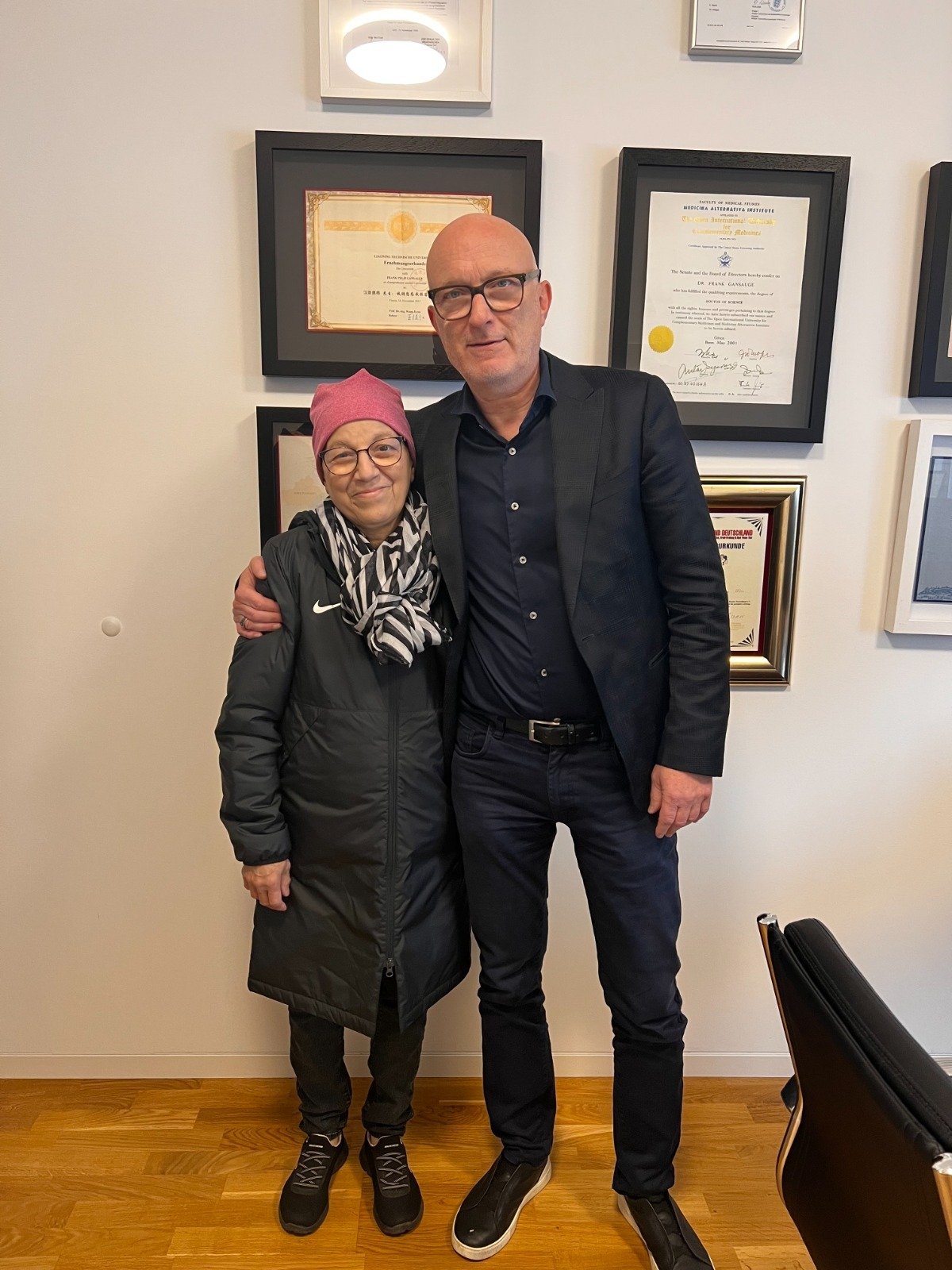
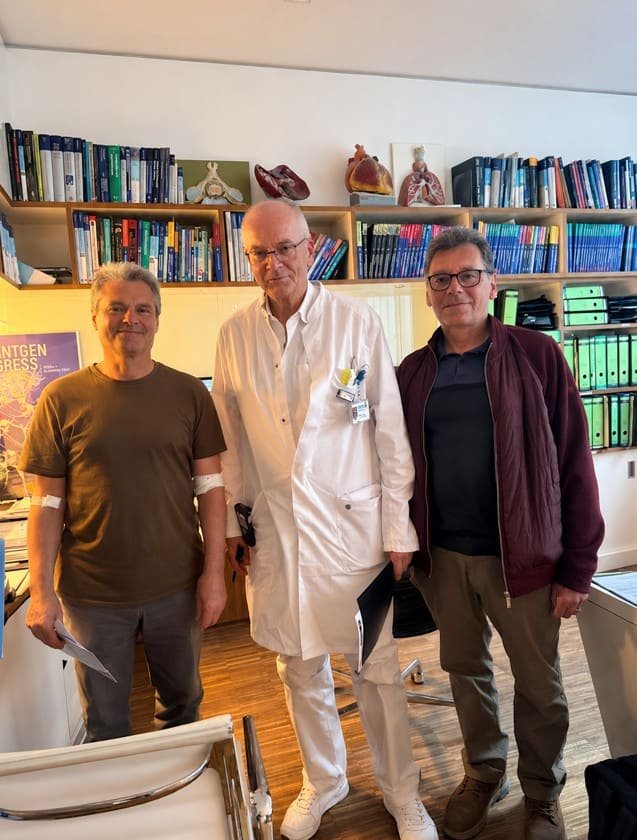
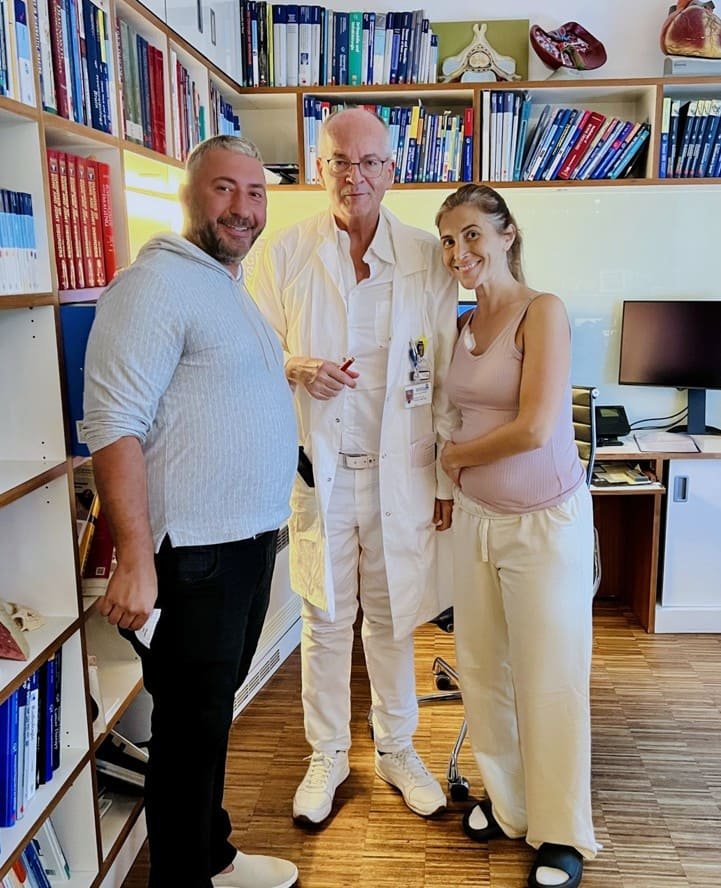
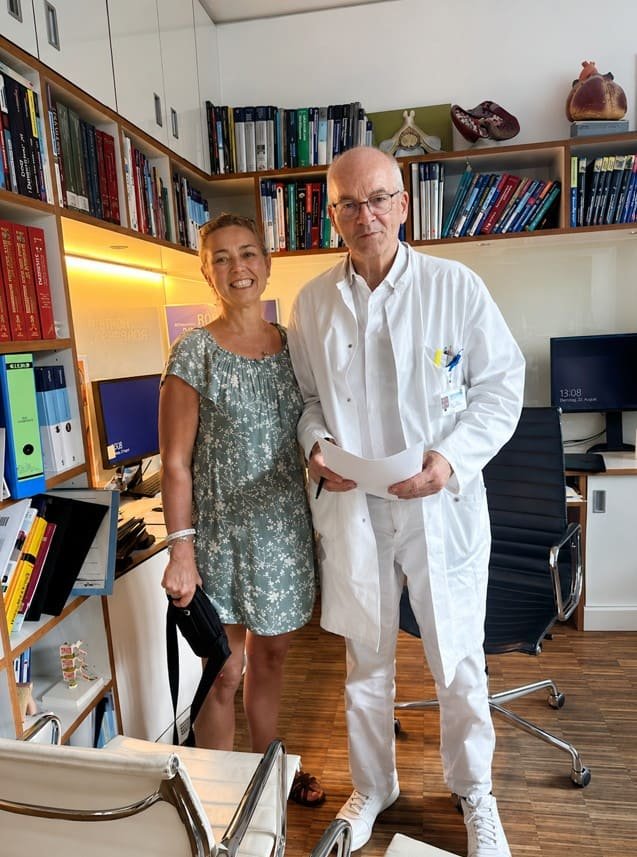
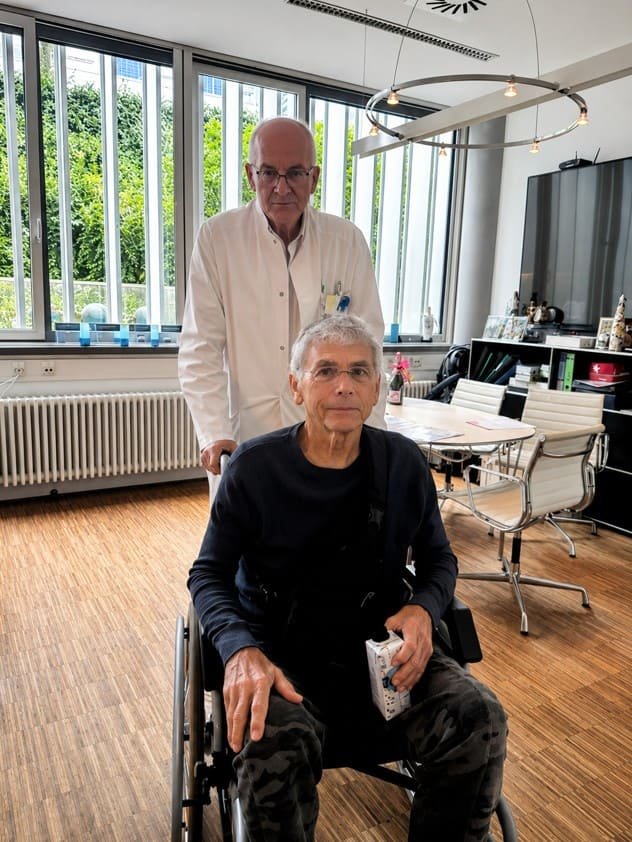
Dendritic cell therapy uses immune cells collected from the patient's blood. These cells are prepared in a laboratory to help the immune system recognise cancer cells and are then given back to the patient as a vaccine. Dendritic cell therapy for breast cancer is an innovative immune-based approach that may be considered for selected patients following specialist assessment, although survival benefits remain unconfirmed [10]. In Germany, Prof. Dr. Frank Gansauge is known for his work in personalised dendritic cell immunotherapy.
Read more on dendritic cell therapy for breast cancer in Germany.
TACP Treatment for Breast Cancer in Germany
TACP (transarterial chemoperfusion) delivers chemotherapy directly into the arteries supplying the affected area through a thin catheter. Unlike TACE, it does not intentionally block blood flow. This regional treatment approach aims to concentrate chemotherapy in the affected area and may be considered for selected patients whose breast cancer progresses despite systemic therapy. Clinical evidence remains limited, and survival benefits have not been established.
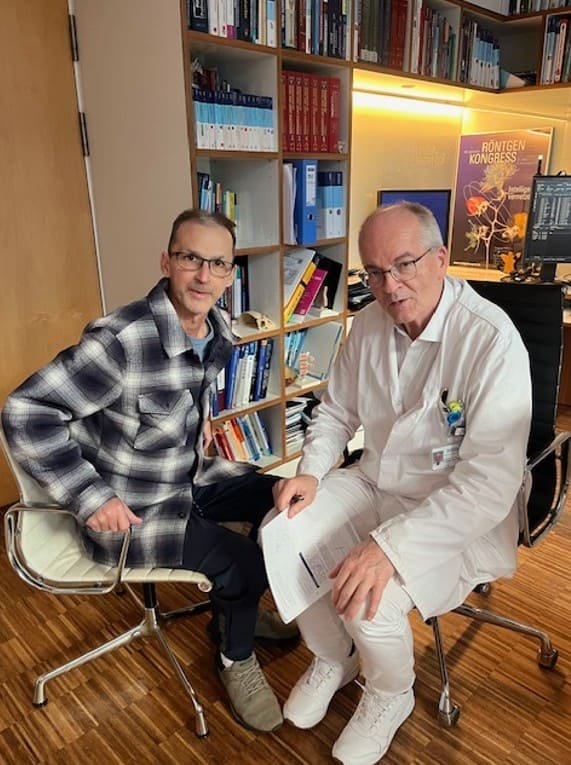
Prof. Dr. Thomas J. Vogl and his team at University Hospital Frankfurt have expertise in catheter-based regional cancer treatments, including transarterial chemoperfusion.
Read more on TACP treatment for breast cancer in Germany.
TACE for Breast Cancer Liver Metastases
TACE (transarterial chemoembolisation) delivers chemotherapy into the arteries supplying liver metastases, followed by embolic material that reduces blood flow to the treated area. It may be assessed for selected patients with breast cancer liver metastases, particularly when liver disease is a major treatment concern. Clinical studies suggest potential local treatment benefits, although survival advantages remain uncertain [11].
Read more on TACE for breast cancer liver metastases in Germany.
TPCE for Breast Cancer Lung Metastases
TPCE (transvenous pulmonary chemoembolisation) is a specialised treatment approach for selected patients with breast cancer lung metastases. It delivers chemotherapy and embolic material through a catheter into the lung arteries supplying the affected areas. TPCE may also be combined with microwave ablation to treat individual lung lesions. Clinical research has examined these approaches for regional disease control, although their effects on survival remain uncertain [12]. Suitability is determined through specialist assessment.
Read more on TPCE for breast cancer lung metastases in Germany.
Side Effects of Breast Cancer Treatment and Quality of Life
Most side effects are temporary, but some can last for months or years. The table compares common effects of each treatment [13].
Treatment | Common short-term effects | Possible long-term effects |
|---|---|---|
Surgery | Pain, swelling, and slow wound healing | Chronic chest or arm pain; lymphoedema after lymph node surgery |
Radiotherapy | Skin redness, tiredness, and breast swelling | Firmer breast tissue; rarely heart or lung effects |
Chemotherapy | Hair loss, nausea, tiredness, and higher infection risk | Numbness in the hands and feet, early menopause, and rarely heart damage |
Hormone therapy | Hot flushes, joint pain, and vaginal dryness | Bone thinning with aromatase inhibitors; a small risk of blood clots with tamoxifen |
HER2-targeted therapy | Diarrhoea or rash, depending on the drug | Reduced heart pumping function, so regular heart checks are needed |
Immunotherapy | Tiredness, rash, and diarrhoea | Thyroid problems and other immune-related inflammation |
Chemotherapy and some hormone treatments can affect fertility. Younger women who may want children should ask about fertility preservation, such as freezing eggs or embryos, before chemotherapy starts. Body image, sexuality, fatigue, and returning to work also affect quality of life and are worth raising early with the care team.
Follow-Up Care, Remission and Survival After Breast Cancer
Breast cancer remission means there are no detectable signs of cancer, although recurrence remains possible. The outlook depends on the cancer stage, subtype, and response to treatment. Some hormone receptor-positive breast cancers can return more than ten years after treatment, making long-term follow-up important.
Follow-up after treatment for early breast cancer includes regular clinical assessments and surveillance mammography when indicated. Routine tumour marker testing and imaging for distant metastases are not recommended in patients without symptoms or suspicious clinical findings. Additional investigations are performed when symptoms, examination findings, or individual risk factors require further assessment [2][4].
Follow-up care in Germany may include lymphoedema management, physiotherapy, and psycho-oncology support. Rehabilitation services can help patients manage persistent symptoms, psychological distress, and treatment-related physical limitations [14].
Breast Cancer Treatment in Germany for International Patients
International patients considering treatment in Germany often need help with records, appointments, visas, and accommodation. As a medical coordination service, we manage these arrangements.
Steps to Arrange Breast Cancer Treatment in Germany
Report review: Send your medical reports to Treatment in Germany (TIG) for a preliminary review.
Specialist assessment: German specialists assess your case and provide treatment recommendations.
Invitation and visa: Receive a medical invitation letter and visa guidance from the TIG team.
Appointments: Consultations and treatment appointments are scheduled.
Logistical support: Travel coordination, translation, and other logistical assistance are provided.
Clinical decisions and treatment protocols remain strictly with the treating German specialists.
Medical Records Needed for Breast Cancer Treatment in Germany
- Pathology and biopsy reports, including hormone receptor and HER2 results.
- Imaging reports and scan files (DICOM format), such as mammography, MRI, and CT.
- Previous treatment history, with dates and drug names.
- Genetic test results, such as BRCA testing, if done.
- Current medications and other health conditions.
- English or German translations of reports in other languages.
- Passport and relevant travel documents.
Breast Cancer Treatment Costs in Germany
The cost of breast cancer treatment in Germany varies depending on the individual treatment plan.
The main factors include:
- Diagnostic tests and the specialist review of records.
- The type of surgery, including any reconstruction.
- The number of chemotherapy cycles or radiotherapy sessions.
- How long targeted therapy, hormone therapy, or immunotherapy continues.
- The number of TACE, TPCE, or TACP sessions, where these are considered.
- The length of any hospital stay.
- Translation, and interpreter services.
A reliable estimate is only possible once a specialist has reviewed the medical records. Our dedicated cost guide explains these factors in more detail.
How TIG Supports International Breast Cancer Patients
For international patients considering breast cancer treatment in Germany, Treatment in Germany (TIG) can help coordinate medical records, connect patients with experienced breast cancer specialists in Germany, arrange consultations, and provide logistical support throughout the journey.
Send your medical reports to request a specialist review in Germany.
References
















.webp)
 (1).webp)
.webp)
.jpg)

 (1).webp)
.jpg)