

Prostate cancer treatment in Germany depends on the cancer's type, stage, risk group, PSA level and grade. Standard options include active surveillance, surgery, radiotherapy, brachytherapy, hormone therapy, chemotherapy and PARP inhibitors. Selected men with advanced prostate cancer may be eligible for Lu-177 PSMA therapy, while focal treatments and specialist approaches such as TACP, dendritic cell therapy and Ac-225 PSMA therapy require careful assessment of their evidence, availability and suitability.
Prostate Cancer Treatment in Germany
Treatment for prostate cancer depends on how far the disease has spread, the PSA level, tumour grade and the patient's overall health. Depending on these findings, prostate cancer treatment in Germany may include active surveillance, surgery, radiotherapy, hormone therapy or specialised treatments for selected patients. German specialists follow national clinical guidelines when planning care. International patients can also have their medical records reviewed before deciding whether to travel [1].
Understanding Prostate Cancer
The prostate is a walnut-sized gland below the bladder that produces part of the fluid in semen and depends on testosterone. Prostate cancer develops when cells in the gland grow in an uncontrolled way, and it is the most common cancer in men in Germany [1].
Prostate cancers behave very differently. Many low-grade tumours grow slowly and may never cause symptoms, while high-grade tumours can grow faster and spread to lymph nodes or bones. The tumour grade, PSA level and tumour size help doctors predict this behaviour.
Types of Prostate Cancer
A pathologist identifies the type from the biopsy sample. The type affects how the cancer behaves and responds to treatment [2].
- Acinar adenocarcinoma makes up more than 90% of cases. It usually produces PSA, and the grading and risk-classification systems described here guide primarily apply to conventional acinar adenocarcinoma.
- Ductal adenocarcinoma starts in the cells lining the prostate ducts. Pure ductal cancer accounts for less than 1% of cases and mixed ductal and acinar cancer for up to 5%. It tends to be more aggressive [2]. It is also important to note that reported frequencies vary according to the definition used and whether mixed tumours are included.
- Neuroendocrine and small-cell prostate cancer are rare at diagnosis but can develop after long-term hormone therapy. They often produce little PSA, and despite substantial disease burden, can behave aggressively, and often require treatment strategies different from those used for conventional acinar adenocarcinoma.
- Rare types include squamous cell, sarcomatoid and basal cell carcinoma. Intraductal carcinoma is a separate finding linked to aggressive disease.
Prostate Cancer Symptoms and Risk Factors

Knowing the symptoms and risk factors helps men decide when to see a doctor or discuss early detection.
Early and Advanced Prostate Cancer Symptoms
Early prostate cancer rarely causes symptoms, meaning a rising PSA level usually triggers initial testing. When symptoms do appear, they typically signal a larger tumor or local spread [3].
- Frequent urination or difficulty emptying the bladder.
- Blood in the urine or semen.
- Painful ejaculation or new erection problems.
- Bone pain, which can mean the cancer has spread.
These signs overlap with benign prostate enlargement and prostatitis (inflammation of the prostate), so tests, not symptoms, decide whether cancer is present. Visible blood in the urine, persistent or unexplained urinary changes, blood in the semen that recurs or persists, and unexplained persistent bone pain should be assessed by a healthcare professional timely.
Being unable to pass urine, or back pain together with leg weakness or loss of bladder or bowel control, needs emergency medical care.
Risk Factors for Prostate Cancer
Established risk factors for prostate cancer include [1].
- Increasing age.
- A family history of prostate cancer in a father or brother, which raises the risk more than twofold.
- Certain inherited gene changes, such as pathogenic changes in BRCA2, MSH2 or MSH6, for which a specialist risk consultation is recommended from age 40.
Prostate Cancer Screening and Diagnosis in Germany

Diagnosis usually combines a PSA test, magnetic resonance imaging (MRI) of the prostate, a targeted biopsy and, when indicated, imaging to look for spread [1].
PSA Testing and Early Detection
The updated German S3 guideline recommends offering PSA testing to men aged 45 and older who choose screening after counselling and have a life expectancy of at least 10 years. Follow-up depends on the result [1].
- PSA below 1.5 ng/ml: repeat the test every five years.
- PSA 1.5 to 2.99 ng/ml: repeat the test every two years.
- PSA 3 ng/ml or higher: repeat the test within three months. If still elevated, a urologist assesses the risk and decides whether MRI is needed.
The digital rectal examination (DRE) is no longer recommended for routine early detection, because it finds few additional cancers. Prostate cancer screening with PSA can reduce prostate cancer deaths but also finds slow-growing cancers that might never cause harm, so testing is a personal decision [1][4].
Prostate MRI and Biopsy
PSA test → Risk assessment → MRI if indicated → Biopsy if needed → Staging scans for selected patients → Treatment planning
The sequence above is the usual diagnostic pathway in Germany [1].
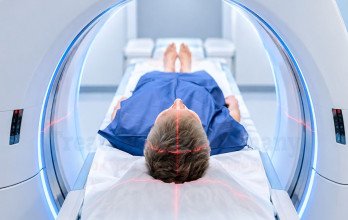
- Multiparametric prostate MRI (mpMRI) is usually performed before a prostate biopsy, and the result is reported on the PI-RADS scale from 1 to 5. If the MRI shows a low likelihood of cancer (PI-RADS 1 or 2), a biopsy may not be necessary. However, men with concerning findings, such as a high PSA relative to prostate size, may still need a biopsy.
- When a biopsy is indicated, a targeted biopsy samples the suspicious areas seen on MRI, and a systematic biopsy is recommended in addition at the first biopsy.
MRI before biopsy improves detection of significant cancers and avoids unnecessary biopsies although MRI is not perfectly sensitive and its performance depends on image quality, interpretation and the patient's underlying risk [4].
Gleason Score and ISUP Grade Groups
A pathologist reports the Gleason score and the matching International Society of Urological Pathology (ISUP) grade group, from 1 for a score of 6 to 5 for scores of 9 and 10 [1].
In simple terms, the grade shows how abnormal the cancer cells look. Grade group 1 cancers usually grow slowly, grade groups 2 and 3 are intermediate, and grade groups 4 and 5 are more aggressive and more likely to spread.
PSMA PET/CT and Other Imaging Tests
Staging scans are used in selected patients, not automatically for everyone. They are advised before treatment in unfavourable intermediate-risk, high-risk and very high-risk disease, while low-risk cancer rarely needs them [1].
PSMA PET/CT can detect prostate cancer spread more accurately than conventional imaging. It is recommended for high-risk or locally advanced disease and may be considered in unfavourable intermediate-risk cancer when available [12].
Prostate Cancer Stages and Risk Groups
The stage describes how far the cancer extends. Risk classification also considers the PSA level and tumour grade, so it predicts behaviour more precisely. Treatment decisions take account of stage, risk group, imaging and biopsy findings, life expectancy, overall health and the patient's preferences [1].
Prostate Cancer Stages 1 to 4
The prostate cancer stages below follow the international stage grouping, which combines tumour extent with PSA and grade group [5].
Stage | General features |
|---|---|
Stage I | Small tumour confined to the prostate, PSA below 10 ng/ml and grade group 1 |
Stage II | Confined to the prostate, with a larger tumour, higher PSA (below 20 ng/ml) or grade group 2 to 4 |
Stage III | Usually growing beyond the prostate; also tumours inside the prostate with PSA of 20 ng/ml or more or grade group 5 |
Stage IV | Spread to nearby lymph nodes (IVA) or to distant sites such as bones (IVB) |
TNM Staging System
The TNM system has three parts [5].
- T (tumour) describes local extent, from T1, which cannot be felt on examination, to T4, which has grown into nearby organs.
- N (nodes) shows whether the cancer has reached nearby lymph nodes (N0 or N1).
- M (metastasis) shows whether it has spread to distant sites, such as bones (M0 or M1).
Low-, Intermediate- and High-Risk Prostate Cancer
European risk groups combine PSA, grade group and clinical tumour stage [12].
Risk group | Typical features |
Low | Grade group 1, PSA below 10, localised cancer |
Favourable intermediate | Grade group 2 with PSA below 10, or grade group 1 with PSA 10–20 |
Unfavourable intermediate | Grade group 2 with PSA 10–20, or grade group 3 |
High-risk localised | Grade group 4–5 or PSA above 20 |
Locally advanced | Clinical T3–T4 or regional lymph-node involvement |
This is why men with similar stages may receive different treatments: a small grade group 1 tumour may suit active surveillance, while a similar tumour with grade group 4 usually needs active treatment.
Standard Prostate Cancer Treatments in Germany

For cancer confined to the prostate, options include active surveillance, surgery, external beam radiotherapy and brachytherapy, compared below [1][6][5].
Option | Where it is used | Main trade-offs |
|---|---|---|
Active surveillance | Low-risk and selected favourable intermediate-risk disease | Ongoing tests; some men later need treatment |
Radical prostatectomy | Localised and selected locally advanced disease | Urinary incontinence, erectile dysfunction |
External beam radiotherapy | Localised and locally advanced disease, often with hormone therapy | Bowel and urinary effects, erectile dysfunction |
Brachytherapy | Selected localised disease, alone or as a boost | Urinary and bowel effects |
Active Surveillance and Watchful Waiting
Active surveillance is usually recommended for suitable men with low-risk disease and may also be considered for carefully selected men with favourable intermediate-risk cancer. It monitors the cancer so that curative treatment can start if it changes. Watchful waiting is different and is generally used when immediate cancer treatment is unlikely to provide a meaningful benefit. It focuses on managing symptoms if they develop, rather than on cure [1][6].
Surgery for Prostate Cancer (Radical Prostatectomy)
Radical prostatectomy removes the prostate and seminal vesicles, sometimes with nearby lymph nodes. It suits localised and selected locally advanced disease in men fit for surgery with a life expectancy of at least ten years [1].
Open surgery uses a cut in the lower abdomen, while robotic-assisted surgery uses robotic instruments through small incisions. Nerve-sparing techniques are used when the cancer allows.
A catheter usually stays in for about a week. Bladder control improves over weeks to months with pelvic floor exercises, while erectile function may recover more slowly, sometimes over several years, and depends on factors such as age, preoperative function, nerve preservation and other treatments. PSA is expected to fall to an undetectable level after radical prostatectomy, usually within about two months.
Radiotherapy and Brachytherapy for Prostate Cancer
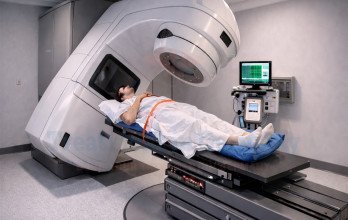
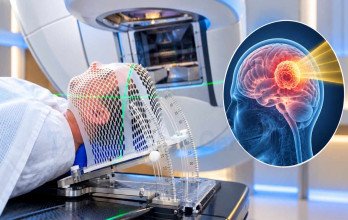
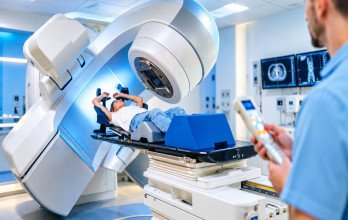
Radiotherapy may be delivered externally or internally. External beam radiotherapy directs radiation at the prostate, with treatment schedules ranging from a few sessions to several weeks. Brachytherapy delivers radiation inside the prostate through permanent seeds or temporary radioactive sources. It may be used alone or combined with external radiotherapy in selected patients [1][5].
For selected patients, radiotherapy is combined with hormone therapy: usually a short course in unfavourable intermediate-risk disease and a longer course in high-risk disease.
Hormone Therapy for Prostate Cancer
Prostate cancer cells often depend on testosterone to grow. Hormone therapy for prostate cancer, also called androgen deprivation therapy (ADT), lowers testosterone levels or blocks its effects, helping to slow cancer growth. It is used in the following settings [1][5].
- With radiotherapy, mainly in higher-risk localised disease, as part of treatment aimed at curing the disease.
- In advanced disease, where it forms the foundation of treatment and may continue long term.
ADT is usually given as injections. Androgen receptor pathway inhibitors, such as abiraterone, enzalutamide, apalutamide and darolutamide, block hormone signalling more completely and are combined with ADT in advanced disease.
The main side effects are the following:
- Hot flushes and tiredness.
- Weight gain and thinning of the bones.
- Lower sex drive and erectile function.
- Mood changes.
Bone, heart and blood sugar checks are part of care.
Chemotherapy for Prostate Cancer
Chemotherapy for prostate cancer is used mainly in advanced disease. Two taxane medicines are standard [1][5].
- Docetaxel may be added to hormone therapy for fit men with metastatic hormone-sensitive disease and is also used in castration-resistant disease.
- Cabazitaxel is usually given after docetaxel in castration-resistant disease.
Both are infusions, usually every three weeks. Effects include tiredness, infection risk from low blood counts, hair loss and numbness in the hands or feet. Neuroendocrine cancers usually receive platinum-based chemotherapy.
Targeted Therapy and PARP Inhibitors
Targeted medicines act on specific gene changes. More than one in five men with metastatic prostate cancer has changes in DNA repair genes, most often BRCA2 [7].
PARP inhibitors block a DNA repair process that some cancer cells depend on. Medicines such as olaparib, talazoparib and niraparib may be used for selected patients with metastatic castration-resistant prostate cancer. Their approved uses, combination requirements and genetic eligibility differ. Benefits are generally greatest in patients with BRCA1 or BRCA2 changes. Side effects include anaemia, tiredness and nausea [7].
Genetic testing of tumour tissue or blood shows whether a PARP inhibitor may help. A tumour change is checked in blood to see whether it is inherited, because an inherited BRCA change also affects relatives' risk and calls for genetic counselling [7].
Treatment for Advanced and Recurrent Prostate Cancer
When prostate cancer spreads or returns, the next steps depend on where the cancer is found and previous treatment. Advanced prostate cancer treatment often combines hormone therapy with medicines described in the standard treatment sections above [1][5].
Disease setting | Treatment approach |
|---|---|
Locally advanced prostate cancer | Radiotherapy with long-term hormone therapy, plus abiraterone for two years in suitable men with lymph node spread; surgery for selected men. |
Metastatic hormone-sensitive disease | ADT combined with an androgen receptor pathway inhibitor, sometimes plus docetaxel, depending on disease features, general health and other illnesses. Prostate radiotherapy may help men with few metastases. |
Castration-resistant prostate cancer | ADT continues, and treatment changes to another hormone-pathway medicine, chemotherapy, a PARP inhibitor or Lu-177 PSMA therapy. Radium-223 may treat symptomatic bone-only spread. |
Recurrent prostate cancer | A rising PSA may signal recurrence, and PSMA PET can show where. Options include salvage radiotherapy, local treatment and, for high-risk biochemical recurrence, enzalutamide with or without ADT. |
Innovative Treatment Options for Prostate Cancer in Germany

Alongside established treatments, patients may have access to newer or specialised approaches depending on their medical condition. Some options, such as Lu-177 PSMA therapy, have an established role in selected patients with advanced prostate cancer.Other specialised approaches include Ac-225 PSMA therapy, TACP and dendritic cell therapy, which may be explored for selected patients as research continues to define their clinical roles. Specialist assessment helps determine which options may be appropriate.

Lu-177 PSMA Therapy for Prostate Cancer
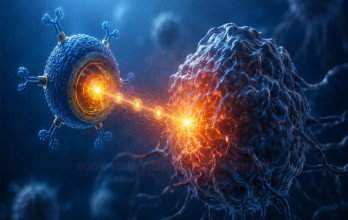
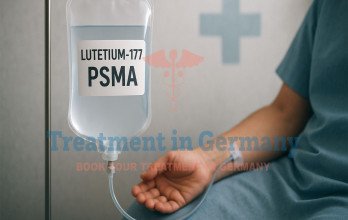
Lu-177 PSMA therapy has an established role in selected men with PSMA-positive metastatic castration-resistant prostate cancer, meaning cancer that has spread and keeps progressing despite hormone therapy. It is used after hormone-pathway therapy and, where suitable, chemotherapy, and it is not used in early-stage disease. Its main features are the following [1][8].
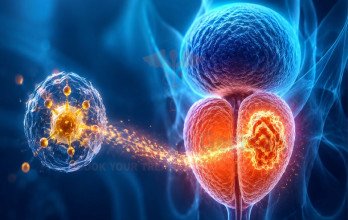
- A radioactive particle is attached to a molecule that seeks the PSMA marker on prostate cancer cells and delivers radiation to them, so a positive PSMA PET scan is needed first.
- EU authorisation covers progressive PSMA-positive metastatic castration-resistant disease after androgen receptor pathway inhibition and taxane chemotherapy, alongside ADT. German guidelines may consider additional situations, subject to specialist assessment.
- Treatment is given as an infusion in repeated cycles, usually up to six cycles about six weeks apart, with blood and kidney monitoring.
- Common effects include dry mouth, tiredness, nausea and lower blood counts.
Read more on Lu-177 PSMA therapy for prostate cancer in Germany.
Ac-225 PSMA Therapy for Prostate Cancer
For selected patients with advanced prostate cancer, Ac-225 PSMA therapy is a specialised approach that uses targeted alpha radiation to damage cancer cells carrying the PSMA marker. It may be considered after previous treatments, depending on the patient's condition and specialist assessment.
A 2022 meta-analysis of six small, uncontrolled studies (201 patients) reported a PSA fall of more than 50% in about two-thirds of patients, but dry mouth affected over three-quarters [10]. Ac-225 PSMA therapy is a specialised treatment approach being studied for advanced prostate cancer. Patients considering this option in Germany can discuss their suitability with a nuclear medicine specialist, while further research continues to clarify its long-term outcomes.
Read more on Ac-225 PSMA therapy for prostate cancer in Germany.
TACP Treatment for Prostate Cancer in Germany
Transarterial chemoperfusion (TACP) is a regional chemotherapy technique in which chemotherapy is delivered through the arteries that supply a tumour. For selected patients considering additional treatment options, TACP may be explored following individual medical assessment. Research into its effectiveness in prostate cancer remains limited, and it is not an established standard treatment.
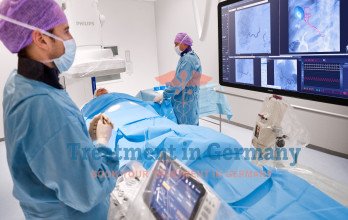
As with other catheter-based procedures and chemotherapy, risks include bleeding or bruising at the puncture site, infection and the general effects of chemotherapy, which the team explains before treatment. In Germany, TACP treatment is associated with Prof Vogl, a specialist in interventional radiology with expertise in image-guided cancer treatments and regional chemotherapy techniques.
Read more on TACP treatment for prostate cancer in Germany.
Dendritic Cell Therapy for Prostate Cancer in Germany
Dendritic cell therapy is a personalised immunotherapy approach that uses immune cells collected from the patient's blood. These cells are prepared to help the immune system recognise and respond to cancer cells. Patients considering additional prostate cancer treatment options in Germany may explore this approach following specialist assessment. Research is ongoing to establish its effectiveness in prostate cancer.
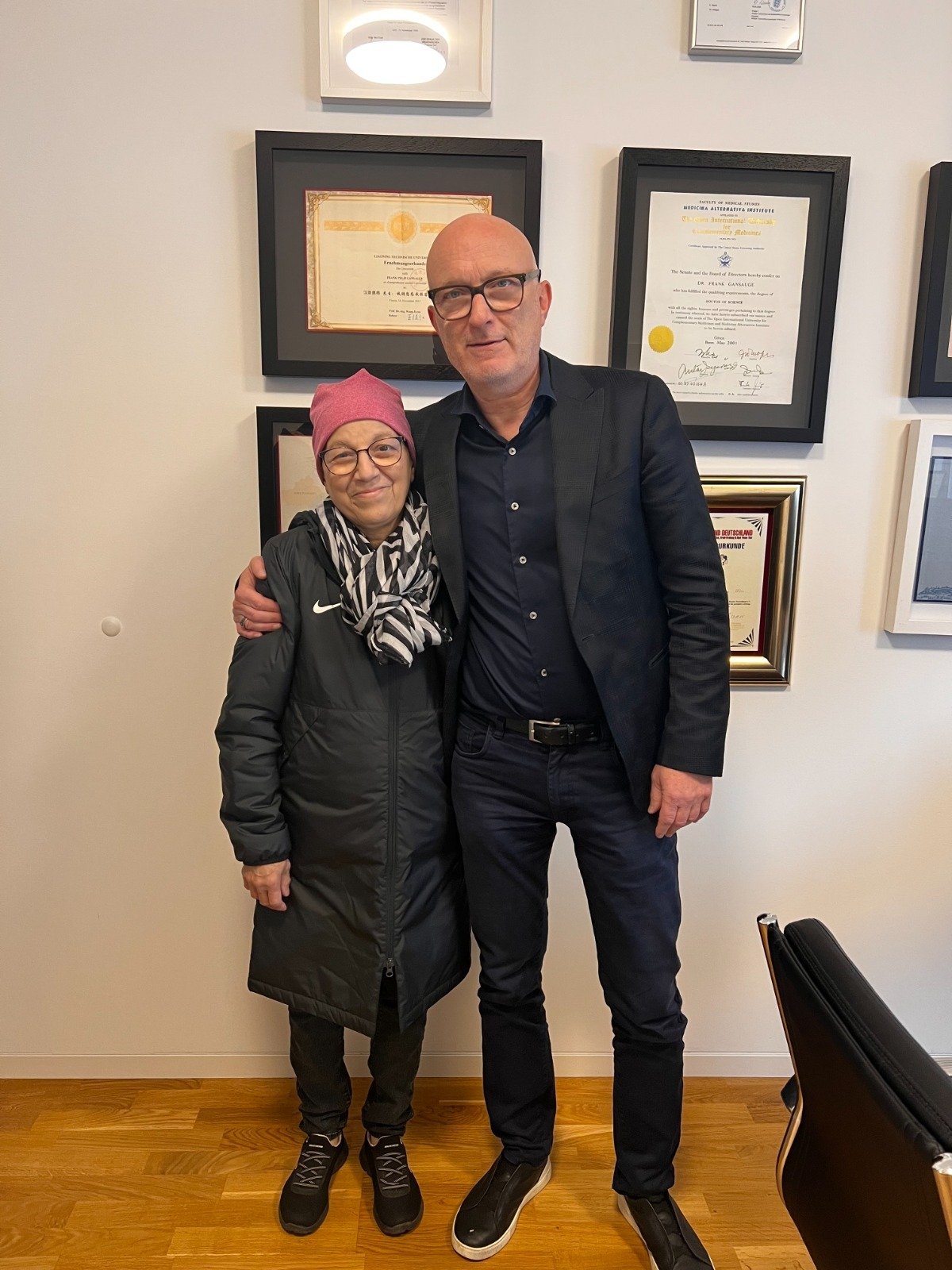
A 2025 systematic review of 45 studies found that dendritic cell vaccines often triggered immune responses and sometimes lowered PSA, but methods varied widely and benefit remains unconfirmed [11]. Side effects reported with dendritic cell treatments include injection-site reactions, tiredness and fever or chills, which the team monitors. In Germany, dendritic cell therapy is associated with Prof. Dr. Frank Gansauge, a specialist in oncology with expertise in personalised cancer immunotherapy.
Read more on dendritic cell therapy for prostate cancer in Germany.
Focal Therapy and Ablation for Prostate Cancer
Focal therapy for prostate cancer targets a defined area of cancer while aiming to preserve the rest of the prostate. Techniques include high-intensity focused ultrasound (HIFU), cryotherapy and radiofrequency ablation (RFA). For RFA specifically, the German guideline considers the data insufficient to assess cancer control and safety.
European patient information notes that, for focal and ablative treatments in general [1][9]:
- Long-term cancer control is still uncertain.
- They suit only carefully selected men with localised disease, and guidelines differ on suitable risk groups.
- They are not standard treatment for most men or recommended for high-risk or locally advanced disease outside clinical trials.
Prostatic artery embolisation (PAE) is used for benign prostate enlargement and is not an established prostate cancer treatment.
Read more on focal therapy for prostate cancer in Germany.
Prostate Cancer Treatment Side Effects and Quality of Life
The table compares the main effects of common treatments; hormonal effects are listed in the hormone therapy section [6][5].
Effect | Surgery | Radiotherapy | Hormone therapy |
|---|---|---|---|
Urinary | Leakage (incontinence), usually improving over months | Frequency and urgency, which may worsen with age | Not usually a direct effect |
Bowel | Rarely affected | Possible stool leakage or blood in the stool | Not usually a direct effect |
Sexual | Erectile dysfunction, depending on nerve sparing | Erectile dysfunction, often developing gradually | Lower sex drive and erectile function |
Hormonal | Not affected | Only when combined with hormone therapy | Main source of hormonal effects |
Quality of life also includes the burden of repeated visits, travel and long-term monitoring, which matters for men weighing treatment abroad.
Follow-Up Care and PSA Monitoring After Prostate Cancer Treatment
After treatment, follow-up is built around regular PSA tests at intervals set by the treating team, and the tests help to detect a possible change or return of the cancer [1][5].
- A rising PSA, or new symptoms such as bone pain, is reported to the treating team, who decide which further tests are needed.
- Bone health may be reviewed in men on long-term hormone therapy, because the treatment can weaken the bones.
- Support for continence, sexual health and emotional wellbeing is worth raising at follow-up visits, because these problems can often be managed and recovery may continue for months.
Prostate Cancer Treatment in Germany for International Patients

Prostate cancer treatment in Germany is delivered by teams of urologists, radiation oncologists and medical oncologists working to the S3 guideline. Treatment options are usually discussed by the team before treatment starts [1].
Specialist Review and Treatment Planning
Care planning for international patients typically follows a three-step process.
- A German specialist team reviews the medical records, imaging and pathology before travel and gives an initial opinion on possible next steps.
- The diagnostic and treatment appointments are coordinated once the patient is in Germany.
- Findings are shared with the patient's home-country physician to support continued care after returning home.
Travel and visa arrangements follow once the team decides that a visit is useful.
Medical Records Required for Treatment
The German team can work from the following records.
- Biopsy and pathology reports, including the Gleason score or grade group.
- PSA history with dates, and testosterone levels for men on hormone therapy.
- MRI, PSMA PET/CT, CT or bone scan images as image files (DICOM format), not only the written reports.
- Reports and dates of any surgery, radiotherapy, hormone therapy or other drug treatment.
- Genetic test results, such as BRCA testing, if done.
- Current medications and other health conditions.
- Certified English or German translations of reports in other languages.
Prostate Cancer Treatment Costs in Germany
The cost of prostate cancer treatment in Germany depends on the proposed treatment pathway. Surgery, radiotherapy, drug treatment and PSMA radioligand therapy have different cost structures, and diagnostics, hospital stay, treatment cycles and follow-up add to the total. An individual estimate is possible only after the records are reviewed.
How TIG Helps International Prostate Cancer Patients
Patients considering prostate cancer treatment in Germany can begin by having their medical records reviewed by a German specialist. Treatment in Germany (TIG) can help coordinate this process for patients exploring options such as TACP, dendritic cell therapy, Lu-177 PSMA therapy, Ac-225 PSMA therapy and hormone therapy. Support includes collecting medical records, arranging specialist consultations, coordinating hospital invitations and providing travel guidance. The German medical team determines eligibility and makes all treatment decisions.
Send your reports to request a specialist review in Germany.
References
5. National Cancer Institute. Prostate Cancer Treatment (PDQ®)–Patient Version, issued February 2026.
12. EAU Guidelines on Prostate Cancer — Classification and Staging Systems
Why Patients Worldwide Prefer Our Medical Services in Germany – Key Benefits Explained
International patients planning prostate cancer treatment in Germany may need support with hospital consultations, medical documentation, translations, and travel arrangements. TIG GmbH helps coordinate these practical steps and communication with healthcare providers according to each patient's needs and the services agreed.
The table above compares the support and coordination services offered through TIG GmbH with the arrangements patients may need to manage when booking directly with a clinic.












.webp)
 (1).webp)
.webp)

.jpg)

 (1).webp)

.jpg)