
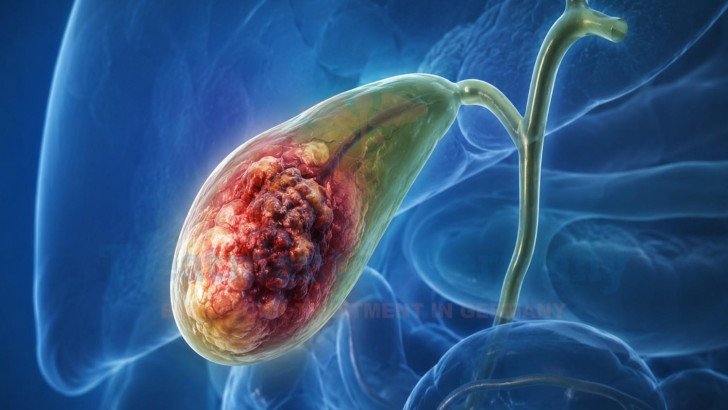
Gallbladder cancer is a rare form of cancer that often doesn’t cause signs or symptoms in the early stages.
Advanced Gallbladder Cancer Treatment in Germany
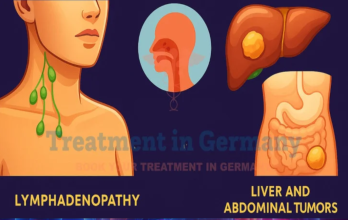
Gallbladder cancer is a rarAdvanced Gallbladder Cancer Treatment in Germanye but highly aggressive malignancy that develops in the tissues of the gallbladder, a small organ located beneath the liver that stores bile and supports digestion. Although relatively uncommon compared with other gastrointestinal cancers, gallbladder cancer is often diagnosed at an advanced stage because early disease is often asymptomatic or associated with nonspecific symptoms. Many patients only develop significant symptoms after the tumor has already spread into nearby lymph nodes, the liver, or surrounding abdominal structures [9]. This delayed diagnosis significantly affects the overall gallbladder cancer prognosis and explains why many patients seek specialized hepatobiliary oncology centres for advanced gallbladder cancer treatment.
Germany has become one of the leading destinations for advanced gallbladder cancer treatment because of its advanced oncology infrastructure, university hospitals, precision medicine programmes, and multidisciplinary cancer centres. Standard systemic therapy for advanced gallbladder cancer generally includes gemcitabine/cisplatin ± immunotherapy depending on biomarker status. Targeted therapies are used only in selected molecular subtypes. Patients traveling for gallbladder cancer treatmentin Germany benefit from modern surgery, advanced imaging technologies, molecular diagnostics, immunotherapy programmes, and personalized treatment planning. German hospitals also provide access to innovative therapies including targeted therapy for gallbladder cancer, Targeted embolization treatment, and Immunotherapy Dendritic cell therapy for selected patients with recurrent or metastatic disease. Investigational immunotherapy approaches, including dendritic cell-based therapies, may be available through clinical trials in selected centres and Locoregional embolization procedures may be considered in selected cases involving liver-dominant disease
According to the GLOBOCAN 2022 study, cancer remains one of the leading causes of mortality worldwide, with hepatobiliary malignancies contributing significantly to the global disease burden [1]. Current cancer survival statistics show that advanced disease continues to carry relatively poor outcomes, although advances in surgery, systemic therapy, immunotherapy, and precision medicine are gradually transforming the landscape of advanced cancer treatment Germany [9].
For patients presenting with resectable disease who are considering treatment abroad, TIG GmbH coordinates specialist evaluation at Germany's top hepatobiliary surgical units, ensuring that each patient's case is reviewed by the right team before any procedure is planned.
What Is Gallbladder Cancer?

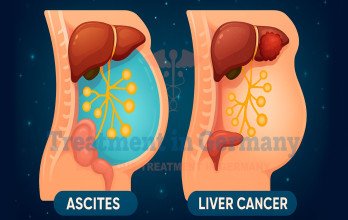
Gallbladder cancer develops when malignant cells form within the lining of the gallbladder and progressively invade nearby tissues. The disease frequently spreads into the liver, lymph nodes, and surrounding abdominal structures, making early diagnosis critically important. Although several types of gallbladder cancer exist, approximately 85–90% of gallbladder cancers are adenocarcinomas, although less common histologic subtypes such as squamous cell carcinoma, adenosquamous carcinoma, and neuroendocrine tumors can also occur Physicians may also use the term gallbladder neoplasm when describing abnormal tumors or growths involving the gallbladder. Although gallstones are common, only a small proportion of individuals with gallstones develop gallbladder cancer.
Several risk factors have been associated with gallbladder cancer, including chronic gallstones, chronic cholecystitis, obesity, smoking, large gallbladder polyps, porcelain gallbladder, and congenital biliary tract abnormalities. Gallbladder cancer occurs more frequently in women than in men, and incidence increases with advancing age. Because many tumors grow silently, patients are often diagnosed only after symptoms become severe or metastatic spread has occurred [9].
Types of Gallbladder Cancer

The aggressive biology of gallbladder cancer explains why many patients require complex multimodal care involving surgery, chemotherapy, immunotherapy, and precision oncology. Germany’s specialist centres increasingly use molecular profiling and advanced imaging and multidisciplinary evaluation to help guide individualized treatment planning for selected patients gallbladder cancer.
Symptoms of Gallbladder Cancer
Early gallbladder cancer symptoms are often nonspecific and may resemble common gastrointestinal disorders, which contributes to delayed diagnosis in many patients. Initial symptoms may resemble gallstones, cholecystitis, gastritis, or other hepatobiliary conditions, allowing disease progression before diagnosis. As the disease advances, symptoms generally become more severe and persistent and clinically significant.
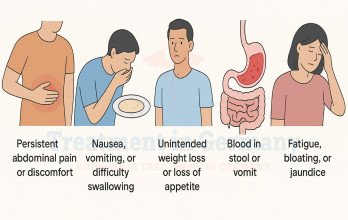
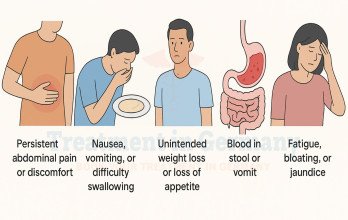
The most common signs of gallbladder cancer include upper right abdominal pain, nausea, vomiting, bloating, loss of appetite, unexplained weight loss, fatigue, fever, and digestive discomfort. Patients with advanced disease may also develop jaundice, dark urine, pale stools, abdominal swelling, and liver dysfunction caused by biliary obstruction. Individuals diagnosed with gall bladder cancer stage 3 frequently report experiencing subtle symptoms for several months before receiving a definitive diagnosis.
Modern evaluation of gallbladder cancer symptoms requires advanced imaging and pathological confirmation [9]. Germany’s leading oncology clinics commonly use laparoscopic ultrasound, endoscopic ultrasound, computed tomography scan, MRI scan, and biopsy procedures to determine tumor extent and evaluate surgical resectability. A tissue-confirming biopsy remains essential for diagnosis and molecular profiling, particularly in advanced or unresectable disease.
Stages of Gallbladder Cancer and Prognosis
The stage of disease is one of the most important factors affecting gallbladder cancer prognosis, treatment planning, and survival outcomes. Early-stage tumors confined to the gallbladder wall may be treated surgically, while advanced tumors involving nearby organs or distant metastases usually require multimodal therapy.

Advanced disease often requires a combination of surgery, chemotherapy, immunotherapy, and other specialized procedures. Current cancer survival statistics show that outcomes remain limited in advanced disease, although advances in systemic therapy, molecular profiling, and supportive care are gradually improving treatment options for some patients The overall gallbladder cancer survival rate depends on tumor stage, lymph node involvement, molecular characteristics, and response to therapy [9]. Many patients ask, is gall bladder cancer curable? While some early-stage cases may achieve long-term remission after surgery potential cure following complete surgical resection, whereas advanced disease typically requires ongoing multidisciplinary management. Although a universal gallbladder cancer cure does not yet exist, modern gallbladder cancer treatments continue to improve outcomes for selected patients.
Treatment Options for Gallbladder Cancer in Germany
Modern gallbladder cancer treatment usually requires a combination of different specialists, including surgeons, oncologists, radiologists, and immunotherapy experts [6]. Germany has become a preferred destination for advanced gallbladder cancer treatment in Germany because of its advanced hospitals, personalized care, and access to innovative cancer therapies.
Patients traveling for gallbladder cancer treatmentin Germany may receive tailored treatment plans that include gallbladder cancer surgery, chemotherapy, targeted therapy for gallbladder cancer and immunotherapy and supportive care depending on tumor stage, molecular profile, and overall patient condition. German cancer clinics also use advanced molecular testing to help guide treatment decisions for patients requiring metastatic gallbladder cancer treatment or recurrent gallbladder cancer treatment.
Gallbladder Cancer Surgery in Germany
Surgery remains one of the most important approaches in gallbladder cancer treatment, especially for patients diagnosed before the disease spreads extensively. Germany is internationally recognized for advanced hepatobiliary surgery programmes and experienced surgical teams.
The standard procedure is radical cholecystectomy for gallbladder cancer with removal of the gallbladder, adjacent liver tissue, and regional lymph nodes. Modern gallbladder cancer surgery in Germany increasingly uses minimally invasive techniques to support faster recovery and reduced complications.
Patients undergoing gallbladder cancer surgery receive detailed imaging and multidisciplinary evaluation before treatment. In some cases, Depending on disease stage and pathology findings, surgery may be followed by systemic therapy, including chemotherapy and, in selected cases, immunotherapy or targeted therapy.
Chemotherapy for Gallbladder Cancer in Germany
Chemotherapy for gallbladder cancer remains an important part of treatment, especially for patients with advanced or metastatic disease. Standard first-line systemic therapy commonly includes gemcitabine- and cisplatin-based regimens, often combined with immunotherapy in eligible patients
Modern chemotherapy for gallbladder cancer in Germany is often combined with immunotherapy or targeted therapy depending on tumor biology molecular findings, disease stage, prior treatment response, and patient performance status [6]. German oncology clinics provide personalized treatment planning together with advanced supportive care via symptom management, nutritional support, and monitoring for treatment-related adverse effects and monitoring throughout therapy.
For patients requiring metastatic gallbladder cancer treatment, chemotherapy may help control tumor growth, relieve symptoms, and improve overall disease management.
Targeted Therapy for Gallbladder Cancer in Germany
Advances in molecular oncology have significantly expanded the role of targeted therapy for gallbladder cancer. Precision medicine allows specialists to identify specific genetic abnormalities driving tumor growth and select therapies designed to target those pathways.
Potential molecular targets in biliary tract cancers include HER2 amplification, mismatch repair deficiency (dMMR/MSI-H), NTRK fusions, BRAF mutations, and selected FGFR alterations, although FGFR2 fusions are more commonly associated with cholangiocarcinoma than gallbladder cancer [7]. Patients seeking targeted therapy for gallbladder cancer in Germany often undergo comprehensive molecular profiling before treatment selection.
In selected patients with actionable molecular alterations, targeted therapy may be combined with chemotherapy or immunotherapy as part of personalized treatment planning. These therapies are particularly important and may provide additional treatment options for patients with recurrent disease or tumors that have progressed despite standard systemic therapy for patients with recurrent disease or tumors resistant to standard chemotherapy.
Germany’s precision oncology programmes continue to participate actively in international research focused on new treatment for gallbladder cancer and personalized oncology strategies. Molecularly guided therapy is becoming an increasingly important component of modern gallbladder cancer treatment programmes in Germany and advanced biliary tract cancers.
Targeted Embolization Treatment for Gallbladder Cancer in Germany
Targeted Embolization treatment for gallbladder cancer is an interventional oncology procedure used for selected patients, particularly when liver-dominant disease or metastatic lesions require localized treatment control. The technique delivers therapeutic agents directly into the blood vessels supplying the tumor, followed by embolic material that blocks blood flow to the cancer tissue. This targeted approach allows a higher local drug concentration while reducing systemic exposure [8].
Before the procedure, specialists review detailed imaging to evaluate tumor vascularization, tumor extent, vascular anatomy, and procedural suitability.. During treatment, an interventional radiologist accesses the circulation through a small puncture and guides a catheter into the tumor-feeding vessels under imaging guidance. Chemotherapy or other therapeutic agents are infused locally, followed by embolic particles that block the tumor’s blood supply. This combined effect helps trap medication within the tumor while depriving cancer cells of oxygen and nutrients [8].

After the procedure, patients are monitored closely and may remain under observation until recovery is confirmed and are monitored after the procedure for pain, fever, liver function abnormalities, and other potential complications. Follow-up imaging is then performed to evaluate treatment response and determine whether additional sessions may be required.
Immunotherapy for Gallbladder Cancer in Germany
Immunotherapy has become one of important component of treatment for several advanced cancers, including selected biliary tract malignancies. Immunotherapy for gallbladder cancer works by stimulating the immune system to recognize and attack malignant cells more effectively. Checkpoint inhibitor immunotherapy targeting PD-1 and PD-L1 pathways is increasingly incorporated into the treatment of advanced biliary tract cancers, including selected patients with gallbladder cancer [2][3][6].
Several studies in biliary tract cancers suggest that combining immunotherapy with chemotherapy or antiangiogenic therapy may improve response rates in selected patients with metastatic disease [4]. Patients seeking immunotherapy for gallbladder cancer in Germany can access advanced immuno-oncology programmes within specialist cancer centres.
Research into immune checkpoint inhibitors continues to expand rapidly, and recent biliary tract cancer studies suggest that some selected patients may achieve durable disease control with combination immunotherapy strategies. [5]. these advances are becoming increasingly important components of latest treatment for gallbladder cancer approaches in Germany [6].
Dendritic Cell Therapy for Gallbladder Cancer in Germany
Immunotherapy Dendritic Cell Therapy is a personalized and investigational cell-based immunotherapy approach that has been studied in selected cell-based treatment approach evaluated for solid tumors, including selected cases of gallbladder cancer. Rather than directly destroying tumor cells, this therapy aims to support the immune system by training antigen-presenting cells to recognize cancer-related signals.
The process begins with a clinical evaluation to determine suitability for dendritic cell therapy for gallbladder cancer. A blood sample is collected to obtain immune cells known as monocytes. In an EU GMP-certified laboratory, these cells are isolated and cultured under controlled conditions. In specialized laboratory settings, these immune cells are processed and exposed to tumor-associated antigens before reinfusion into the patient. Strict quality control testing is performed to ensure sterility, viability, and functional activity before the final preparation is released.
The personalized dendritic cell vaccine is then administered back to the patient, usually through subcutaneous injection. Patients undergoing dendritic cell therapy in Germany are monitored after treatment and scheduled for follow-up assessments to evaluate immune response and clinical benefit.

Modern research into new treatment for gallbladder cancer increasingly focuses on cellular immunotherapy approaches because they may offer future possibilities for more personalized cancer management. To find out if this investigational approach is appropriate for your case, reach out to TIG GmbH for a personalised assessment and discuss potential benefits, risks, and clinical trial availability with qualified oncology specialists.
Cost of Gallbladder Cancer Treatment in Germany
The overall treatment cost for gallbladder cancer in Germany depends on the stage of disease, hospitalization duration, treatment complexity, and the type of therapy required [9]. Patients seeking advanced gallbladder cancer treatment in Germany often receive individualized treatment plans based on tumor biology, previous treatments, and overall clinical condition.

Who Is Eligible for Surgery, Immunotherapy, or Targeted Embolization Treatment?
Eligibility for advanced gallbladder cancer treatments depends on tumor stage, metastatic spread, liver function, organ involvement, surgical resectability, performance status, and overall patient health and overall patient health. Patients with localized disease may qualify for gallbladder cancer surgery, while those with advanced disease may require chemotherapy, immunotherapy, or embolization procedures.
Candidates for immunotherapy for gallbladder cancer are often evaluated based on disease stage, prior treatment response, overall health status, and molecular or biomarker findings Similarly, targeted embolization treatment is generally considered for selected patients with liver-dominant metastatic disease or unresectable hepatobiliary tumors
Patients requiring metastatic gallbladder cancer treatment or recurrent gallbladder cancer treatment are typically evaluated through multidisciplinary tumor boards to determine the most appropriate combination of therapies.
Limitations and Important Considerations
Although modern oncology has improved outcomes, advanced gallbladder cancer remains a challenging disease associated with significant treatment complexity [9]. Potential limitations include delayed diagnosis, metastatic spread, treatment-related toxicity, postoperative complications, limited treatment response, and disease recurrence. Some advanced therapies, including cellular immunotherapy approaches, may still be considered investigational in certain settings. Careful evaluation by experienced gallbladder cancer specialists remains essential before beginning treatment. Evidence supporting embolization procedures specifically for gallbladder cancer remains limited, and treatment decisions are individualized
Patients should also understand that no single gallbladder cancer cure currently exists for advanced disease, although modern treatments for gallbladder cancer continue to improve survival and disease control.
Why Germany Stands Out for Gallbladder Cancer Care
Germany has become a leading destination for advanced gallbladder cancer treatment in Germany because of its combination of advanced technology, precision oncology, evidence-based medicine, and internationally recognized university hospitals.
Patients seeking advanced cancer treatment Germany benefit from multidisciplinary tumor boards, advanced molecular diagnostics, personalized treatment planning, and access to innovative therapies including immunotherapy and interventional oncology procedures.
Germany’s specialist centres also provide access to experienced gallbladder cancer specialists in Germany, advanced imaging systems, and personalized oncology programmes designed for complex cases.
Leading Hospitals in Germany for Gallbladder Cancer Treatment
International patients seeking advanced gallbladder cancer treatment in Germany are coordinated through TIG GmbH to the following best hospitals in Germany for gallbladder cancer:

Each of these gallbladder cancer specialists in Germany operates within Germany's regulated quality framework, with multidisciplinary tumour boards, GMP-certified laboratory facilities, and dedicated international patient coordination services.
How TIG GmbH Supports International Patients
TIG GmbH is an officially registered patient coordination platform connecting international patients with certified hospitals and leading gallbladder cancer specialists in Germany. From the moment a family reaches out with their medical reports, a dedicated medical coordinator reviews the case and responds within 24 hours with a personalised pathway and transparent cost estimate.
Services provided by TIG GmbH include:
Free initial case review by experienced medical coordinators
Specialist matching based on cancer stage, histology, and prior treatment history
Priority appointment scheduling at gallbladder cancer specialists in Germany
Transparent information on treatment cost for gallbladder cancer in Germany
Medical visa support for Germany
Dedicated coordinator and interpreter throughout the stay
Post-treatment follow-up coordination after returning home
To begin your evaluation for advanced gallbladder cancer treatment in Germany, submit your medical reports to TIG GmbH today.
References
Read More
What Is the Survival Rate for Stage 4 Gallbladder Cancer?
Dendritic Cell Therapy for Gallbladder Cancer in Germany
Why Patients Worldwide Prefer Our Medical Services in Germany – Key Benefits Explained




























.webp)
 (1).webp)

.webp)

.jpg)

 (1).webp)

.jpg)