

Vaginal cancer is a rare form of cancer that most often occurs in the cells lining your vagina.
Advanced Vaginal Cancer Treatment in Germany
Primary vaginal cancer is a rare gynecologic malignancy, accounting for approximately 1–2% of cancers of the female genital tract [7] . Because it is so uncommon, diagnosis and treatment may be delayed, particularly in healthcare settings without specialized gynecologic oncology expertise. That gap in care is one of the main reasons international patients international patients seek treatment at tertiary gynecologic oncology centers in Germany because these centers may offer multidisciplinary evaluation, advanced radiation techniques, complex pelvic surgery, and access to clinical trials or specialized systemic therapies.
Germany is internationally recognized for its advanced oncology infrastructure and multidisciplinary cancer centers, offering access to treatments including TACP, dendritic cell therapy, and specialized systemic chemotherapy protocols within a structured, multidisciplinary care framework. For patients, with recurrent, advanced, or treatment-resistant disease, who have been told that options are limited, Germany often provides additional treatment options.
TIG GmbH helps international patients access Germany's leading vaginal cancer specialist in Germany teams, managing everything from medical record review to visa coordination, travel, and post-treatment follow-up. If you are looking for the right care for vaginal cancer, TIG GmbH is where to start and seek evaluation at experienced gynecologic oncology centers with multidisciplinary expertise in rare gynecologic malignancies.
What Is Vaginal Cancer and Who Does It Affect?
What is vaginal cancer? It is a malignancy that develops in the cells of the vagina, the muscular canal extending from the cervix to the external genital tract. It is distinct from cervical and vulvar cancers, even though it shares the same anatomical region and is diagnosed only when the tumor originates in the vagina rather than extending from adjacent organs.

There are several types of vaginal cancer. The most common is vaginal squamous cell carcinoma, which arises from the thin flat cells lining the vaginal wall and accounts for around 85 to 90% of all cases. Vaginal malignant melanoma is a rare but particularly aggressive subtype arising from pigment-producing cells within the vaginal lining. Adenocarcinoma and sarcoma are less common but also occur. Each type has different behavior and requires a different treatment approach [6].
Understanding what causes vaginal cancer helps with risk assessment. Known causes of vaginal cancer include:
Persistent infection with high-risk human papillomavirus (HPV), particularly HPV 16 and 18
Vaginal cancer after hysterectomy particularly in patients with persistent HPV-related dysplasia or previous lower genital tract neoplasia
Prior cervical cancer or cervical intraepithelial neoplasia
Previous pelvic radiation therapy
Smoking and immunosuppression, and persistent HPV-related epithelial abnormalities
Age over 60, which is when incidence rises most significantly [7]
Signs of Vaginal Cancer: Symptoms That Should Not Be Ignored
One reason vaginal cancer is often diagnosed late is that early-stage disease rarely causes obvious problems as early-stage disease may be asymptomatic or associated with nonspecific symptoms. Many women only notice something is wrong when the tumor has enlarged locally or extended to adjacent tissues. Knowing the symptoms of vaginal cancer can make a real difference in how early help is sought.
The most frequently reported signs of vagina cancer include:
Vaginal cancer lump: An unusual lump, thickening, or firm area inside or near the vagina
Abnormal vaginal bleeding, particularly after sexual intercourse, between periods, or after menopause
Unusual vaginal discharge that is watery, blood-tinged, or has an abnormal odor
Persistent pelvic pain or discomfort or pelvic pressure
Pain during sexual intercourse(Dyspareunia)
Difficulty or pain with urination, or a frequent urge to urinate or difficulty with urination
Constipation or a feeling of rectal pressure or altered bowel habits may occur in locally advanced disease.
How to know if you have vaginal cancer is not something you can determine alone. Any of these symptoms, especially if they persist beyond a few weeks, deserve prompt medical evaluation. The earlier vaginal cancer diagnosis is made, the more treatment options are available.
How Is Vaginal Cancer Diagnosed?
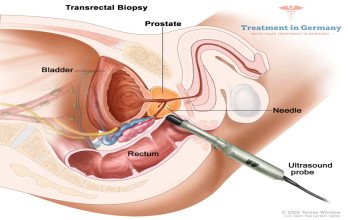
Vaginal cancer diagnosis begins with a pelvic examination by a gynecologist, who may detect a visible tumor in vagina or a visible vaginal lesion, mass, ulceration, or abnormal tissue. The next step is a vaginal biopsy, where a small sample of tissue is taken from any suspicious area and examined in a laboratory. This is the definitive step that confirms the presence of malignancy and establishes the histologic subtype of the tumor [4].
From there, imaging investigations are used to determine how far the cancer has spread. MRI is the most valuable tool for assessing the depth of stromal invasion, and involvement of adjacent pelvic structures.. CT scanning and PET-CT are used to to evaluate lymph node involvement and distant metastatic disease. Vaginal carcinoma staging follows the FIGO classification system, which guides treatment planning and helps predict outcomes [3].
The leading gynecologic oncology hospitals in Germany combine all of these investigations with molecular tumor profiling to understand the biology of each individual tumor. This gives gynecologic oncologist teams the most complete picture possible before any treatment begins. TIG GmbH helps patients get their records to the right specialists quickly so this process can begin without delay.
Vaginal Cancer survival rate and prognosis
The table below summarizes the key stages of vaginal carcinoma staging and their associated survival estimates. These are population-level averages and individual outcomes vary [3]. Survival estimates vary significantly depending on tumor stage, tumor size, lymph node involvement, histologic subtype, patient comorbidities, and response to treatment.

Vaginal cancer survival rate depends heavily on the stage at diagnosis, tumor characteristics, patient health status, and response to treatment. Stage 4 vaginal cancer carries the most serious prognosis, but access to specialized care in Germany, including systemic therapies, interventional approaches, and immune-based treatments, may expand treatment possibilities for selected patients [6].
Patients often ask: can you die from vaginal cancer? At advanced stages, yes, it can be life-threatening and advanced-stage disease is associated with increased morbidity and mortality. But appropriate multidisciplinary treatment may improve symptom control, quality of life, and survival outcomes in selected patients.
Standard Treatment Options for Vaginal Cancer
In Germany, every patient's case is reviewed by a multidisciplinary gynecological oncology team before treatment starts. Standard treatment for vaginal cancer options depend on the stage, histological type, and patient fitness:
Vaginal cancer surgery: Surgical removal may be appropriate for very early-stage tumors. In some cases, a total vaginectomy (complete removal of the vagina) is performed, though this is usually reserved for specific situations where other options are not suitable [2]
Radiation therapy for vaginal cancer Germany: External beam radiotherapy (EBRT) is the most widely used treatment for locally advanced disease
Vaginal brachytherapy in Germany: Internal radiation therapy is placed directly inside the vagina to deliver a concentrated dose to the tumor site with reduced exposure to surrounding tissue. This is a well-established approach for early and locally advanced disease [3]
Chemotherapy for vaginal cancer: Cisplatin-based chemoradiation is the standard approach for locally advanced vaginal cancer. Chemotherapy is often given alongside radiotherapy to enhance its effectiveness [13]
Immunotherapy: Immunotherapy and targeted therapy are being actively investigated, particularly for HPV-associated tumors [11]
TIG GmbH coordinates access to all of these standard options at Germany's leading centers, ensuring patients are matched with the most appropriate approach from the outset.
Advanced Vaginal Cancer Treatment in Germany: Innovative Options
For patients with advanced, recurrent, or treatment-resistant vaginal cancer, German oncology centers also provide access to investigational or specialized therapies that may be considered in selected cases. These include TACP (Transarterial Chemoperfusion), dendritic cell therapy, and intensified chemotherapy protocols. Germany is one of the few countries where all of these can be accessed within a single, coordinated care environment.
TIG GmbH connects patients with the right specialists at Germany's top oncology centers for these advanced treatments, ensuring each patient's plan is built around their specific tumor type and clinical history.
TACP Treatment for Vaginal Cancer in Germany
Transarterial Chemoperfusion (TACP) is a minimally invasive procedure where chemotherapy is delivered intra-arterially to the blood vessels supplying a tumor. This works on the principle to increase local drug exposure at the tumor site while potentially reducing systemic drug distribution.
Tumors develop their own blood vessel networks to sustain growth. TACP uses this against the cancer by threading a thin catheter into the artery supplying the tumor and delivering a high dose of chemotherapy right there. Blood flow through the tumor is maintained throughout the procedure, so the drug stays in contact with cancer cells longer than standard intravenous delivery allows.

Clinical research on transarterial chemoperfusion and chemoembolization for gynecological tumors, including rare pelvic malignancies, has shown meaningful disease control in patients with advanced or treatment-resistant disease [9]. TACP is an investigational interventional oncology approach that may be considered in carefully selected patients with advanced or treatment-resistant gynecologic tumors.
The process is well structured. You meet with the treating professor beforehand to review your case and scans, a procedure plan is made, and afterward you are monitored for a few hours before a same-day follow-up confirms how it went and what comes next.
Chemotherapy for Vaginal Cancer in Germany
Chemotherapy for vaginal cancer is used in several different ways depending on the stage and goals of treatment. For locally advanced disease, cisplatin-based chemotherapy is given concurrently with radiotherapy as a radiosensitizing strategy. Concurrent platinum-based chemoradiotherapy is widely usedfor locally advanced gynaecological cancers, including vaginal cancer [13].
For patients with metastatic or recurrent disease, systemic chemotherapy regimens such as cisplatin combined with paclitaxel or other agents are used to control disease spread and manage symptoms. Germany's oncology centers have extensive experience managing the side effects of these regimens and optimizing dose delivery for individual patient tolerance.
Chemotherapy for HPV-associated vaginal squamous cell carcinoma may also be combined with immune checkpoint inhibitors in clinical trial settings, reflecting growing evidence that the immune response plays a significant role in HPV-related malignancies [11].
Dendritic Cell Therapy for Vaginal Cancer in Germany
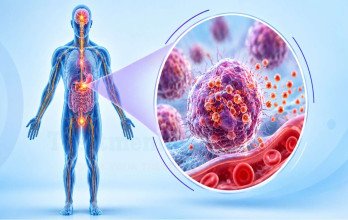
Dendritic cell (DC) therapy is one of the most advanced immunological approaches available for solid tumors today. It works by training the patient's own immune system to recognize and fight the cancer, rather than attacking it with drugs directly.
Dendritic cells are antigen-presenting immune cells that play a central role in initiating adaptive immune responses. They are the cells that identify threats, process information about them, and pass it on to the T-cells that carry out the immune response. In DC therapy, these cells are collected from the patient's blood, matured in a specialized laboratory, loaded with tumor-specific antigens, and then reinfused to direct a targeted immune attack against the cancer cells.

Research into dendritic cell therapy for solid tumors is ongoing, although its role remains investigational in most cancers.A comprehensive review of DC immunotherapy advances for solid tumors confirmed that DC vaccines can generate tumor-specific immune responses and are increasingly being developed as part of combination strategies alongside checkpoint inhibitors and other systemic agents [5]. Advances in translational research have further supported DC therapy as a promising clinical tool. Early clinical studies have demonstrated immune activation and limited evidence of potential clinical activity in selected patients [10].
For patients with vaginal cancer, particularly those with HPV-associated disease, DC therapy represents a biologically relevant approach. HPV antigens can be used to load dendritic cells, making the therapy highly specific to the tumor's driving biology [11]. Dendritic cell therapy is not currently considered standard treatment for vaginal cancer and is generally used within individualized treatment strategies.
Here is how the DC therapy process works:
▶ Peripheral blood cell collection
▶ Ex vivo dendritic cell generation and maturation
▶ Antigen exposure/loading
▶ Quality control testing
▶ Vaccine administration
▶ Clinical monitoring and follow-up
Dendritic cell therapy is generally reported to be well-tolerated in early clinical studies, although side effects and effectiveness vary between patients.
What Does Vaginal Cancer Treatment Cost in Germany?
Understanding treatment costs helps patients and families plan ahead. For the advanced therapies available in Germany:
The cost of TACP treatment in Germany typically ranges between €8,000 and €9,000 per session, carried out by Prof. Vogl and his interventional oncology team. The number of sessions depends on how your tumor responds and your individual treatment plan.
The cost of dendritic cell therapy in Germany is approximately €27,000 for total course, covering laboratory preparation, quality testing, and all infusion sessions. This is delivered by Prof. Gansauge at LDG Laboratories.
Costs for chemotherapy for vaginal cancer in Germany, vaginal brachytherapy in Germany, radiation therapy, and surgery depend on the specific protocol and institution. TIG GmbH provides every patient with a transparent, personalized cost breakdown before any travel or treatment commitment is made.
Who Can Access Advanced Treatment for Vaginal Cancer in Germany?
Eligibility for each therapy is assessed case by case. Germany's vaginal cancer specialists review every patient through a multidisciplinary tumor board before making recommendations.
TACP
Cancer in vagina that is locally advanced, metastatic, or has not responded adequately to prior treatment
Adequate organ function and general performance status for the procedure
Tumor with an accessible arterial blood supply suitable for catheter-based delivery
No contraindication to contrast agents or minimally invasive interventional procedures
Chemotherapy
Confirmed histological diagnosis of vaginal cancer at any stage where systemic or concurrent treatment is indicated
Stage 4 vaginal cancer with distant spread requiring systemic disease control
Adequate kidney, liver, and bone marrow function to tolerate platinum-based regimens
Patient fitness assessed using performance status scales (ECOG 0-2 preferred)
Dendritic Cell Therapy
Confirmed diagnosis of vaginal cancer at any stage, including advanced or recurrent disease
Adequate circulating immune cell counts for collection and laboratory processing
No active autoimmune disease or current immunosuppressive medication
Ability to attend a multi-week protocol with multiple infusion appointments
Why Patients Choose Germany for Vaginal Cancer Treatment
Germany's reputation in oncology comes from real clinical depth and a genuine commitment to individualized care. For patients with advanced vaginal cancer treatment needs, the country offers:
Multidisciplinary gynecological oncology tumor boards reviewing every case before treatment
Access to vaginal brachytherapy in Germany and radiation therapy for vaginal cancer in Germany within integrated radiotherapy programs
Specialist TACP and interventional oncology through Prof. Vogl's team at University Hospital Frankfurt
Dendritic cell therapy for patients with advanced or HPV-associated disease
ESTRO/ESGO guideline-aligned care [3] ensuring treatment matches the best available international evidence
Clear processes for international patients to access cancer treatment in Germany with visa and travel support through TIG GmbH
Our Team supports patients through the entire process, making advanced gynecological cancer treatment Germanymore accessible for international patients from anywhere in the world.
List of Leading Hospitals for Vaginal Cancer Treatment in Germany
These are among the best hospital for vaginal cancer treatment in Germany regularly accessed by international patients:

TIG GmbH has working relationships with all of these institutions and can help you get a second opinion, book a consultation, or plan a full course of treatment at the right center.
How TIG GmbH Supports International Vaginal Cancer Patients
Navigating advanced vaginal cancer treatment in Germany from abroad takes real coordination. TIG GmbH handles every part of the journey so you can focus entirely on your health.
Medical record review: Your scans, biopsy results, and staging reports are reviewed and forwarded to the right vaginal cancer specialist in Germany for a pre-consultation opinion
Hospital and specialist matching: Our team identifies the most suitable center for your specific case, whether for TACP, chemotherapy, dendritic cell therapy, vaginal brachytherapy, or a combination approach
Medical visa assistance: Full support with documentation for international patient cancer treatment Germany, including hospital invitation letters
Travel arrangements : Flights, and logistics near your treatment center, all arranged
Interpreter services: A medically trained interpreter with you throughout every consultation and appointment
Post-treatment follow-up: Your home doctors are kept informed so care continues seamlessly after you return
Whether you are exploring your options for the first time or ready to book a consultation at one of the German hospitals for vaginal cancer treatment, TIG GmbH is with you every step of the way. Reach out today.
References
Read More
Vaginal Cancer Treatment in Germany Using Innovative Dendritic Cell Therapy
Why Patients Worldwide Prefer Our Medical Services in Germany – Key Benefits Explained




































.webp)
 (1).webp)

.webp)


.jpg)

 (1).webp)


.jpg)