

Colon cancer develops from polyps in your colon’s inner lining. Screening tests and newer treatments are helping more people survive colon cancer.
Advanced Colon Cancer Treatment Options in Germany
When colon cancer reaches an advanced stage, the questions come quickly and the answers feel urgent. Many families begin exploring treatment options abroad, including Germany, because of its university hospitals, multidisciplinary cancer centers, and access to specialized diagnostic and therapeutic services for selected patients. The reputation of colon cancer treatment in Germany rests on precise molecular diagnostics, experienced surgeons, and a tumor-board model that tailors care to the individual.
Colorectal cancer is the second most common cause of cancer death, and outcomes drop sharply once it spreads. The five-year relative survival for stage 4 disease is about 15.1% [1]. Yet those numbers are improving, and modern colorectal cancer treatment now combines systemic therapy, surgery, image-guided local therapies, and radiation in selected cases, and immunotherapy for appropriately selected patients. Advances in molecular profiling, targeted therapies, immunotherapy, and liver-directed treatments have expanded treatment options for selected patients over the last decade.
What follows is a clear look at the colon cancer treatment options available in Germany, from proven standard care to newer approaches such as TACE, TACP, dendritic cell therapy, and immunotherapy. The aim is honest information, since realistic expectations matter as much as hope when facing stage 4 bowel cancer.
For anyone exploring stage 4 colorectal cancer treatment in Germany, the medical and practical questions arrive together. TIG GmbH connects international patients with Colon Cancer Specialists in Germany, reviews their records, and coordinates the journey from first contact to follow-up.
Understanding Stage 4 and Metastatic Colon Cancer
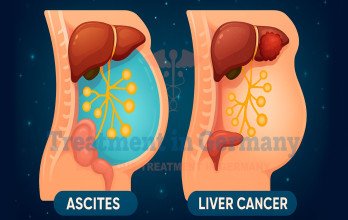
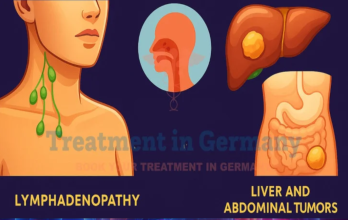
Stage 4 colorectal cancer indicates that the cancer has spread beyond the colon or rectum to distant organs or distant lymph nodes. This is also called metastatic colon or colorectal cancer, and is generally the most complex stage to treat. The liver is the most common site of spread, which is why colon cancer liver metastases treatment is such a central part of advanced care.

About half of all colorectal cancer patients develop liver metastases during their illness, and at the time of diagnosis of liver metastases, many patients are not initially candidates for complete surgical removal [5]. Up to one in five patients already has distant spread at the moment of diagnosis [1]. This is what makes liver metastases from colon cancer treatment a priority, and why local therapies aimed at the liver have become so important alongside whole-body treatment.
Treatment goals shift at this stage. For most patients with metastatic colorectal cancer, treatment focuses on prolonging survival, controlling symptoms, maintaining quality of life, and delaying disease progression. Cure is uncommon except in carefully selected patients with potentially resectable metastatic disease[1]. Effective metastatic colon cancer treatment often combines systemic therapy with local treatment. That said, a smaller group with limited, removable spread can sometimes achieve long survival, which is why careful, individual assessment matters so much in Stage IV colon cancer treatment options.
Colon Cancer Survival Rates by Stage
Honest numbers help patients plan. Colon cancer survival rates by stage fall steeply as the disease spreads. Based on SEER data, the five-year relative survival is about 91% for localized colon cancer, 72% when it has reached nearby lymph nodes, and 14% once it has spread to distant organs [2]. The chart below shows that drop clearly.

The natural question is ‘Can Stage 4 Colon Cancer Be Cured?’ For most people the honest answer is that it is rarely cured, and treatment is usually aimed at control rather than cure [1]. Still, outcomes have improved, and a minority of patients with limited liver-only spread that can be removed do achieve long-term survival. The table below summarizes the main factors that shape prognosis.
Factor | Detail | What It Means |
|---|---|---|
Localized disease | ~91% at 5 years | Best outlook; often curable with surgery [2] |
Regional (lymph nodes) | ~72% at 5 years | Surgery plus chemotherapy [2] |
Distant (stage 4) | ~14-15% at 5 years | |
Resectable liver-only spread | Better outcomes | Some achieve long-term survival |
MSI-high tumors | Respond to immunotherapy | A small subgroup with distinct options [7] |
These figures are averages, not predictions for any one person. Tumor biology, the location and number of metastases, molecular markers, and general fitness all change the picture, which is why personalized treatment for metastatic colon cancer has become the standard approach.
Standard Treatment Options for Stage 4 Colon Cancer
Before looking at newer options, it helps to understand the proven foundation. A multidisciplinary tumor board reviews each case, then builds a plan from established stage IV colon cancer treatment options.
The main pillars of standard care include:
Chemotherapy for Stage 4 Bowel Cancer: Combination regimens such as FOLFOX or FOLFIRI form the backbone of systemic care, often continued in cycles as long as they help and are tolerated. Additional targeted options may be available for tumors harboring alterations such as BRAF V600E, HER2 amplification, KRAS G12C mutations, or NTRK fusions.
Colon Cancer Targeted Therapy: Drugs matched to tumor biology, such as anti-EGFR agents for RAS wild-type tumors or anti-VEGF agents, added to chemotherapy
Surgical Interventions for Stage 4 Bowel Cancer: Removal of the primary tumor and, in selected cases, removal of liver or lung metastases, which offers the best chance of long survival when feasible
Radiation Therapy for Colon Cancer Stage 4: Used to relieve symptoms, control bleeding, or target specific sites, with modern precision techniques limiting damage to healthy tissue
Supportive and palliative care to manage symptoms and protect comfort throughout treatment
Patients often ask when treatment should change course. The decision about when to stop chemo for colon cancer? Is made together with the oncology team, weighing benefit against side effects and quality of life. Standard care can extend survival meaningfully, but because it rarely cures metastatic disease, many patients also look toward the advanced options described next [1].
Whether the question is chemotherapy for stage 4 bowel cancer or how to combine it with newer therapies, TIG GmbH helps patients reach German oncology teams who build an evidence-based, individual plan.
Advanced and Innovative Colon Cancer Treatment Options in Germany
For patients who want to go further than standard care, Germany offers several advanced approaches. These approaches are generally used alongside systemic treatment and represent important components of advanced colorectal cancer management for selected patients. The most relevant are interventional liver-directed therapies and immune-based treatments.
TACE for Colon Cancer Liver Metastases
Transarterial chemoembolization, or TACE, is a minimally invasive procedure that delivers chemotherapy directly into the blood vessels feeding liver tumors, then blocks those vessels to trap the drug in place. This locoregional method aims for a high drug concentration inside the metastases with less effect on the rest of the body. It is especially useful for TACE for Metastases in Colon Cancer Stage 4 when liver spread cannot be removed by surgery or other curative local approaches[5].

Early studies suggest that TACE may improve disease control in selected patients, although most evidence comes from retrospective studies and additional prospective research is needed. A long single-center experience found that combining TACE with thermal ablation produced a median survival of around two years in patients with colorectal liver metastases[4]. Studies have reported improvements in progression-free survival and disease-control measures when drug-eluting bead TACE is added to systemic chemotherapy as a first-line approach, compared to administering chemotherapy alone [5]. In one study pairing drug-eluting bead TACE with FOLFIRI, the response rate reached 55% and the disease control rate 80%, as shown below [6].

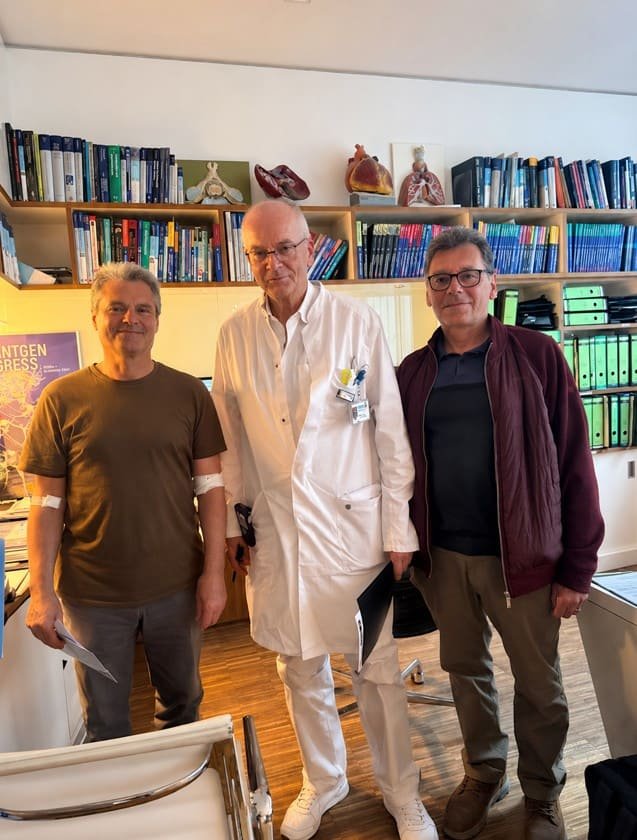
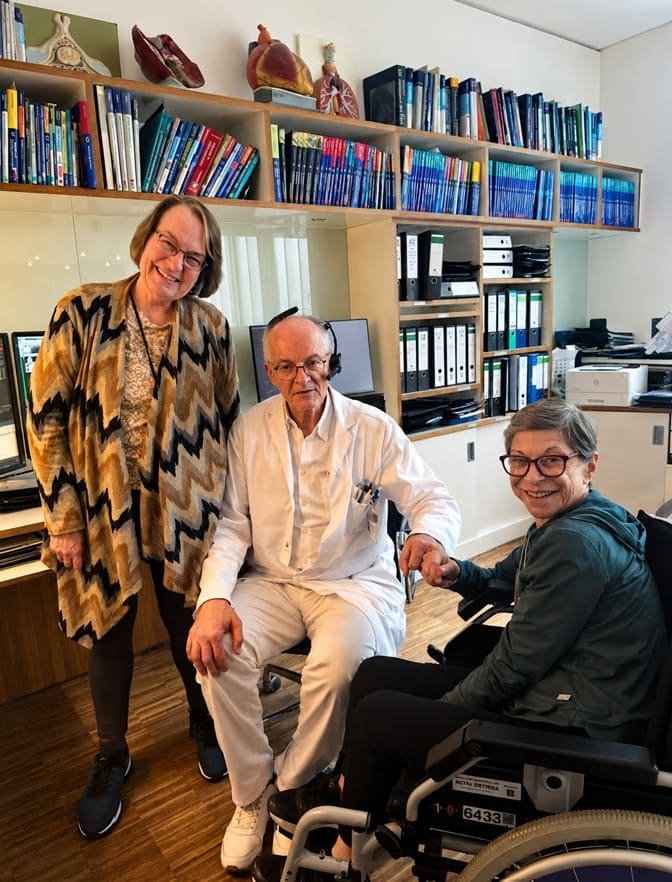
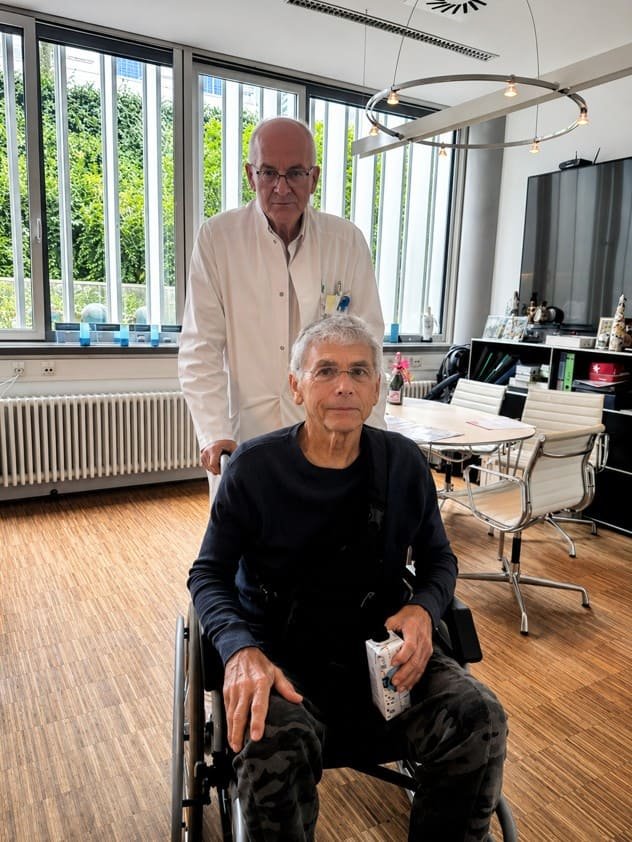
In Germany, these interventional procedures are delivered by Prof. Vogl and his specialist team at University Hospital Frankfurt, one of the most experienced interventional oncology units in Europe. The treatment is image-guided, and many patients recover within hours and many patients are discharged within one or two days depending on their clinical condition and treatment response, which makes it an option even for those with reduced fitness.
Transarterial Chemoperfusion (TACP) for Colon Cancer Treatment in Germany
Transarterial chemoperfusion, or TACP, is an advanced, minimally invasive therapy that delivers a high concentration of chemotherapy straight to a tumor through its own blood supply. Unlike systemic chemotherapy, TACP delivers chemotherapy directly into the arterial supply of the tumor, achieving higher local drug concentrations while reducing systemic exposure. For colon cancer, TACP for metastases in colon cancer stage 4 works as a targeted locoregional treatment, sending the drug directly into the vessels that feed the tumor.

The process starts with a consultation with the treating professor, who reviews the patient's history, looks closely at earlier treatments, and shapes a personalized plan. Imaging follows, usually an MRI or CT scan, to map the active tumor areas and decide the best route for delivery. The objective is to maximize local tumor exposure while limiting systemic toxicity.
During the procedure, an interventional radiologist threads a thin catheter into the artery supplying the tumor and delivers a high dose of chemotherapy right at the target. This precise, focused approach helps control tumor growth and encourage shrinkage while keeping the rest of the body's exposure to a minimum.
In studies from Vogl's interventional group in Frankfurt, TACP with gemcitabine and mitomycin produced a therapeutic response in about 52.9% of colorectal cancer patients, with a median survival of 9.3 months in a heavily pre-treated group and no serious side effects [11].
Current evidence for TACP in metastatic colorectal cancer is derived primarily from retrospective and single-center studies. While these results are encouraging in selected patients, larger prospective studies are needed to further define its role within modern colorectal cancer treatment.
Immunotherapy for Stage 4 Colon Cancer
Colon Cancer Immunotherapy has changed the outlook for one specific group of patients. Tumors with high microsatellite instability, known as MSI-high or mismatch-repair deficient, respond well to checkpoint inhibitors that release the brakes on the immune system [7]. In these patients, Immunotherapy with pembrolizumab has produced a median progression-free survival of about 16.5 months, compared with 8.2 months for chemotherapy [7].
The important caveat is that only a small share of metastatic colorectal cancers, roughly 5%, are MSI-high. The majority are microsatellite stable and do not respond well to checkpoint inhibitors on their own [7]. This is why researchers are testing combinations that aim to make these tumors more visible to the immune system, an active focus of modern colorectal cancer treatment[8]. Patients ask whether ‘Can Immunotherapy Cure Stage 4 Cancer?’ and the honest answer is that it can produce durable responses in selected patients, but it is not a guaranteed cure.
TIG GmbH helps patients confirm their MSI status and reach German centers offering Immunotherapy for stage 4 colon cancer matched to their tumor biology.
Dendritic Cell Therapy for Stage 4 Colon Cancer
Dendritic cells are the immune system's messengers, showing other immune cells what to attack. Dendritic cells therapy for stage 4 colon cancer uses a patient's own immune cells, prepares them in the laboratory with tumor antigens, and returns them to the body to spark a focused response [10]. This makes dendritic cell vaccines a personalized form of treatment built around the individual.

Dendritic cell vaccines remain investigational and are not currently recommended as standard treatment in major international colorectal cancer guidelines. Most available evidence comes from early-phase studies evaluating safety and immune response rather than demonstrating a survival benefit. Their role continues to be evaluated, particularly in combination with other therapies. An early-phase study using antigen-pulsed dendritic cells in advanced colorectal cancer found the approach feasible and safe, with an immune response and clinical benefit seen in a fraction of patients [9]. Preclinical studies and early clinical investigations suggest that dendritic cell vaccines may have greater activity when combined with checkpoint inhibitors, chemotherapy, or other immunomodulatory treatments[8]. This combination strategy is where much of the promise now lies and remain an active area of ongoing clinical research.
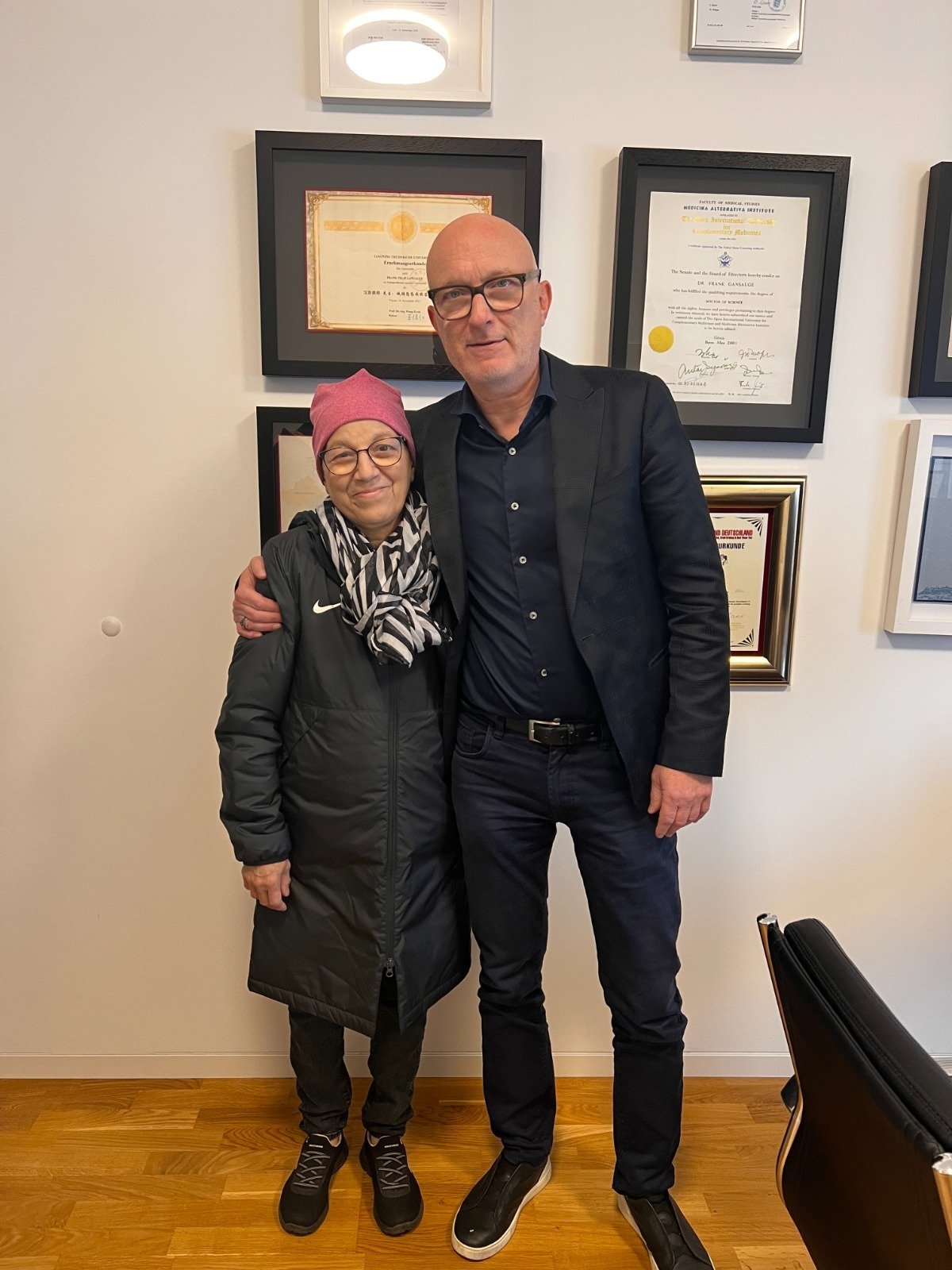
In Germany, this personalized cancer immunotherapy is delivered by Prof. Gansauge at LDG Laboratories, using the patient's own cells prepared in a specialized facility. It is offered as part of a broader plan rather than a replacement for standard care, and is generally well tolerated as a series of scheduled injections [9].
For patients weighing Dendritic Cell Vaccines as part of their care, TIG GmbH arranges the consultation with Prof. Gansauge, gathers the right reports in advance, and coordinates the visit.
Colon Cancer Treatment Cost in Germany
Cost is a fair and important consideration. Pricing depends on the therapy, the institution, and individual needs. The table below sets out the headline figures for the advanced options covered here, including who delivers them.

The interventional therapies are priced per session. TACE and TACP treatment in Germany typically cost between €8,000 and €9,000 per session, both delivered by Prof. Vogl. Dendritic cell therapy in Germany costs approximately €27,000 for total course, delivered by Prof. Gansauge at LDG Laboratories. Costs for immunotherapy, targeted therapy, and chemotherapy depend on the agent and number of cycles. Total treatment costs vary according to disease extent, treatment type, hospital, and the number of treatment sessions required
TIG GmbH provides a transparent, personalized breakdown of the full colon cancer treatment cost in Germany before any commitment to travel, so patients know exactly what to expect.
Personalized and Combination Treatment Approaches
The strongest modern care rarely relies on a single therapy. Personalized treatment for metastatic colon cancer starts with full molecular profiling, including RAS, BRAF, HER2, and microsatellite status, which guides every later decision. From there, treatments are layered to match the tumor and the patient.
Common combination strategies in advanced care include:
Systemic chemotherapy paired with liver-directed TACE to control both whole-body and liver disease [5]
Checkpoint immunotherapy for MSI-high tumors, sometimes alongside chemotherapy [7]
Dendritic cell therapy combined with chemotherapy or checkpoint inhibitors to strengthen the immune response [8]
Surgery or ablation for limited liver metastases, integrated with systemic treatment
Who May Benefit from Advanced colon cancer Therapies?
Not everyone is a candidate for every therapy, and a careful evaluation protects patients from false hope. Suitability is decided by a tumor board after full assessment. In general:
TACE and TACP suit patients with liver-dominant metastases that cannot be removed by surgery [5]
Immunotherapy is most effective in MSI-high or mismatch-repair deficient tumors [7]
Dendritic cell therapy is considered for patients with adequate fitness and immune cell counts, usually alongside standard care [9]
Surgery for metastases is reserved for those with limited, removable disease
During assessment, the team weighs the number and location of metastases, molecular markers, prior treatments, and overall fitness. An honest conversation about likely outcomes is part of responsible care, and a trustworthy clinic will never promise a cure.
Leading Colorectal Cancer Treatment Centers in Germany
Germany is home to several internationally respected centers and colon cancer specialists. These are widely sought by patients looking for the best hospitals for colon cancer treatment in Germany:

TIG GmbH has working relationships with the oncology departments at these Colorectal Cancer Treatment Centers in Germany and can help patients arrange second opinions and coordinate care.
Why International Patients Choose Germany
Patients travel for treatment for colon cancer in Germany because the country pairs strict medical standards with experienced specialists and access to therapies that are limited elsewhere. German clinics and other respected European Medical Centers are known for transparency, careful diagnostics, and a multidisciplinary approach. A few points are worth holding in mind:
Stage 4 colon cancer is rarely cured, so the realistic goal is to extend life and protect its quality [1].
Outcomes vary with tumor biology, the extent of spread, and treatment response, so results cannot be guaranteed [2].
Interventional and immune-based therapies are usually added to standard care, not used in place of it [5].
A trustworthy clinic is candid about what is realistic and avoids any promise of a cure.
For families arranging care from abroad, TIG GmbH manages record review, specialist matching, visa support, travel, and interpreters, so patients can focus on treatment and recovery.
Limitations and Considerations
Anyone weighing these options deserves a clear understanding of both their potential benefits and their limitations. The evidence comes with real caveats:
For most patients, treatment of metastatic colorectal cancer is intended to prolong survival, control symptoms, maintain quality of life, and slow disease progression rather than achieve cure. However, a small subset of patients with limited, completely treatable metastatic disease may achieve long-term disease-free survival or cure[1].
Interventional therapies like TACE help selected patients with liver-dominant disease, but they do not treat cancer throughout the body and are typically used alongside systemic therapy [4].
Immunotherapy works mainly in the small MSI-high subgroup, while most tumors need other strategies [7].
Dendritic cell therapy is promising but still under study, with early studies suggest they may have greater potential when combined with other therapies [8].
Any claim of a guaranteed cure is a warning sign, and an independent oncology opinion helps set honest expectations.
References
Read more
Advanced Colon Cancer Treatments with Dendritic Cell Therapy in Germany
Stage 4 (Metastatic) Colon Cancer – Diagnosis and Treatment
Treatment Options for Colon Cancer | Bowel Cancer
Stage 4 (Metastatic) Colon Cancer Clinical Trials
Difference between Stage 3 and Stage 4 Colon Cancer in Germany





























.webp)
 (1).webp)

.webp)

.jpg)
 (1).webp)

.jpg)